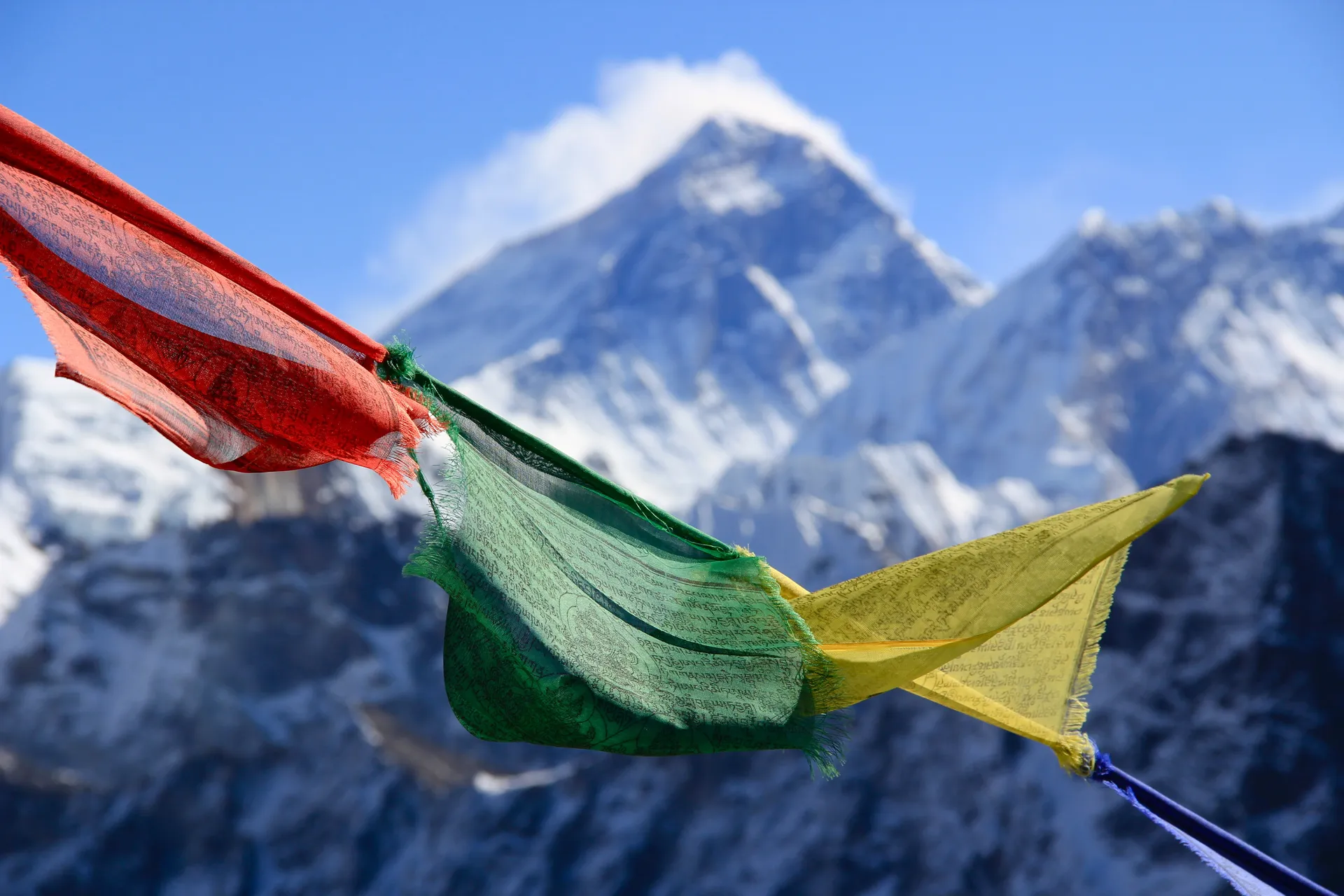
Nepal Walking Routes
A wonderfully unique experience, a walking tour in Nepal is ideal for those that enjoy a challenge plus glorious vistas, diverse culture, and rich history. From Nepal’s stupa-studded capital, Kathmandu, with its historic Durbar Square and the Buddhist stupa of Swayanbhunath to the stunning River Modi which affords breath-taking scenes of valleys. Undoubtedly, this country is most famous for the Himalayas along the Annapurna trail, providing visitors with a journey past snow-capped peaks and mesmerising mountain sights.
Escorted Walking Tours in Nepal


Your tour of Nepal is just a phone call away
Call our Travel Specialists today on 01732 809 181
Start planning your next adventure: View Nepal tours
Your Nepal Questions Answered
Find out more about visiting Nepal with the answers to these frequently asked questions.
We're here to help
Nepalese cuisine features hearty, flavourful dishes like dal bhat (lentil soup and rice) and momos (dumplings). Spices are often mild to moderate, and meals commonly include vegetables, lentils, and rice. In tourist areas, you’ll find both local and international options to suit all palates.
It is generally safe to eat food in Nepal, especially at reputable restaurants and hotels. As with any destination, it’s a good idea to stick to fresh, well-cooked food and drink bottled water.
Yes, travel insurance is highly recommended. It provides coverage for medical emergencies, trip cancellations, and lost luggage, ensuring peace of mind during your travels.
Nepal’s must-see attractions include the vibrant city of Kathmandu, with its ancient temples and Durbar Square, and the serene lakeside town of Pokhara, a gateway to the Annapurna region. Visit Chitwan National Park for wildlife spotting, whilst trekking in the Everest and Annapurna regions is world-famous for breathtaking mountain views.
Respectful dress is appreciated, particularly at religious sites. Greet people with “Namaste” and remove shoes before entering temples or homes. Avoid pointing with your finger, and use your right hand when giving or receiving items.
Pack comfortable clothing, layers for changing temperatures, and sturdy trekking shoes if you plan to hike. Sun protection is essential, and a warm jacket is recommended for higher altitudes. Don’t forget a reusable water bottle, and consider packing a power bank if visiting remote areas.
The best times to visit Nepal are during the dry seasons, from March to May and from September to November, when the weather is mild, and skies are clear. These months are ideal for trekking, with blooming rhododendrons in spring and clear mountain views in autumn.
Nepal is generally safe for travellers, with a welcoming culture and supportive tourist infrastructure. It’s wise to take standard precautions, especially in crowded areas and popular tourist spots, and to stay informed about mountain safety if trekking.
Nepali is the official language of Nepal, widely spoken across the country. In tourist areas, many people also speak English, and you may hear local dialects among various ethnic groups.
The currency used in Nepal is the Nepalese Rupee (NPR). Major towns and tourist areas accept credit cards, but cash is essential in rural areas. ATMs are available in cities, though they may have withdrawal limits.
PLAN YOUR TRIP
Your guide to visiting Nepal
Popular Walking Routes in Nepal:
The Annapurna region offers some of Nepal’s most beloved walking routes—not just for their natural beauty, but for the cultural richness and accessibility they provide. These trails are ideal for trekkers who want immersive experiences without the extremes of high-altitude trekking.
Pokhara
Often the starting point for treks in the Annapurna region, Pokhara is beloved for its serene lakeside setting and dramatic mountain views. It’s a place to relax before or after a trek, with easy access to trailheads and a vibrant mix of cafés, yoga studios, and cultural sites.
Syauli Bazaar
This quiet riverside village is a gateway to the lower Annapurna foothills. Its gentle terrain and proximity to terraced farmland make it a peaceful starting point for walkers easing into the region’s trails.
Ghandrung
One of the most iconic villages in the Annapurna region, Ghandrung is popular for its stunning views of Annapurna South and Machapuchare, as well as its rich Gurung culture. The village is a hub for community-based tourism, offering warm hospitality and insight into traditional mountain life.
Jhinu Danda
Known for its natural hot springs, Jhinu Danda is a favourite rest stop for trekkers. Nestled in lush forest above the Modi Khola river, it offers a unique chance to soak tired muscles while surrounded by nature.
Dhampus
Perched on a ridge with panoramic views of the Annapurna range, Dhampus is a tranquil village that attracts walkers for its sunrise vistas and peaceful atmosphere. It’s also a great spot for cultural interaction, with traditional homes and farming life on display.
Best Time to Walk in Nepal
Spring (March – May)
Spring transforms the landscape into a vibrant tapestry of colour. Flowers burst into bloom, painting the hillsides in shades of colour, while fresh greenery carpets the forest floor. Clear skies and mild temperatures make this a favourite season for photographers and nature lovers. Villages stir with life, and the trails feel fresh and full of promise.
Autumn (September – November)
Autumn is the most popular time to walk in the Annapurna region and for good reason. The weather is stable, the air is crisp, and the visibility is exceptional. Golden light bathes the landscape, from ripening rice terraces to snow-dusted peaks. Village life is lively during harvest season, adding a festive energy to the trails.
Winter (December – February)
Winter brings peace and quiet to the foothills. While mornings can be chilly, the days are often sunny and clear, offering spectacular views of the Himalayas without the crowds. Lower-altitude routes remain accessible, and the crisp air adds a refreshing edge to each walk.
Food & Drink in Nepal
Influenced by Nepali, Tibetan, and Gurung traditions, the food here is simple, flavourful, and perfectly suited to life on the trail.
Must-Try Dishes:
Dal Bhat – The ultimate trekking fuel. This traditional meal of rice, lentil soup, seasonal vegetables, and spicy pickles is endlessly satisfying.
Momos – Steamed or fried dumplings filled with vegetables or meat, served with tangy tomato chutney. A favourite among trekkers and locals alike.
Thukpa – A warming noodle soup with Tibetan roots, packed with vegetables and sometimes meat. Ideal for chilly evenings in the mountains.
Yak Cheese – Rich, slightly tangy, and locally made. Often served sliced or melted into dishes, it’s a delicious and protein-rich snack.
Bhatmas Sandheko – Spicy roasted soybeans tossed with onion, garlic, and chilli. Crunchy, fiery, and addictive.
Gundruk – Fermented leafy greens, often cooked into soups or served as a side dish. A traditional Nepali delicacy with a distinctive tang.
Enjoy a cup of masala chai spiced with cardamom and cinnamon, or sip lemon ginger honey tea for a soothing boost. In higher villages, you might be offered butter tea—a salty, creamy Tibetan-style brew.
Tips for Planning Your Nepal Walking Tour
Spring and autumn are the best seasons for walking in Nepal and the Annapurna foothills, offering mild weather and vibrant landscapes. These trails are ideal for travellers seeking a slower-paced trekking experience that blends natural beauty with cultural immersion.
Our escorted walking tours in Nepal provide expert guidance, comfortable stays, and seamless logistics so that you can focus on the journey. Whether you're soaking in hot springs, sharing stories with locals, or watching the sun rise over the Himalayas, these trails offer a truly unforgettable adventure.
