Lithuania Escorted Tours
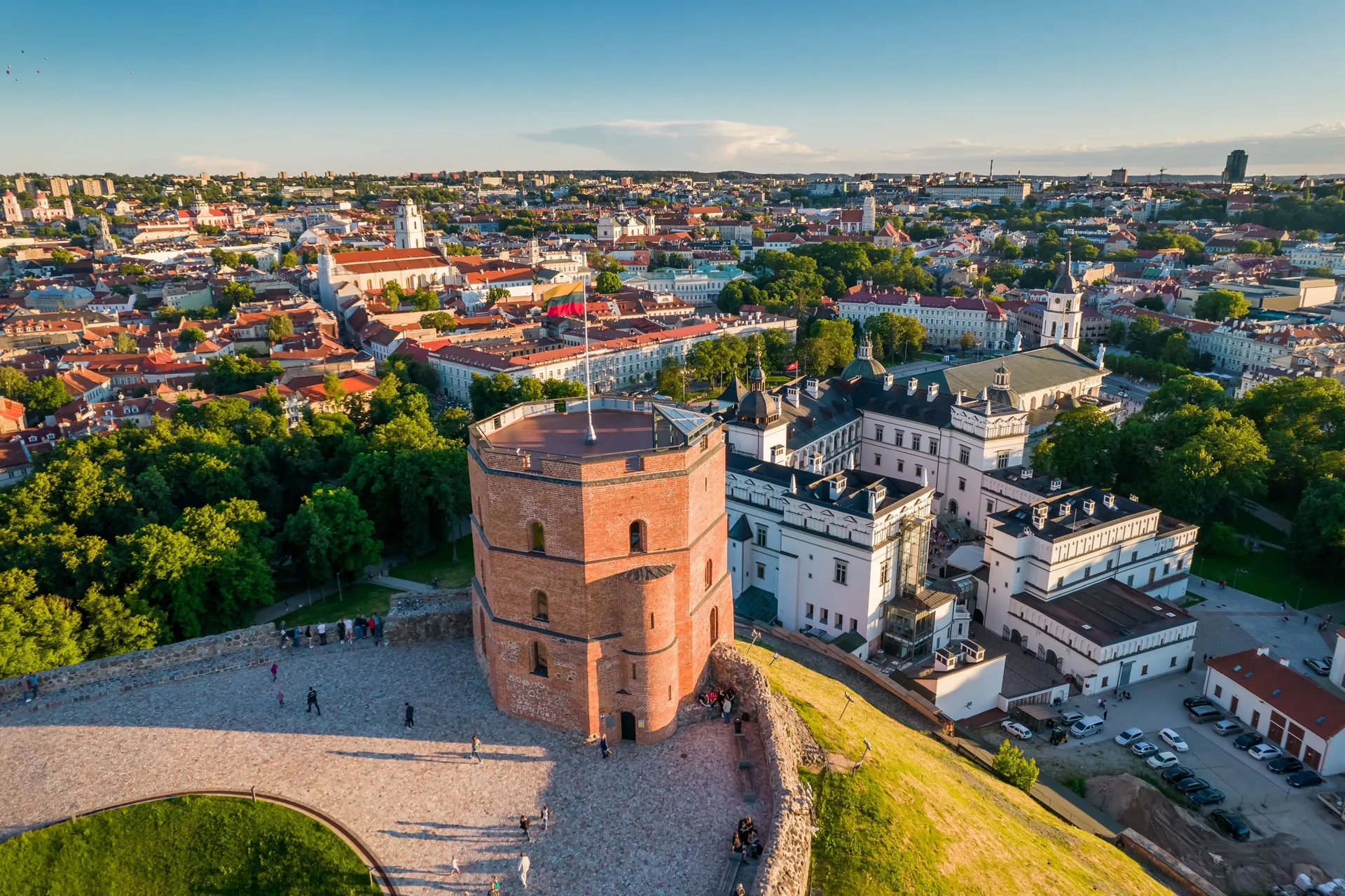
Lithuania, a hidden gem of the Baltics, invites you to explore its rich history, stunning landscapes, and vibrant culture where you can marvel at a blend of Gothic, Renaissance, and Baroque architecture. Explore iconic landmarks like the Gediminas Tower and the Trakai Island Castle. Take a journey to the Hill of Crosses, a deeply spiritual site adorned with thousands of crosses symbolising faith and resilience, and unwind at the tranquil lakes, and the breathtaking Curonian Spit. Lithuania seamlessly weaves history, tradition, and scenic beauty into an unforgettable experience


Your tour of Lithuania is just a phone call away
Call our Travel Specialists today on 01732 809 181
Start planning your next adventure: View Lithuania tours
Where possible we have secured a limited number of places without a single Supplement on each escorted tour. These are strictly subject to availability and once they are all booked a supplement will apply.
All of our English speaking local guides are passionate about their country and will accompany you from the moment you arrive in your destination, throughout your escorted tour and right until your departing flight home.
All the hotels chosen for these escorted tours have been personally sourced and inspected by us. We pride ourselves on offering you comfortable, handpicked accommodation in some of the best locations around the world.
Once you have booked, we will send you a comprehensive dossier with all your accommodation details, flight and airport information, country advice and other useful tips such as what to pack and luggage allowance.
Your Lithuania Questions Answered
Find out more about visiting Lithuania with the answers to these frequently asked questions.
We're here to help
Lithuanian cuisine is hearty and traditional, with dishes like cepelinai (potato dumplings), šaltibarščiai (cold beet soup), and kibinai (savoury pastries). Local cheeses, rye bread, and honey-based desserts are also popular, along with mead and craft beers.
Yes, travel insurance is highly recommended. It provides coverage for medical emergencies, trip cancellations, and lost luggage, ensuring peace of mind during your travels.
Must-see attractions in Lithuania include Vilnius Old Town, a UNESCO World Heritage Site, the Hill of Crosses near Siauliai, and Trakai Island Castle. The Curonian Spit offers stunning natural landscapes, while Kaunas is known for its cultural and historical landmarks.
Yes, when visiting Lithuania, greet people with a handshake and maintain polite manners. Dress modestly when visiting churches or religious sites.
Pack comfortable walking shoes, seasonal clothing, and a light jacket for cooler evenings. In winter, bring warm layers, a coat, gloves, and waterproof footwear. Essentials like travel documents, medications, and a reusable water bottle are always recommended.
The best times to visit Lithuania are during late spring (May to June) and early autumn (September), when the weather is mild and pleasant. Summers are also great for outdoor activities, while winter offers festive charm and snow-covered landscapes.
Yes, Lithuania is generally considered very safe for tourists. Standard precautions, like safeguarding personal belongings and avoiding isolated areas at night, are always advisable.
Lithuanian is the official language. English is commonly spoken in tourist areas, hotels, and restaurants, especially among younger people and those working in hospitality.
The currency used in Lithuania is the Euro (EUR). Credit cards are widely accepted in cities and tourist areas, but it’s useful to have some cash for smaller purchases or rural areas.
PLAN YOUR TRIP
Your guide to visiting Lithuania
Popular Destinations in Lithuania
Lithuania is the southernmost of the Baltic states, where medieval castles rise from forested hills, baroque churches line cobbled streets, and folklore lives on in lakes and legends. From vibrant cities to tranquil countryside, our escorted tours take you through the country’s most iconic highlights.
Vilnius
Lithuania’s capital is a city of spires, stories, and surprises. Wander through the Old Town, one of Europe’s largest and most charming, with its mix of Gothic, Renaissance, and Baroque architecture. Visit Gediminas Tower for panoramic views, explore quirky neighbourhoods like Uzupis, and enjoy the café culture that pulses through its historic streets.
Trakai
Just a short drive from Vilnius, Trakai is famed for its fairytale Island Castle, set on a lake and surrounded by forest. Once the seat of medieval dukes, it’s now a peaceful retreat with wooden houses, lakeside walks, and a glimpse into Lithuania’s Karaite heritage.
Hill of Crosses
Near Šiauliai, the Hill of Crosses is one of Lithuania’s most moving and mysterious sites. Thousands of crosses, large and small, have been placed here over generations as symbols of faith, resistance, and remembrance. It’s a powerful stop on any journey through the country.
Best Time to Visit Lithuania
Lithuania has a temperate climate with four distinct seasons. The most pleasant times to visit are May to September, when the weather is warm, the days are long, and outdoor activities are in full swing.
Spring (March – May)
Nature awakens with blooming wildflowers and mild temperatures. It’s a lovely time to explore cities and countryside before the summer crowds arrive.
Summer (June – August)
Warm and lively, with festivals, open-air concerts, and long daylight hours. The coast and lakes are popular for swimming and boating, while cities buzz with energy.
Autumn (September – November)
Golden forests and crisp air make autumn ideal for scenic drives and cultural sightseeing. It’s also harvest season, with local produce and traditional celebrations.
Food & Drink in Lithuania
Lithuanian cuisine is hearty, seasonal, and rooted in rural traditions. Meals often feature potatoes, dairy, mushrooms, and rye, with flavours shaped by Baltic and Eastern European influences.
Must-Try Dishes:
Cepelinai – Potato dumplings filled with meat or cheese, served with sour cream and bacon. A national favourite.
Šaltibarščiai – Bright pink cold beet soup, served with boiled potatoes and dill. Refreshing and unique.
Kugelis – Baked potato pudding with eggs and bacon, often served with sour cream.
Kepta Duona – Fried rye bread sticks with garlic and cheese sauce—popular as a snack or bar food.
Grikių Košė – Buckwheat porridge, often served with mushrooms or meat.
Try gira (a fermented bread drink), local berry wines, or Lithuanian beer, which has a strong craft tradition. Kvass, herbal teas, and mead are also part of the traditional drinks menu.
Tips for Planning Your Lithuania Tour
When planning your tour of Lithuania, think about the kind of experience you’re after—whether it’s exploring Vilnius’s baroque beauty, or discovering the quiet symbolism of the Hill of Crosses. Our itineraries are designed to showcase the country’s most iconic highlights, combining cultural depth, natural beauty, and historical insight.
The most popular travel season—May to September—offers warm weather, and long days perfect for sightseeing. Booking in advance is recommended, especially for summer departures.
Our escorted tours offer a smooth and enriching way to explore Lithuania’s diverse regions. With local expertise, thoughtful planning, and seamless logistics, you’ll enjoy a deeper connection to the country’s landscapes, traditions, and welcoming spirit.