Tenerife Holidays
Tenerife is an enduringly popular holiday destination with a lot to offer visitors looking for an exciting or relaxing holiday in the tropical Canary Islands. Tenerife holidays offer a range of things to see and do, including volcano and island tours and day trips to other destinations in the Canaries, not to mention the island's popular water parks that offer fantastic family fun all year round. A Tenerife holiday is ideal for all types of traveller, whether you choose a short break or a longer stay to make the most of exploring an exotic new location.
North or South — Choosing the Right Tenerife For You
This is the question that matters most before you book, because the two halves of the island are markedly different places with different characters.
The south is where most visitors go, and for good reason. The resorts of Costa Adeje, Playa de las Americas, and Los Cristianos sit under almost permanent sunshine — the island's geography means the south is sheltered from the clouds that occasionally drift across the north. This is the Tenerife of long golden beaches, promenade restaurants, and evenings that drift pleasantly from dinner to a stroll to a bar. Costa Adeje is the most polished of the three — the elegant Golden Mile stretches along the waterfront, and the hotel standards here are among the highest in the Canaries. Playa de las Americas is livelier, particularly around the Veronicas Strip, while Los Cristianos is a bit quieter and more family orientated. All three have direct beach access, an excellent choice of hotels, and the kind of year-round warmth that makes them a reliable choice in any month.
The north is a different proposition. Puerto de la Cruz, the main northern resort, has a very traditional feel — a proper Canarian town with black volcanic beaches and a green, coor landscape courtesy of the trade winds that the south is shielded from. It suits travellers who want some atmosphere alongside their sunshine, and those who are planning to explore the island's interior rather than solely stay beachside. The famous Loro Parque is here too, which makes it popular with families. If you're torn between the two coasts and the good weather of the south matters less than character of your destination, the north is worth serious consideration.
Tenerife's Beaches
The beaches in the south of Tenerife are mostly imported — the famous golden sand at Playa de las Americas and Costa Adeje was brought from the Sahara, which explains why it feels unlike anything else in Spain. It's fine-grained and warm underfoot. The water here is calm enough for comfortable swimming for most of the year. Playa de las Vistas in Los Cristianos is one of the best: a Blue Flag beach with a generous stretch of sand, reliable sunshine, and good facilities.
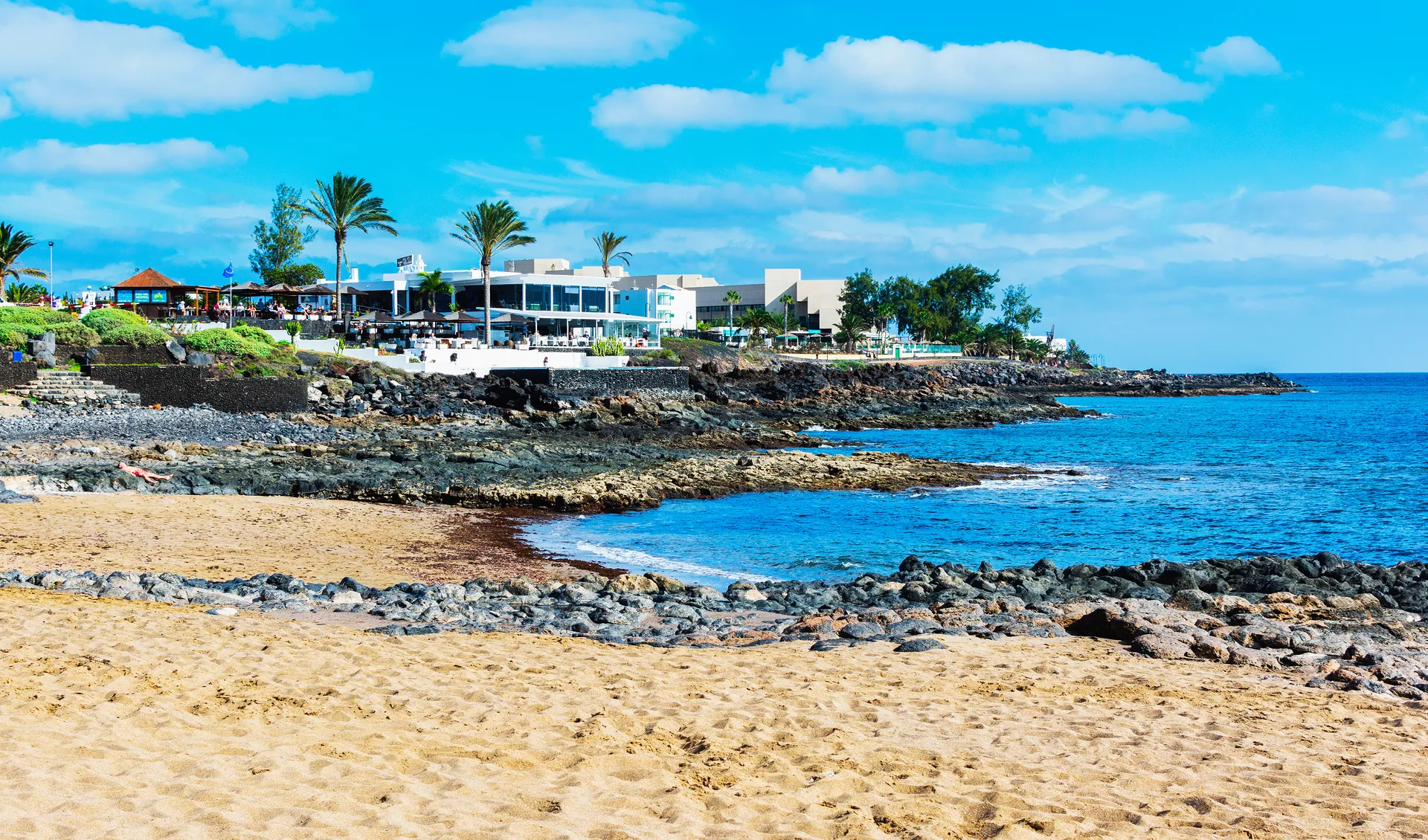
In the west of Tenerife, Playa de la Arena is worth the short drive from the southern resorts. The sand here is volcanic — dark and dramatic — the resort is peaceful, and the promenade has some of the best seafood restaurants on the island. It's a pleasant way to spend an afternoon away from Costa Adeje if you’re seeking a change of scenery.
Head north and the beaches shift character entirely. Las Teresitas, near Santa Cruz, is a rare thing: an artificial northern beach built from Saharan sand, protected by a breakwater that keeps the water calm. It's where Tinerfeños go at weekends, which makes it feel more local than the southern resorts. Further along the north coast, Playa Bollullo is only reachable on foot via a path through banana plantations. There’s no sunbed hire here — just one chiringuito (an open-air beach bar) and dramatic cliffs on both sides, yet it’s well worth a visit.
Book a holiday in Tenerife
Get a wonderful deal on the holiday of a lifetime with a Tenerife holiday from Mercury Holidays. Explore the tropical paradise of Tenerife at our resorts and enjoy a range of activities to make your Tenerife holiday one to remember.
Popular hotels in Tenerife

£574
pp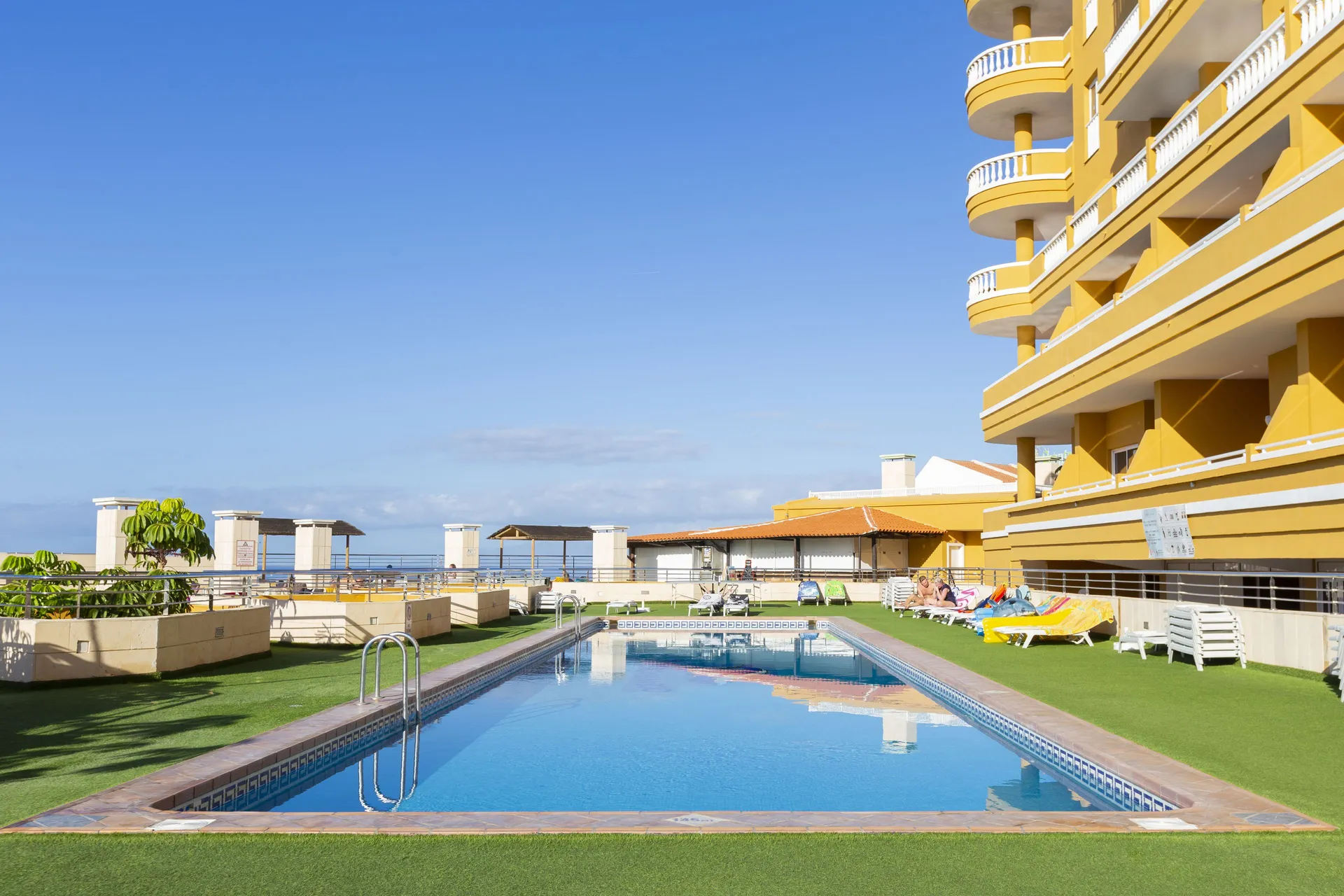

£500
pp
£453
pp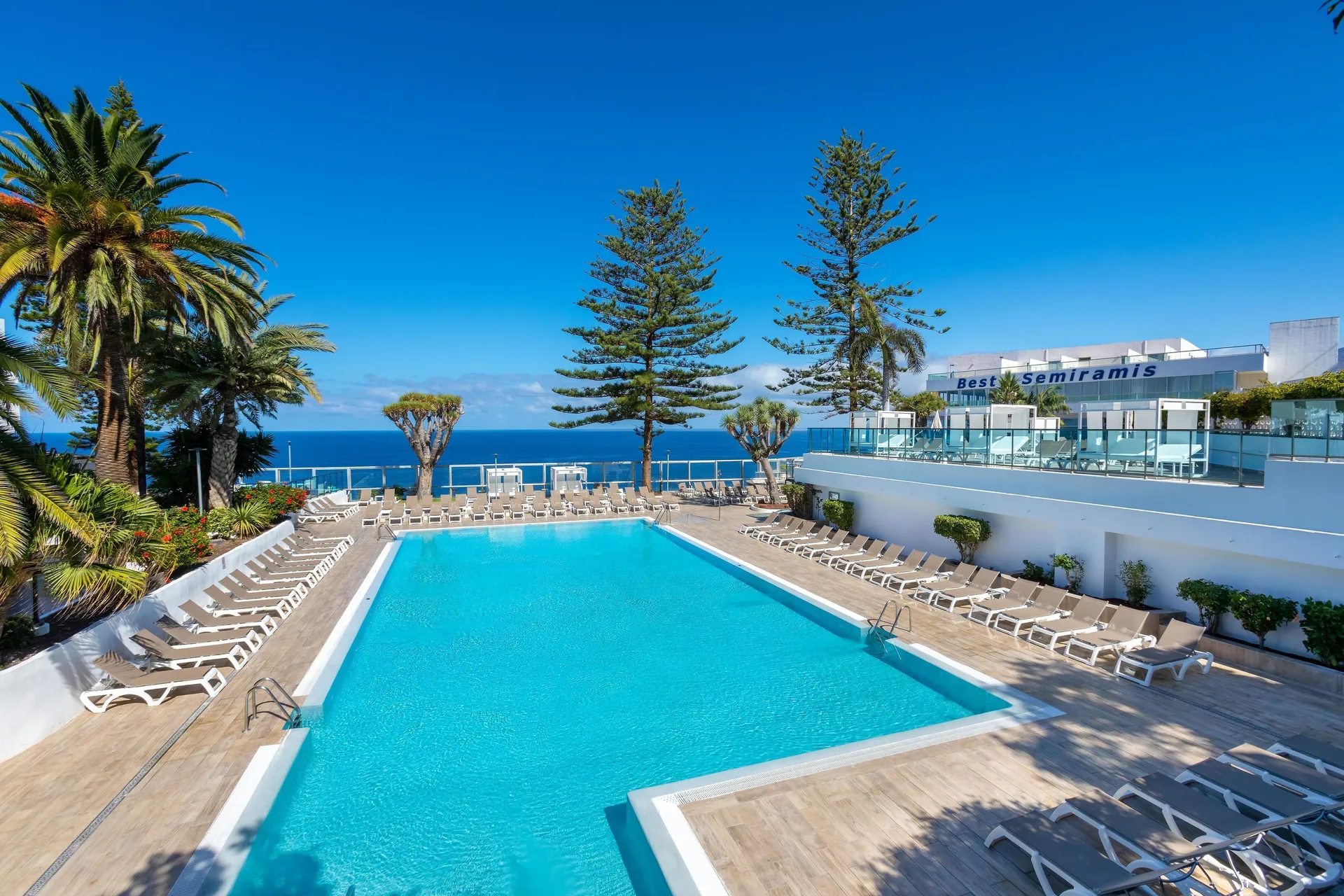

£326
pp
Your Tenerife Questions Answered
Find out more about visiting Tenerife with the answers to these frequently asked questions.
We're here to help
Tenerife’s cuisine features fresh seafood, local vegetables, and traditional Canarian dishes like papas arrugadas (wrinkled potatoes with mojo sauce), grilled fish, and ropa vieja (shredded beef stew).
The food in Tenerife is safe to eat. Restaurants and cafes maintain high hygiene standards.
Yes, travel insurance is recommended for a trip to Tenerife. It can cover medical emergencies, trip cancellations, and lost luggage, offering peace of mind while travelling.
Must-see attractions in Tenerife include Mount Teide, Spain's highest peak, the stunning beaches of Los Cristianos and Playa de las Américas, the charming town of La Laguna, and the Loro Parque zoo.
Yes, when visiting Tenerife, it’s polite to greet people with a friendly "Hola" or "Buenos días." Dress modestly when visiting churches or religious sites, and tipping 5-10% in restaurants is appreciated for good service.
Pack lightweight, breathable clothing, swimwear, sunscreen, sunglasses, and a hat for sun protection. Comfortable shoes are recommended for exploring the island, and a light jacket can be useful for cooler evenings, especially in the higher altitudes.
The best time to visit Tenerife is from March to May and September to November, when the weather is pleasant and mild, with temperatures ranging from 20°C to 25°C (68°F to 77°F). Tenerife enjoys warm weather year-round, with summer temperatures (June to August) reaching up to 30°C (86°F), perfect for beach days, swimming, and enjoying the island’s vibrant coastal atmosphere.
Yes, Tenerife is generally a very safe destination for tourists. As with any destination, it’s always wise to take standard precautions, like securing valuables and avoiding isolated areas at night.
Spanish is the official language of Tenerife. English is commonly spoken in tourist areas, hotels, and restaurants, so communication is easy for most visitors.
The currency used in Tenerife is the Euro (EUR). Credit and debit cards are widely accepted in most places, but it’s a good idea to carry some cash for small purchases, particularly in more rural areas.
PLAN YOUR TRIP
Your Tenerife Holiday Guide
Places to Visit
Mount Teide
Tenerife has Spain's highest peak, and it doesn't look like anything else in Europe. Mount Teide is an active volcano that last erupted in 1909, and the landscape surrounding it — a UNESCO World Heritage site — is a vast expanse of solidified lava flows, rust-red rock formations, and strange endemic plants that exist nowhere else on Earth. On a clear day, which is most days above the cloud line, you can see across to four other Canary Islands from the summit.
You can reach 3,555 metres by cable car, but the final 200 metres to the true summit requires a permit that needs to be booked in advance. Most visitors are satisfied with the cable car viewpoint, which is extraordinary enough. Don't drive up without booking the cable car in advance, particularly in peak season — the queue without a reservation can be several hours. If you'd rather walk, the Montaña Blanca trail from the base is well-marked and takes around four hours to ascend. Go early: the summit is usually clear in the morning and clouded over by early afternoon. At night, the National Park is one of the best stargazing sites in the northern hemisphere — dark, high up, and far enough from the southern resorts that light pollution is minimal.
Whale and Dolphin Watching
The deep Atlantic waters off the west coast of Tenerife, particularly around Los Gigantes, are home to a resident population of short-finned pilot whales and bottlenose dolphins that don't migrate — they're here all year. Boat trips depart from Los Gigantes and from the southern marinas, and sightings are not just a marketing exaggeration: pilot whales are present on the majority of departures. Sperm whales and loggerhead turtles are also occasional visitors. Half-day trips run most mornings and are well-suited to families — whales tend to travel slowly enough that even children get a proper look.
When to Visit
Best time to visit: Tenerife is perfect in any month, which is one of its great advantages over most European destinations. The hottest months are July and August, when temperatures in the south regularly reach 30°C. If you're planning to spend time outdoors beyond the beach — hiking, sightseeing, whale watching —
March to May and October to November offer warm weather without the summer heat. January is the most popular month for people escaping the chilly UK winter, when southern Tenerife sits at a reliable 20–21°C.
Food and drink
Canarian food is excellent and often underrated by visitors who don't venture beyond resort menus. The things worth seeking out:
Papas Arrugadas are tiny potatoes boiled in heavily salted water until a salt crust forms, served with mojo, a sauce that comes in two versions. Mojo rojo is made from red peppers and has a warm, smoky depth, while mojo verde is made from coriander and garlic and is both brighter and more pungent. They're the thing most likely to make you want to look up a recipe when you return home.
Puchero Canario is the island's traditional stew, made up of meat, vegetables, corn, and chickpeas, traditionally served in two courses: the broth first, then the solid ingredients. It's the kind of dish that seems unremarkable until you're halfway through and realise you haven't thought about anything else for ten minutes.
Bienmesabe is a dessert made from ground almonds, eggs, sugar, and cinnamon. It's richer — and far better — than it sounds.
The places to eat these dishes properly are called guachinches — informal, family-run restaurants in the north and interior of Tenerife that open seasonally and often sell the owner's own wines. They have handwritten menus, plastic tablecloths, and excellent food at prices that feel implausible. You'll usally need a car and a willingness to end up somewhere that isn't on Google Maps to visit.
On the wine front, Tenerife has five distinct wine regions, grown on volcanic slopes at altitude. The wines here are unusual — mineral-driven, with lower alcohol than mainland Spain, and almost impossible to find outside the island. It’s well worth trying a glass — or two.
Getting There and Travel Tips
Flight time: Approximately 4 hours 15 minutes from London airports, around 4 hours 45 minutes from Manchester, Leeds Bradford, and Newcastle. All Mercury Holidays’ Tenerife holidays operate on direct flights.
Time difference: Tenerife runs on GMT+0 (the same as the UK in winter, one hour behind the UK in British Summer Time). There’s no jet lag in either direction, which matters more than people think — you arrive and your body clock is already adjusted.
Currency: Like the rest of Spain, Tenerife uses the Euro. Cards are widely accepted across the island, including in most restaurants and smaller shops. It's worth having a small amount of cash for guachinches and market stalls.
Tipping: Not obligatory, but appreciated. We recommend around five to ten percent in a restaurant if the service was good. Rounding up a taxi fare is common. For hotel housekeeping, a euro or two per night left on the pillow is customary.