Madagascar Escorted Tours
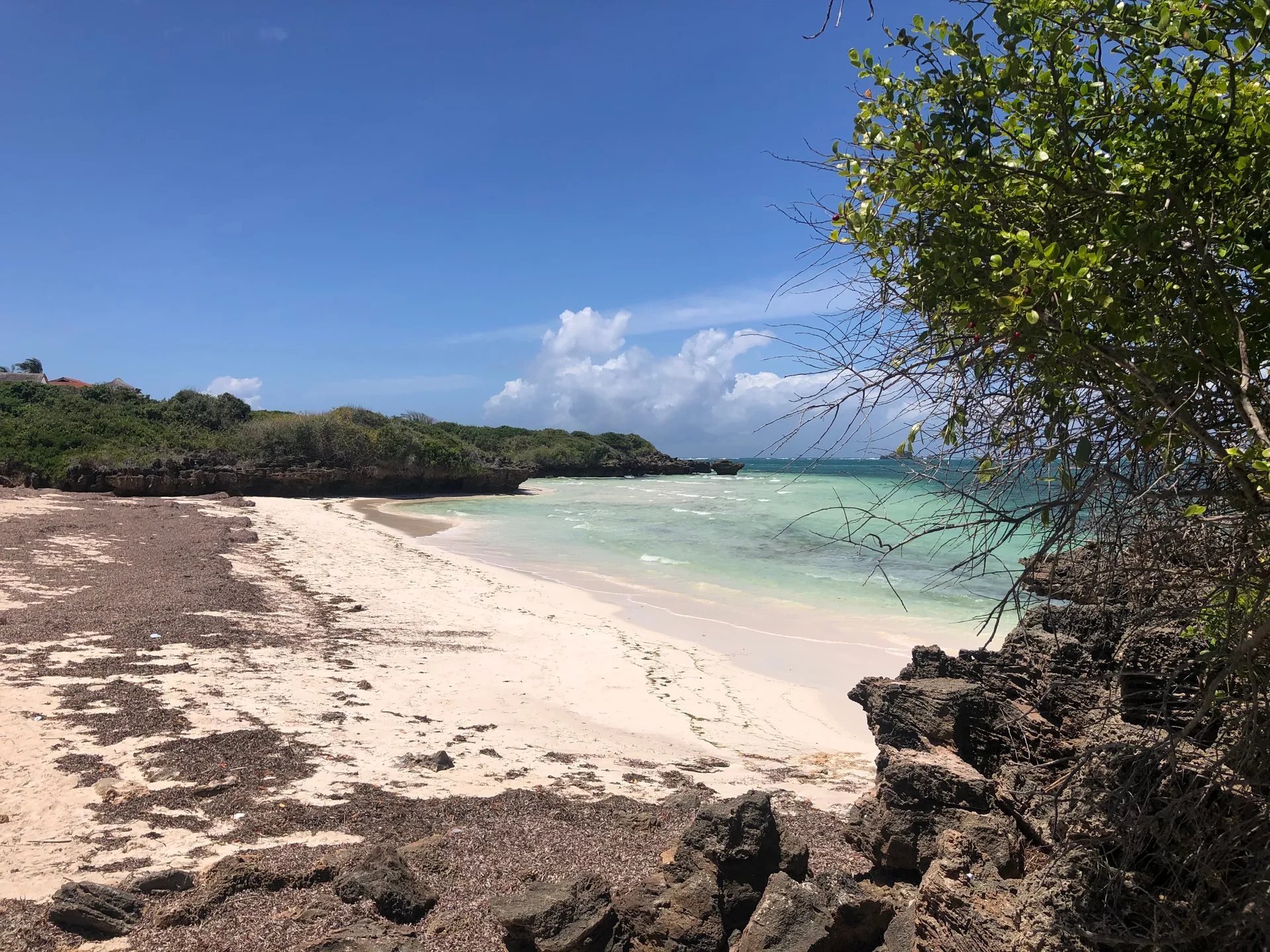
A biodiversity hotspot with a range of species found nowhere else on the planet, Madagascar is truly a unique place to visit. Avenues of Baobabs teeming with lemurs, golden sandy beaches washed by the Indian Ocean, dense rainforest and culture influenced by Africa, the Indian Ocean and beyond make Madagascar a fascinating mix which is well worth discovering.
From its bustling capital, Antananarivo, to island hopping past marine reserves and coral reefs, come on one of our Madagascar tours and discover your inner naturalist today.


Your tour of Madagascar is just a phone call away
Call our Travel Specialists today on 01732 809 181
Start planning your next adventure: View Madagascar tours
Your Madagascar Questions Answered
Find out more about visiting Madagascar with the answers to these frequently asked questions.
We're here to help
Madagascar’s cuisine is a mix of African, French, and Asian influences, with rice as a staple. Popular dishes include zebu (beef), seafood, and fresh fruit. Street food such as sambos (savoury pastries) and mofo gasy (fried dough) are also common.
It is generally safe to eat food in Madagascar, especially at reputable restaurants and hotels. As with any destination, it’s a good idea to stick to fresh, well-cooked food and drink bottled water.
Yes, travel insurance is highly recommended. It provides coverage for medical emergencies, trip cancellations, and lost luggage, ensuring peace of mind during your travels.
Madagascar’s must-see attractions include the Avenue of the Baobabs, the unique wildlife within the National Parks, and the stunning beaches of Nosy Be. The National Park and the pristine rainforests of Ranomafana is also not to be missed.
In Madagascar, it’s important to greet people respectfully, often with a handshake or a bow of the head. It’s customary to dress modestly, especially in rural areas, and to remove shoes when entering certain sacred sites.
Pack lightweight, breathable clothing for the warm weather, but also bring layers for cooler evenings. Sturdy shoes are recommended for hiking and exploring, and don’t forget sunscreen, insect repellent, and a hat.
The best time to visit Madagascar is during the dry season, from April to November. The weather is pleasant for outdoor activities, wildlife viewing, and exploring the island’s unique landscapes.
Madagascar is generally safe for tourists, though like in any destination, it’s wise to take precautions. Keep your belongings secure, avoid walking in isolated areas after dark, and be cautious in crowded places.
The official languages of Madagascar are Malagasy and French. While English is not widely spoken outside of the tourist areas, learning a few basic phrases can be helpful.
The currency used in Madagascar is the Malagasy Ariary (MGA). Credit cards are accepted in major cities, but it's advisable to carry cash, especially when visiting rural areas or local markets.
PLAN YOUR TRIP
Your guide to visiting Madagascar
Popular Destinations in Madagascar
Madagascar is a land of otherworldly landscapes, rare wildlife, and vibrant cultures. From baobab-lined avenues to rainforest-covered hills and dramatic sandstone canyons, our escorted tours reveal the island’s most iconic and enchanting highlights.
Antananarivo
The capital city, often called Tana, is a lively blend of history and modernity. Explore colonial architecture, bustling markets, and hillside neighbourhoods. Visit the Queen’s Palace and Ambohimanga, a UNESCO World Heritage site that offers insight into Malagasy royalty and traditions.
Baobab Forest
Reniala Reserve boasts a surreal stretch of ancient baobab trees and is one of Madagascar’s most photographed spots. The towering trunks rise from the dusty road, creating a magical and otherworldly atmosphere.
Ranomafana National Park
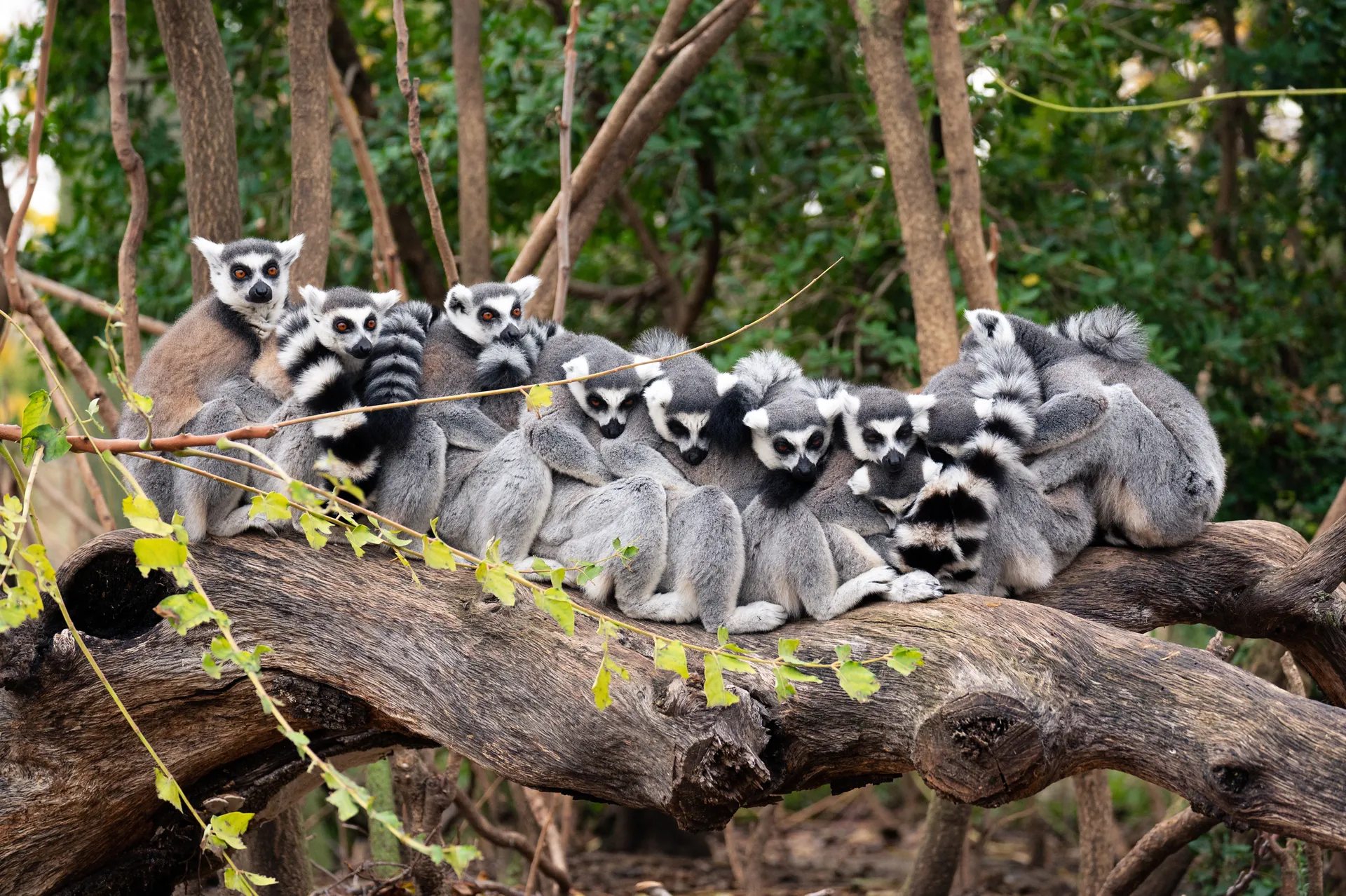
A biodiversity hotspot in southeastern Madagascar, Ranomafana is a lush rainforest teeming with endemic wildlife. Spot golden bamboo lemurs, colourful chameleons, and rare orchids on guided treks through misty jungle trails.
Isalo National Park
Known for its dramatic sandstone formations, deep canyons, and natural swimming pools, Isalo offers a striking contrast to Madagascar’s rainforests. Hike through desert-like landscapes, discover sacred burial sites, and cool off in hidden oases.
Best Time to Visit Madagascar
Madagascar has a tropical climate with distinct wet and dry seasons. The best time to visit is April to November, during the dry season when wildlife viewing and outdoor activities are at their peak.
Spring (September – November)
This is a vibrant time when wildlife is highly active and the landscapes are lush and green. It’s perfect for birdwatching, botanical walks, and exploring Madagascar’s unique ecosystems.
Autumn & Winter (April – August)
These cooler, drier months are excellent for scenic drives, and wildlife spotting. July and August are especially popular for lemur sightings, as many species are more visible and active.
Food & Drink in Madagascar
Malagasy cuisine is a fusion of African, Asian, and French influences, with rice as a staple and flavours that reflect the island’s diverse cultures.
Must-Try Dishes:
Romazava – A hearty stew made with beef or zebu, leafy greens, and aromatic herbs. Traditionally served with rice, it’s considered Madagascar’s national dish.
Ravitoto – Tender pork simmered with crushed cassava leaves, offering a rich, earthy flavour that’s deeply comforting.
Mofo Gasy – Light and sweet rice flour pancakes, often enjoyed for breakfast with a cup of Malagasy coffee. A beloved street food.
Lasary – A zesty vegetable salad made with carrots, cabbage, or green beans, dressed in vinegar and spices. Perfect as a side dish or snack.
Koba – A sticky dessert made from banana, peanut, and rice flour, wrapped in banana leaves.
Try ranon’ampango (toasted rice water), litchel (lychee liqueur), and local rum, often infused with tropical fruits or spices.
Tips for Planning Your Madagascar Tour
Madagascar is vast and varied—think about what kind of experience you’re after. Whether it’s tracking lemurs in the rainforest, hiking through sandstone canyons, or photographing baobabs at sunset, our itineraries are crafted to showcase the island’s natural wonders and cultural richness.
The dry season (April to November) is a fantastic time to explore Madagascar. With clear skies and vibrant wildlife, it’s perfect for outdoor adventures. While some roads can be rugged, guided tours offer a smooth and enriching experience - combining comfort, safety, and the invaluable insight of local experts.
Our escorted tours provide a seamless way to explore Madagascar’s unique biodiversity and welcoming communities. With expert guides, curated routes, and thoughtful logistics, you’ll gain a deeper appreciation for this extraordinary island.