Kenya Escorted Tours
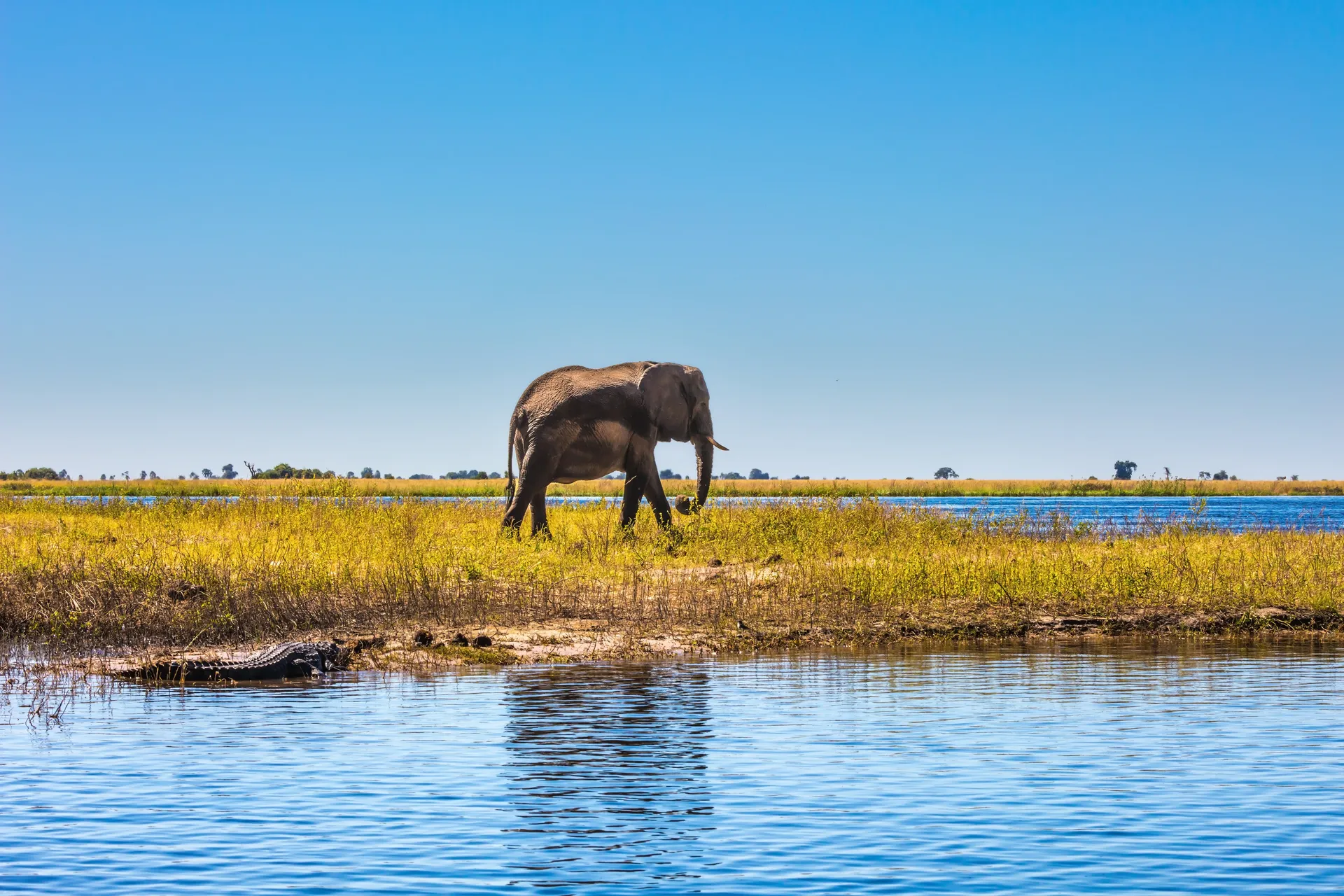
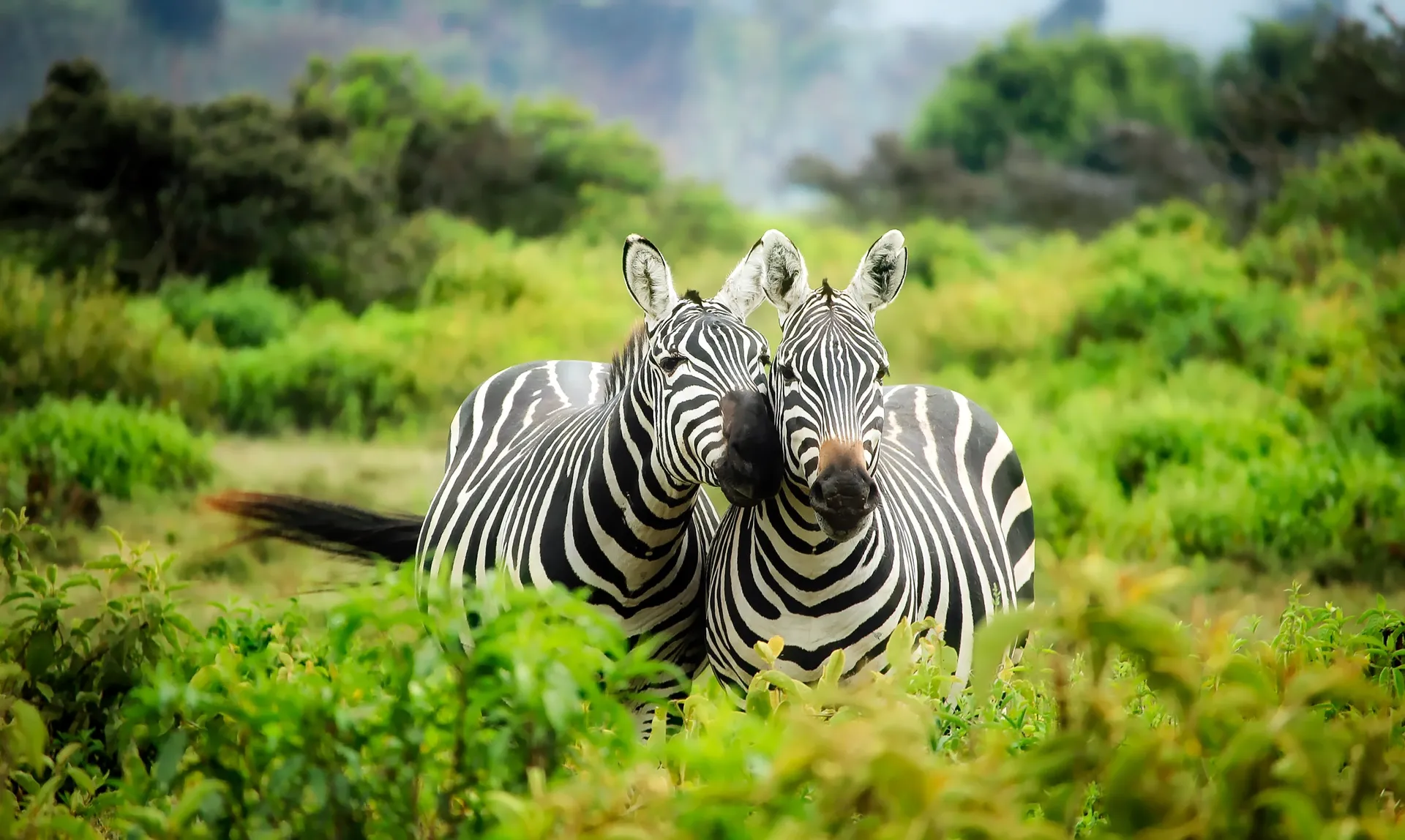
Experience the untamed beauty of Africa on one of our exhilarating Kenya escorted tours, designed to immerse you in the heart of the wild. Feel the thrill as you journey along rugged pathways and winding trails, listening to the mighty roar of the wilderness while searching for iconic wildlife such as lions, elephants, giraffes, and zebras. Kenya’s captivating landscapes, from rolling grasslands to vast open savannahs, are sure to leave you breathless.
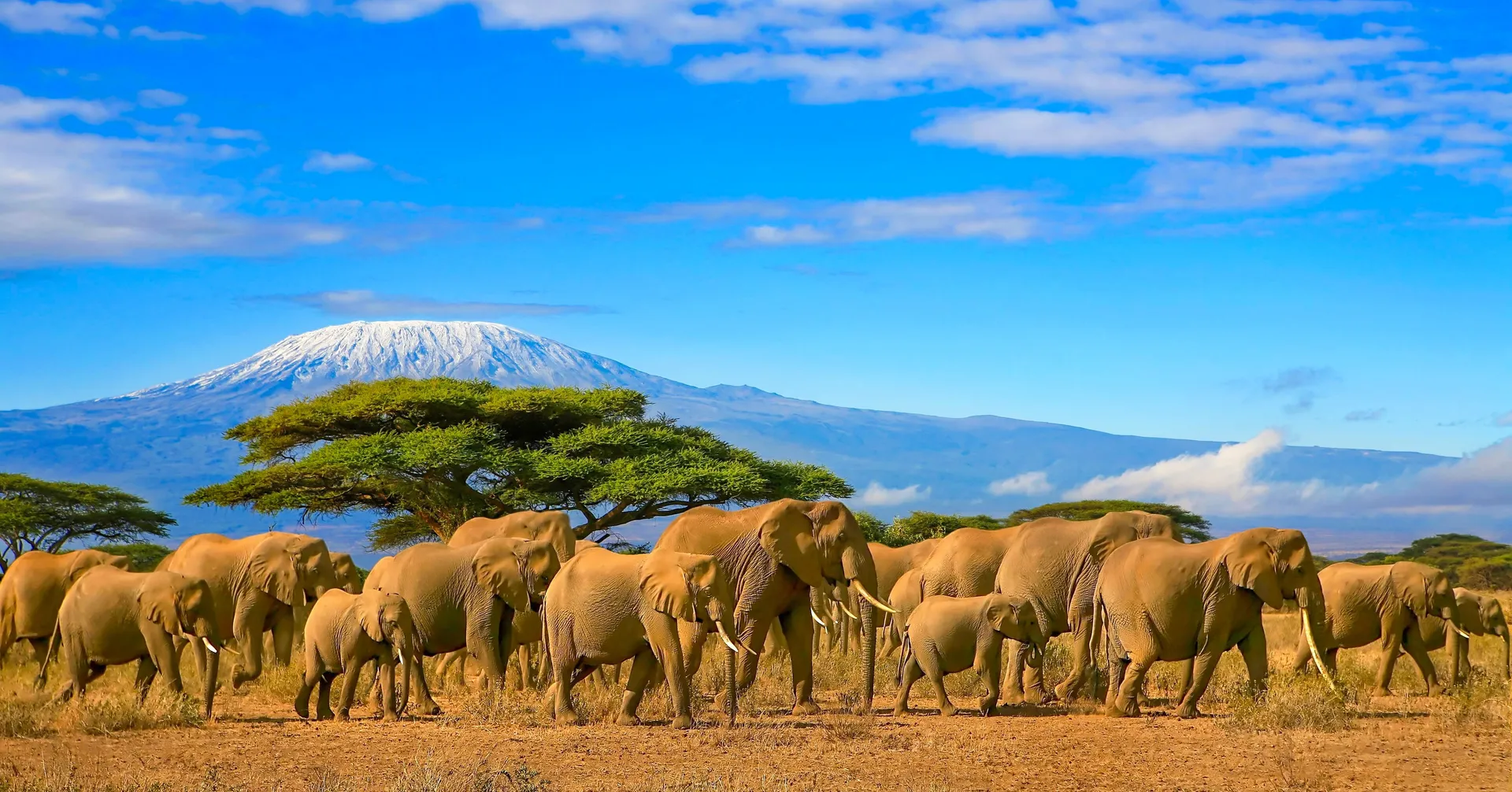
Our Kenya escorted tours offer more than just game drives; they provide a deeper connection to the land, its people, and its rich cultural heritage. Visit renowned national parks like the Maasai Mara, Amboseli, and Lake Nakuru, where expert guides share insights into the region’s ecology and traditions. Witness the Great Migration, marvel at Mount Kilimanjaro’s silhouette, and enjoy unforgettable sunsets over the African plains.


Your tour of Kenya is just a phone call away
Call our Travel Specialists today on 01732 809 181
Start planning your next adventure: View Kenya tours
Where possible we have secured a limited number of places without a single Supplement on each escorted tour. These are strictly subject to availability and once they are all booked a supplement will apply.
All of our English speaking local guides are passionate about their country and will accompany you from the moment you arrive in your destination, throughout your escorted tour and right until your departing flight home.
All the hotels chosen for these escorted tours have been personally sourced and inspected by us. We pride ourselves on offering you comfortable, handpicked accommodation in some of the best locations around the world.
Once you have booked, we will send you a comprehensive dossier with all your accommodation details, flight and airport information, country advice and other useful tips such as what to pack and luggage allowance.
Your Kenya Questions Answered
Find out more about visiting Kenya with the answers to these frequently asked questions.
We're here to help
Kenyan cuisine features staples like nyama choma (grilled meat), ugali (maize porridge), and sukuma wiki (stir-fried greens). With influences from Indian and Swahili cooking, there’s a variety of flavours to suit every taste.
It is generally safe to eat food in Kenya, especially at reputable restaurants and hotels. As with any destination, it’s a good idea to stick to fresh, well-cooked food and drink bottled water.
Yes, travel insurance is highly recommended. It provides coverage for medical emergencies, trip cancellations, and lost luggage, ensuring peace of mind during your travels.
Kenya’s must-see attractions combine wildlife and beach adventures. The Maasai Mara National Reserve offers unmatched wildlife viewing, while Amboseli National Park has spectacular views of Mount Kilimanjaro.
For a beach escape, Mombasa and Diani Beach provide beautiful coastal settings with activities like snorkelling, diving, and dolphin spotting. From these coastal hubs, visitors can also explore Nairobi’s national park, the Great Rift Valley lakes, and nearby cultural sites for a well-rounded holiday experience blending relaxation with adventure.
In Kenya, greetings are important, and it’s polite to shake hands. Dress modestly, especially in rural areas, and always ask for permission before taking photos of people. It’s also customary to show respect for local customs and elders.
Pack lightweight, breathable clothing for the day, as well as warmer layers for the evenings. Don't forget beachwear if visiting Kenya's stunning coast. Neutral colours are recommended for any safari activities with a wide-brimmed hat, sunscreen, insect repellent, and comfortable walking shoes.
The best times to visit Kenya are during the dry seasons, from January to March and June to October. These months are ideal for safaris and wildlife viewing, especially the Great Migration in the Maasai Mara from July to September.
Kenya is generally safe for tourists, particularly in popular areas like Nairobi, Mombasa, and national parks. Standard travel precautions are advised, such as avoiding isolated areas at night and keeping valuables secure.
Kenya has two official languages: English and Swahili. English is widely spoken in tourist areas, and learning a few Swahili phrases, like "jambo" (hello), can be a great way to connect with locals.
The currency used in Kenya is the Kenyan Shilling (KES). Credit cards are widely accepted in major cities and tourist areas, but carrying cash is advisable for smaller towns and markets.
PLAN YOUR TRIP
Your guide to visiting Kenya
Popular Destinations in Kenya
Kenya is a land of sweeping savannahs, dramatic highlands, and vibrant cultures. From world-famous wildlife reserves to coastal charm and ancient traditions, our escorted tours take you through the country’s most unforgettable highlights.
Nairobi
Kenya’s bustling capital is a gateway to adventure and a city full of contrasts. Explore the Giraffe Centre, and learn about conservation at the David Sheldrick Wildlife Trust. Nairobi’s lively markets, colonial history, and green spaces offer a dynamic introduction to the country.
Maasai Mara
One of Africa’s most iconic safari destinations, the Maasai Mara is home to the Big Five and the spectacular Great Migration. Rolling plains, acacia trees, and golden sunsets set the scene for unforgettable game drives. Meet the Maasai people, whose traditions and hospitality are woven into the landscape.
Lake Nakuru & the Rift Valley
Nestled in the dramatic Great Rift Valley, Lake Nakuru National Park is famous for its flocks of flamingos, rhinos, and scenic views. The surrounding region offers volcanic lakes, escarpments, and geothermal springs—perfect for nature lovers and photographers.
Mombasa & the Coast
Kenya’s Indian Ocean coastline blends Swahili culture with tropical beauty. Explore Mombasa’s Old Town, with its Arab, Portuguese, and British influences, and relax on white-sand beaches like Diani and Watamu. Coral reefs, spice markets, and dhow cruises make the coast a vibrant contrast to the inland plains.
Best Time to Visit Kenya
Kenya’s climate varies by region, but the most pleasant times to visit are January to March and June to October, when the weather is dry and ideal for safaris and sightseeing.
Dry Season (January – March & June – October)
Clear skies and warm days make this the best time for wildlife viewing, especially in the Maasai Mara and Amboseli. Animals gather around water sources, and the Great Migration peaks between July and September.
Wet Season (April – May & November – December)
Rainfall brings lush landscapes and fewer tourists. While some roads may be muddy, birdlife is abundant, and parks are quieter. Coastal areas remain warm and inviting year-round, with occasional tropical showers.
Food & Drink in Kenya
Kenyan cuisine is hearty, flavourful, and rooted in local traditions. Meals often feature grilled meats, stews, and fresh vegetables, with influences from Indian, Arab, and British cooking.
Must-Try Dishes:
Nyama Choma – Grilled meat, usually goat or beef, served with spicy sauces and sides. A social staple across Kenya.
Ugali – A dense maize flour porridge, served with meat, vegetables, or stew. Simple, filling, and central to Kenyan meals.
Sukuma Wiki – Sautéed collard greens, often served with ugali and meat.
Chapati – Soft, flaky flatbread with Indian roots, perfect for scooping up stews and sauces.
Samaki wa Kupaka – Coconut-marinated fish, popular along the coast.
Try chai (spiced tea), fresh mango or passion juice, or Tusker beer, Kenya’s iconic lager. Dawa, a cocktail of honey, lime, and vodka, is a popular sundowner drink.
Tips for Planning Your Kenya Tour
Our itineraries are designed to showcase the country’s most iconic highlights, combining wildlife, landscapes, and local traditions.
The most comfortable times to visit—January to March and June to October—are also the best for game viewing, with dry weather and excellent chances of spotting wildlife. These months are popular, so early booking is recommended. If you’re travelling during the green season, expect lush scenery, fewer crowds, and great birdwatching opportunities.
Our escorted tours in Kenya offer a seamless and enriching way to explore Kenya’s diverse regions. With expert guides, thoughtfully planned routes, and local insight, you’ll enjoy a deeper connection to the country’s people, wildlife, and natural beauty.