Africa Escorted Tours
Africa is a continent of immense diversity, rich in history, culture, and natural beauty. This area encompasses 54 independent countries, each offering unique experiences and attractions. From the ancient pyramids of Egypt to the vibrant markets of Morocco, Africa provides a wide array of experiences that cater to every type of traveller.
Best Regions to Visit in Africa
South Africa
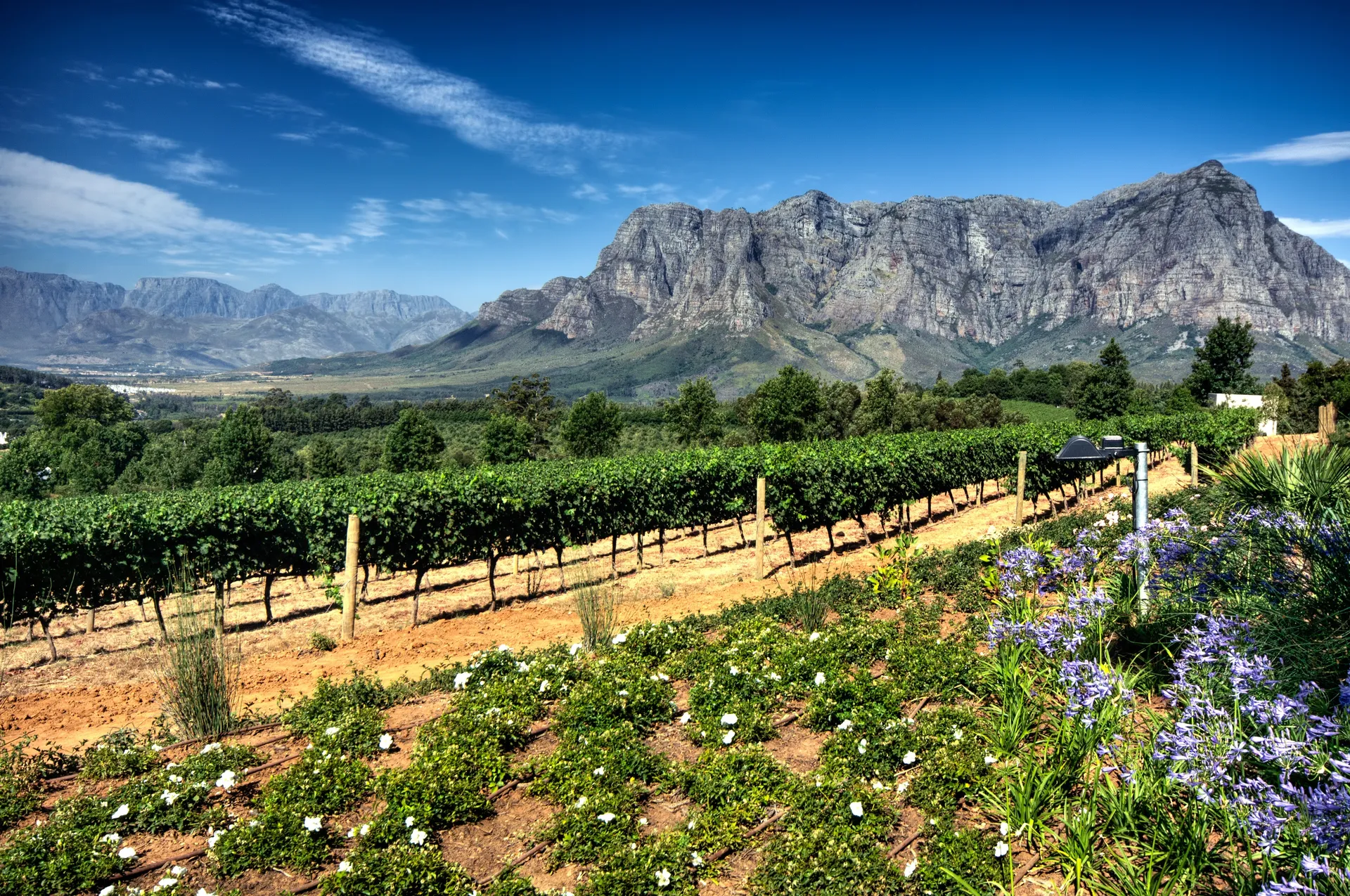
Cape Town: Nestled between the iconic Table Mountain and the Atlantic Ocean, Cape Town boasts beautiful beaches, a vibrant waterfront, and a rich cultural scene.
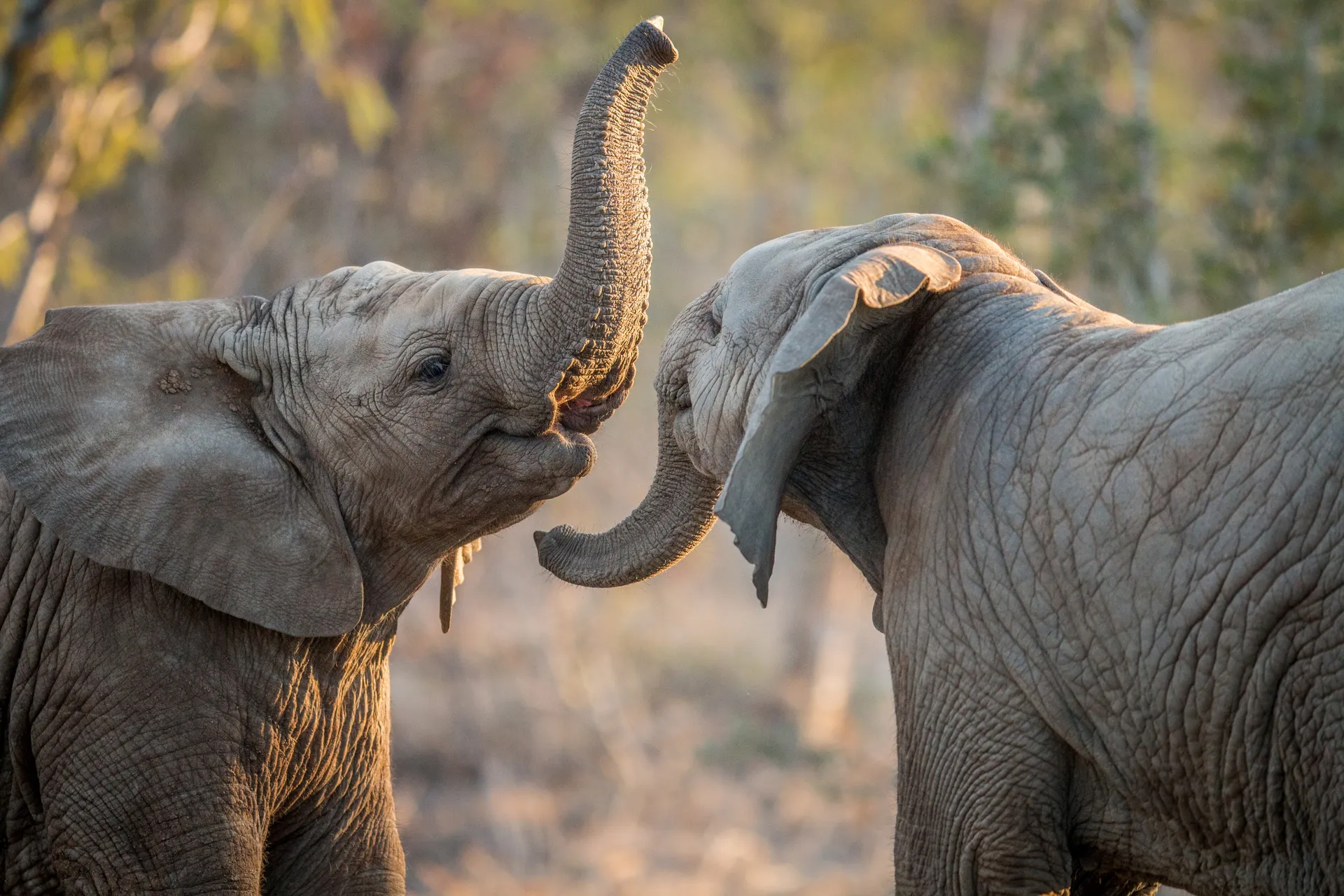
Kruger National Park: One of Africa's largest game reserves, Kruger offers incredible wildlife viewing opportunities, including the Big Five (lion, leopard, elephant, buffalo, and rhino).
Egypt
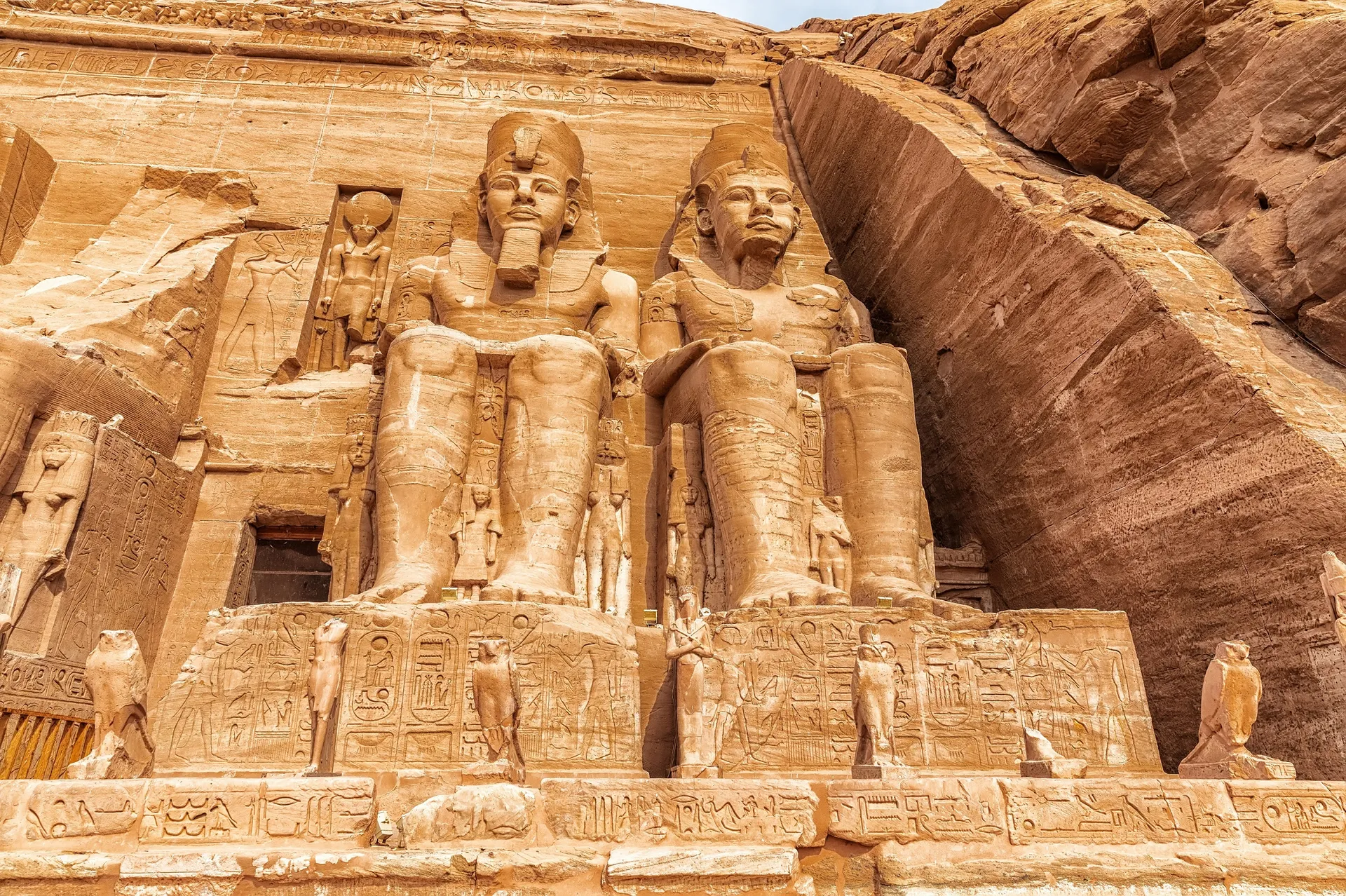
Cairo: Egypt's bustling capital is home to the awe-inspiring Pyramids of Giza, the enigmatic Sphinx, and the extensive collections of the Egyptian Museum.
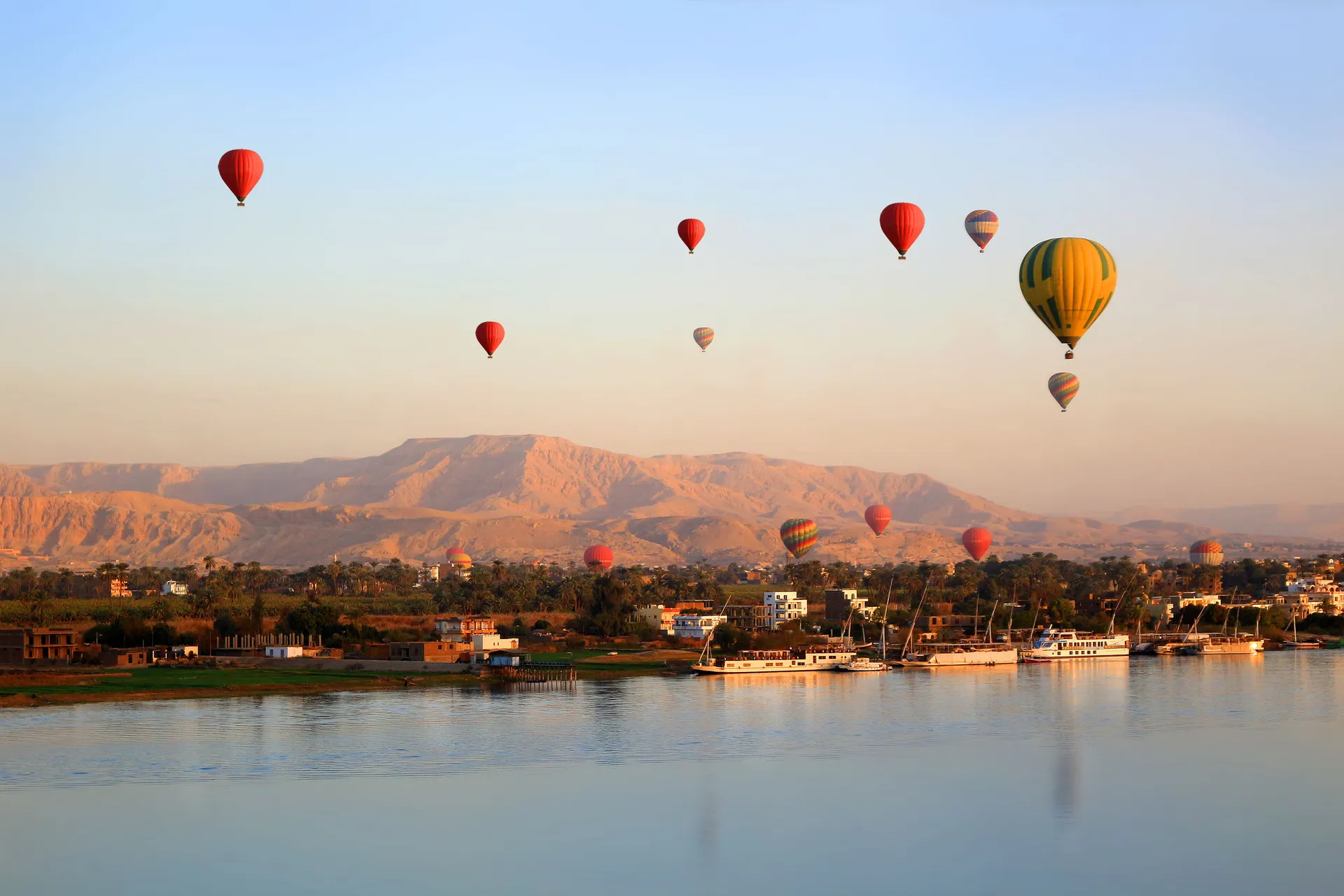
Luxor: Often referred to as the world's greatest open-air museum, Luxor is renowned for its ancient temples, including Karnak and Luxor Temple, and the Valley of the Kings.
Morocco
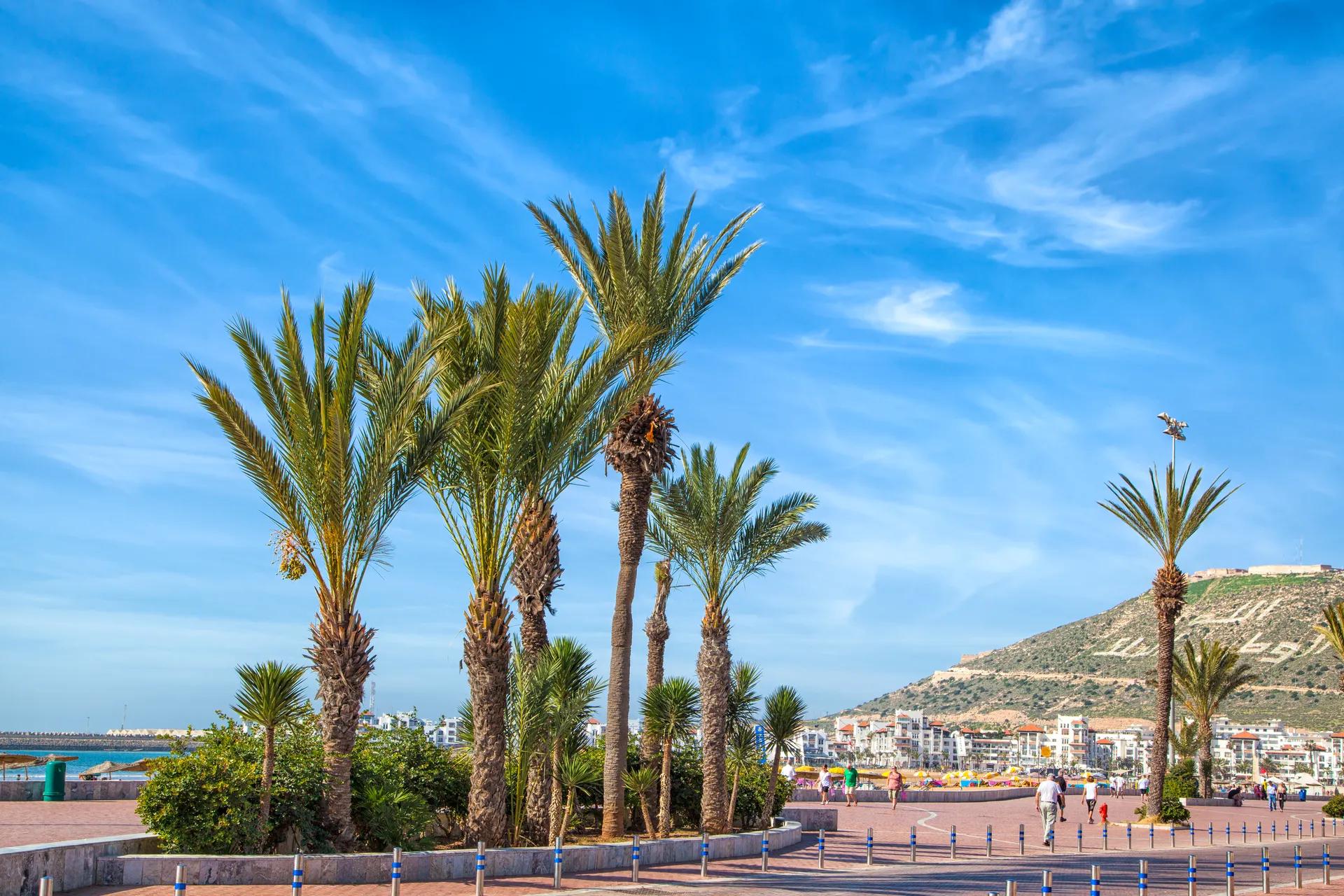
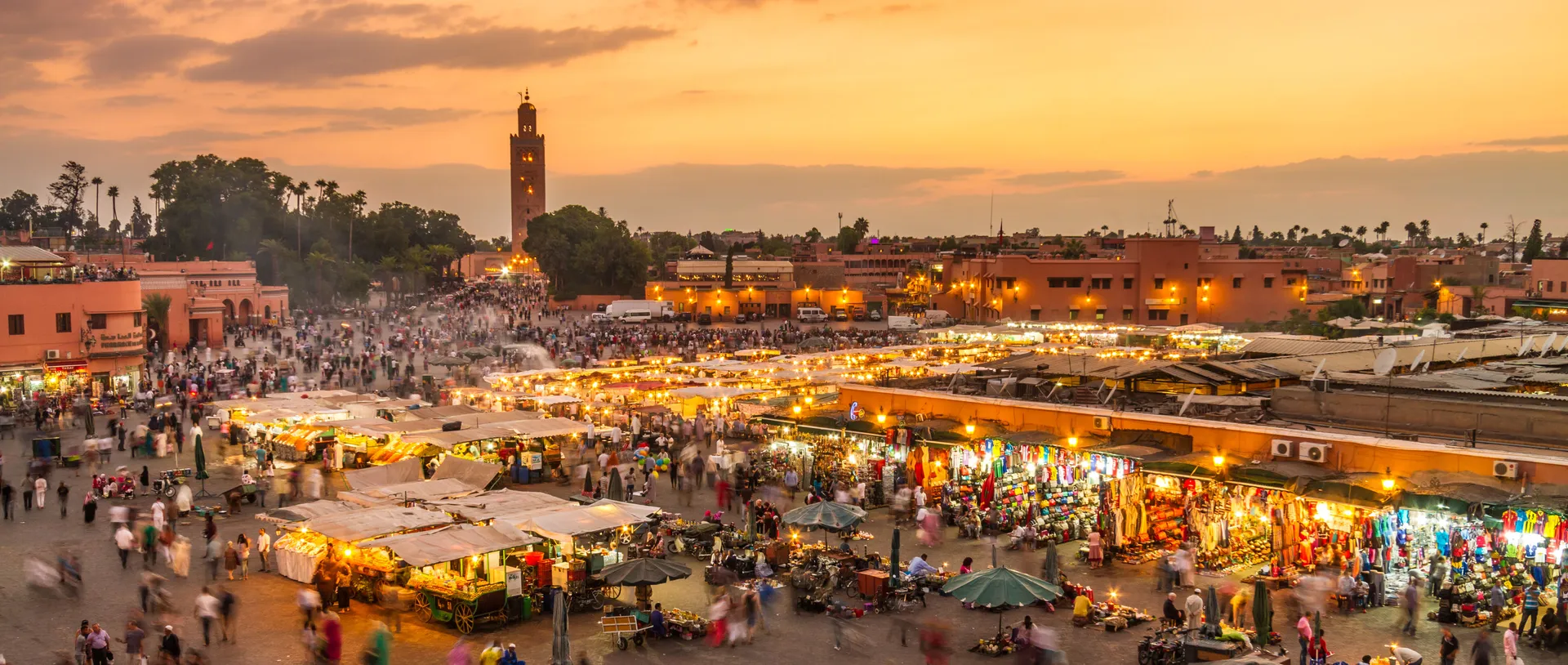
Marrakech: Known for its vibrant souks, historic palaces like the Bahia Palace, and the lively Jemaa el-Fnaa square, Marrakech is a sensory delight.
Fes: Famous for its well-preserved medieval architecture, Fes is home to the world's oldest university, Al Quaraouiyine, and bustling markets.
Chefchaouen: The world-famous ‘Blue City’ also known as Morocco’s ‘Blue Pearl’. Famous for its blue-washed buildings, narrow alleys, colourful souks and laid-back charm.
Kenya
Nairobi: Kenya's capital offers a unique blend of urban and wildlife experiences, with attractions like the Nairobi National Park and the David Sheldrick Wildlife Trust.
Maasai Mara: This renowned game reserve is famous for its abundant wildlife and the spectacular annual migration of wildebeest and zebras.
Tanzania
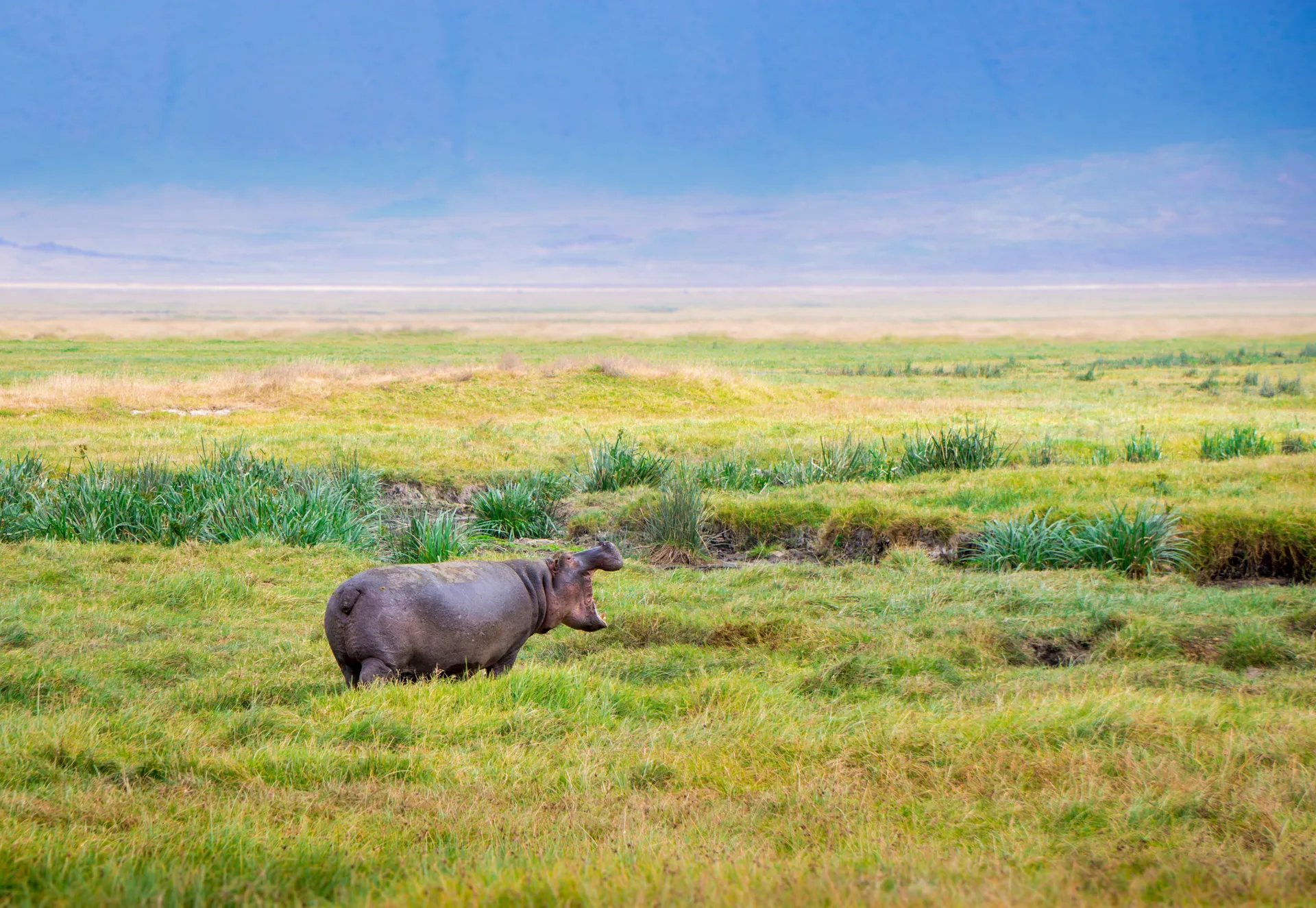
Serengeti National Park: Known for its vast savannahs and incredible wildlife, including the Big Five, the Serengeti is a prime safari destination.
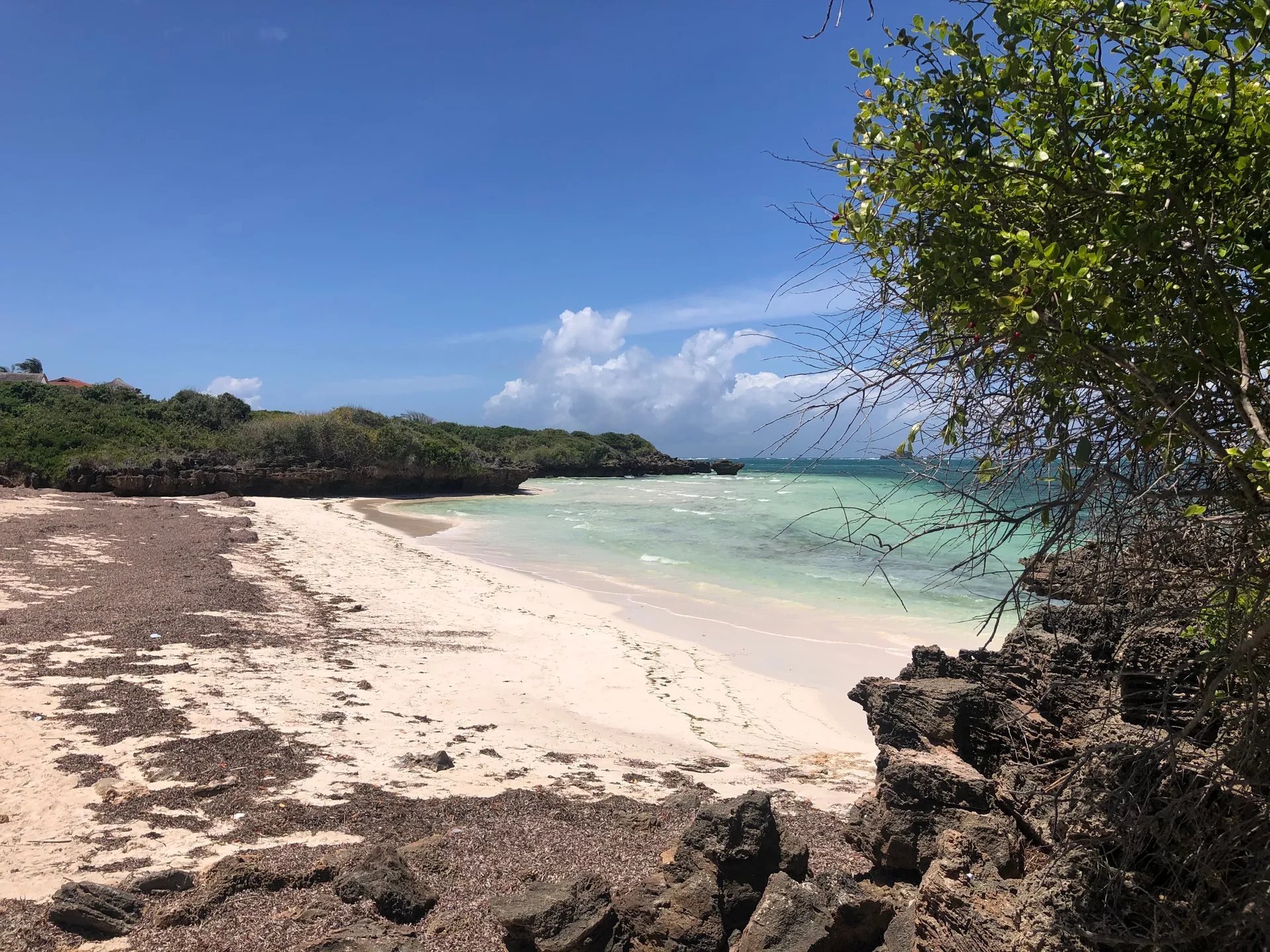
Zanzibar: This beautiful island offers pristine beaches, the historic Stone Town, and lush spice plantations.
Namibia
Windhoek: The capital city combines modernity with traditional Namibian culture, featuring attractions like the Christuskirche and the National Museum.
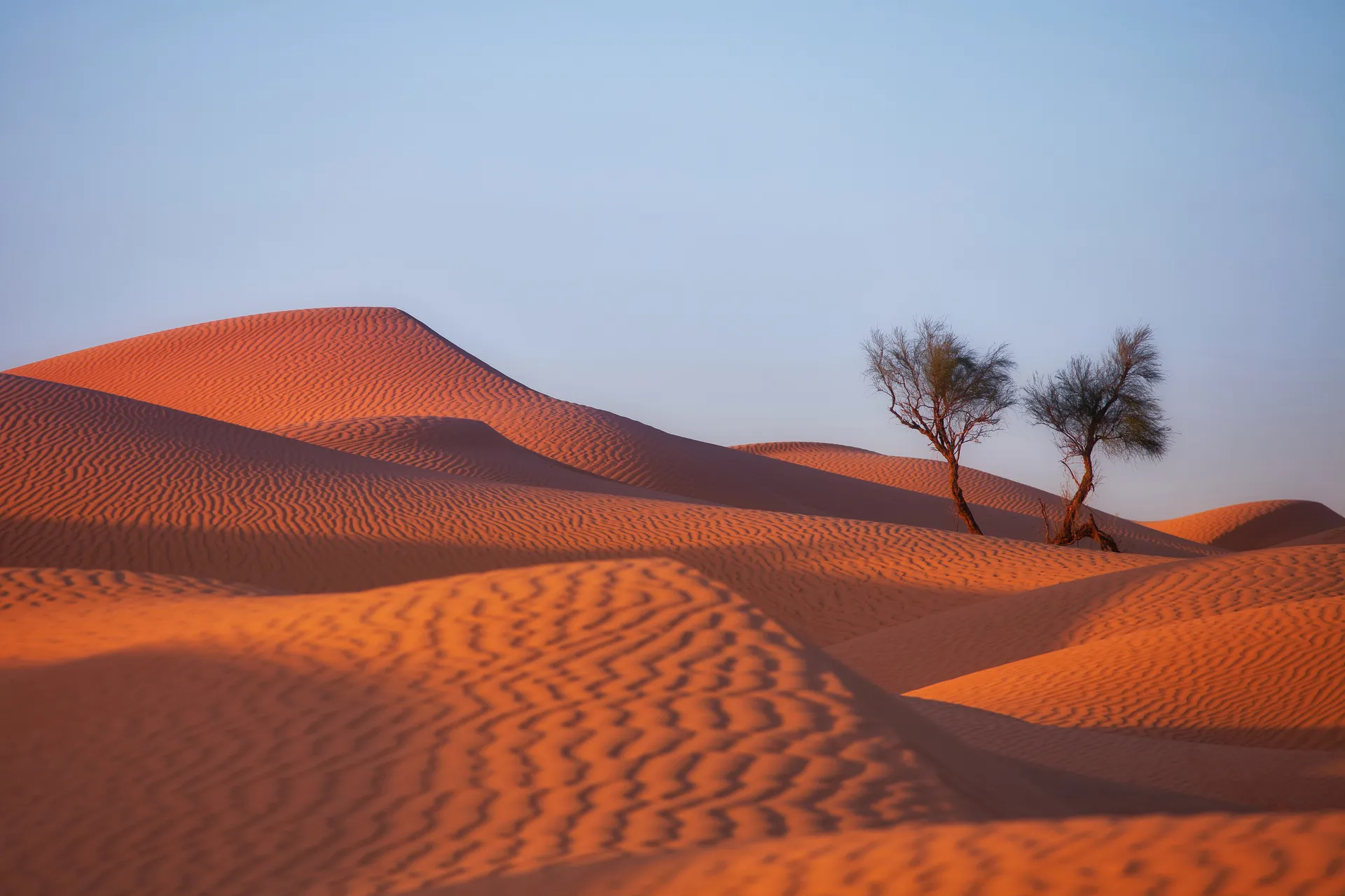
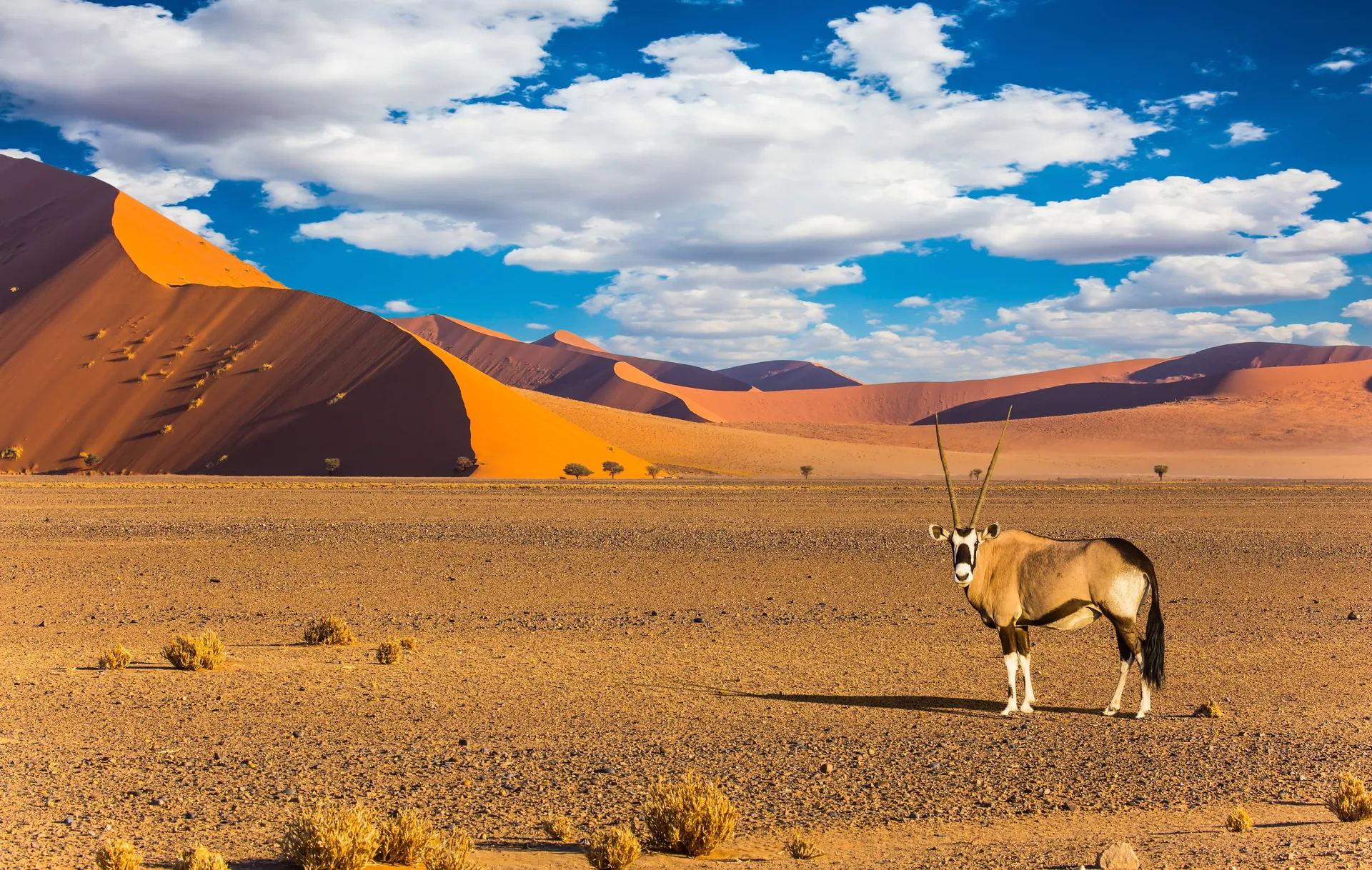
Sossusvlei: Famous for its stunning red sand dunes and unique desert landscapes, Sossusvlei is a photographer's paradise.
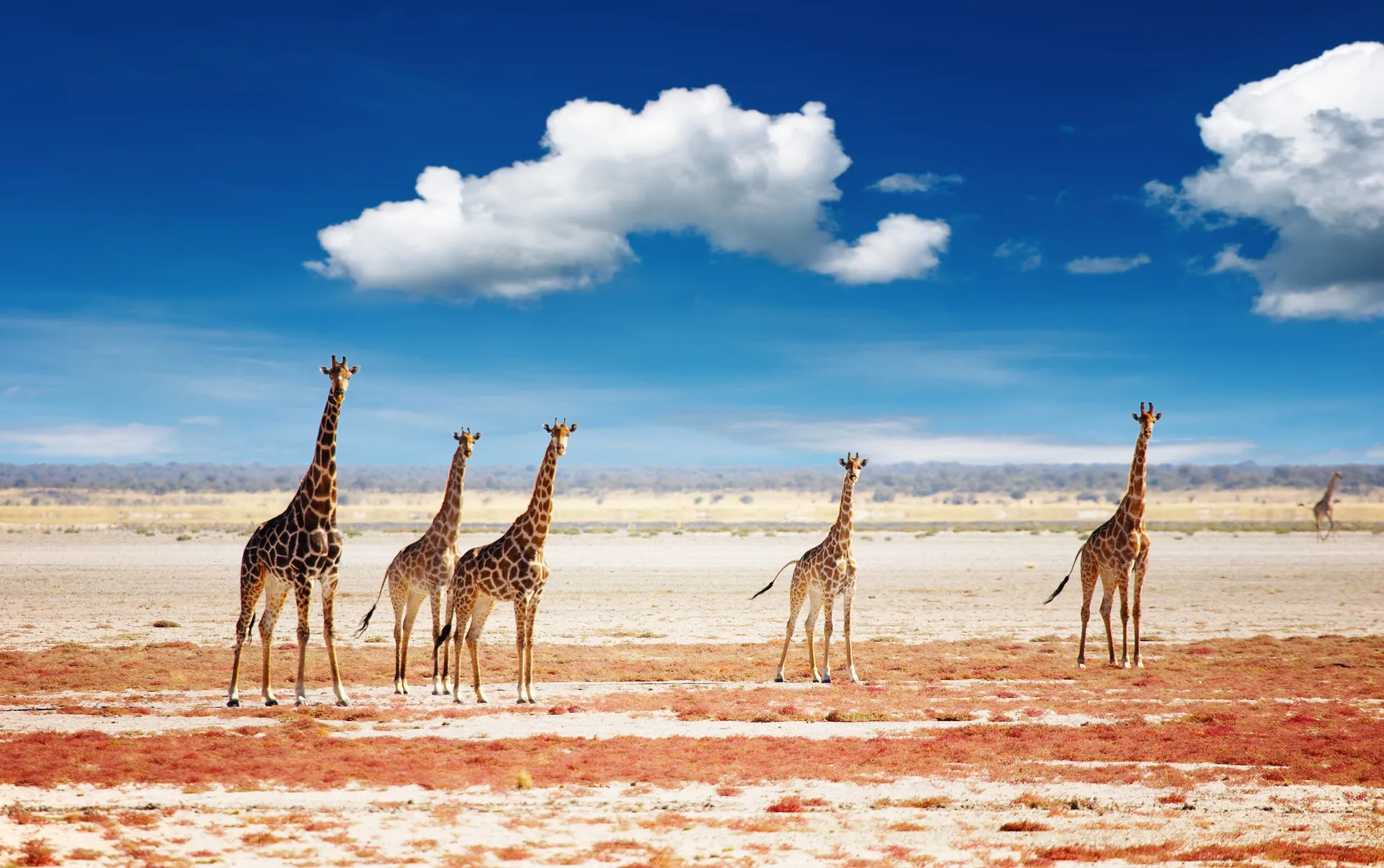
Etosha: Renowned for its remarkable diversity of wildlife - including lions, elephants, rhinos and leopards—and its striking, ever‑changing scenery, ranging from shimmering, mineral-rich pans to dense mopane woodlands.
Botswana
Okavango Delta: A unique inland delta, the Okavango offers incredible wildlife viewing and water-based safari experiences.
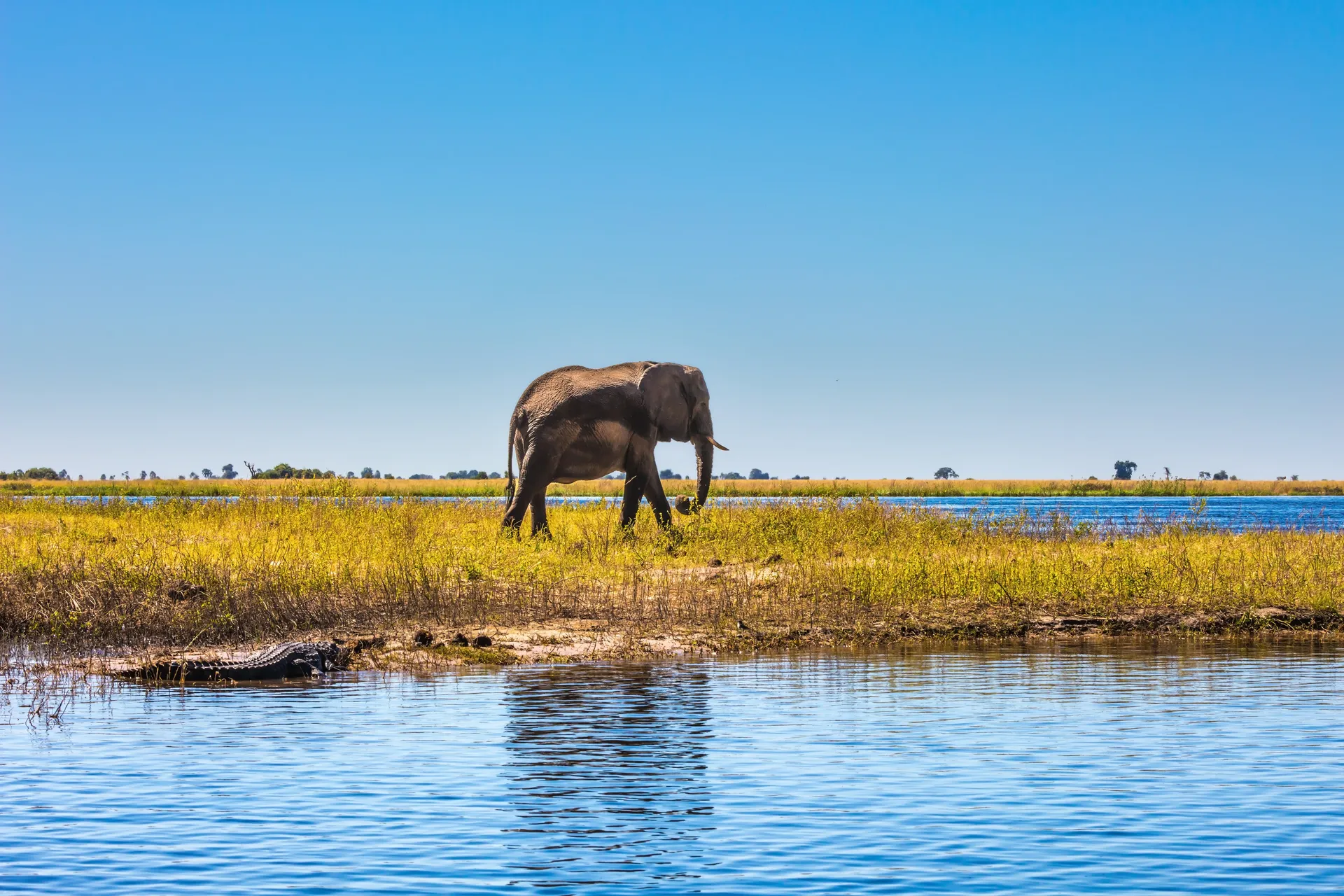
Chobe National Park: Known for its large elephant population and diverse wildlife, Chobe is a must-visit for nature enthusiasts.
Madagascar
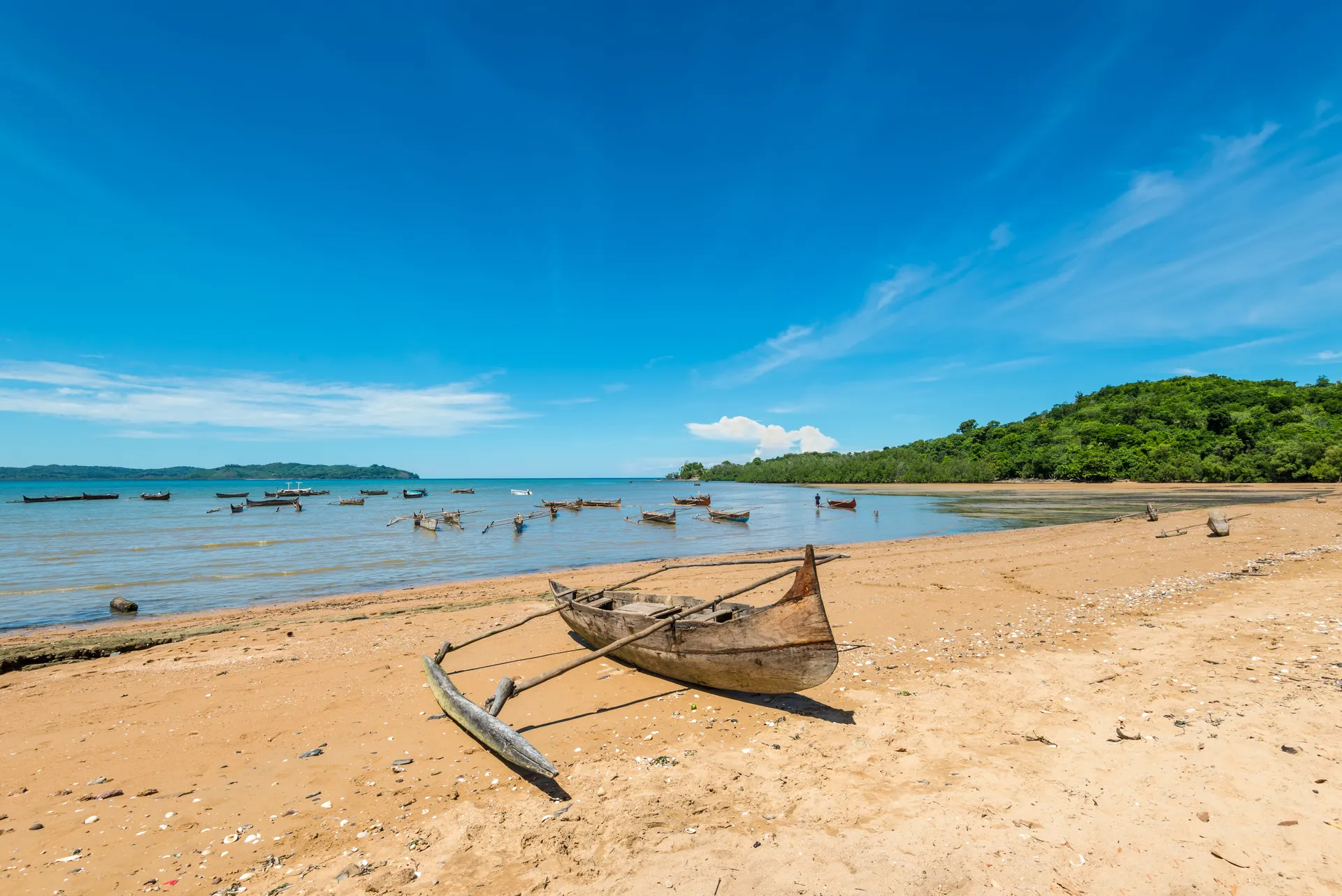
Antananarivo: The capital city offers a rich mix of history and culture, with attractions like the Rova of Antananarivo and bustling local markets.
Best Time to Visit Africa
The best time to visit varies by region, but here’s a general guide:
Winter (June to August): Ideal for visiting South Africa and Namibia, with cooler temperatures making it comfortable for sightseeing and outdoor activities.
Spring (September to November): Perfect for exploring Egypt and Morocco, as the weather is warm and pleasant, making it great for cultural and historical tours.
Summer (December to February): Great for visiting Kenya and Tanzania, with warm weather ideal for safari experiences and beach activities.
Autumn (March to May): A good time to visit Africa, with fewer crowds and comfortable temperatures for exploring cultural sites and cities.
Africa's diverse landscapes and rich cultural heritage make it a destination worth exploring year-round, offering something special in every season.
Destinations to explore
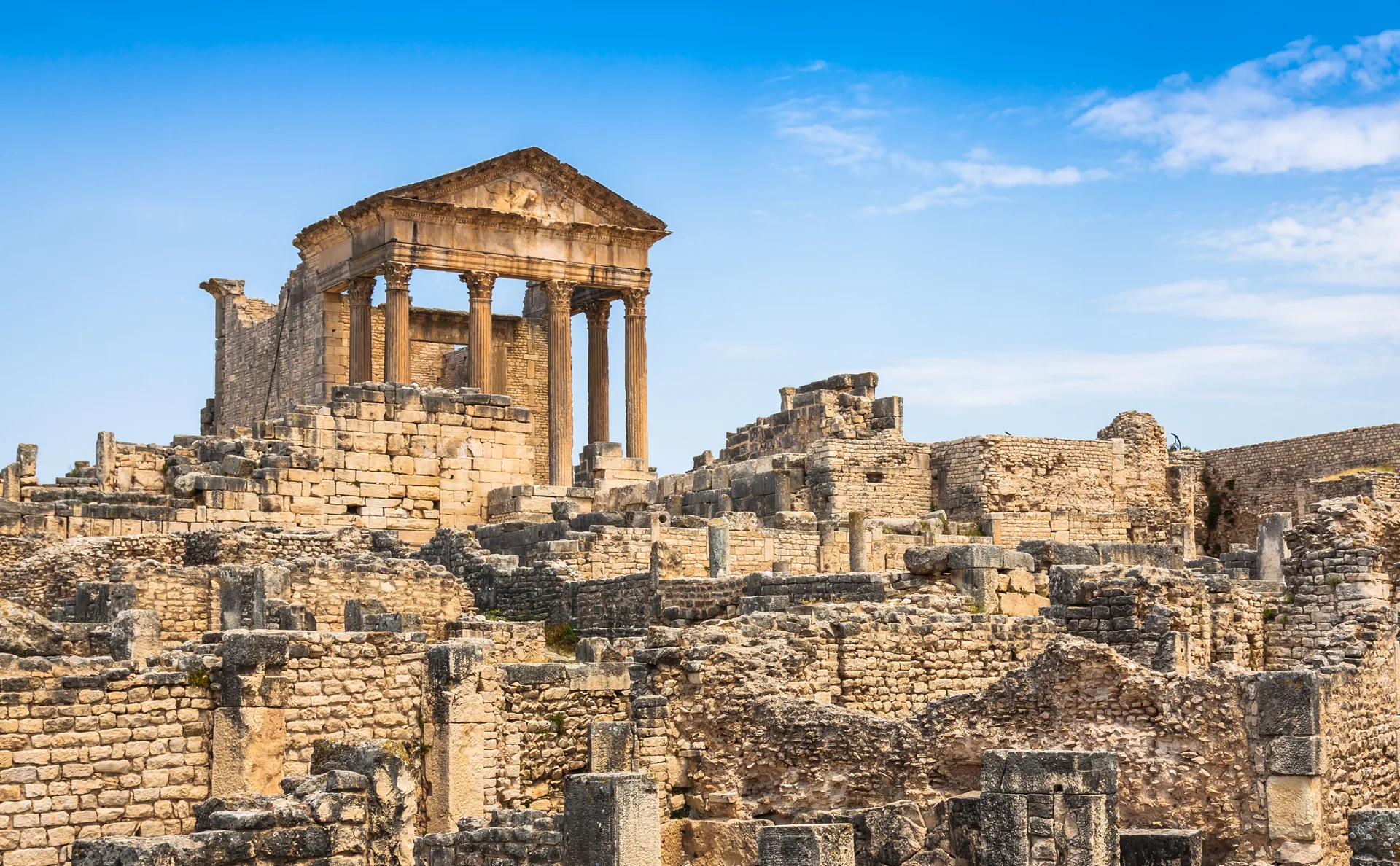
Africa is a continent known for its rich history, diverse cultures, and stunning landscapes. From vibrant cities to serene savannahs, it offers a unique blend of tradition and modernity, making it a captivating destination for travellers.
Where possible we have secured a limited number of places without a single Supplement on each escorted tour. These are strictly subject to availability and once they are all booked a supplement will apply.
All of our English speaking local guides are passionate about their country and will accompany you from the moment you arrive in your destination, throughout your escorted tour and right until your departing flight home.
All the hotels chosen for these escorted tours have been personally sourced and inspected by us. We pride ourselves on offering you comfortable, handpicked accommodation in some of the best locations around the world.
Once you have booked, we will send you a comprehensive dossier with all your accommodation details, flight and airport information, country advice and other useful tips such as what to pack and luggage allowance.






Your Africa Questions Answered
Find out more about visiting Africa with the answers to these frequently asked questions.
We're here to help
The best time to visit depends on the region. For safaris, the dry season (June to October) offers the best wildlife viewing. Beach destinations like Mauritius are ideal from June to November, while North Africa is best visited in spring or autumn when temperatures are more comfortable.
Respect for elders is important, and greeting people properly is valued. Modest dress is advised in conservative areas, especially in North and East Africa. Always ask before taking photos of people, and be mindful of cultural and religious customs.
A trip of at least 1-2 weeks is ideal to explore, especially if you’re including a safari or multiple regions. Longer stays allow for a deeper experience.
Africa is known for its stunning landscapes, rich cultural diversity, and incredible wildlife. Whether it’s exploring vast plains, experiencing vibrant cities, or discovering natural wonders, the continent offers a wealth of adventures and unique experiences.
Many parts of Africa are great for first-time and solo travellers, especially well-visited destinations like South Africa, Kenya, Morocco, and Tanzania. Packages holidays, tours and safaris offer a safe and structured way to explore.
Cash is still widely used, especially in rural areas, so it's good to carry local currency. ATMs are available in major cities, but it’s wise to have backup cash in case they are out of service. Credit cards are accepted in hotels and larger establishments, but always check for transaction fees.
English, French, Arabic, and Portuguese are widely spoken across different parts of Africa, depending on the country. Learning a few basic phrases in the local language, such as Swahili in East Africa or Afrikaans in South Africa, can be helpful and appreciated.
