Cambodia Escorted Tours
With a host of memorable landscapes, from the mighty Mekong River and tranquil Tonle Sap lake to the ancient temple complex of Angkor Wat, Cambodia's bustling cities contrast with its peaceful waterways and temple ruins, all of which can be explored on one of our escorted tours.
Join us for a Cambodian adventure as you wander through the crumbling temples and mighty Banyan trees of Angkor Wat, savour local crab in the markets of Kep or take in the country's grim history at the war memorials and museums of Phnom Penh. Our escorted tours of Cambodia comprise of a number of individual itineraries, with something to suit all interests.
Best places to visit in Cambodia
Siem Reap
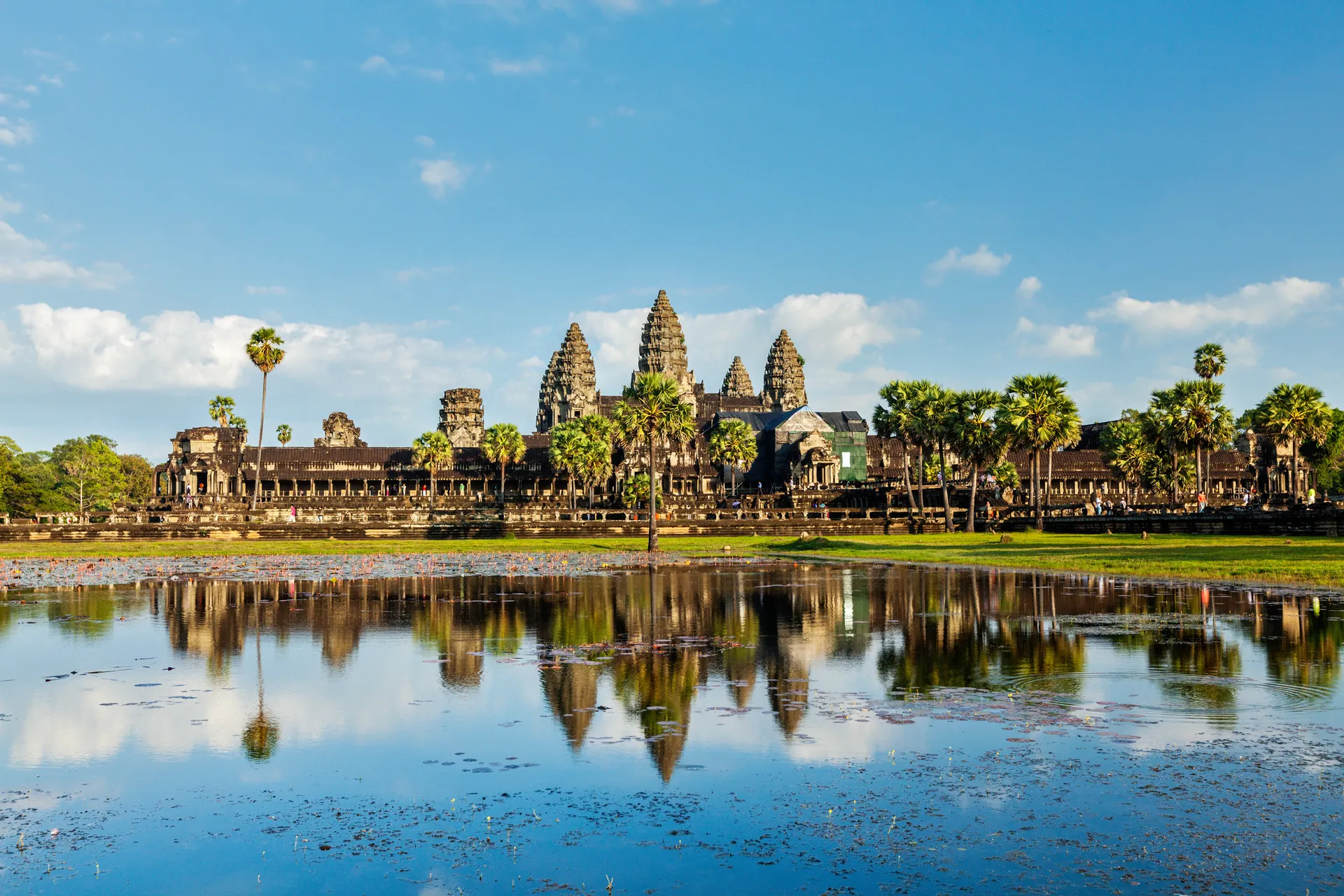
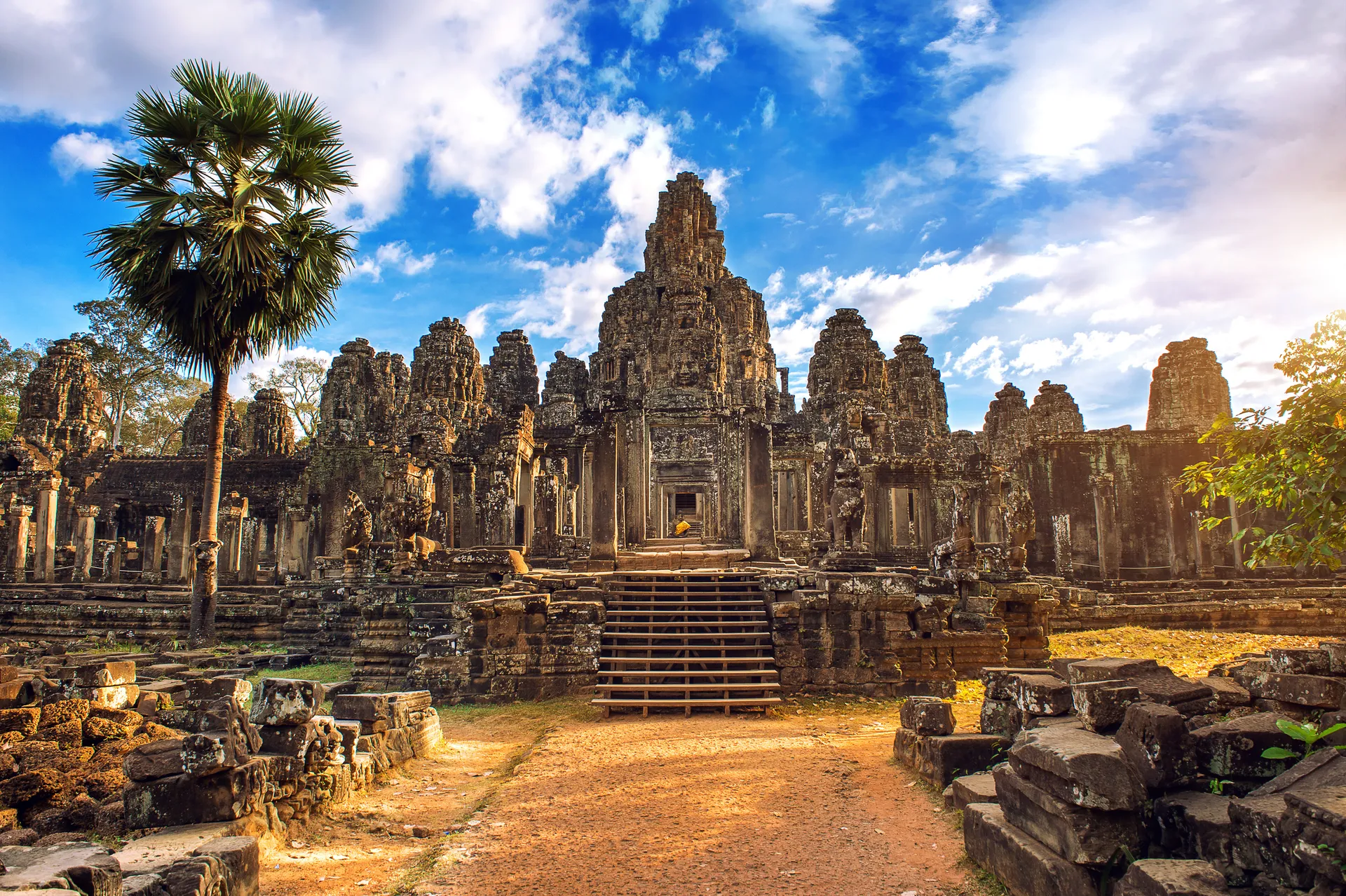
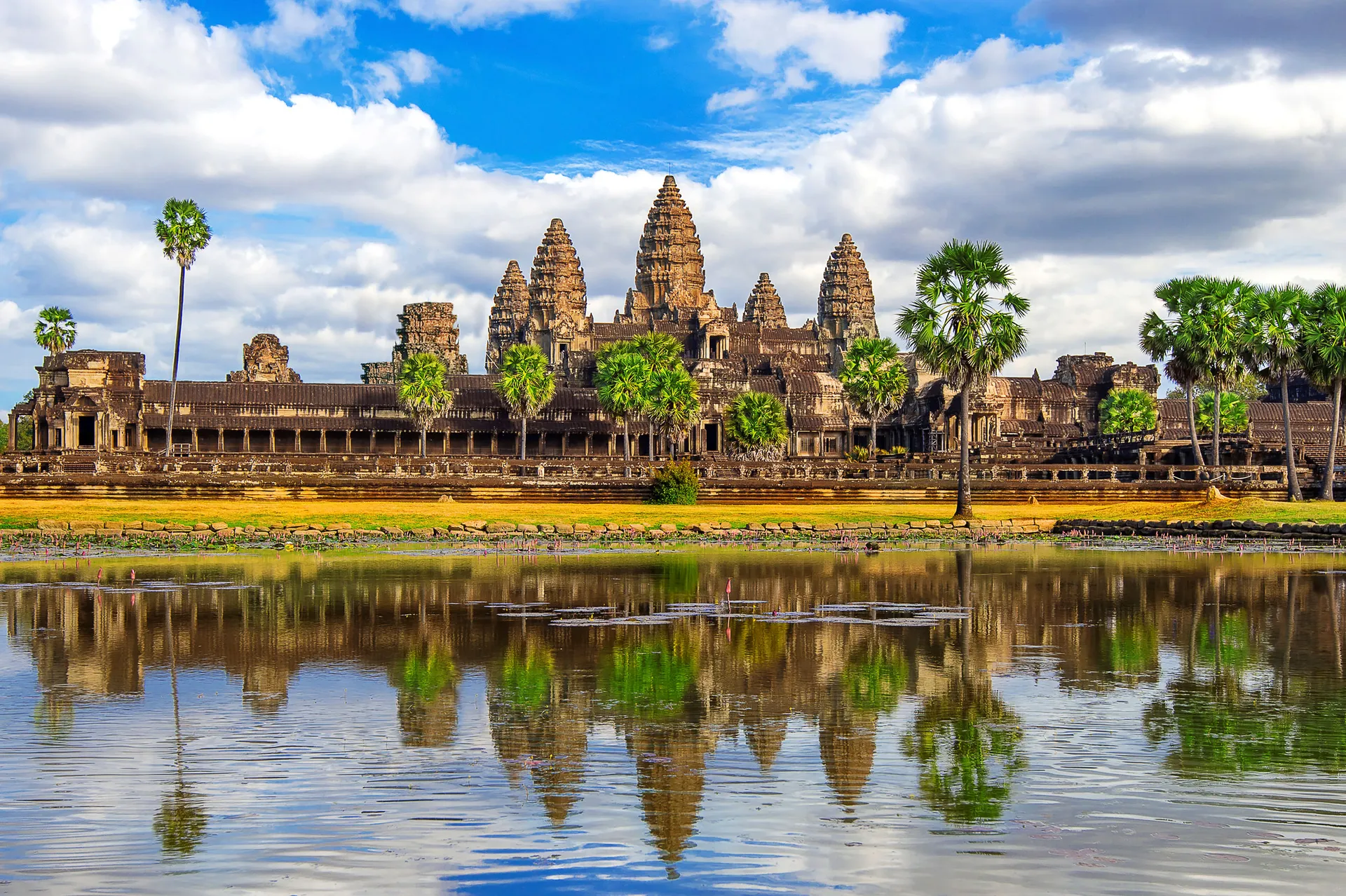
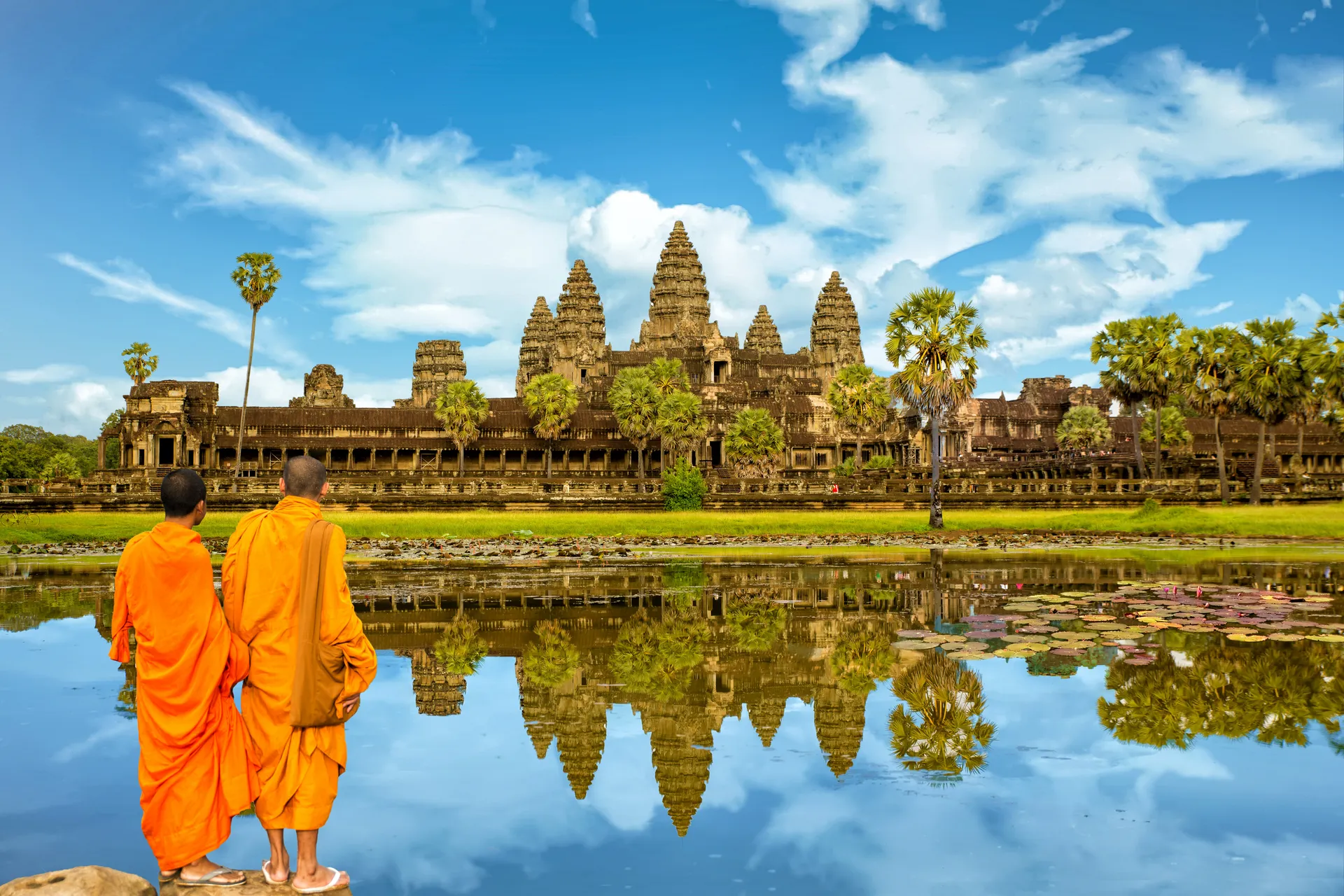
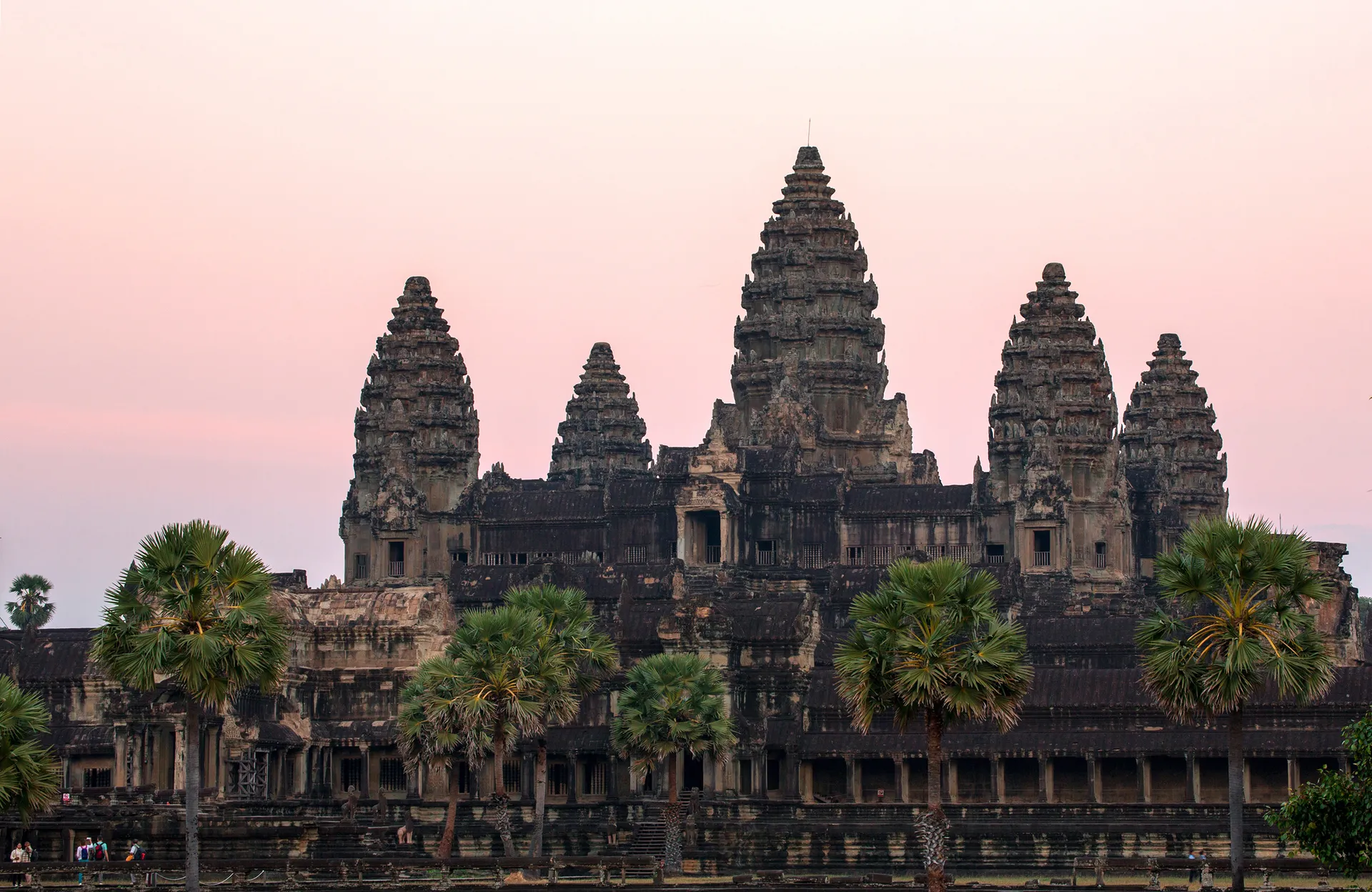
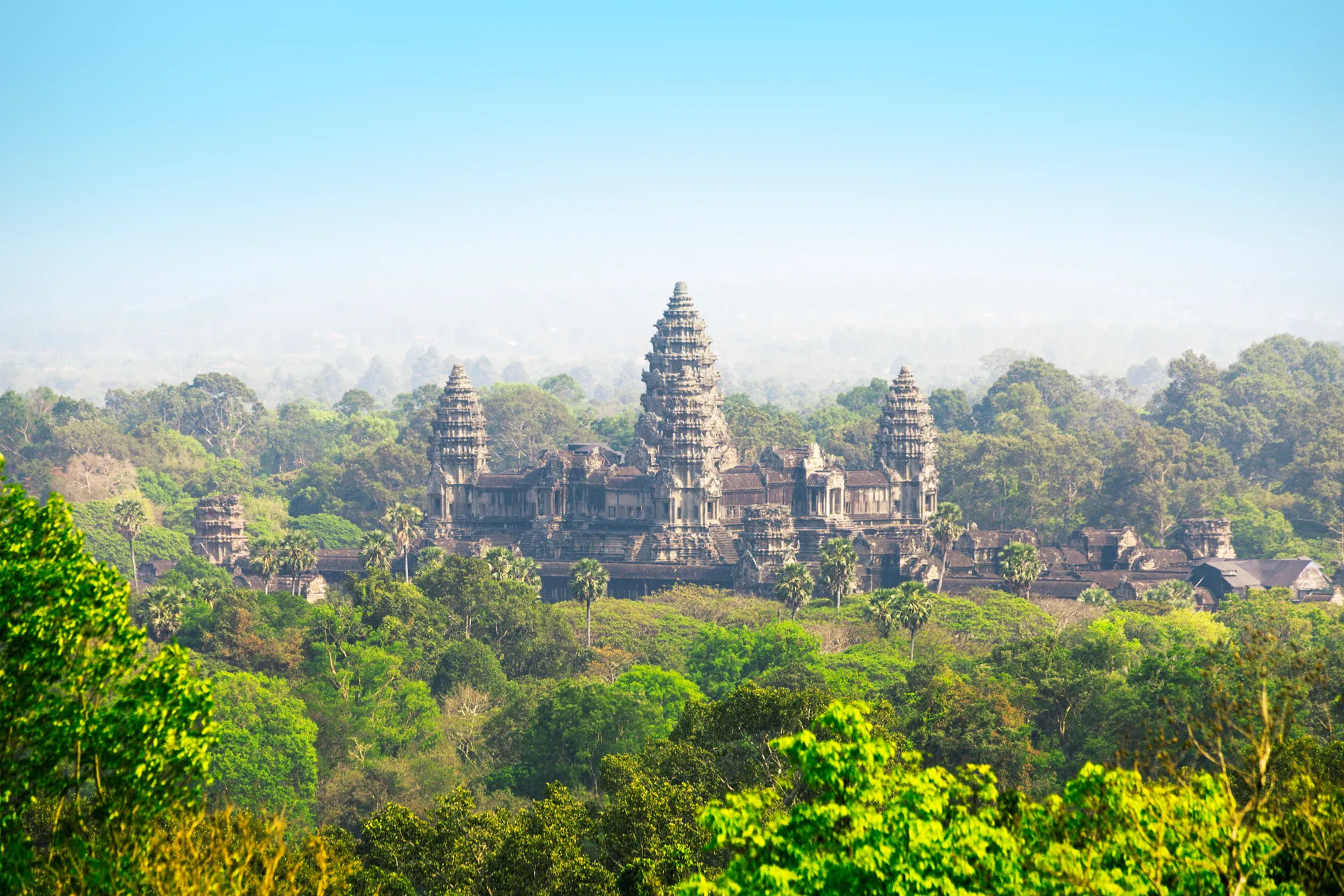
Angkor Wat: Visit the iconic Angkor Wat, the largest religious monument in the world, known for its stunning architecture and intricate carvings. Explore the vast temple complex, including Angkor Thom and the Bayon Temple.
Ta Prohm: Discover Ta Prohm, the temple famously intertwined with massive tree roots, creating a unique and mystical atmosphere.
Tonle Sap Lake: Take a boat tour on Tonle Sap Lake, the largest freshwater lake in Southeast Asia, to see floating villages and diverse birdlife.
Phnom Penh
Royal Palace: Explore the Royal Palace, the official residence of the King of Cambodia, featuring beautiful gardens and the Silver Pagoda.
Tuol Sleng Genocide Museum: Visit the Tuol Sleng Genocide Museum, a former prison that now serves as a memorial to the victims of the Khmer Rouge regime.
Central Market (Psar Thmei): Wander through the bustling Central Market, known for its Art Deco architecture and vibrant atmosphere.
Sihanoukville
Beaches: Relax on the beautiful beaches of Sihanoukville, including Otres Beach and Serendipity Beach, known for their white sands and clear waters.
Island Hopping: Take a boat trip to nearby islands like Koh Rong and Koh Rong Samloem, offering pristine beaches and excellent snorkelling opportunities.
Best Time to Visit Cambodia
Dry Season (November to April): The dry season is the best time to visit Cambodia, with cooler temperatures ranging from 20°C to 30°C. This period is ideal for exploring temples, beaches, and outdoor attractions, as the weather is pleasant and rainfall is minimal.
Wet Season (May to October): The wet season brings warmer temperatures between 25°C and 35°C and occasional rains. This is a great time to visit for lush green landscapes and fewer crowds. However, some areas may be less accessible due to flooding.




Your tour of Cambodia is just a phone call away
Call our Travel Specialists today on 01732 809 181
Start planning your next adventure: View Cambodia tours
Where possible we have secured a limited number of places without a single Supplement on each escorted tour. These are strictly subject to availability and once they are all booked a supplement will apply.
All of our English speaking local guides are passionate about their country and will accompany you from the moment you arrive in your destination, throughout your escorted tour and right until your departing flight home.
All the hotels chosen for these escorted tours have been personally sourced and inspected by us. We pride ourselves on offering you comfortable, handpicked accommodation in some of the best locations around the world.
Once you have booked, we will send you a comprehensive dossier with all your accommodation details, flight and airport information, country advice and other useful tips such as what to pack and luggage allowance.
Your Cambodia Questions Answered
Find out more about visiting Cambodia with the answers to these frequently asked questions.
We're here to help
Cambodian cuisine is varied, with dishes like amok (a coconut curry with fish), bai sach chrouk (pork and rice), and fresh salads like green mango salad. Rice and noodles are staples, and food is often seasoned with lemongrass, ginger, and lime. There’s a mix of savoury, sweet, and sour flavours that suits most palates, and fresh tropical fruits are plentiful.
It is generally safe to eat food in Cambodia, especially at reputable restaurants and hotels. As with any destination, it’s a good idea to stick to fresh, well-cooked food and drink bottled water.
Must-see attractions include the famous Angkor Wat temple complex in Siem Reap and the bustling capital city of Phnom Penh with its Royal Palace and historic sites. Take a boat ride on Tonle Sap Lake, and explore the scenic beaches of Sihanoukville.
It's respectful to dress modestly, especially at religious sites like temples. Avoid touching people’s heads or pointing your feet at others, which are seen as disrespectful. Always ask for permission before taking photos of locals, and greet people with a slight bow, hands together in a "sampeah" gesture.
Pack light, breathable clothing for the warm weather, with modest options for temple visits, comfortable walking shoes and sun protection like a hat, sunscreen, and sunglasses, as well as insect repellent. A light rain jacket is useful if visiting in the rainy season.
The best time to visit Cambodia is during the cool, dry season from November to February. Temperatures are more comfortable, making it ideal for sightseeing at temples and exploring cities. March to May can be very hot, and the rainy season from June to October offers fewer crowds and lush landscapes.
Cambodia is generally safe for tourists, though it's best to take basic precautions. Be mindful of your belongings, particularly in busy areas, and avoid wandering alone at night in unfamiliar places. Tourist areas are well-patrolled, and locals are generally very welcoming to visitors.
The official language of Cambodia is Khmer. In tourist areas, you’ll often find English-speaking guides and hotel staff, though English may be less common in rural areas. Learning a few Khmer phrases is appreciated and can enhance your experience.
The currency used in Cambodia is the Cambodian Riel (KHR), though U.S. dollars are widely accepted, especially in cities and tourist areas. It's a good idea to carry some small U.S. bills and local riel for convenience. Cards are accepted at hotels and larger restaurants.
PLAN YOUR TRIP
Your guide to visiting Cambodia
Popular Destinations in Cambodia
Cambodia is a country of ancient wonders, warm hospitality, and rich cultural heritage. From jungle-clad temples to riverside cities and quiet countryside, its top destinations offer a deeply rewarding travel experience:
Siem Reap
The gateway to the legendary temples of Angkor, including the awe-inspiring Angkor Wat—the world’s largest religious monument. Explore centuries-old ruins hidden in the jungle, browse lively night markets, and enjoy traditional Apsara dance performances that bring Khmer culture to life.
Phnom Penh
A vibrant capital where history and modern life intertwine. Visit the ornate Royal Palace and Silver Pagoda, reflect at the Tuol Sleng Genocide Museum and Killing Fields, or take a sunset cruise along the Mekong River. The city’s riverside charm and resilience leave a lasting impression.
Tonlé Sap Lake
Southeast Asia’s largest freshwater lake and a vital part of Cambodian life. Take a boat tour through floating villages, observe daily life on the water, and visit bird sanctuaries rich in biodiversity. It’s a unique glimpse into the country’s rural traditions and natural beauty.
Best Time to Visit Cambodia
Cambodia enjoys a tropical climate with distinct wet and dry seasons, making it a year-round destination. The best time to visit is from November to March, when cooler, dry weather creates ideal conditions for temple visits, city tours, and countryside exploration.
Dry Season (November – March)
This is Cambodia’s most popular travel window. Clear skies and pleasant temperatures make it perfect for exploring Angkor Wat, walking through historic cities, and enjoying scenic boat rides. It’s the ideal time for cultural discovery and outdoor adventures.
Hot Season (April – May)
Temperatures rise, especially inland, but early mornings and evenings remain comfortable. With fewer tourists around, it’s a great time to enjoy quieter temples and uncrowded attractions, especially for those who don’t mind the heat.
Wet Season (June – October)
Rain showers are frequent but usually short-lived, often in the late afternoon. The countryside turns lush and green, Tonlé Sap Lake reaches its peak, and the temples are surrounded by vibrant landscapes. It’s a peaceful time to travel, with fewer crowds and excellent photography opportunities.
Food & Drink in Cambodia
Cambodian cuisine is delicate, flavorful, and often overlooked. It blends fresh herbs, fermented ingredients, and subtle spices, with influences from neighbouring countries and its own unique traditions.
Must-Try Dishes:
Amok – A creamy coconut curry with fish, steamed in banana leaves. Fragrant and rich, it’s considered Cambodia’s national dish.
Lok Lak – Stir-fried beef served with a tangy lime-pepper sauce, rice, and a fried egg. Simple and satisfying.
Nom Banh Chok – Rice noodles topped with green fish curry and fresh herbs. Often eaten for breakfast and found in local markets.
Bai Sach Chrouk – Grilled pork with rice, pickles, and broth. A popular street food breakfast.
Sticky Rice with Mango – A sweet treat made with coconut milk and ripe mango. Light and refreshing.
Cambodian drinks include iced coffee with condensed milk, a strong and sweet pick-me-up that’s a local favourite. Fresh sugarcane juice, pressed right on the street, is naturally sweet and hydrating. For something more traditional, try Angkor Beer, Cambodia’s most popular lager, often enjoyed with grilled meats or at sunset by the river.
Tips for Planning Your Cambodia Tour
Cambodia is best explored with a thoughtful itinerary that balances ancient sites, cultural experiences, and natural beauty. Whether you're watching sunrise at Angkor Wat or cruising the Mekong, your route will shape your journey.
The dry season is ideal for most travellers, especially for temple visits and outdoor activities. Book early for peak months (December–February), particularly in Siem Reap, where demand is high.
Travelling as part of an escorted tour can offer a more relaxed and insightful experience. With local guides and well-planned routes, you’ll gain a deeper understanding of Cambodia’s heritage, landscapes, and daily life while enjoying the ease of having everything organised for you.