Vietnam Rail Journeys
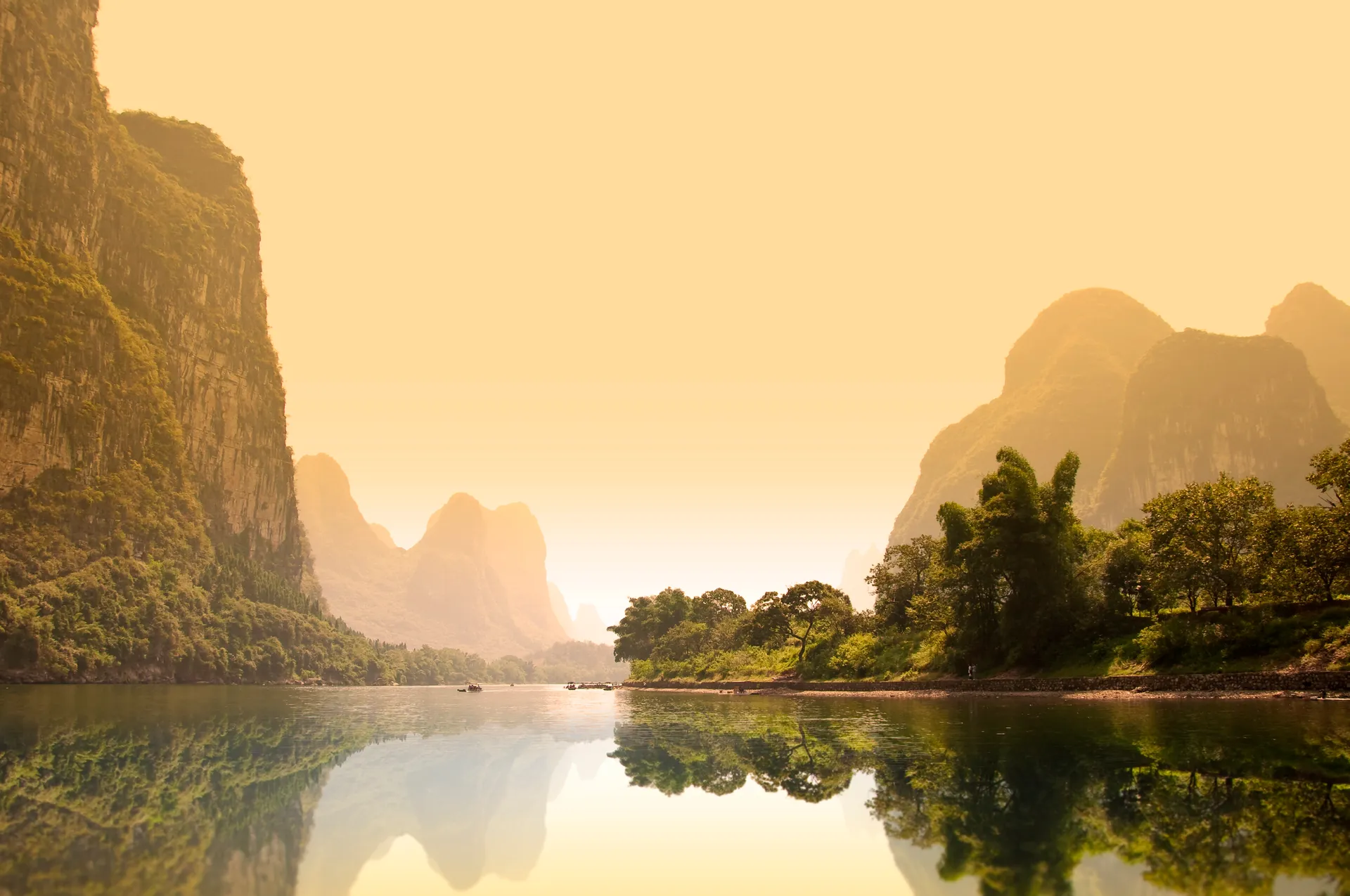
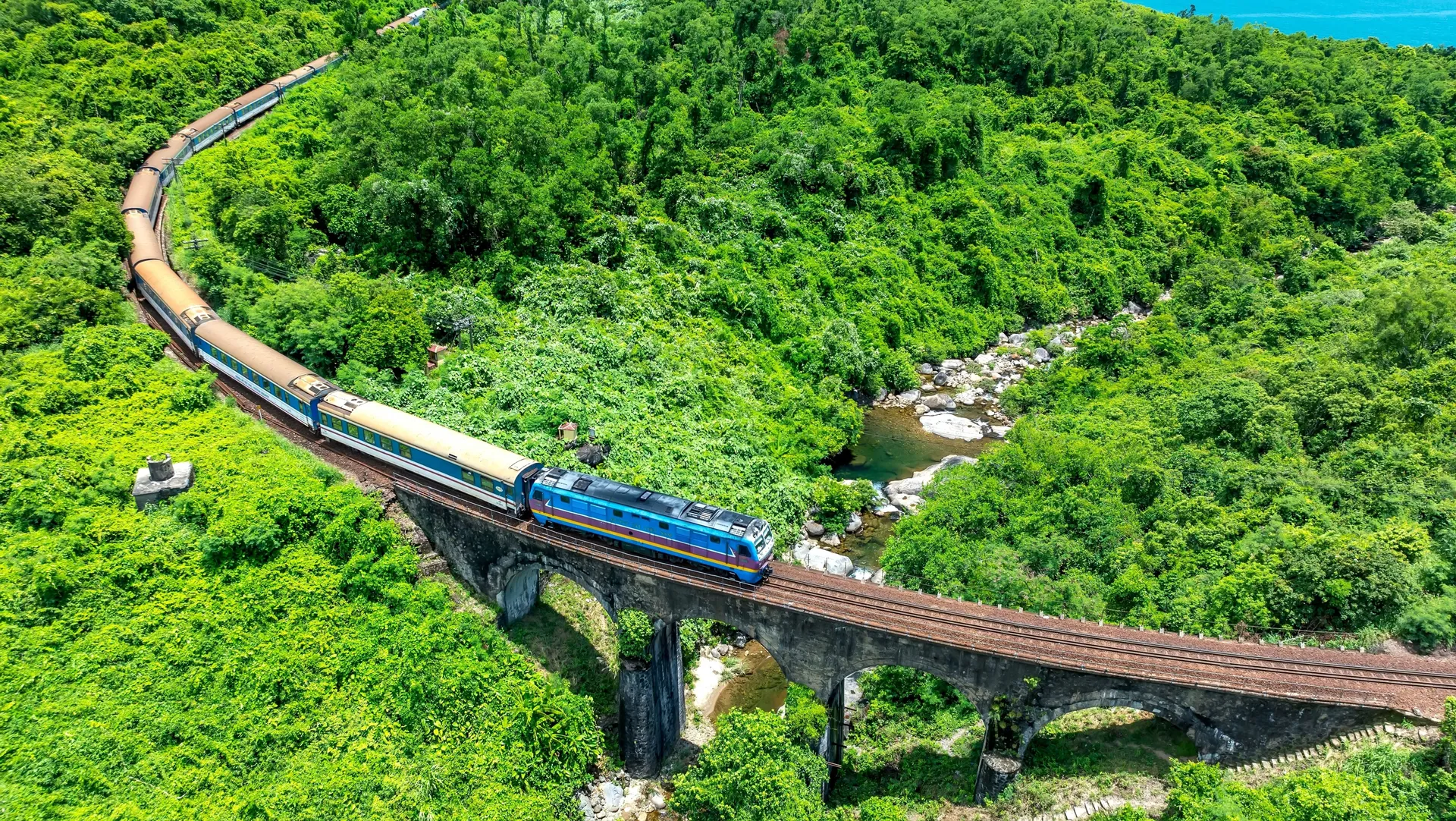
From the magnificence of Halong Bay and the incredible Mekong Delta to the impressive Citadel of Hue with its 18th century architecture and bustling city of Saigon, a rail journey exploring Vietnam is an adventure that will last a lifetime. With fantastic scenery, captivating history, exquisite landmarks and so much more, this country offers a wealth of experiences for everyone.
Offering a varied cuisine, fascinating culture and world famous history, Vietnam has to be seen to be truly understood. Combine this with the country's mystical scenery and it's no wonder Vietnam draws more and more visitors each year.


Your tour of Vietnam is just a phone call away
Call our Travel Specialists today on 01732 809 181
Start planning your next adventure: View Vietnam tours
Your Vietnam Questions Answered
Find out more about visiting Vietnam with the answers to these frequently asked questions.
We're here to help
Vietnamese cuisine is known for its fresh ingredients and vibrant flavours. Popular dishes include Pho, a fragrant noodle soup; Banh Mi, a French-inspired sandwich; and Goi Cuon, fresh spring rolls. Seafood is abundant, especially in coastal areas, and street food offers a variety of options like Bun Cha (grilled pork with noodles) and Che (sweet dessert soups).
It is generally safe to eat the food in Vietnam if you follow some basic precautions. Stick to well-cooked dishes and avoid raw or undercooked foods. Eating at reputable restaurants and busy street food stalls can reduce the risk of foodborne illnesses. It’s advisable to drink bottled or filtered water and avoid ice in drinks unless you’re sure it’s made from purified water. With a bit of care, you can enjoy the delicious local cuisine safely.
Vietnam’s must-see attractions include the stunning limestone islands of Ha Long Bay, the ancient town of Hoi An with its lantern-lit streets, and the bustling energy of Ho Chi Minh City. Hanoi offers a blend of historic sites and vibrant street life, while Sapa’s terraced rice fields provide breathtaking mountain views. The Mekong Delta’s lush waterways offer a glimpse of traditional rural life.
Yes, when visiting Vietnam, it’s important to dress modestly, especially when visiting religious sites. Remove your shoes before entering temples, use your right hand for eating and giving items, and respect local customs and traditions.
For Vietnam holidays, pack lightweight, breathable clothing, comfortable walking shoes, a hat, sunscreen, and insect repellent. Don’t forget essentials like travel documents, medications, and a reusable water bottle.
The best times to visit Vietnam are during the spring (March to April) and autumn (September to November) when the weather is milder and pleasant. These periods offer ideal conditions for sightseeing and outdoor activities, making them perfect for making the most of your holiday in Vietnam.
Yes, Vietnam is generally considered safe for tourists. However, it’s always wise to take standard precautions, such as avoiding isolated areas at night and keeping an eye on your belongings.
Vietnamese is the official language. English is widely spoken in tourist areas, hotels, and restaurants, making it relatively easy for travellers to communicate.
The currency used in Vietnam is the Vietnamese Dong (VND). It’s advisable to carry some cash for small purchases, although credit cards are widely accepted in major cities and tourist areas.