Jordan Solo Tours
With a wealth of history and culture to experience, a Solo Escorted Tour to Jordan is an ideal opportunity to experience a world far from your own, accompanied by like-minded solo explorers.
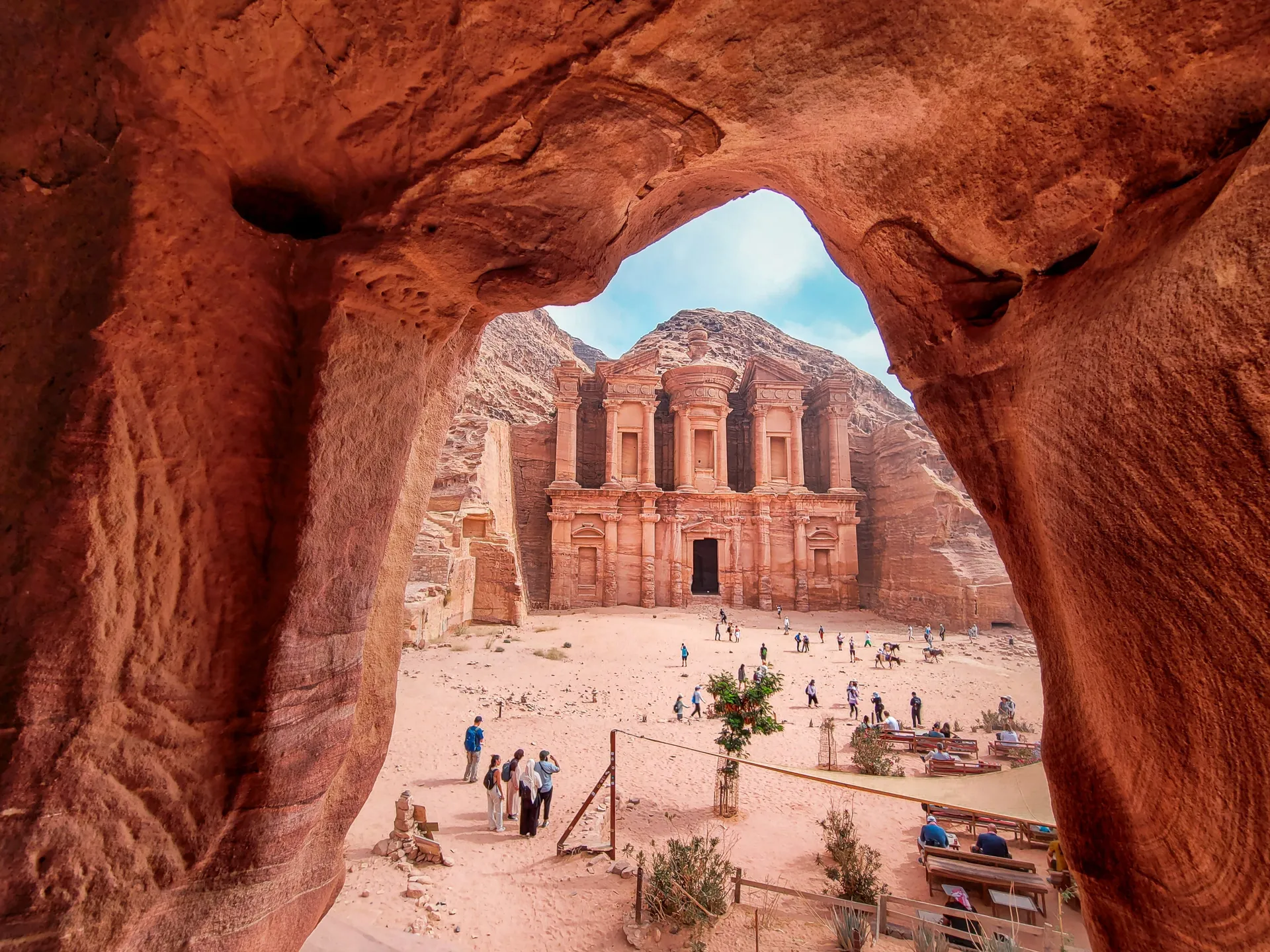
Visit Amman’s captivating downtown and the remarkable Dead Sea in the Jordan Valley Rift; submerged 400 metres below sea level, it is the lowest point on earth and its vast stretch of water is renowned as the deepest hypersaline lake in the world. No visit would be complete without a trip to undoubtedly one of Jordan’s the most impressive sites - the Nabatean city of Petra. Also known as the ‘Rose City’, this site was granted UNESCO World Heritage Site status in 1985, as well as being deemed one of the seven New Wonders of the World. A Solo Escorted Tour is a truly magnificent shared experience, creating memories that will last a lifetime.
Crafted especially and exclusively for single travellers, our solo tours of Jordan offer intimate, small group sizes (average of 15 people per departure) and the privacy of your own room for no extra cost (we don't charge single supplements).
Solo Tours in Jordan


Your tour of Jordan is just a phone call away
Call our Travel Specialists today on 01732 809 181
Start planning your next adventure: View Jordan tours
All of our English speaking local guides are passionate about their country and will accompany you from the moment you arrive in your destination, throughout your escorted tour and right until your departing flight home.
Once you have booked, we will send you a comprehensive dossier with all your accommodation details, flight and airport information, country advice and other useful tips such as what to pack and luggage allowance.
We pride ourselves on offering you comfortable, handpicked accommodation for your sole use (with no single supplement). All the hotels chosen for these escorted tours have been personally sourced and inspected by us.
Crafted especially and exclusively for solo travellers, you will benefit from small group sizes (average of 15 people per departure) and the privacy of your own room at no extra cost (we don't charge single supplements).
Your Jordan Questions Answered
Find out more about visiting Jordan with the answers to these frequently asked questions.
We're here to help
Jordanian cuisine offers flavourful dishes like falafel, hummus, and the national dish, mansaf (lamb with rice and yoghurt sauce). With an emphasis on fresh ingredients and aromatic spices, Jordanian food has something for every taste.
It is generally safe to eat food in Jordan, especially at reputable restaurants and hotels. As with any destination, it’s a good idea to stick to fresh, well-cooked food and drink bottled water.
Yes, travel insurance is highly recommended. It provides coverage for medical emergencies, trip cancellations, and lost luggage, ensuring peace of mind during your travels.
Must-see attractions include the ancient city of Petra, the surreal landscapes of Wadi Rum, and the therapeutic Dead Sea. Don’t miss the Roman ruins in Jerash, the Red Sea beaches in Aqaba, and the lively capital city, Amman.
In Jordan, it’s polite to greet others with a handshake, and modest dress is appreciated, especially in rural or conservative areas.
Pack lightweight clothing for the day, layers for cooler evenings, and comfortable walking shoes. Modest attire is recommended, especially for visiting religious or rural areas. Bring a hat, sunscreen, and a scarf for sun protection and sand.
The best times to visit Jordan are spring (March to May) and autumn (September to November), when temperatures are moderate, ideal for exploring Petra, Wadi Rum, and other outdoor sites.
Jordan is generally safe for tourists. As with any destination, it’s best to stay aware of your surroundings, especially in busy markets and public places, and follow local advice regarding safety.
Arabic is the official language of Jordan. English is widely understood in tourist areas and by younger Jordanians, particularly in cities. Learning a few basic Arabic phrases can add to your experience and help you connect with locals.
The currency used in Jordan is the Jordanian Dinar (JOD). Credit cards are accepted in many hotels and restaurants in major cities, but carrying cash is helpful for small purchases and in rural areas.