Botswana All Trip Types
Botswana


Your Botswana Questions Answered
Find out more about visiting Botswana with the answers to these frequently asked questions.
We're here to help
Meals are typically simple but flavourful and influenced by local traditions, with an emphasis on meat, maize, and vegetables. Fresh fish from the Okavango Delta is also common in some areas.
It is generally safe to eat food in Botswana, especially at reputable restaurants and hotels. As with any destination, it’s a good idea to stick to fresh, well-cooked food and drink bottled water.
Yes, travel insurance is highly recommended. It provides coverage for medical emergencies, trip cancellations, and lost luggage, ensuring peace of mind during your travels.
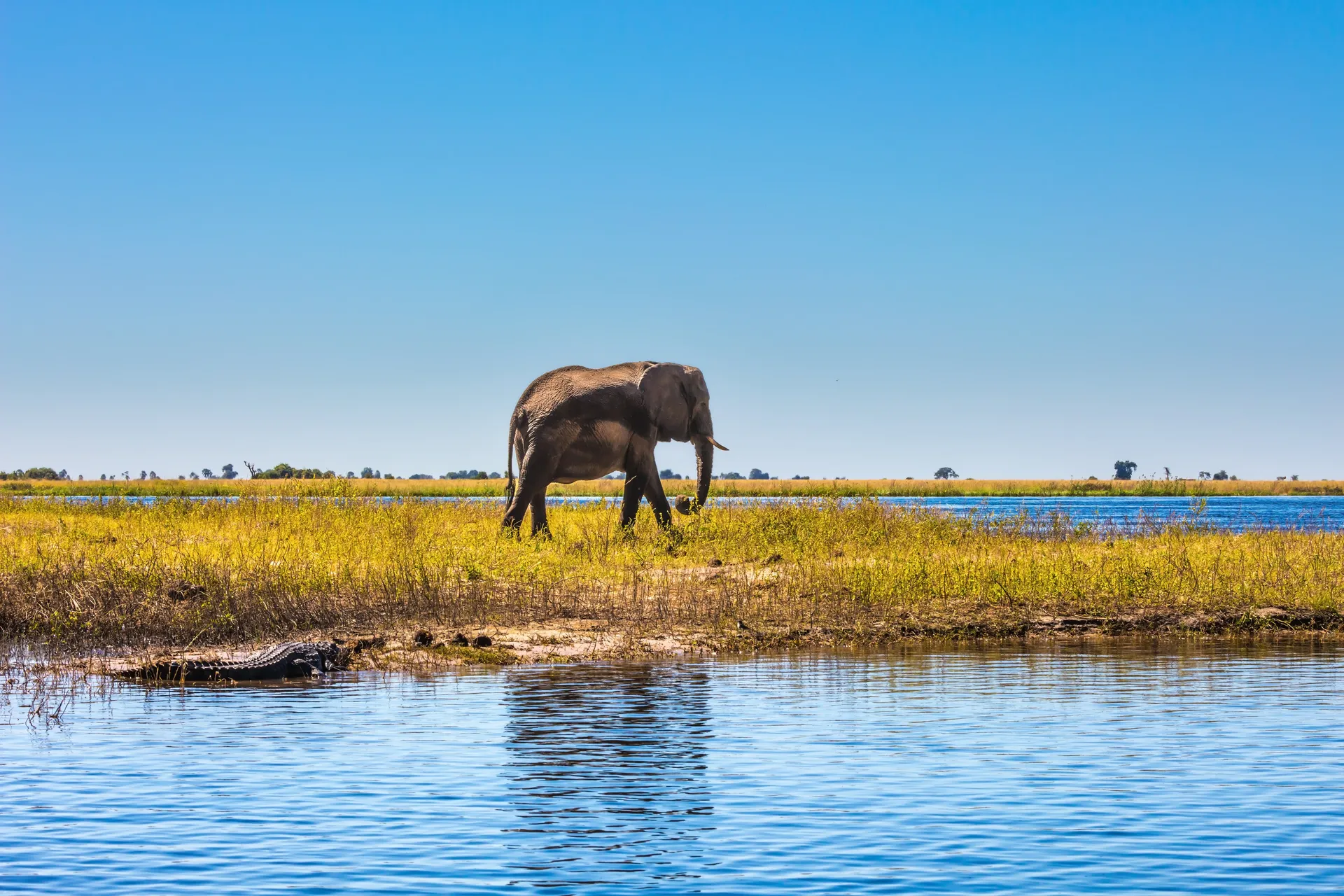
Must-see attractions include the iconic Okavango Delta, where you can experience wildlife safaris by mokoro (traditional canoe). The Chobe National Park is known for its large elephant population and boat safaris.
In Botswana, it's important to show respect for local customs and traditions. It is common to greet people with a firm handshake, especially in rural areas. Modest dress is appreciated, particularly when visiting rural communities or religious sites. Always ask permission before taking photos, especially of people or in sacred places.
Pack lightweight, breathable clothing for daytime and warmer layers for cooler evenings. Comfortable, sturdy shoes are essential for safaris and exploring. Don’t forget sunscreen, a hat, sunglasses, and insect repellent for protection against the sun and mosquitoes. If you’re going on a safari, binoculars and a camera are a must, and a waterproof jacket is helpful during the rainy season.
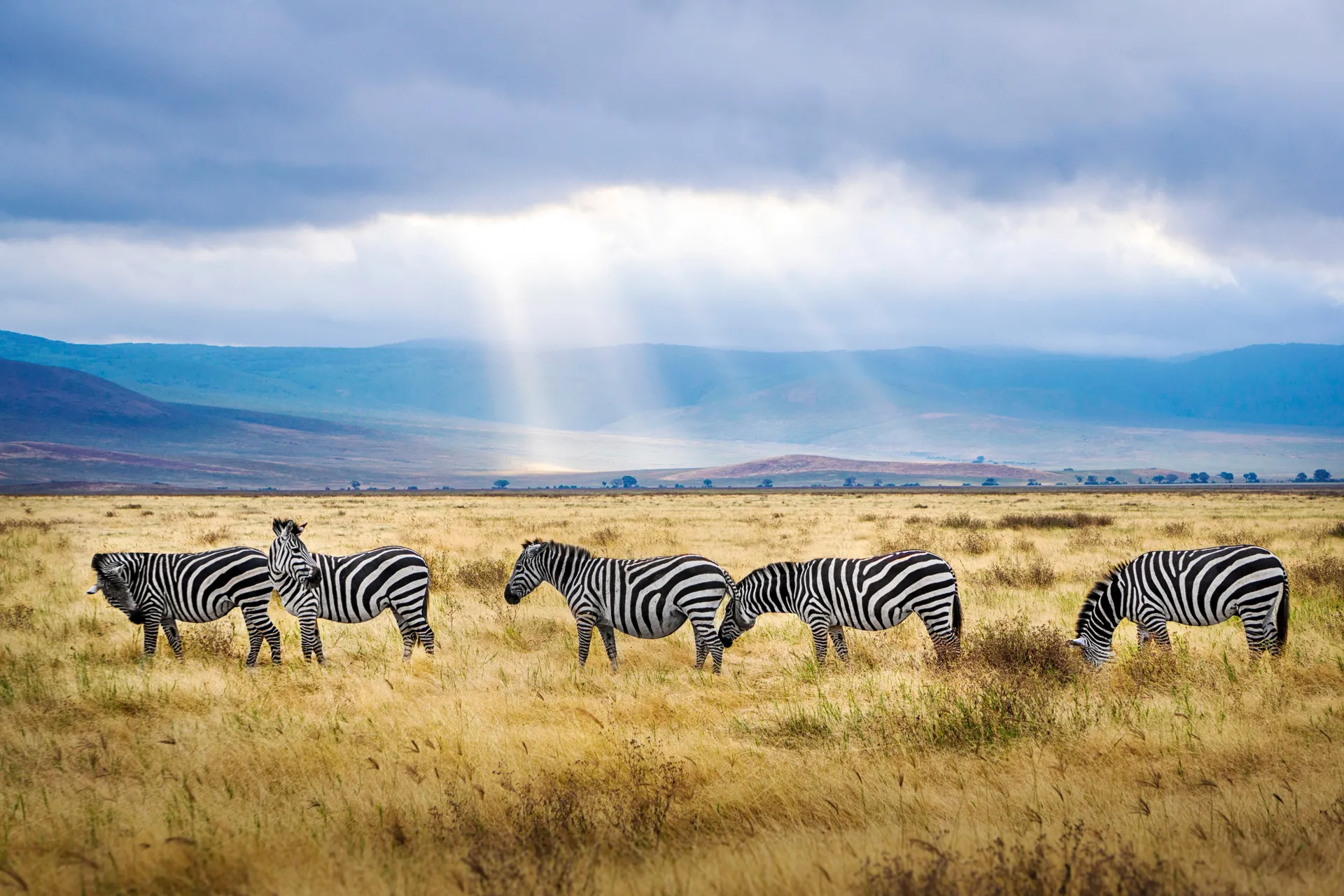
The best time to visit Botswana is during the dry season, from May to October. This period offers ideal conditions for wildlife viewing, as animals gather around waterholes and the vegetation is less dense. The weather is generally cooler and more comfortable for outdoor activities. The wet season, from November to April, is less crowded, but wildlife can be harder to spot.
Botswana is generally considered a safe country to visit. As with any destination, it’s important to take standard precautions, such as securing your belongings and being aware of your surroundings, particularly in busy areas. Always follow local advice and guidelines, especially when exploring wildlife areas.
The official language of Botswana is English.
The currency used in Botswana is the Botswanan Pula (BWP), and it is widely accepted throughout the country. Cards are commonly accepted in major cities, but it's a good idea to carry some cash, especially when visiting more remote areas.
