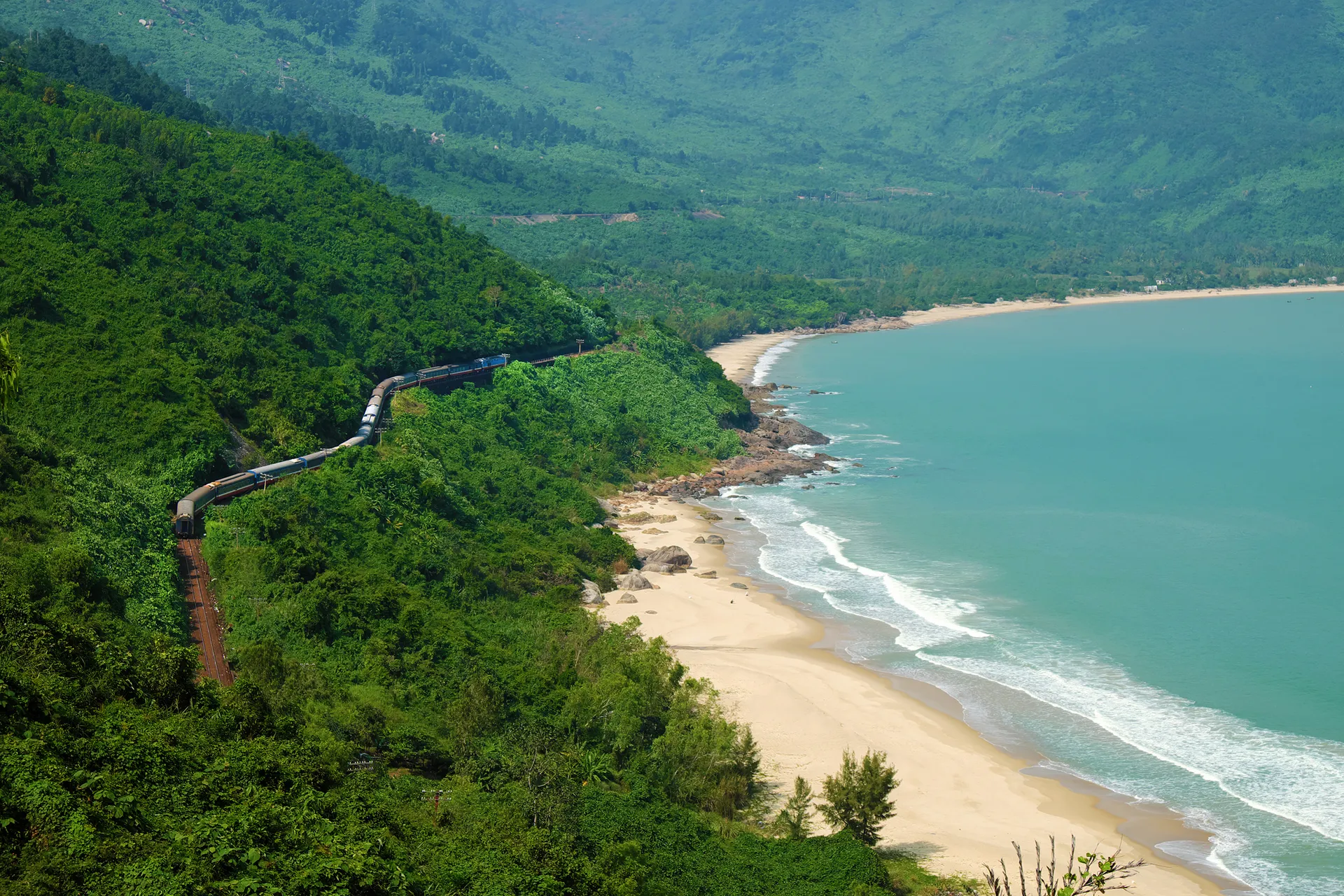
South East Asia Rail Journeys
Southeast Asia is a treasure trove of cultural diversity and historical wonders, offering some of the most scenic and culturally rich rail journeys. Imagine traversing lush landscapes, historic cities, and vibrant cultures, all from the comfort of a train. Rail tours provide a unique and immersive way to explore these fascinating countries, combining adventure, cultural immersion, and relaxation. This creates an unforgettable journey through some of the world's most captivating destinations.
Best Regions to Visit in Southeast Asia
South East Asia boasts an extensive rail network that connects major cities and offers breathtaking views along the way. Here are some of the top rail routes:
Cambodia
Siem Reap & Angkor Wat: Beyond the ancient temples, you can explore vibrant night markets, where local crafts and street food create a lively atmosphere.
Phnom Penh: Phnom Penh, the capital city, features the Royal Palace, Silver Pagoda, and Tuol Sleng Genocide Museum, offering insight into Cambodia’s past and present.
Vietnam
Hanoi & Northern Vietnam: You can explore Hanoi’s Old Quarter, Hoan Kiem Lake, and the Temple of Literature, reflecting the country's deep heritage. The stunning limestone karsts of Ha Long Bay offer breathtaking landscapes.
Central Vietnam: A cultural and coastal delight with Hue’s Imperial City, and Hoi An’s lantern-lit streets. Picture yourself travelling from Hanoi to Hue, passing through verdant countryside and ancient towns.
Southern Vietnam: Provides a mix of urban exploration and nature escapes with Ho Chi Minh City’s dynamic energy, and the lush Mekong Delta,
Best Time to Visit Southeast Asia
The best time to visit varies by region, but here’s a general guide to planning your trip:
Winter (November to February): This is the dry season for most of Southeast Asia, with pleasant temperatures ranging from 25°C to 30°C. It's an ideal time to explore Cambodia, and Vietnam.
Spring (March to May): Warm temperatures make spring perfect for exploring cultural sites. It's also a great time for outdoor activities and experiencing local festivals.
Summer (June to August): While this period brings a mix of dry and rainy seasons, it's perfect for adventurers looking to explore. The rain can add a refreshing touch to the tropical heat.
Autumn (September to October): With cooler temperatures and fewer tourists, autumn is an excellent time to visit cultural sites and cities.
Whether it's the vibrant festivals of spring, the lush greenery of the rainy season, or the pleasant weather of the dry months, there's always something special to discover.
Destinations to explore
Rail journeys offer a unique way to explore diverse landscapes and rich cultural heritage. Travelling by train allows you to experience vibrant cities, lush countryside, and historic sites seamlessly.
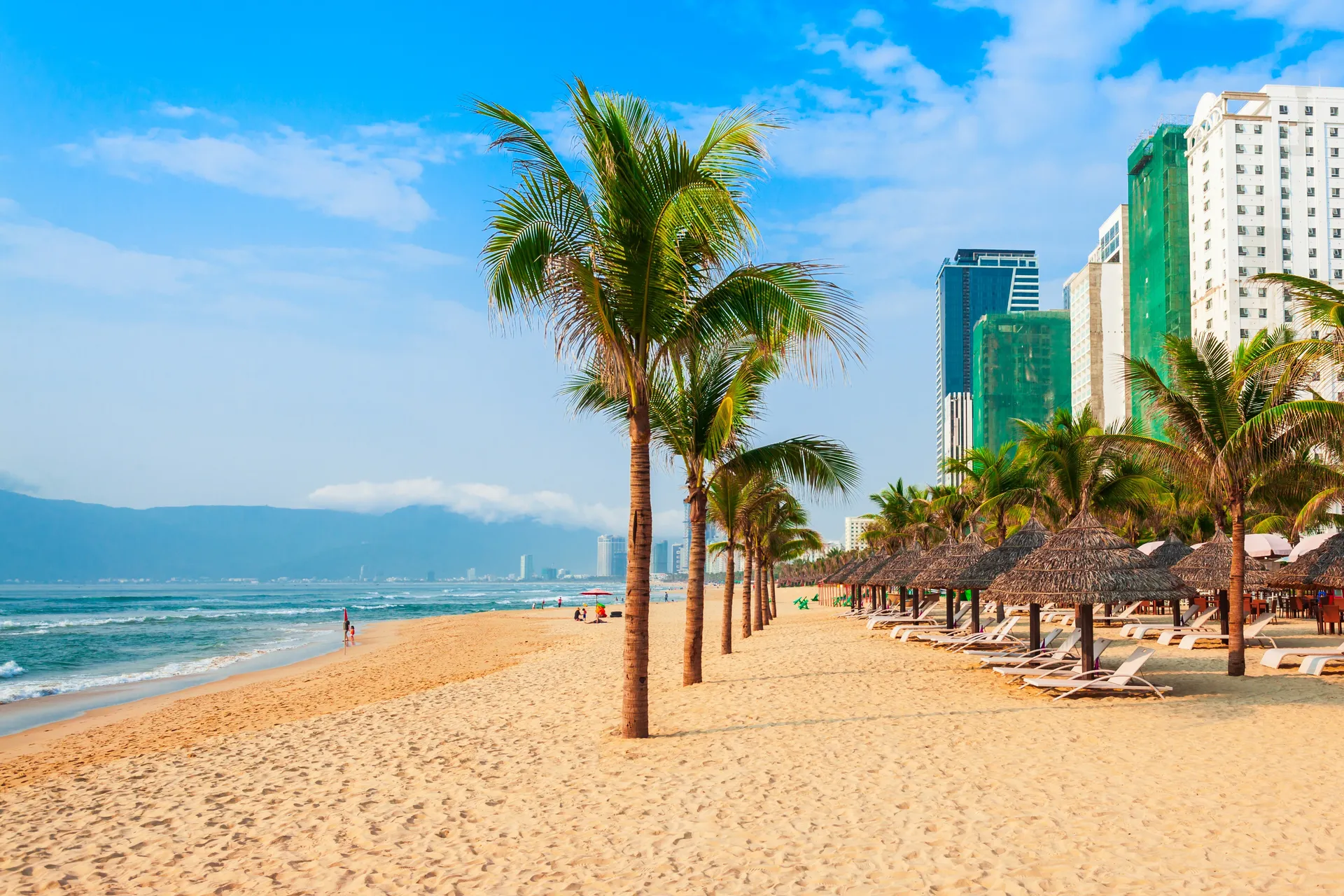
Where possible we have secured a limited number of places without a single Supplement on each escorted tour. These are strictly subject to availability and once they are all booked a supplement will apply.
All of our English speaking local guides are passionate about their country and will accompany you from the moment you arrive in your destination, throughout your escorted tour and right until your departing flight home.
All the hotels chosen for these escorted tours have been personally sourced and inspected by us. We pride ourselves on offering you comfortable, handpicked accommodation in some of the best locations around the world.
Once you have booked, we will send you a comprehensive dossier with all your accommodation details, flight and airport information, country advice and other useful tips such as what to pack and luggage allowance.

Your South East Asia Questions Answered
Find out more about visiting South East Asia with the answers to these frequently asked questions.
We're here to help
The best time to visit Southeast Asia is generally from November to April, when the weather is dry and temperatures are comfortable. Some destinations, like Bali, enjoy pleasant conditions year-round, while others have distinct rainy seasons. It's a good idea to check the typical climate for your chosen destination before planning your trip.
Respecting local customs is important. Dress modestly when visiting temples, remove shoes before entering homes or religious sites, and avoid touching people’s heads. In many countries, pointing with your feet or public displays of affection can be seen as disrespectful.
A trip of 1–2 weeks is enough to see key highlights, or focusing on popular destinations. With 2–4 weeks, you can explore multiple countries or take a deeper dive into one or two regions, allowing for a mix of cultural sites, nature, and relaxation. Many travellers extend their stay to experience the region’s diversity at a slower pace.
Southeast Asia offers a mix of incredible landscapes, vibrant cultures, and delicious food at affordable prices. From ancient temples and bustling cities to tropical beaches and lush jungles, it’s a region that has something for every type of traveller.
Petty theft can happen in busy areas, so keep an eye on your belongings. Avoid renting motorbikes unless you’re experienced, and always check local travel advisories for any specific safety concerns.
Yes! Southeast Asia is budget-friendly, well-connected, and full of welcoming locals, making it great for first-time visitors. Solo travellers will find it easy to meet people in group tours, and social activities, and the region is generally safe with good transport options. Thailand, and Bali are especially popular for solo and first-time travellers due to their well-developed tourist infrastructure.
Cash is still widely used, especially in markets and smaller towns. ATMs are available, and credit cards are accepted in most hotels and large restaurants. It’s best to carry small denominations for easier transactions.
Not necessarily! English is widely spoken in tourist areas, hotels, and restaurants. Learning a few basic phrases, like “hello” and “thank you,” can go a long way in making connections with locals.
