Middle East Escorted Tours
The Middle East is a captivating region, brimming with cultural diversity, historical depth, and stunning landscapes, making it an ideal destination for escorted tours. Picture yourself exploring the ancient marvels of Petra in Jordan, navigating the lively markets of Jerusalem, and discovering Israel's rich historical sites. Escorted tours offer a seamless travel experience, with expert guides ensuring you see the best each country has to offer. These tours combine adventure, cultural immersion, and relaxation, providing an unforgettable journey through some of the world's most fascinating destinations.
Best Regions to Visit in the Middle East
Jordan
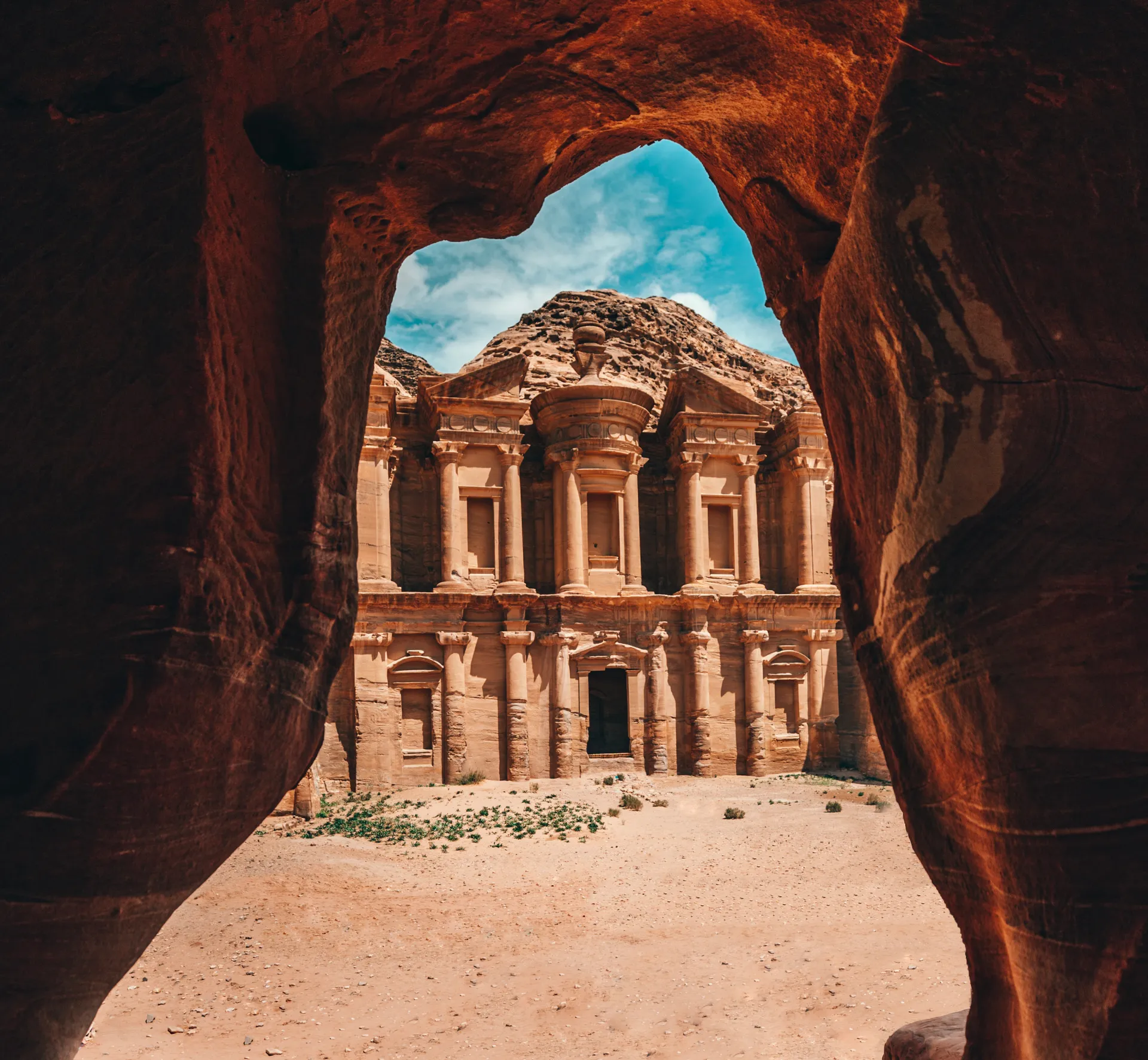
Petra: Known as the "Rose City," Petra is a UNESCO World Heritage site and one of the New Seven Wonders of the World. Explore its ancient rock-cut architecture and vibrant history.
Amman: The capital city offers a mix of modernity and ancient ruins, including the Roman Theatre and Citadel.
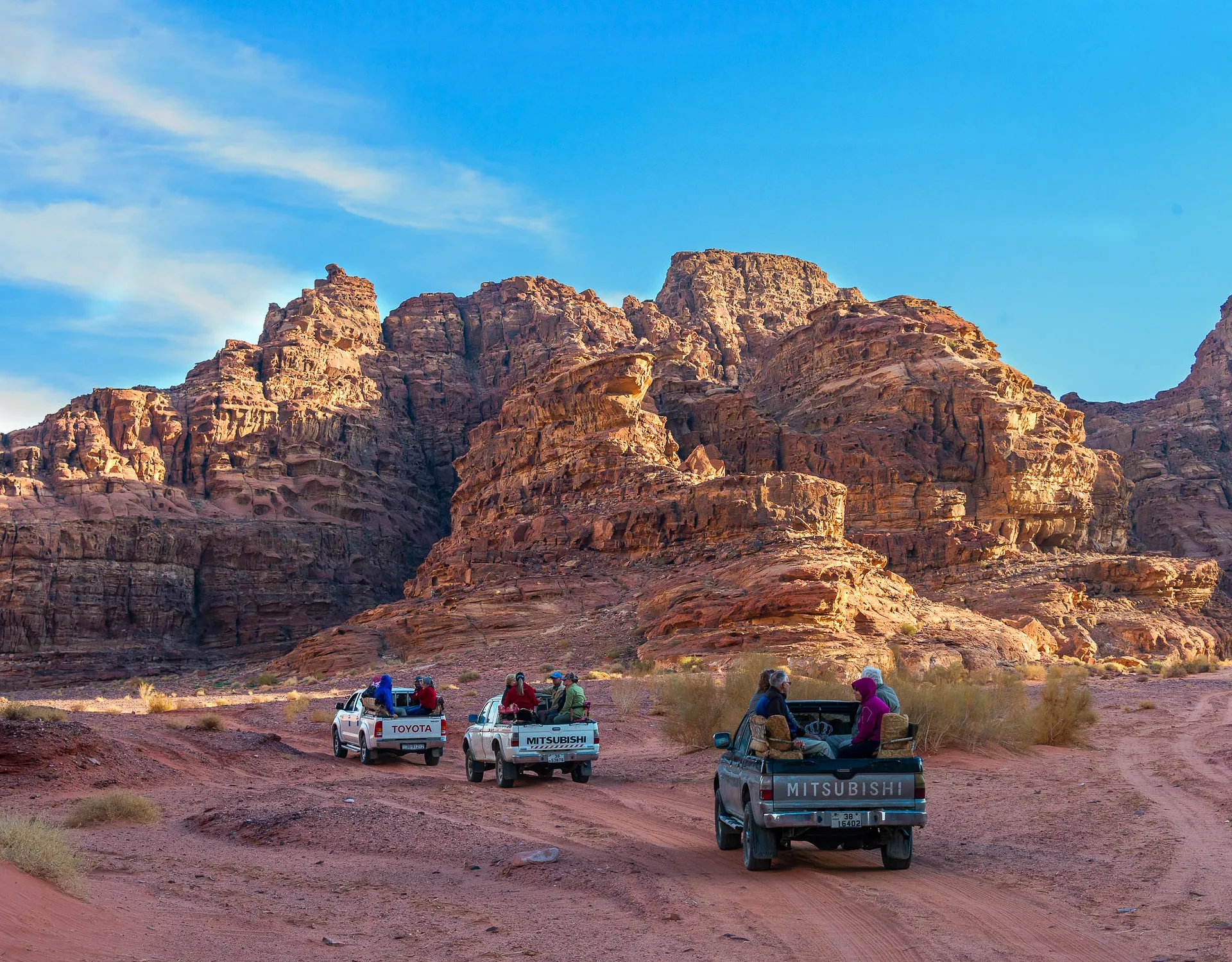
Wadi Rum: This desert landscape is famous for its stunning rock formations and is perfect for adventure activities like jeep tours and camel rides.
Dead Sea: Experience the unique sensation of floating in the mineral-rich waters of the Dead Sea.
Best Time to Visit the Middle East
The best time to visit varies by region, but here’s a general guide:
Winter (November to February): Ideal for exploring Jordan and Israel, with cooler temperatures making it comfortable for sightseeing.
Spring (March to May): Perfect for visiting Middle East, as the weather is warm but not too hot, making it great for outdoor activities.
Autumn (September to October): Cooler temperatures and fewer crowds make it a good time for exploring cultural sites and cities.
The Middle East’s diverse landscapes and rich cultural heritage make it a destination worth exploring year-round, offering something special in every season.
Destinations to explore
The Middle East is steeped in history and cultural diversity, offering a unique blend of ancient wonders and modern marvels. From majestic ruins to vibrant streets, this area promises unforgettable experiences and breathtaking landscapes.
Where possible we have secured a limited number of places without a single Supplement on each escorted tour. These are strictly subject to availability and once they are all booked a supplement will apply.
All of our English speaking local guides are passionate about their country and will accompany you from the moment you arrive in your destination, throughout your escorted tour and right until your departing flight home.
All the hotels chosen for these escorted tours have been personally sourced and inspected by us. We pride ourselves on offering you comfortable, handpicked accommodation in some of the best locations around the world.
Once you have booked, we will send you a comprehensive dossier with all your accommodation details, flight and airport information, country advice and other useful tips such as what to pack and luggage allowance.

Your Middle East Questions Answered
Find out more about visiting Middle East with the answers to these frequently asked questions.
We're here to help
The best time to visit the Middle East is from November to March, when the weather is cooler and more comfortable for exploring. These months offer mild temperatures, perfect for sightseeing and outdoor activities. Summer (June to August) can be extremely hot, especially in desert areas, with temperatures often exceeding 40°C (104°F). Winter (December to February) is also a popular time for festivals and cultural events across the region.
In the Middle East, it’s important to dress modestly, especially in conservative countries. When visiting religious sites, be respectful and follow any dress codes. Tipping is common, and it’s polite to greet people with a handshake or a slight nod. Always take the time to learn about specific customs in each country.
The length of your trip depends on the countries you plan to visit and your interests. A 1-2 week trip can cover key highlights, while 2-3 weeks allows for a more in-depth exploration of multiple destinations. Longer stays will give you a deeper understanding of the region's culture and history.
The Middle East is known for its rich history, iconic landmarks, and vibrant cities. The region offers a unique blend of culture, stunning landscapes, and a mix of modern and traditional experiences, making it a must-visit for travellers seeking adventure and discovery.
The Middle East is generally safe for tourists, but like anywhere, it's important to stay vigilant. Avoid isolated areas at night, keep an eye on your belongings, and follow local safety guidelines. Respecting local customs, especially in more conservative countries, will also help ensure a positive experience.
Yes, the Middle East can be a great destination for first-time and solo travellers, offering a mix of history, culture, and unique experiences.
Credit cards are widely accepted in major cities, but it's a good idea to carry cash for smaller purchases, especially in less touristy areas. ATMs are readily available, but it’s worth checking your card’s fees
English is commonly spoken in urban areas and tourist destinations. Knowing a few basic Arabic phrases can enhance your experience, especially in more remote areas where English may not be as widely understood.
