Portugal All Trip Types
Portugal
Popular hotels in Portugal


£727
pp
£1,247
pp

£220
pp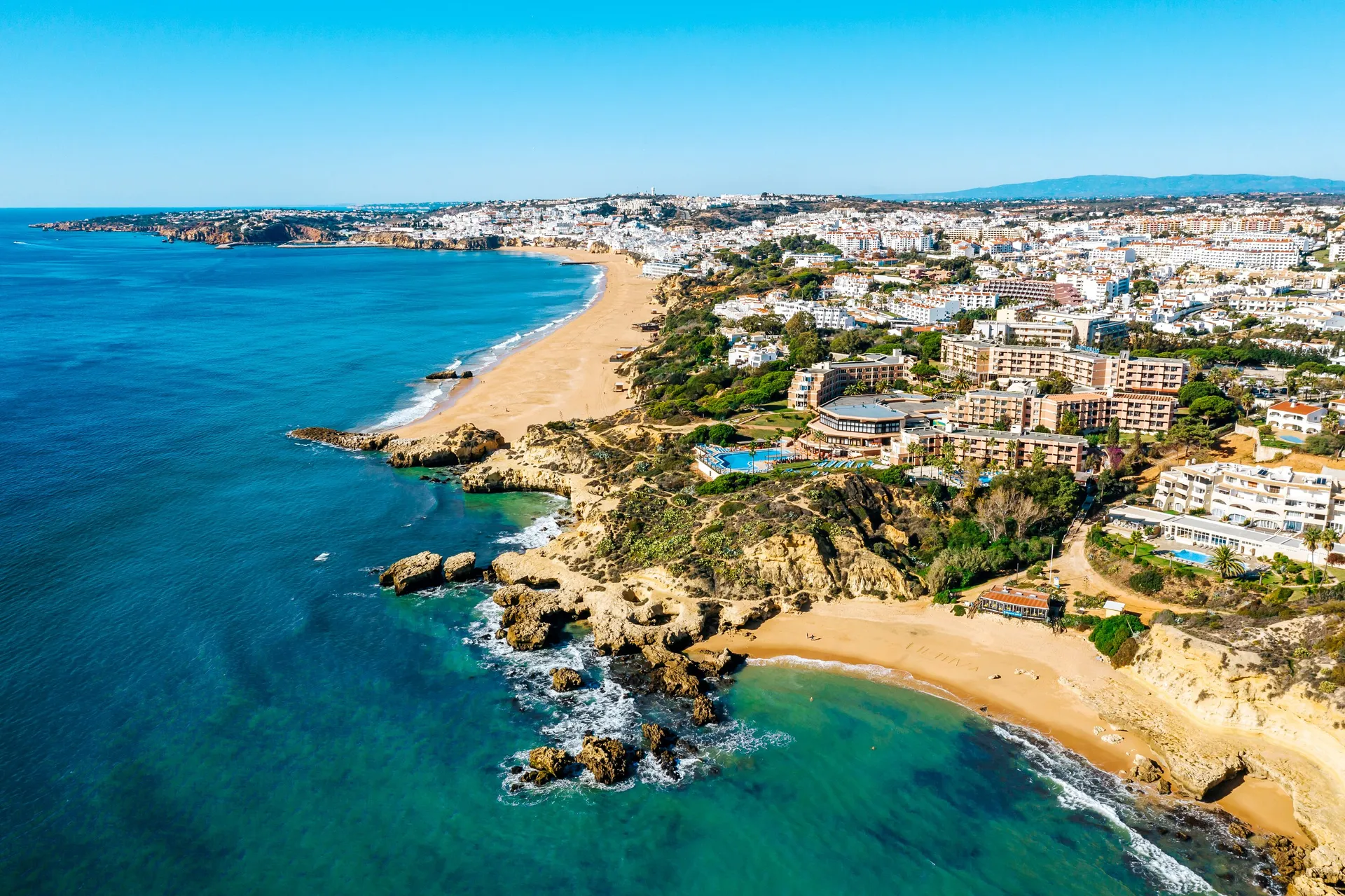

£204
ppSpecial Offers

Similar destinations to Portugal
Your Portugal Questions Answered
Find out more about visiting Portugal with the answers to these frequently asked questions.
We're here to help
Portuguese cuisine is known for its fresh seafood, hearty stews, and delicious pastries. Popular dishes include bacalhau (salted cod), pastéis de nata (custard tarts), and caldo verde (green soup). Don't miss trying some Portuguese wine, particularly port.
The food in Portugal is safe to eat. The country has strict food safety regulations, and you’ll find fresh, high-quality ingredients in most restaurants and markets.
Yes, travel insurance is recommended for a trip to Portugal. It can cover medical emergencies, trip cancellations, and lost luggage, ensuring peace of mind during your travels.
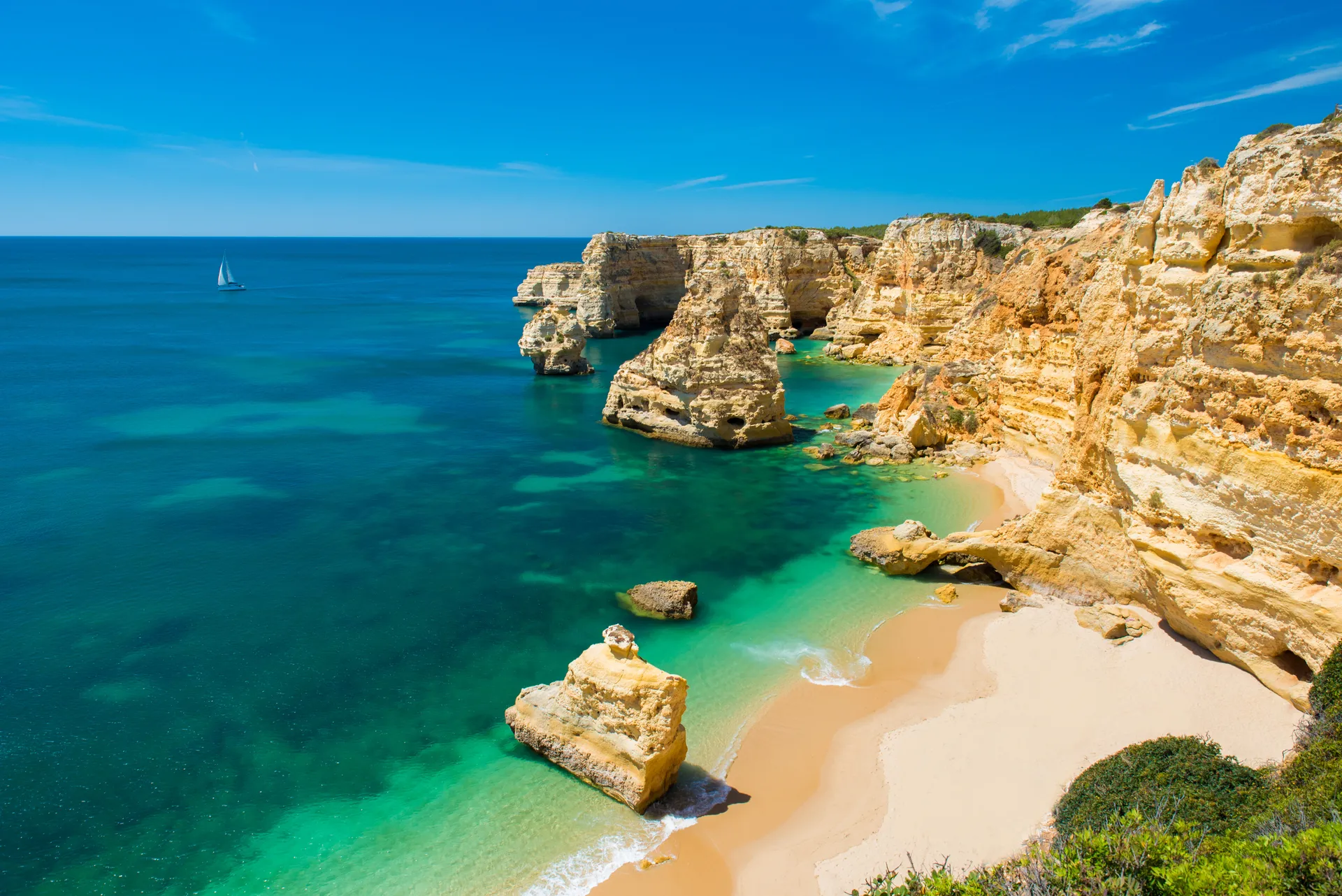
Must-see attractions in Portugal include exploring the vibrant, riverside city of Porto and its UNESCO-listed historic centre, the stunning beaches of the Algarve, the wine cellars of Porto, and the beautiful town of Sintra with its fairy-tale palaces, and cruising through the scenic Douro Valley.
Yes, when visiting Portugal, it’s polite to greet with a handshake and to use formal titles when addressing people. It’s also customary to tip around 5-10% in restaurants if the service is good.
Pack comfortable walking shoes, light clothing for warm days, and a jacket for cooler evenings. A hat and sunscreen are useful for sunny days, and a light sweater or coat is recommended for evenings, especially by the coast.
The best time to visit Portugal is during the spring (March to May) and autumn (September to November), when the weather is pleasant and mild, with temperatures ranging from 15°C to 25°C (59°F to 77°F). These seasons offer great conditions for sightseeing and outdoor activities.
Yes, Portugal is considered very safe for tourists. As with any destination, it's always wise to take precautions, such as keeping an eye on your belongings in busy areas and avoiding isolated places at night.
Portuguese is the official language. English is commonly spoken in tourist areas, especially in cities, making it easy for visitors to communicate.
The currency used in Portugal is the Euro (EUR). Credit and debit cards are widely accepted, but it’s a good idea to carry some cash for smaller purchases, particularly in rural areas and local markets.
