Croatia All Trip Types
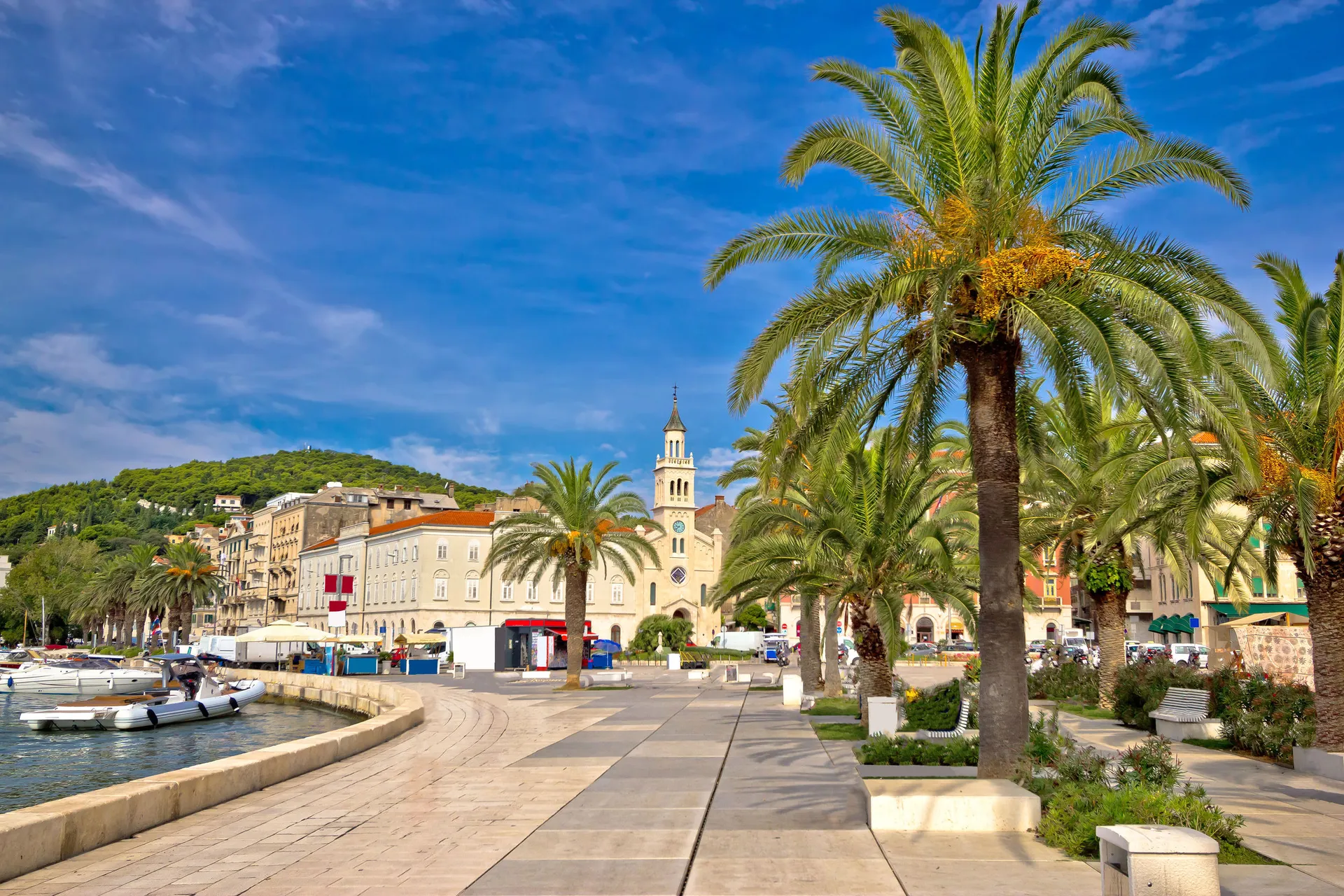
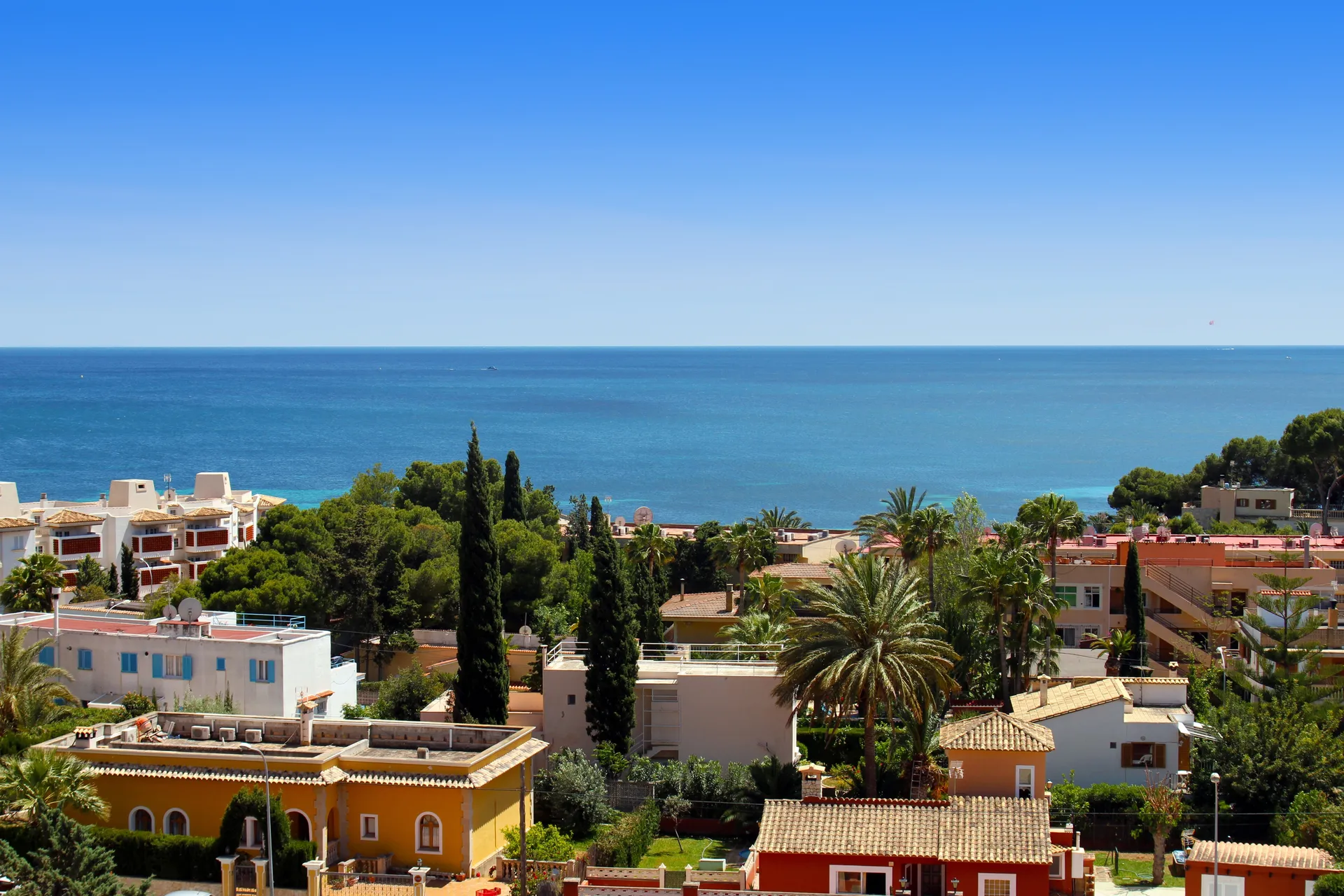
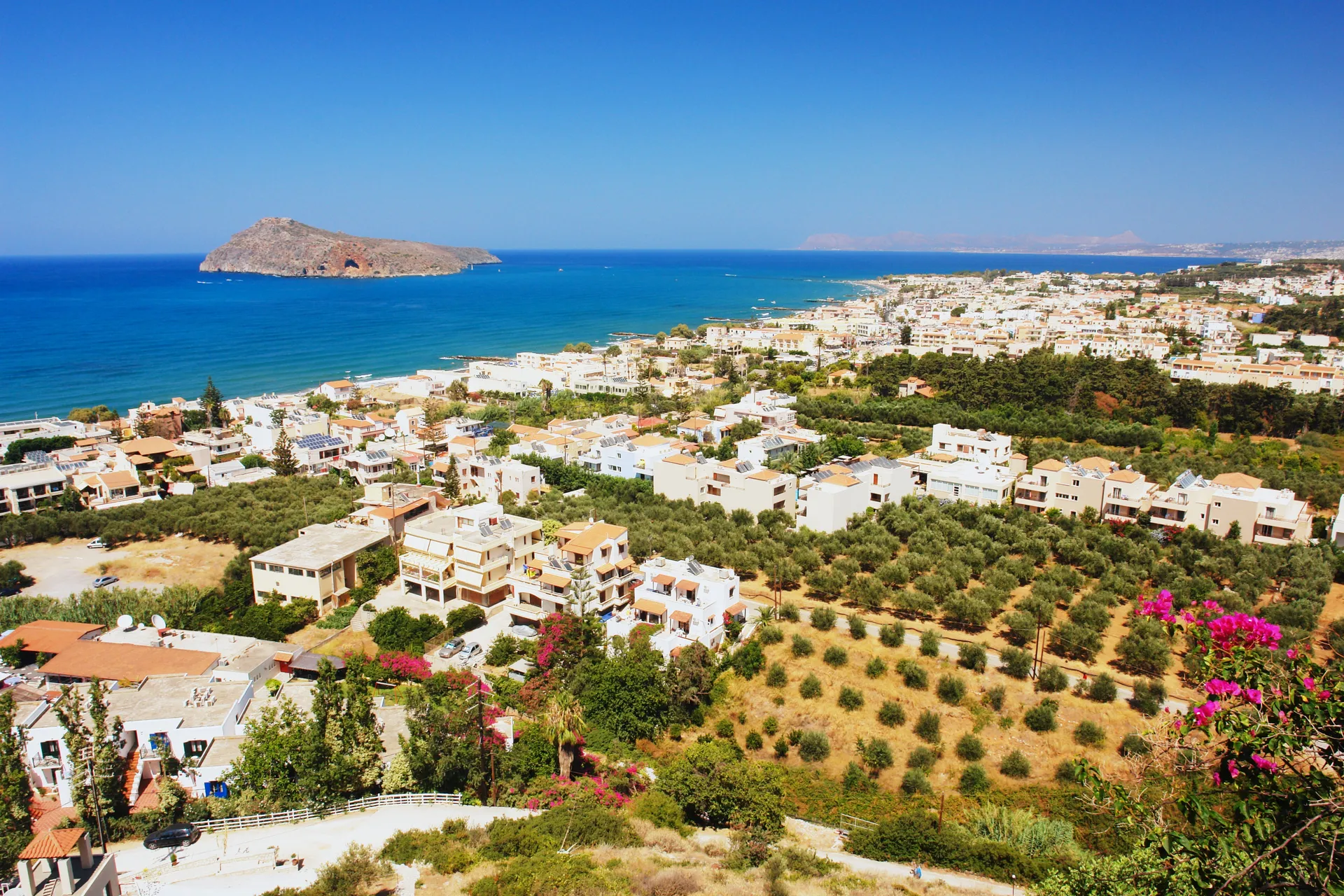
Croatia is one of Europe's top beach destinations and has become increasingly popular over recent years. A secret known only to locals until the 90s, Croatia is becoming increasingly popular with holiday makers looking to escape to its beautiful shores throughout the summer. Croatia has much more to offer though than just sea and sunshine, the country is renowned for its picturesque walled towns and cities, unspoiled national parks and mouth-watering cuisine. A historical treasure trove, Croatia has an impressive seven UNESCO World Heritage Sites within its borders. It really is a flawless mix between old and new with up-to-date tourist attractions positioned side by side to museums, cathedrals, and Roman ruins.
Popular hotels in Croatia

£380
pp
£293
pp
£401
pp

£358
ppExplore Croatia

Your Croatia Questions Answered
Find out more about visiting Croatia with the answers to these frequently asked questions.
We're here to help
Croatian cuisine is fresh and varied, with Mediterranean influences. Enjoy dishes like pasticada (beef stew) in Split, fresh seafood along the coast, and local favourites like cheese, cured meats, and fresh olives. From casual cafés to fine dining, there’s something for every palate.
It is generally safe to eat food in Argentina, especially at reputable restaurants and hotels. As with any destination, it’s a good idea to stick to fresh, well-cooked food and drink bottled water.
Yes, travel insurance is highly recommended. It provides coverage for medical emergencies, trip cancellations, and lost luggage, ensuring peace of mind during your travels.
In Split, explore the ancient Diocletian’s Palace and stroll along the vibrant Riva promenade. In Dubrovnik, walk the historic city walls and visit the Old Town. Both areas offer easy access to stunning Adriatic islands, scenic beaches, and nature parks like Krka National Park, with its beautiful waterfalls.
Croatians appreciate politeness, so a simple “hvala” (thank you) is always welcomed. If visiting churches or other sacred sites, make sure to keep your shoulders covered and avoid having bare legs. Dress codes are pretty relaxed along the coast, but keep in mind that Split, Dubrovnik, and Hvar have rules against walking around town in swimwear.
Pack lightweight clothing for warm weather, especially if visiting in summer, along with comfortable shoes for walking in historic areas. Swimwear, sun protection, and a hat are must-haves for the beaches. If visiting in spring or autumn, bring a light jacket for cooler evenings.
The best times to visit Croatia, are late spring (May to June) and early autumn (September to October). During these months, the weather is warm, the sea is pleasant, and there are fewer crowds than in peak summer. July and August are very popular but will be more crowded.
Yes, Croatia is considered very safe for tourists. Though it’s wise to keep an eye on personal belongings, especially in busy tourist spots. Locals are friendly and accustomed to welcoming visitors.
Croatian is the official language in Croatia. English is widely spoken in tourist areas, so getting around and communicating is usually easy.
The currency used in Croatia is the Euro (EUR). Credit cards are widely accepted, but it’s helpful to carry some cash for smaller vendors or in remote areas. ATMs are available in most towns, cities, and tourist areas.
