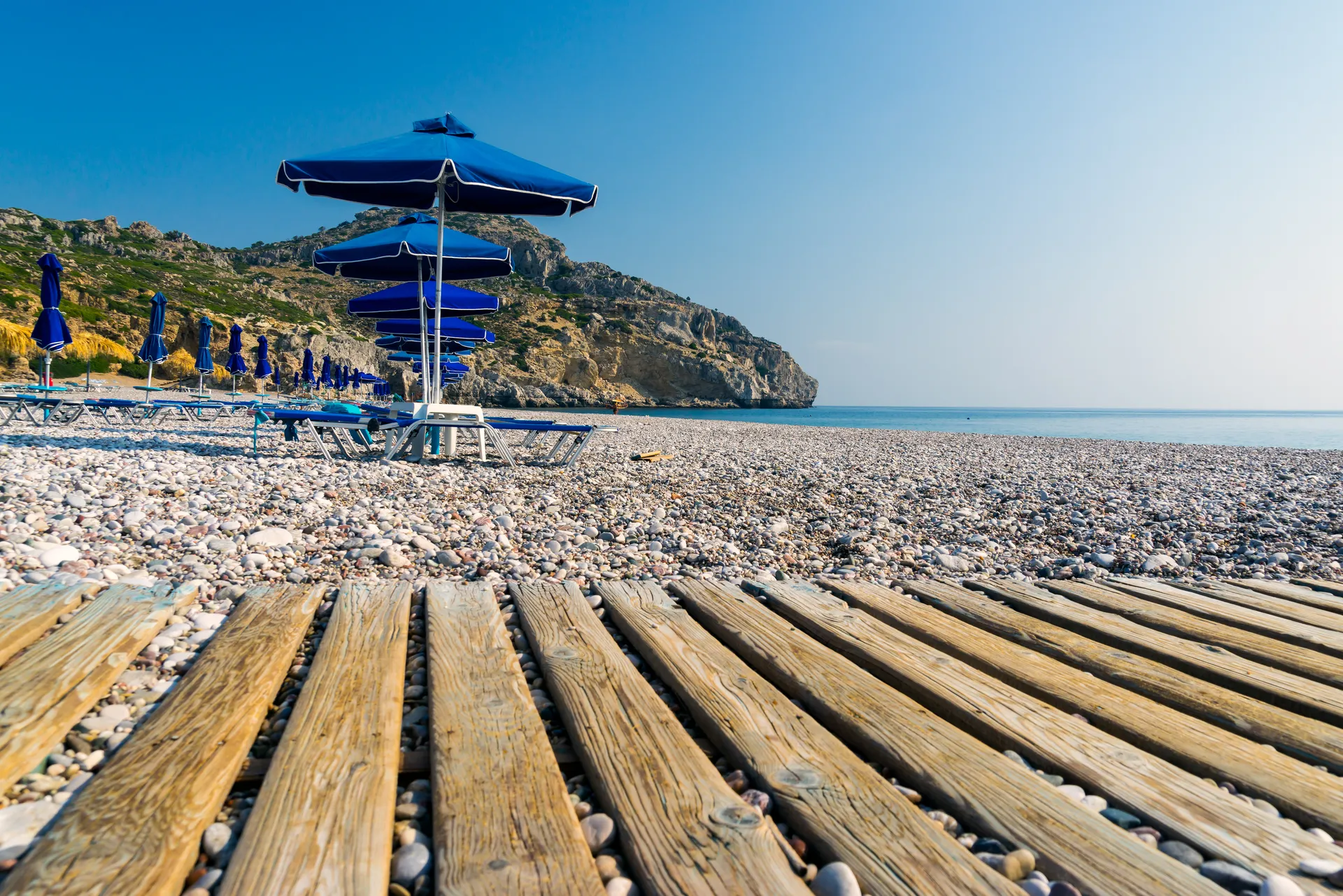
Discover Greece
Greece is a destination where ancient history, beautiful coastlines and welcoming Mediterranean culture come together. From the historic landmarks of Athens to the sun-soaked beaches of Crete, Rhodes and Corfu, the country offers something for every type of traveller. Whether you're looking to explore fascinating archaeological sites, relax beside turquoise waters or experience traditional Greek hospitality, Greece is an ideal choice for a memorable holiday.
Why visit Greece?
Greece is home to some of Europe's most remarkable historical attractions, alongside beautiful islands and picturesque coastal towns. In Athens, discover the iconic Acropolis and Parthenon, explore the charming streets of Plaka and visit museums showcasing thousands of years of history.
The Greek islands offer a different experience, with each destination having its own character. Crete combines beautiful beaches with mountain scenery and ancient Minoan heritage, while Rhodes is known for its medieval Old Town and golden coastline. Corfu offers lush green landscapes, Venetian architecture and secluded bays, while Santorini is famous for its whitewashed villages and spectacular views across the Aegean Sea.
Culture and character
Greek culture is deeply connected to its ancient history, traditions and strong sense of community. From archaeological treasures and Byzantine churches to lively village squares and traditional festivals, there are plenty of opportunities to experience the country's heritage.
Hospitality is an important part of Greek life, and visitors will often find a warm welcome in family-run tavernas and local communities. Traditional music, dancing and religious celebrations remain an important part of everyday culture, particularly in smaller towns and villages.
Food and drink
Greek cuisine is celebrated for its fresh ingredients, Mediterranean flavours and simple, traditional recipes. Popular dishes include moussaka, souvlaki and freshly prepared Greek salads, while coastal restaurants serve a variety of grilled fish and seafood.
Visitors can also enjoy tzatziki, spanakopita and dolmades, alongside local cheeses, olives and freshly baked bread. For something sweet, try baklava or loukoumades, traditional Greek doughnuts drizzled with honey. Local wines, ouzo and Greek coffee are also popular.
Best time to visit Greece
Greece enjoys a Mediterranean climate, with hot, dry summers and generally mild, wetter winters. The main holiday season runs from May to October, when warm temperatures and sunshine make the islands particularly appealing.
July and August are the hottest and busiest months, especially in popular coastal resorts. May, June, September and early October often offer pleasant conditions for sightseeing and exploring, with fewer crowds and more comfortable temperatures.
Travel information
Greek is the official language, although English is widely spoken in tourist areas. The local currency is the euro, and Greece is two hours ahead of the UK throughout the year. Comfortable walking shoes are recommended for exploring historical sites, while lightweight clothing and sun protection are useful during the warmer months.
Discover Greece with Mercury Holidays
Discover the beauty of Greece with Mercury Holidays, whether you're planning a relaxing beach holiday or a journey through the country's fascinating history. Choose from a selection of handpicked hotels in destinations including Crete, Rhodes, Corfu and Halkidiki, with accommodation options to suit different preferences and budgets.
For those looking to explore further, our escorted tours offer the opportunity to discover Greece's remarkable archaeological sites and cultural highlights with knowledgeable local guides. From peaceful island escapes to unforgettable historical experiences, find your ideal Greek holiday with Mercury Holidays.
Popular hotels in Greece







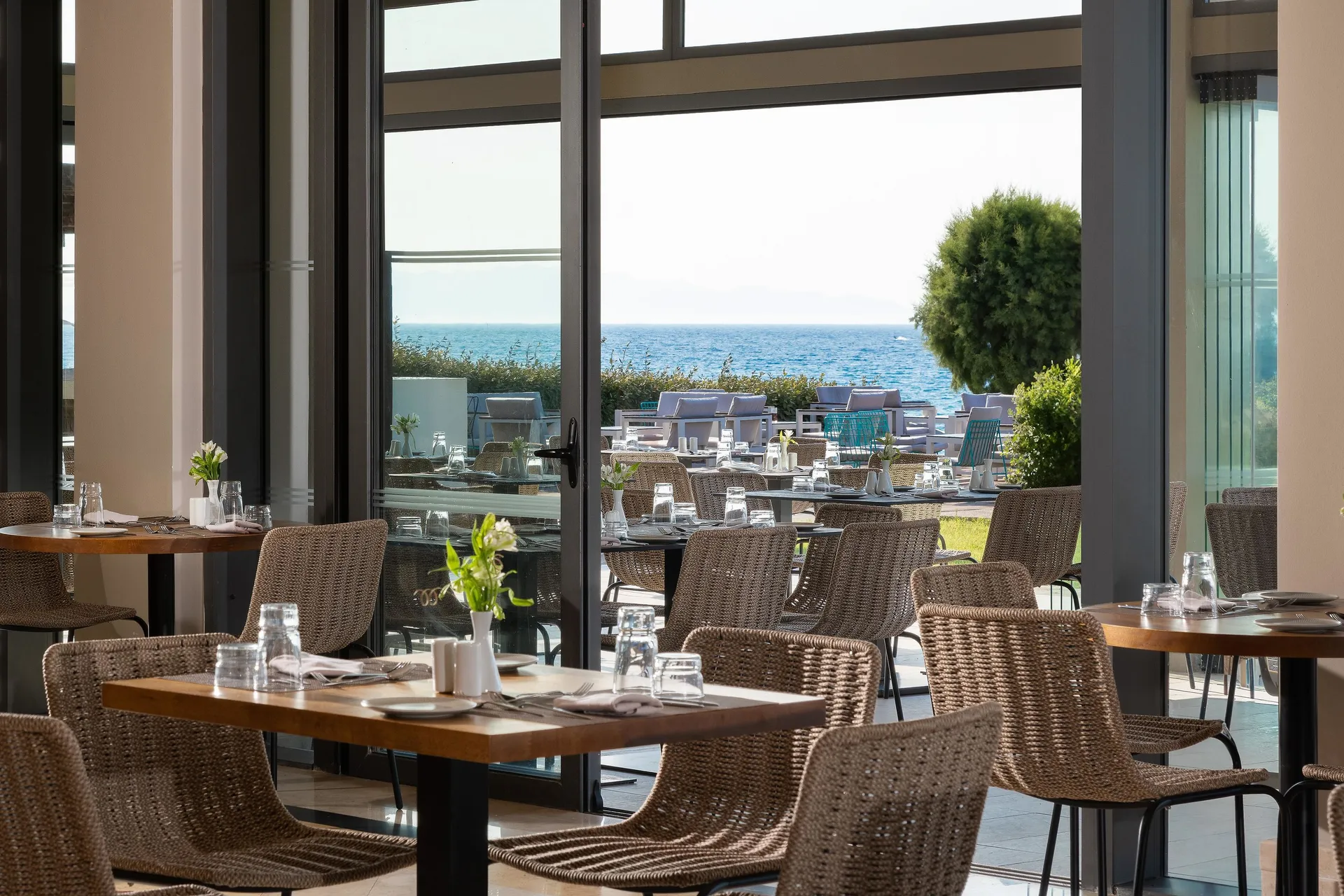












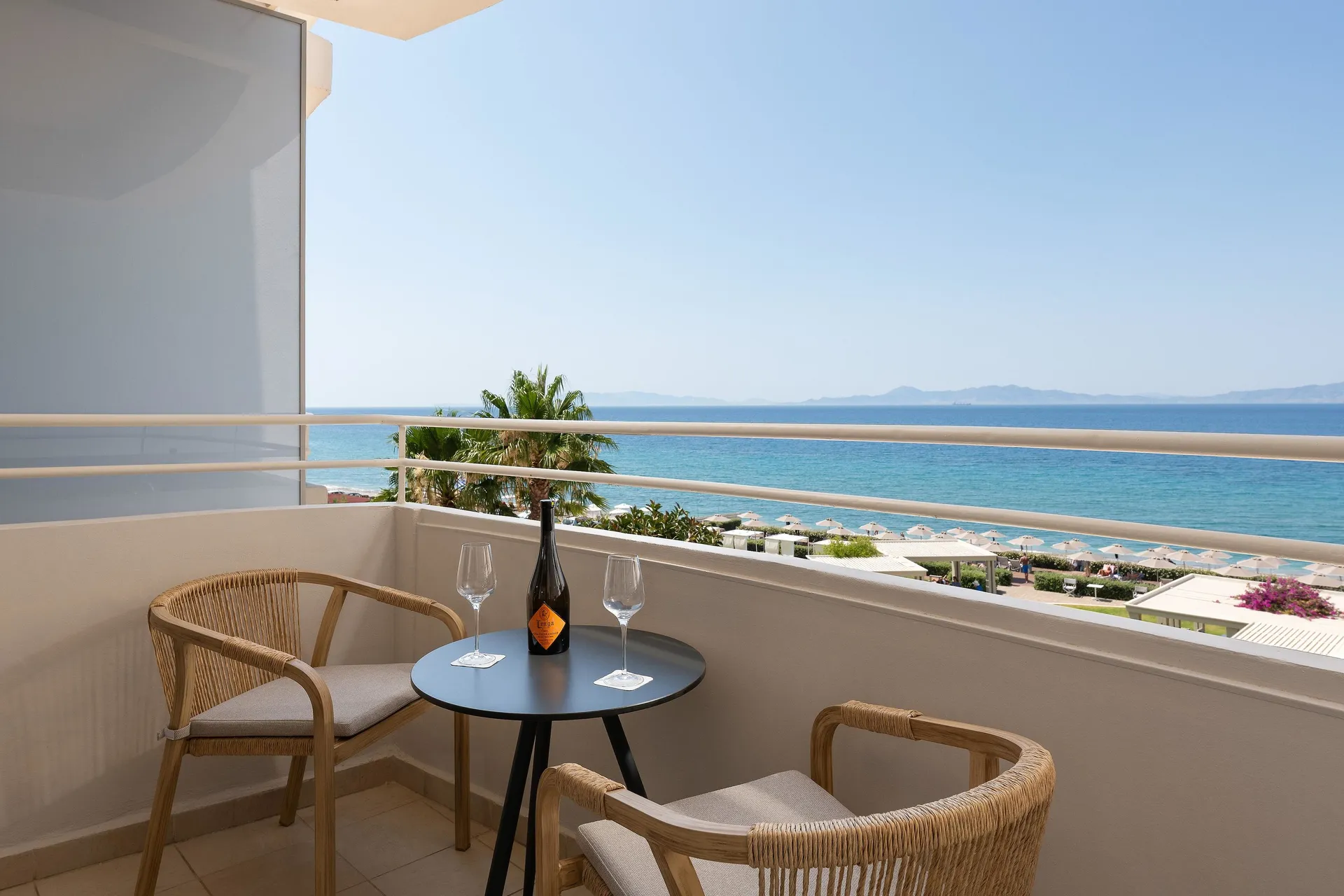

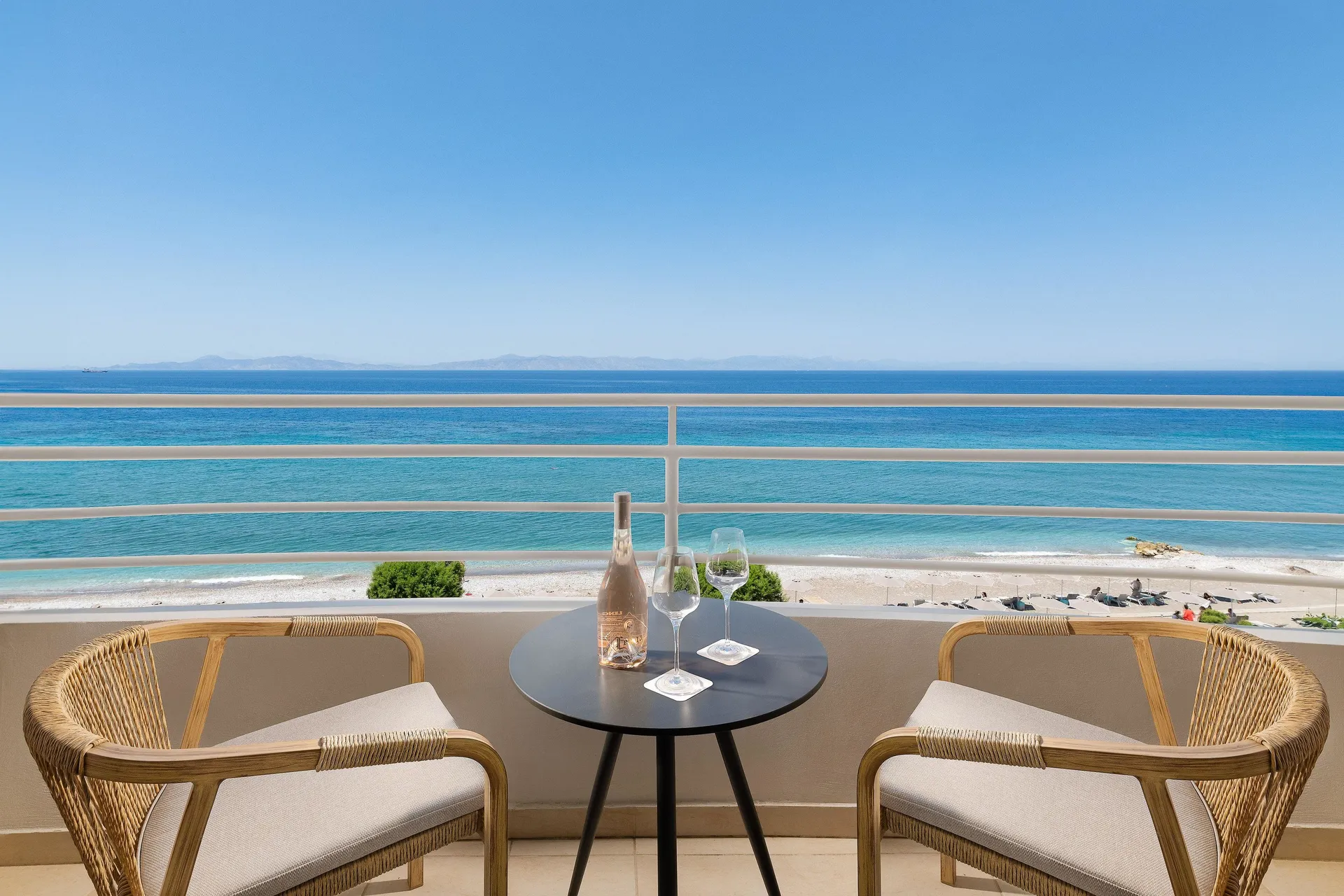












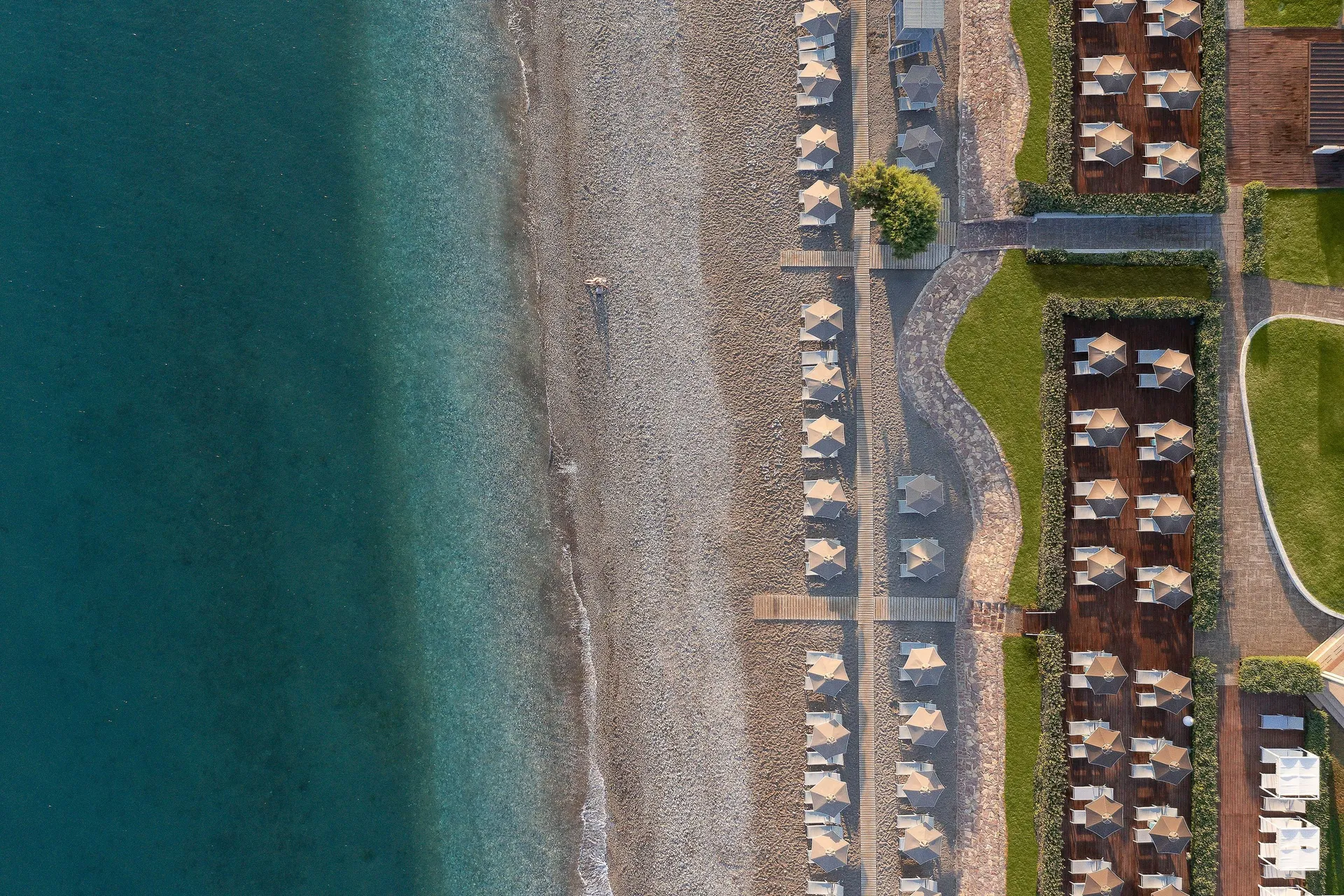

£517
pp
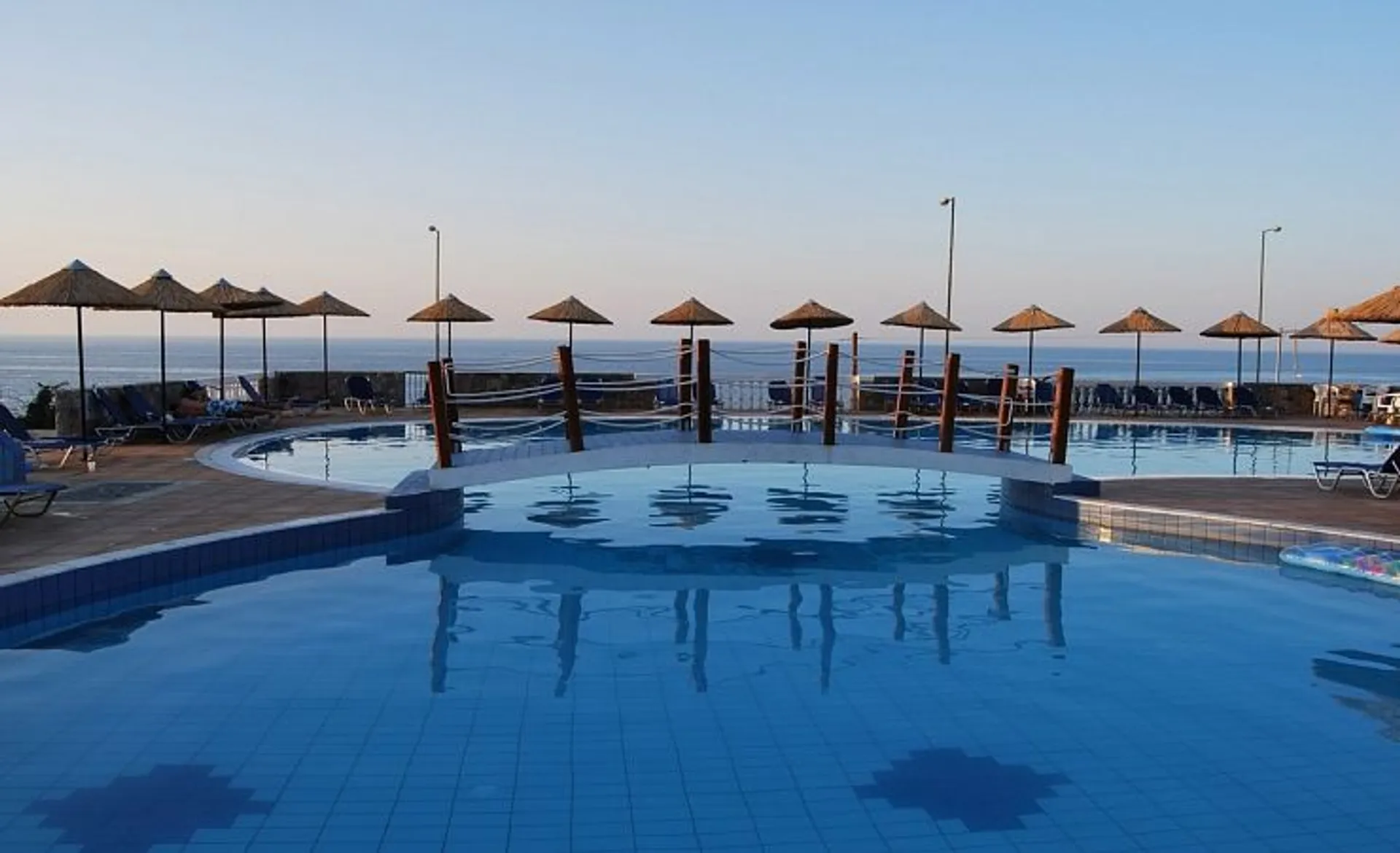







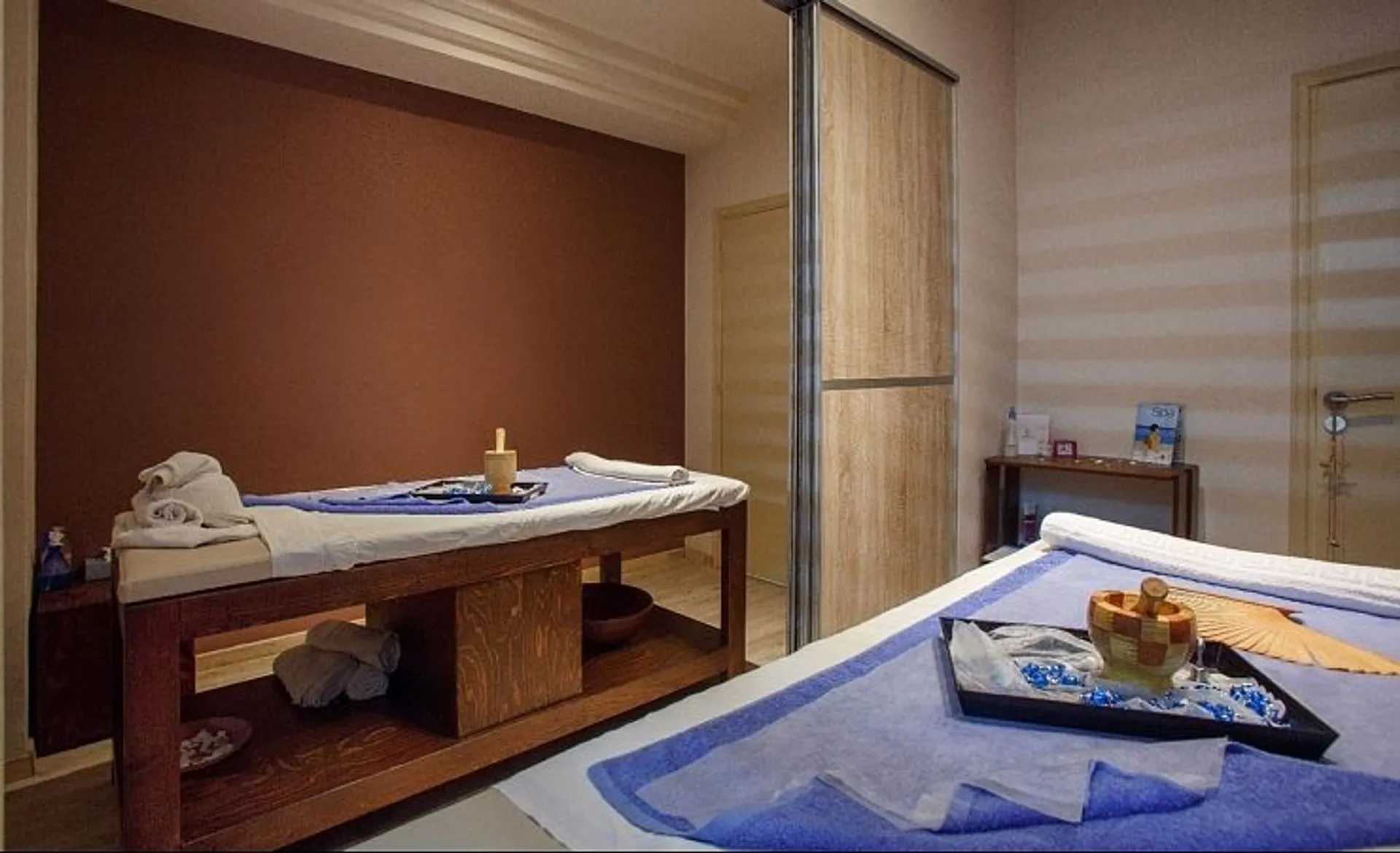

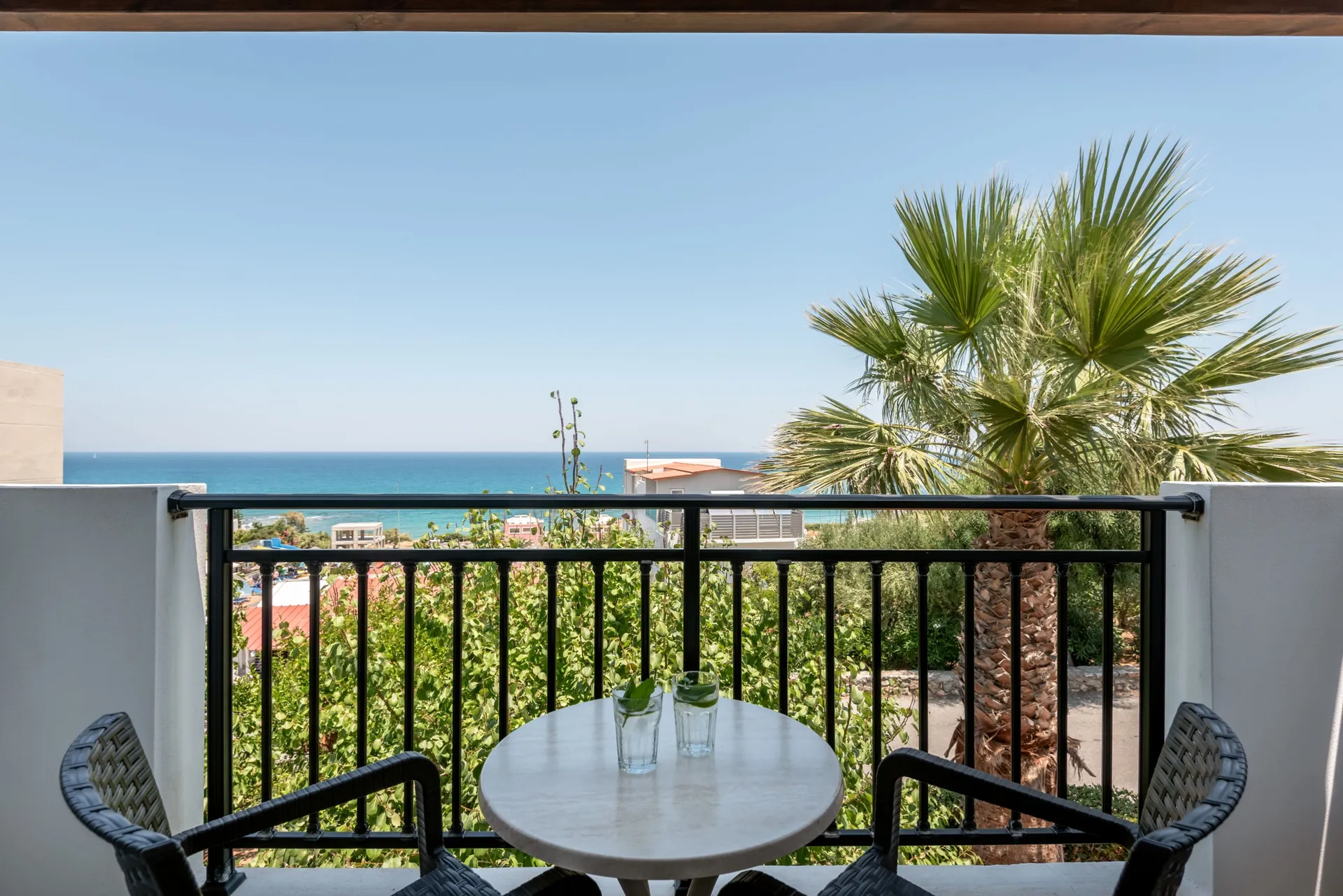
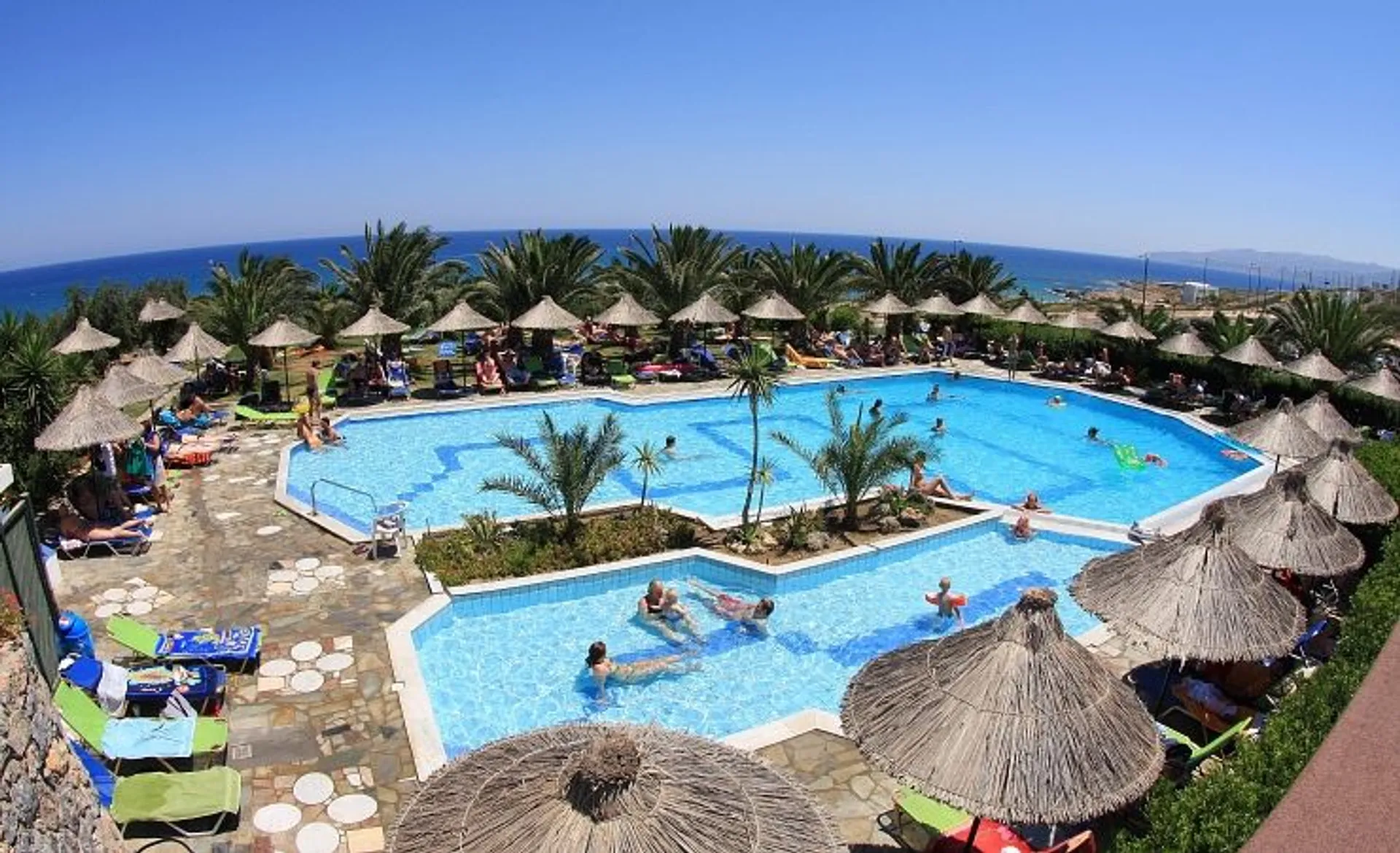











£359
pp

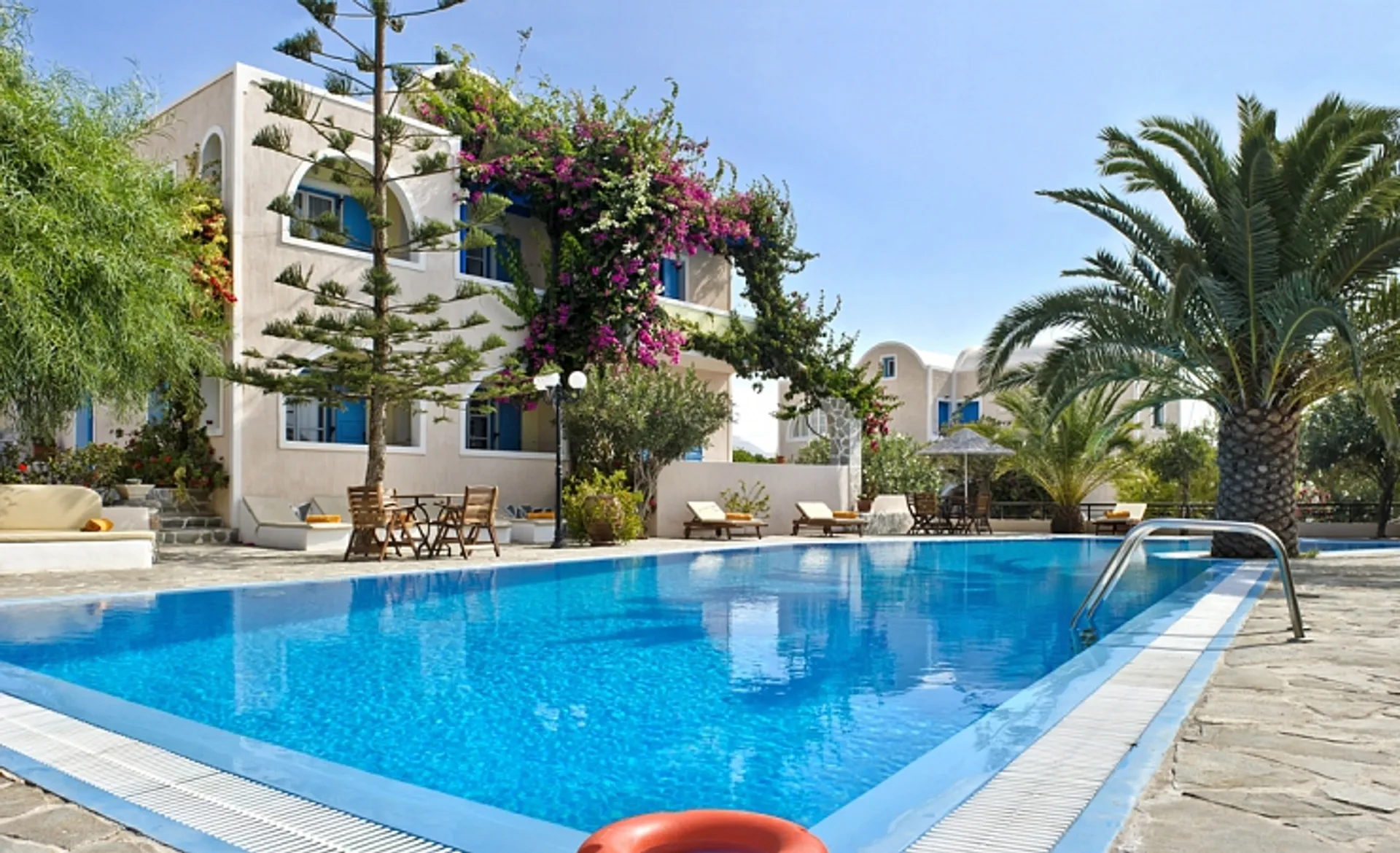
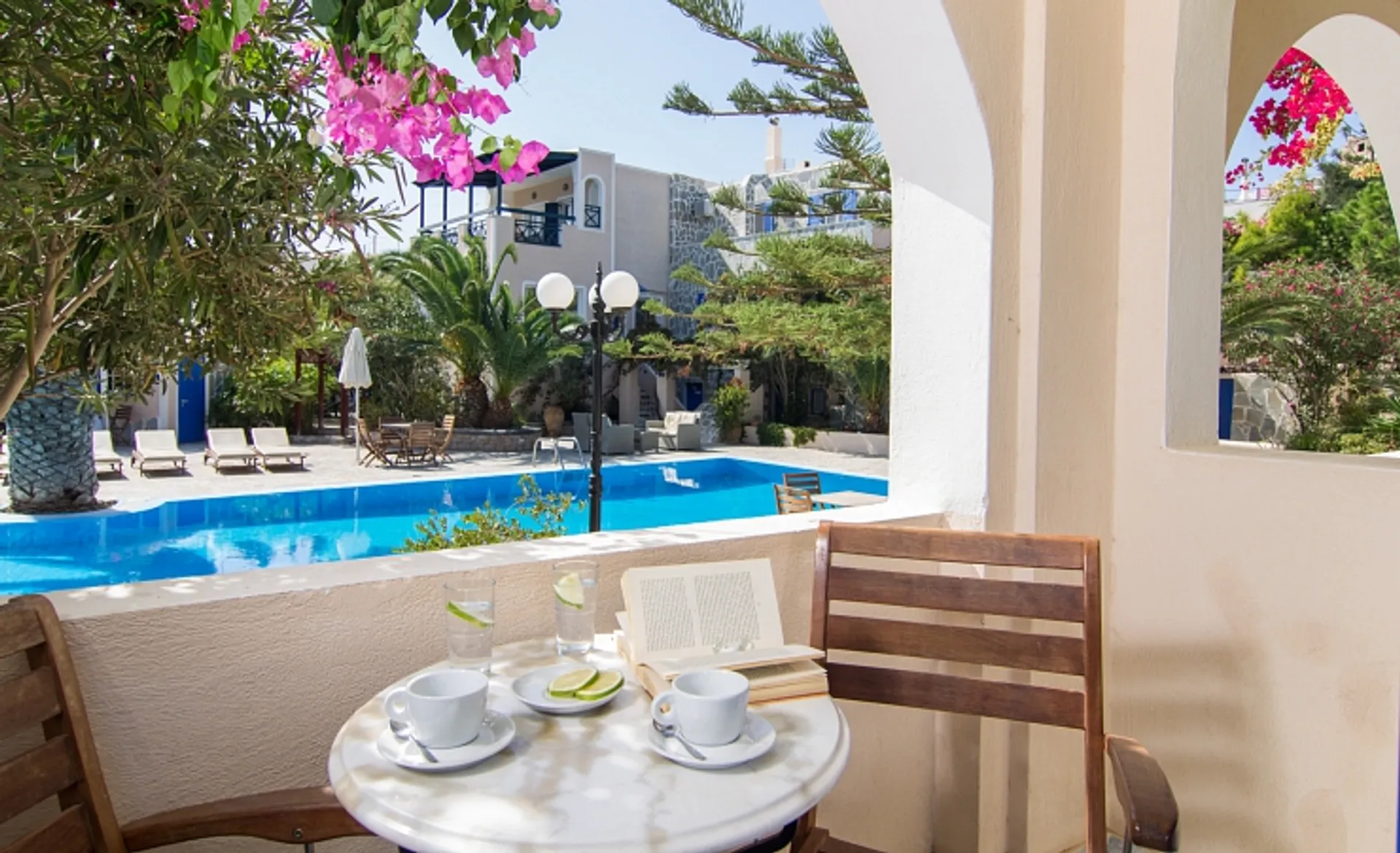
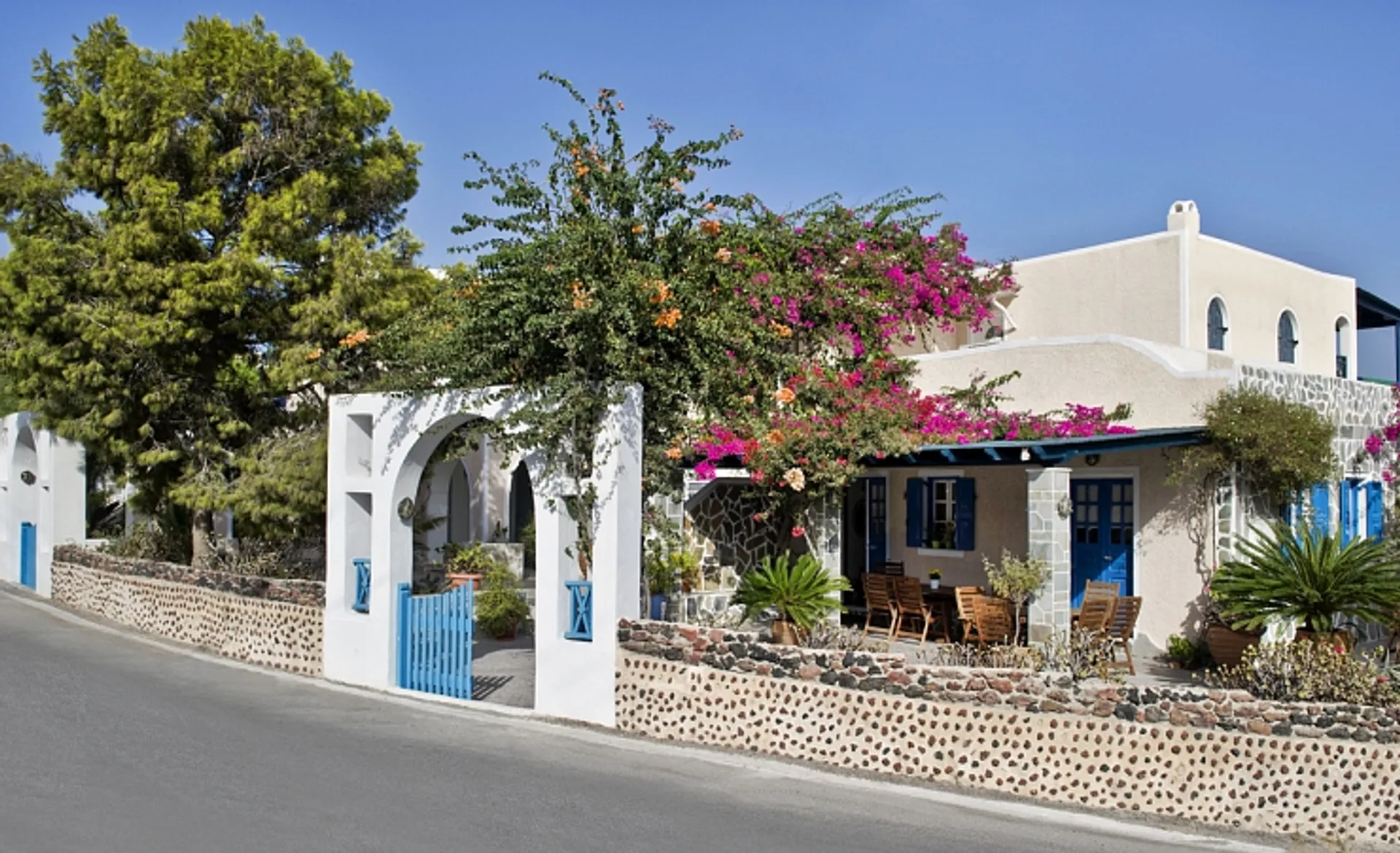









£420
pp





















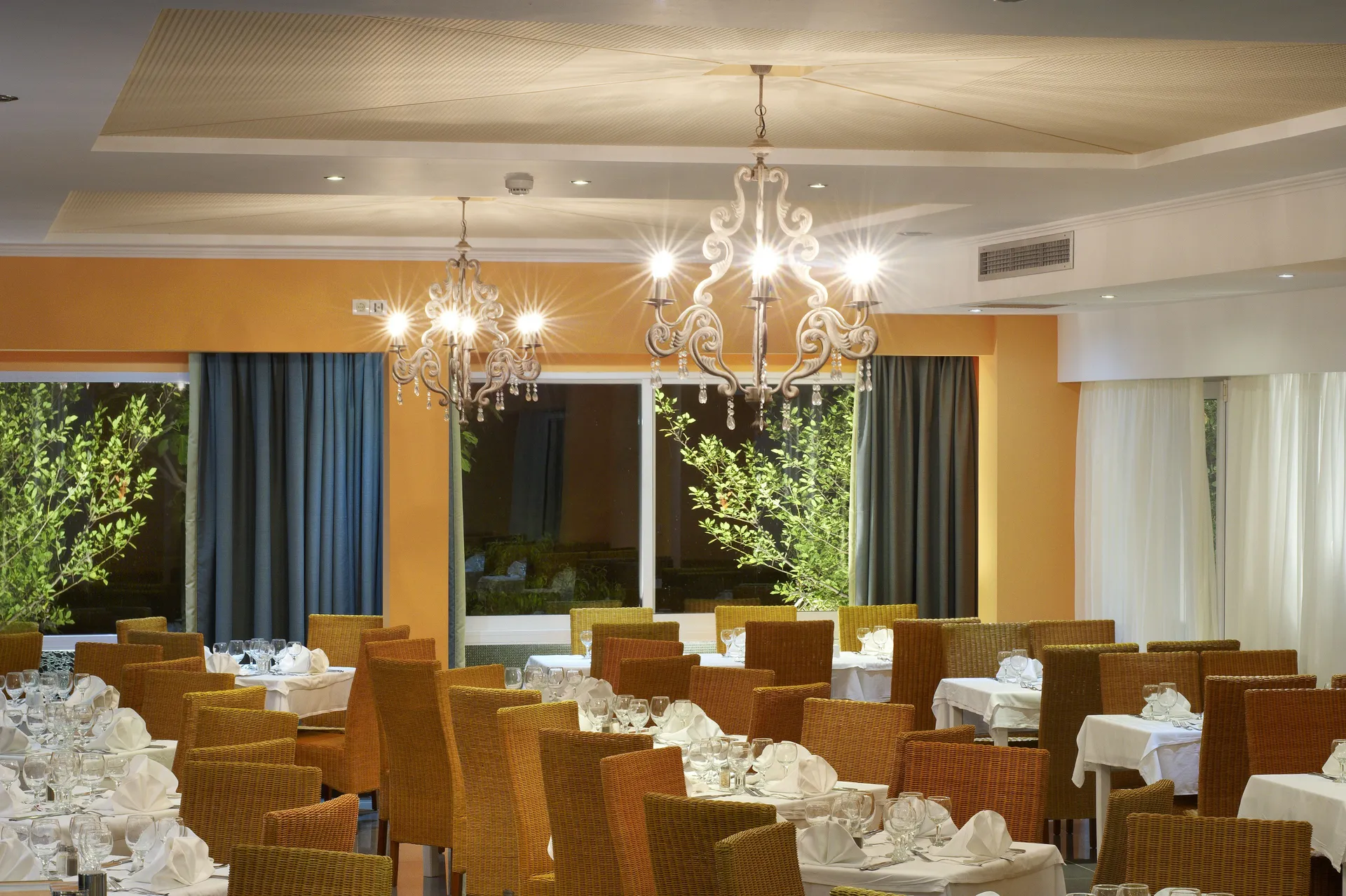




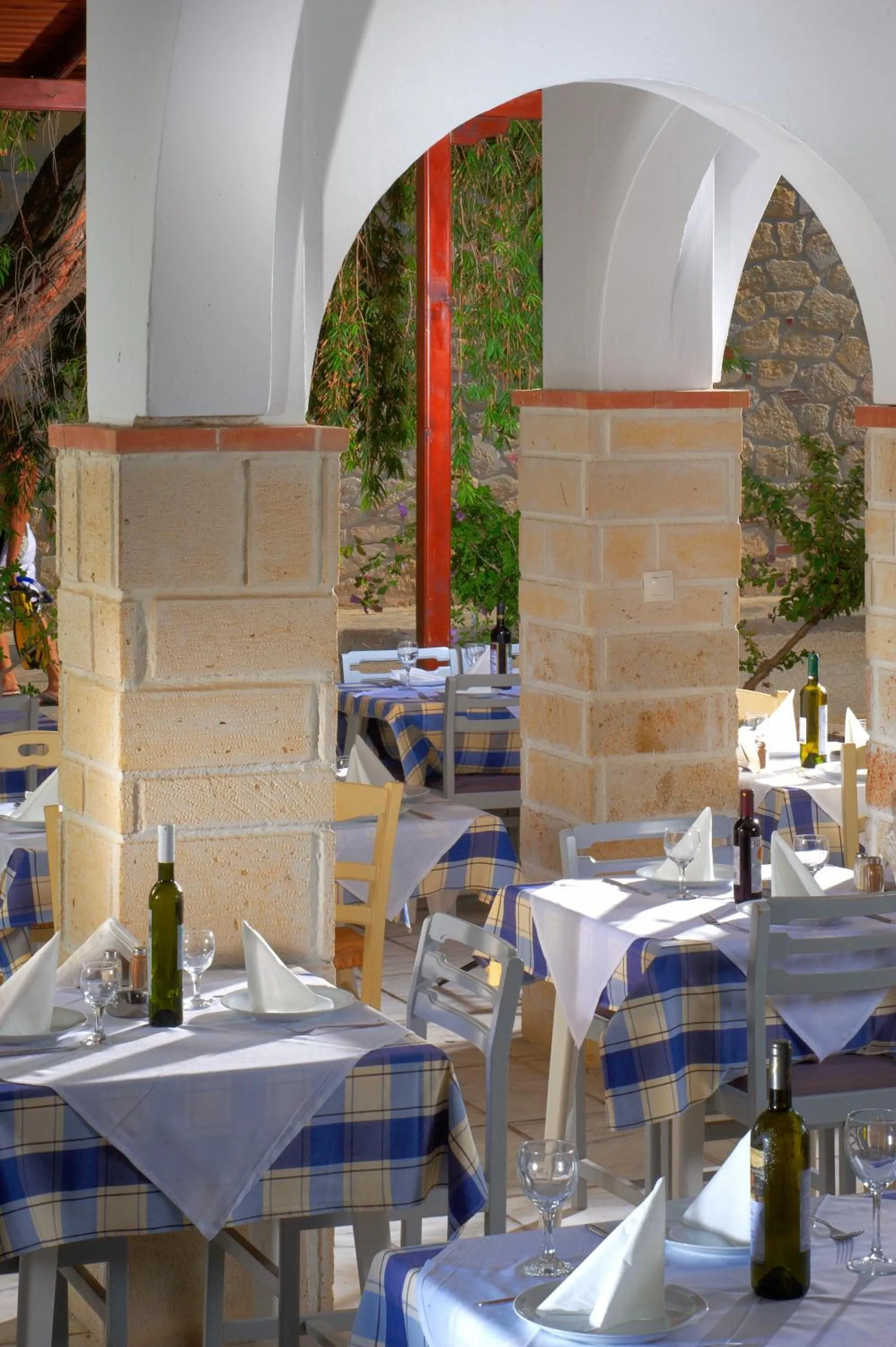








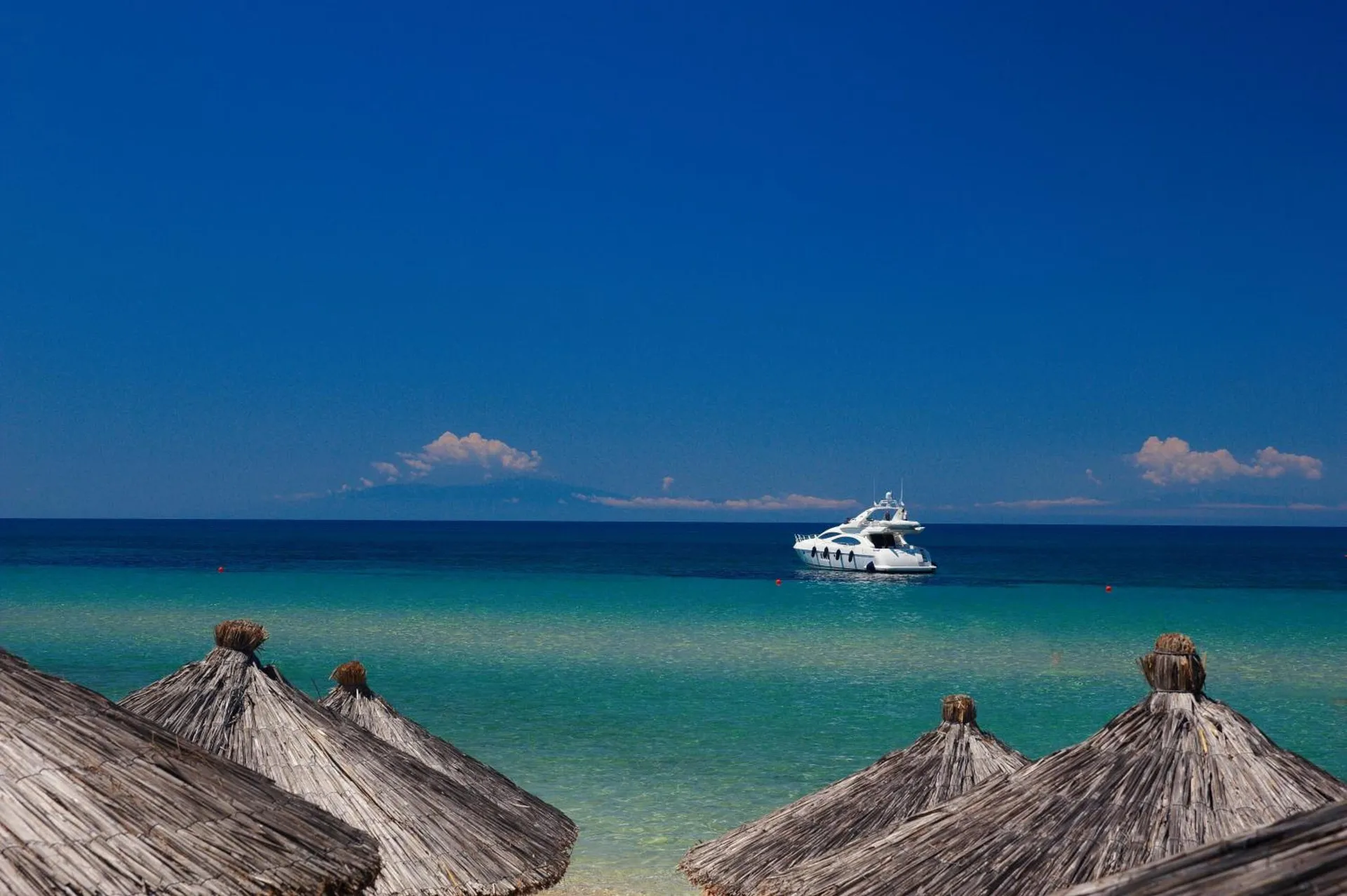


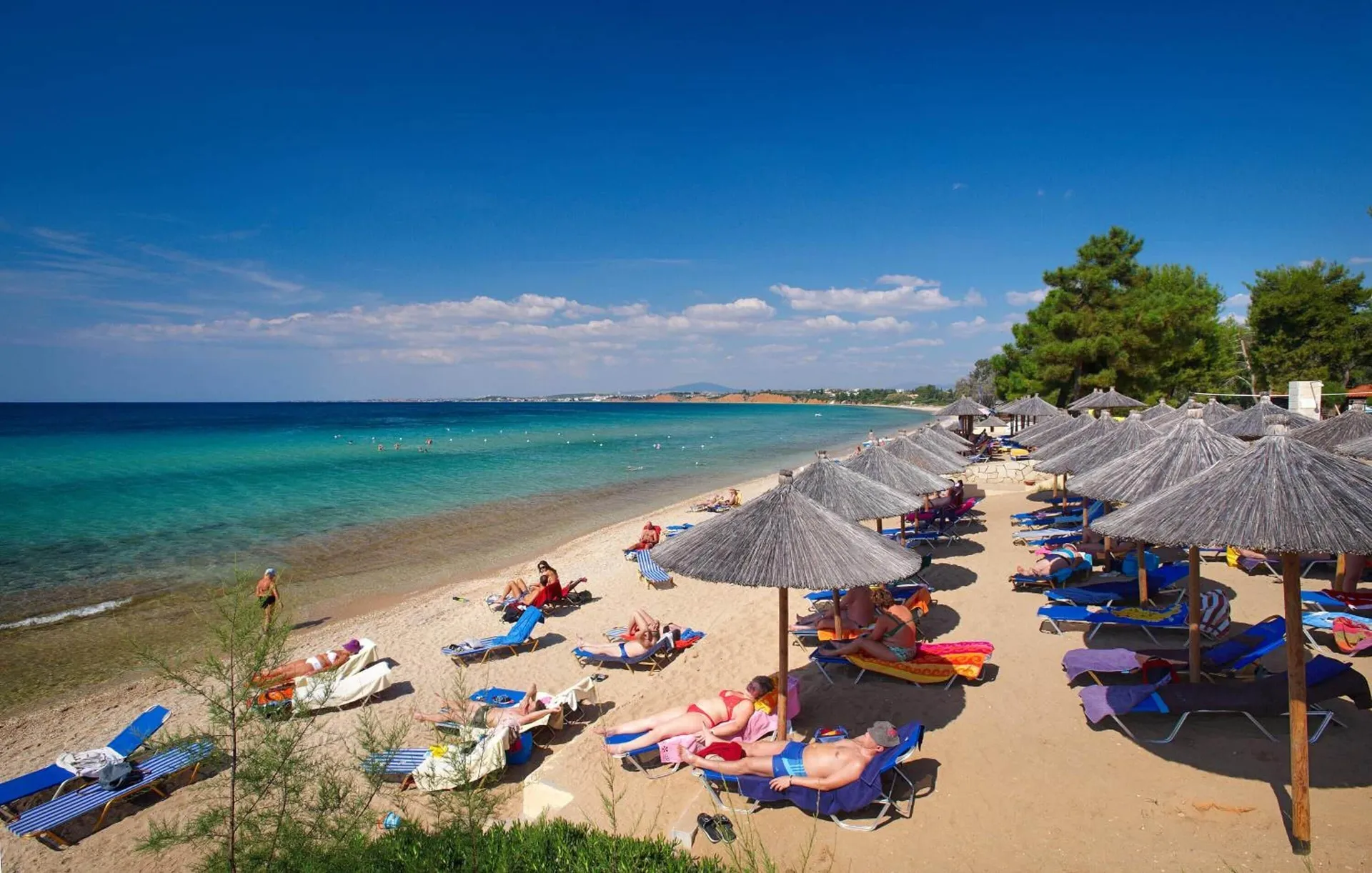







£326
ppSpecial Offers




Your Greece Questions Answered
Find out more about visiting Greece with the answers to these frequently asked questions.
We're here to help
Greek cuisine is known for its fresh ingredients, olive oil, and Mediterranean flavours. Popular dishes include moussaka, souvlaki, tzatziki, and fresh seafood. Don’t miss out on Greek salad, spanakopita, and baklava for dessert.
Food in Greece is generally safe to eat. Stick to freshly prepared meals at reputable restaurants or food stalls.
Yes, travel insurance is recommended when visiting Greece. It can cover medical emergencies, trip cancellations, lost luggage, and other unexpected events, offering peace of mind during your trip.
Must-see attractions in Greece include the stunning beaches of the Greek Islands, the beautiful town of Santorini, and the charming villages of Crete and Corfu. Explore Athens for its iconic ancient landmarks and vibrant culture, and visit Delphi for its fascinating archaeological sites and historical significance. For lively streets and nightlife, head to Mykonos, or enjoy dramatic cliffs and crystal-clear waters in Zakynthos.
Yes, it’s respectful to dress modestly when visiting religious sites, such as churches and monasteries. Remove your shoes before entering certain places, and always greet locals with a friendly “Kalimera” (Good morning). Tipping around 5-10% in restaurants is appreciated but not compulsory.
Pack lightweight, breathable clothing for warm days, swimwear, sunscreen, and a hat for sun protection. Comfortable walking shoes are perfect for exploring ancient sites and villages, and a light jacket for cooler evenings, especially in spring and autumn.
The best time to visit Greece is from May to October when the weather is pleasant and mild, with temperatures ranging from 20°C to 30°C (68°F to 86°F). This period offers ideal conditions for exploring the beaches, ancient ruins, and charming villages. The summer months can be warmer, perfect for beach holidays, while spring and autumn are great for sightseeing.
Greece is generally considered safe for tourists. Like in any destination, it's important to take standard safety precautions, such as keeping an eye on your belongings and avoiding isolated areas at night.
Greek is the official language, but English is widely spoken in tourist areas, hotels, and restaurants, making it easy for visitors to communicate.
The currency used in Greece is the Euro (EUR). Credit and debit cards are widely accepted in major cities and tourist areas, but it’s recommended to carry some cash for smaller purchases or visits to more rural areas.
