Kenya All Trip Types
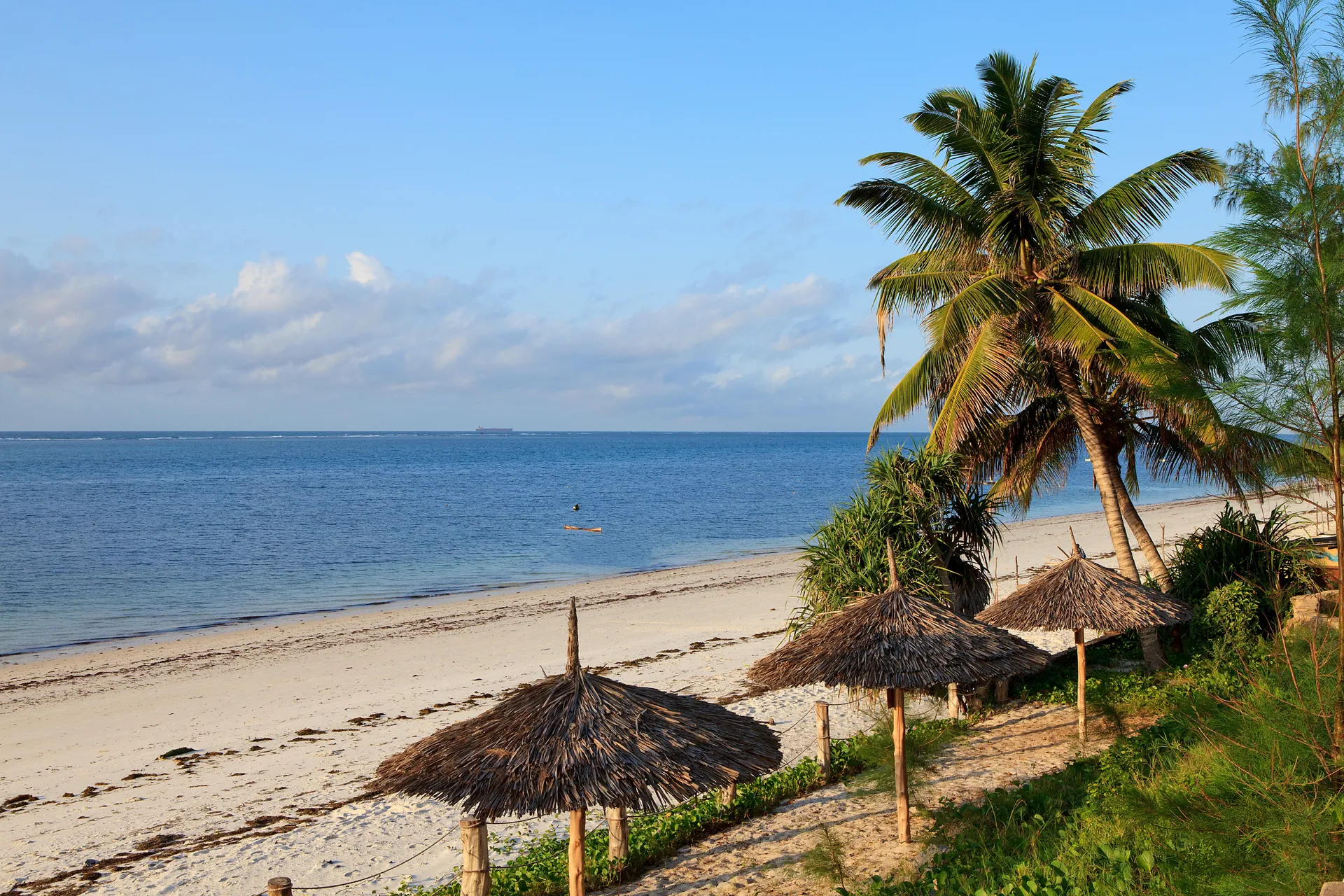
Located on the East Coast of Africa, Kenya's blazing sunsets stretching over its inviting crystal-clear waters and powder soft sands will entice sun-worshippers all year round. A land of outstanding diversity, Kenya's captivating landscape, prosperous wildlife and rich cultural splendour provides endless opportunities for guests of this magnificent country.
Popular hotels in Kenya


£896
pp

£1,196
pp
£1,080
pp
£1,079
ppSpecial Offers


Your Kenya Questions Answered
Find out more about visiting Kenya with the answers to these frequently asked questions.
We're here to help
Kenyan cuisine features staples like nyama choma (grilled meat), ugali (maize porridge), and sukuma wiki (stir-fried greens). With influences from Indian and Swahili cooking, there’s a variety of flavours to suit every taste.
It is generally safe to eat food in Kenya, especially at reputable restaurants and hotels. As with any destination, it’s a good idea to stick to fresh, well-cooked food and drink bottled water.
Yes, travel insurance is highly recommended. It provides coverage for medical emergencies, trip cancellations, and lost luggage, ensuring peace of mind during your travels.
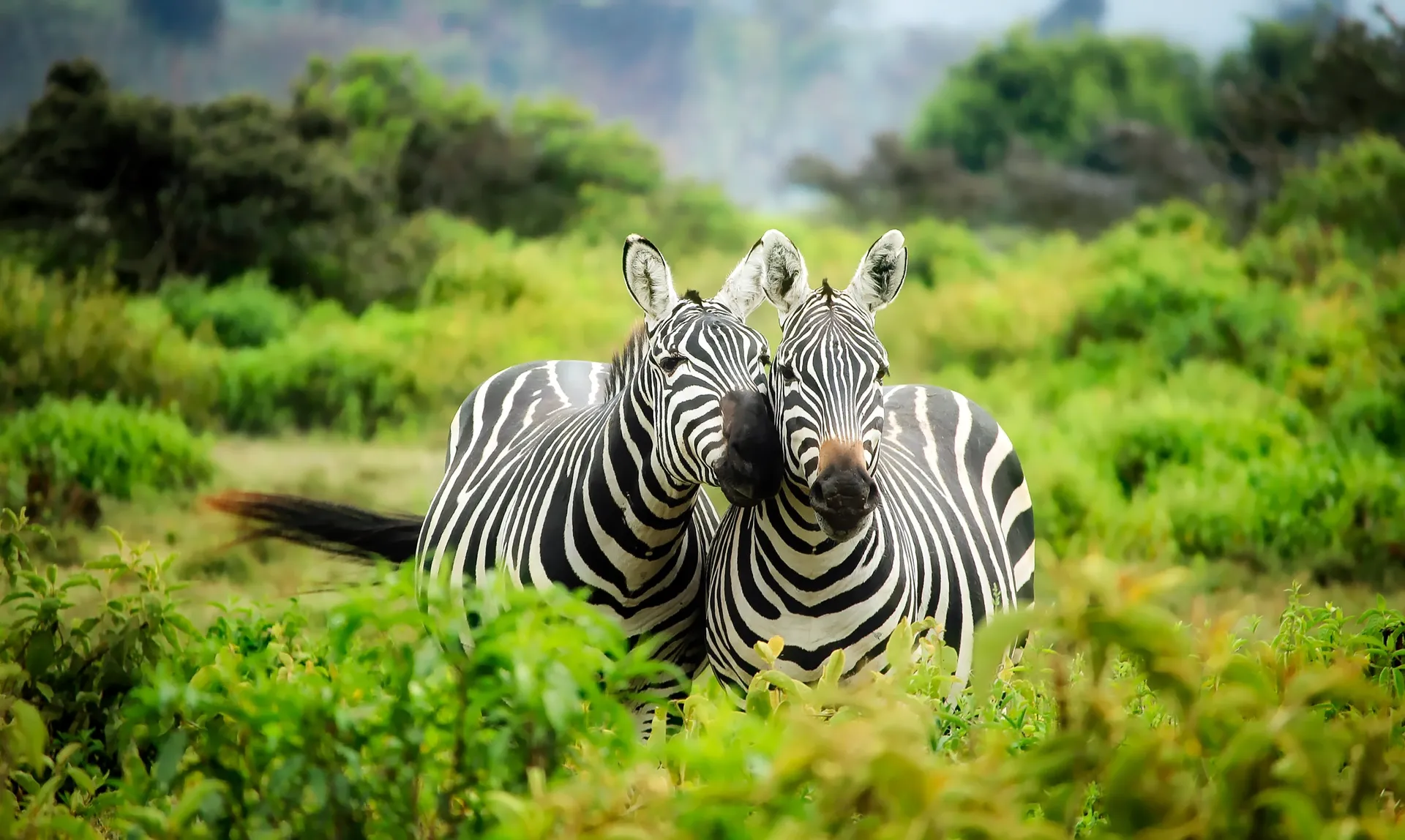
Kenya’s must-see attractions combine wildlife and beach adventures. The Maasai Mara National Reserve offers unmatched wildlife viewing, while Amboseli National Park has spectacular views of Mount Kilimanjaro.
For a beach escape, Mombasa and Diani Beach provide beautiful coastal settings with activities like snorkelling, diving, and dolphin spotting. From these coastal hubs, visitors can also explore Nairobi’s national park, the Great Rift Valley lakes, and nearby cultural sites for a well-rounded holiday experience blending relaxation with adventure.
In Kenya, greetings are important, and it’s polite to shake hands. Dress modestly, especially in rural areas, and always ask for permission before taking photos of people. It’s also customary to show respect for local customs and elders.
Pack lightweight, breathable clothing for the day, as well as warmer layers for the evenings. Don't forget beachwear if visiting Kenya's stunning coast. Neutral colours are recommended for any safari activities with a wide-brimmed hat, sunscreen, insect repellent, and comfortable walking shoes.
The best times to visit Kenya are during the dry seasons, from January to March and June to October. These months are ideal for safaris and wildlife viewing, especially the Great Migration in the Maasai Mara from July to September.
Kenya is generally safe for tourists, particularly in popular areas like Nairobi, Mombasa, and national parks. Standard travel precautions are advised, such as avoiding isolated areas at night and keeping valuables secure.
Kenya has two official languages: English and Swahili. English is widely spoken in tourist areas, and learning a few Swahili phrases, like "jambo" (hello), can be a great way to connect with locals.
The currency used in Kenya is the Kenyan Shilling (KES). Credit cards are widely accepted in major cities and tourist areas, but carrying cash is advisable for smaller towns and markets.
