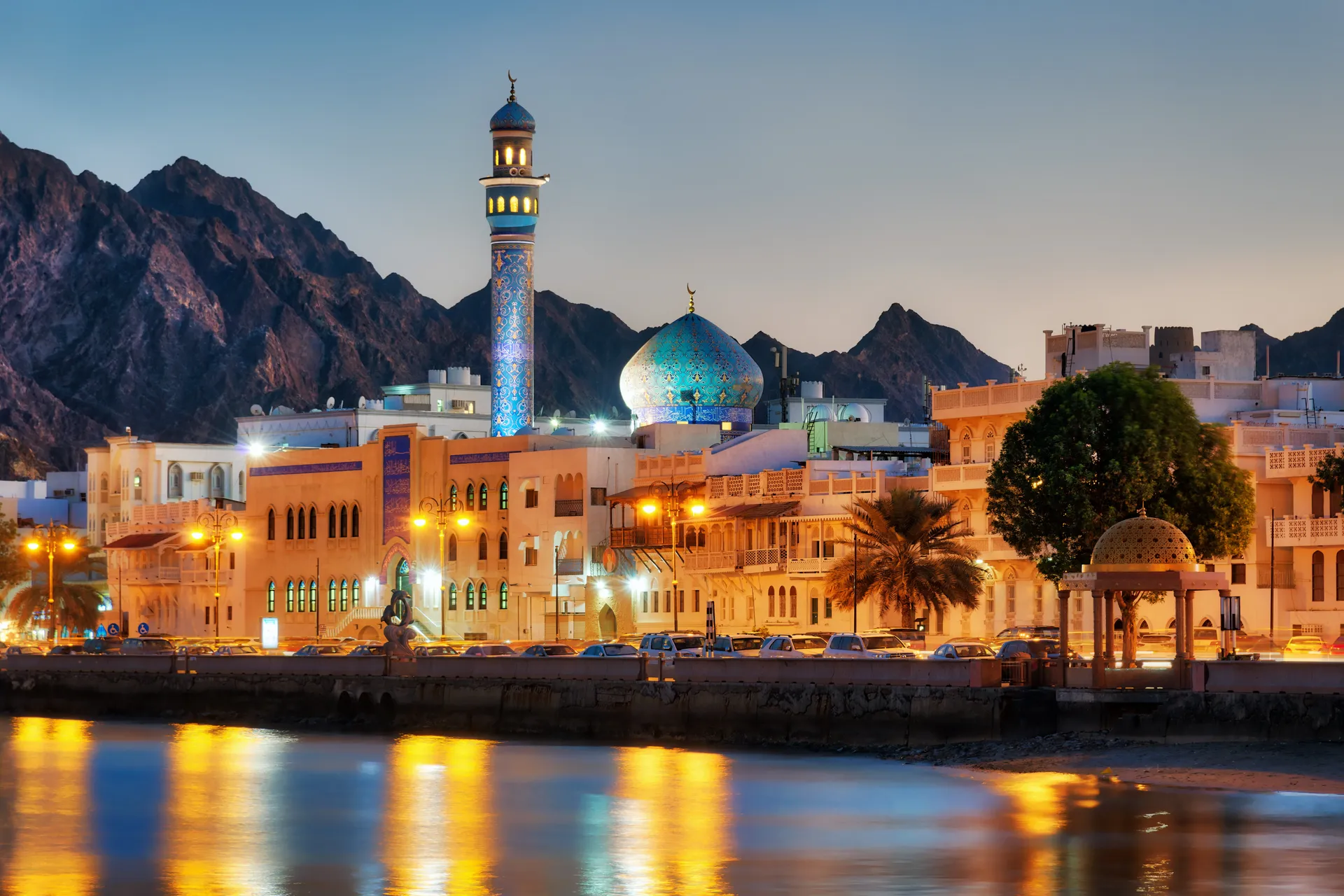
Discover Oman
Oman is a beautiful Middle Eastern destination known for its dramatic desert landscapes, stunning coastline and rich cultural heritage. Situated on the southeastern Arabian Peninsula, the country combines traditional Arabian charm with beautiful beaches and welcoming resorts. From the historic streets of Muscat to the towering Hajar Mountains and golden dunes of the Wahiba Sands, Oman offers a wonderful mix of relaxation, culture and adventure.
Why visit Oman?
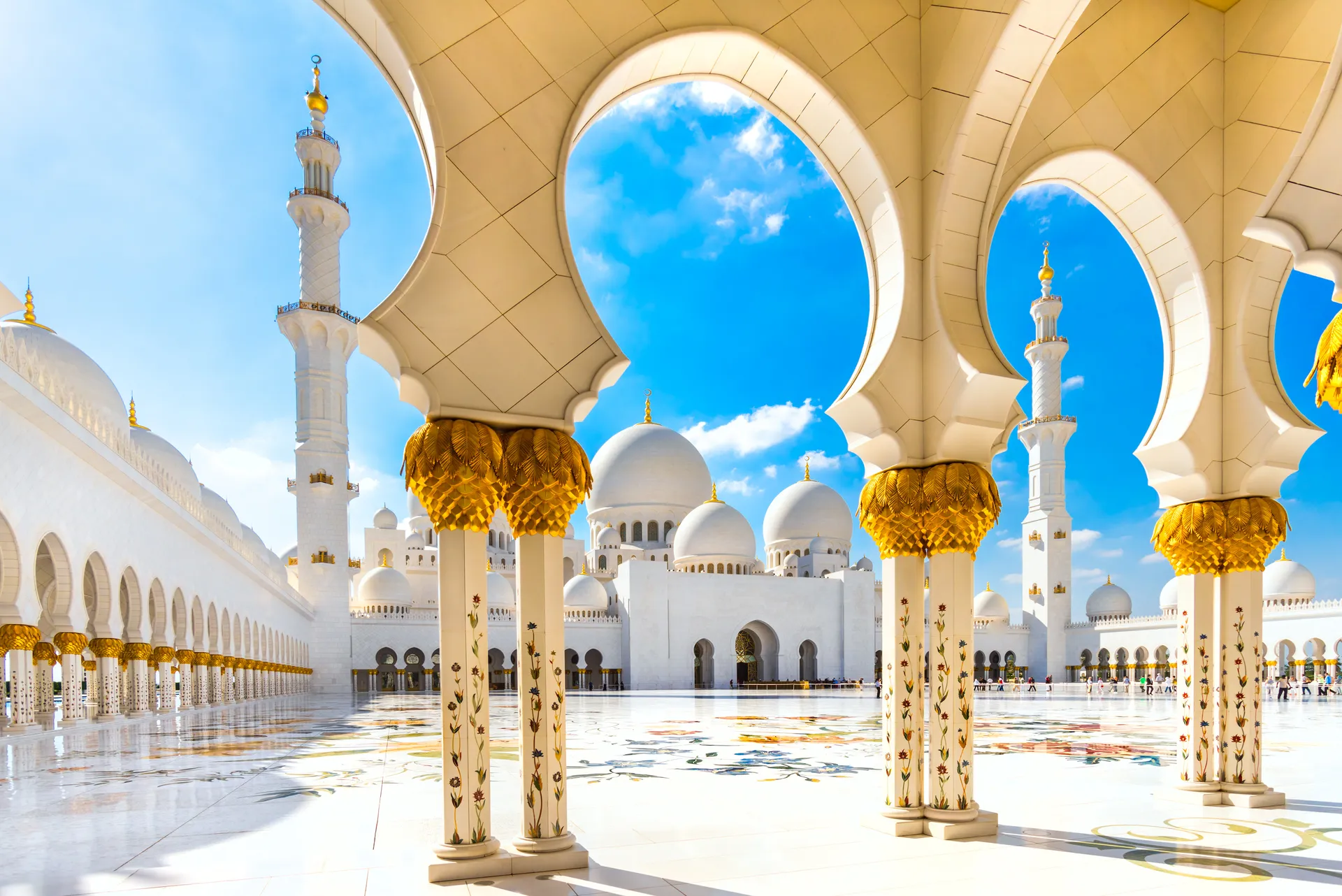
Oman is home to some of the Arabian Peninsula's most impressive natural and historical attractions. In the capital, Muscat, visitors can admire the magnificent Sultan Qaboos Grand Mosque, explore the traditional Mutrah Souq and stroll along the picturesque waterfront.
Beyond the capital, the Hajar Mountains offer spectacular scenery, traditional villages and dramatic mountain valleys. Nizwa is particularly popular for its historic fort and bustling souq, while the nearby mountain landscapes provide opportunities for scenic drives and walking.
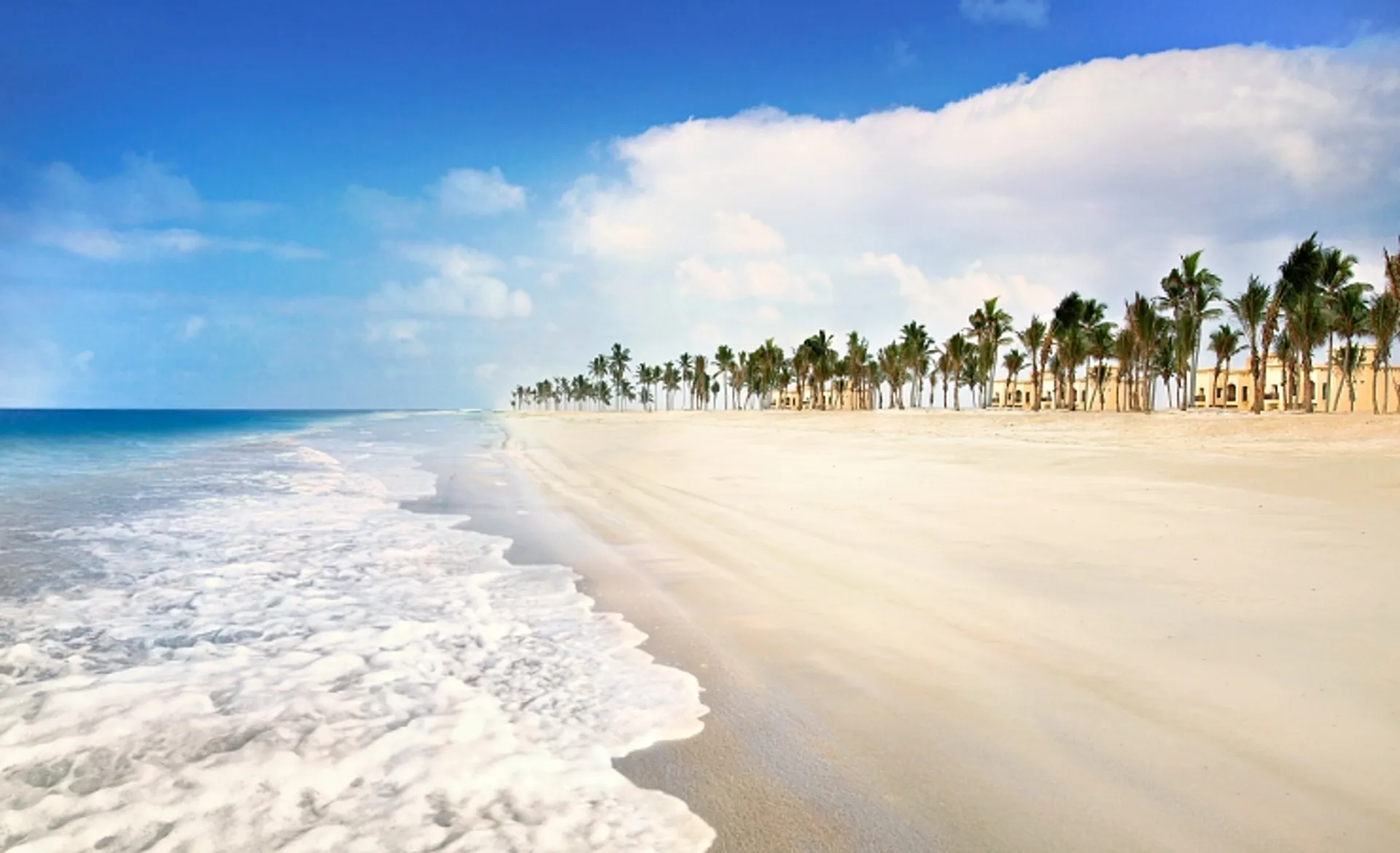
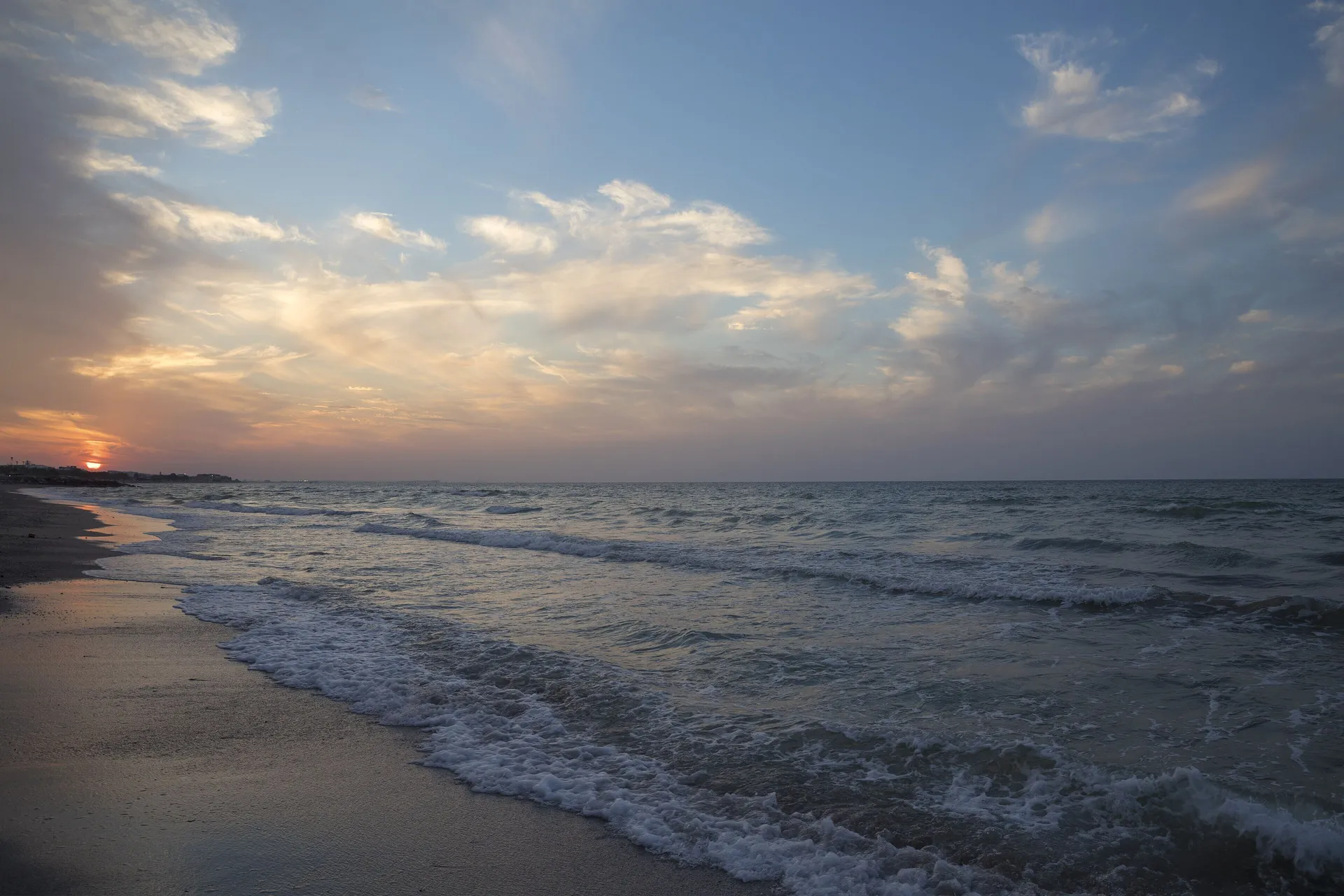
For a different experience, the Wahiba Sands offer sweeping desert dunes and opportunities to discover Bedouin traditions. Along the coast, visitors can enjoy beautiful beaches, while Salalah in southern Oman is known for its tropical greenery, particularly during the seasonal monsoon.
Culture and character
Oman's cultural heritage reflects centuries of maritime trade, Islamic traditions and Arabian history. Unlike some neighbouring destinations, the country has retained much of its traditional architecture and distinctive local character.
Historic forts, traditional markets and ancient villages provide fascinating insights into Omani life. Hospitality is particularly important, with visitors often welcomed with traditional coffee and dates.
Local craftsmanship, including silver jewellery, pottery and frankincense production, remains an important part of the country's heritage.
Food and drink
Omani cuisine combines Arabian flavours with influences from India, Persia and East Africa. Popular dishes include shuwa, traditionally slow-cooked marinated meat, and majboos, a fragrant rice dish prepared with aromatic spices and meat or seafood.
Freshly grilled fish, flatbreads and traditional soups are also widely enjoyed. For something sweet, try Omani halwa, a rich dessert often served alongside traditional coffee.
Dates are particularly important in Omani culture and are commonly offered to guests as a symbol of hospitality.
Best time to visit Oman
Oman enjoys a warm, sunny climate, with the cooler months between October and March generally offering the most comfortable conditions for sightseeing, beach holidays and outdoor activities.
Summer temperatures can become extremely high, particularly in Muscat and inland desert regions. However, the southern Dhofar region experiences the khareef monsoon season between June and September, bringing cooler temperatures and lush green landscapes around Salalah.
Travel information
Arabic is the official language, although English is widely spoken in hotels, restaurants and tourist areas. The local currency is the Omani rial, and Oman is four hours ahead of the UK during winter and three hours ahead during British Summer Time.
Visitors should dress respectfully when exploring religious sites and traditional communities. Lightweight clothing, comfortable footwear and sun protection are recommended.
Discover Oman with Mercury Holidays
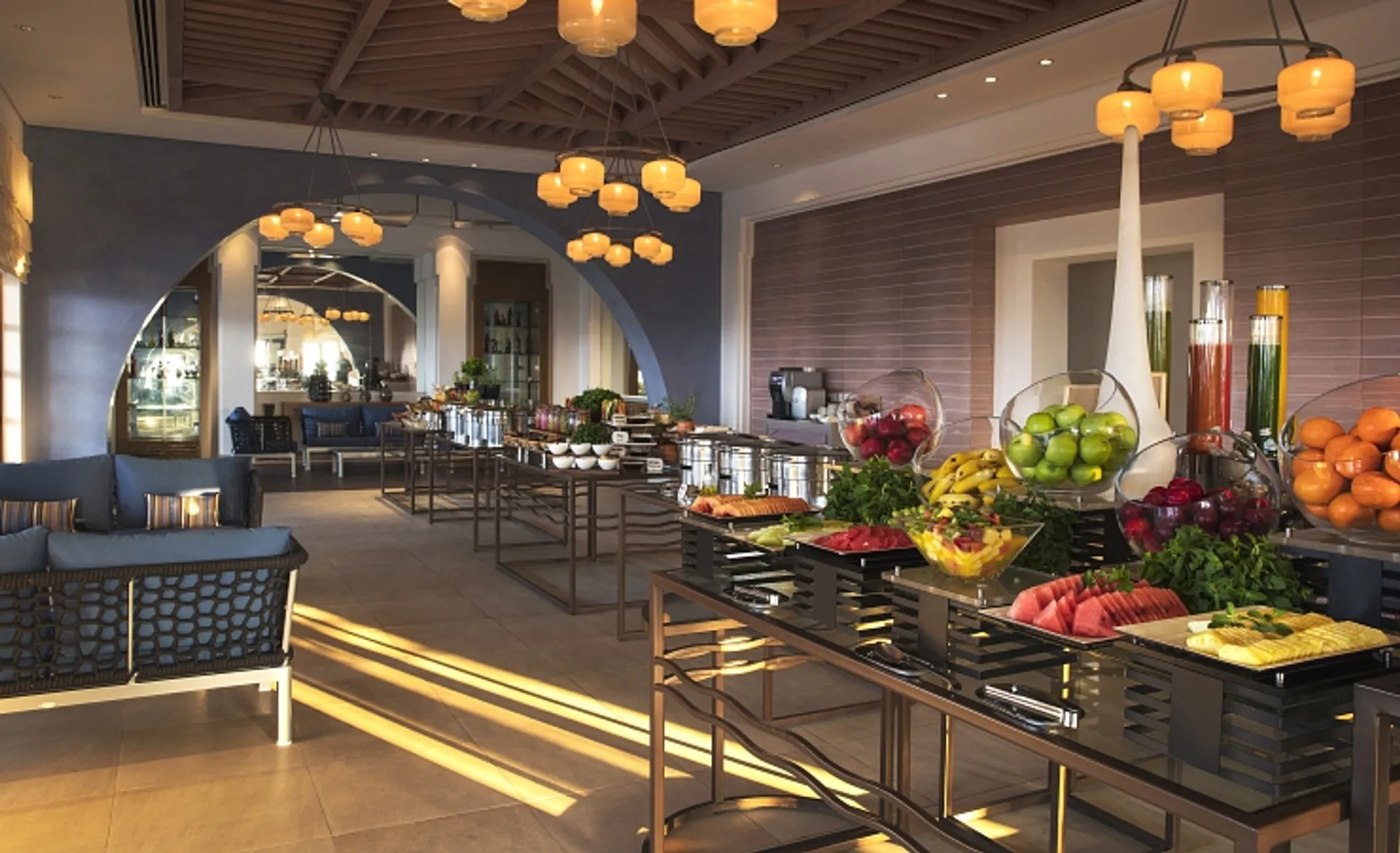
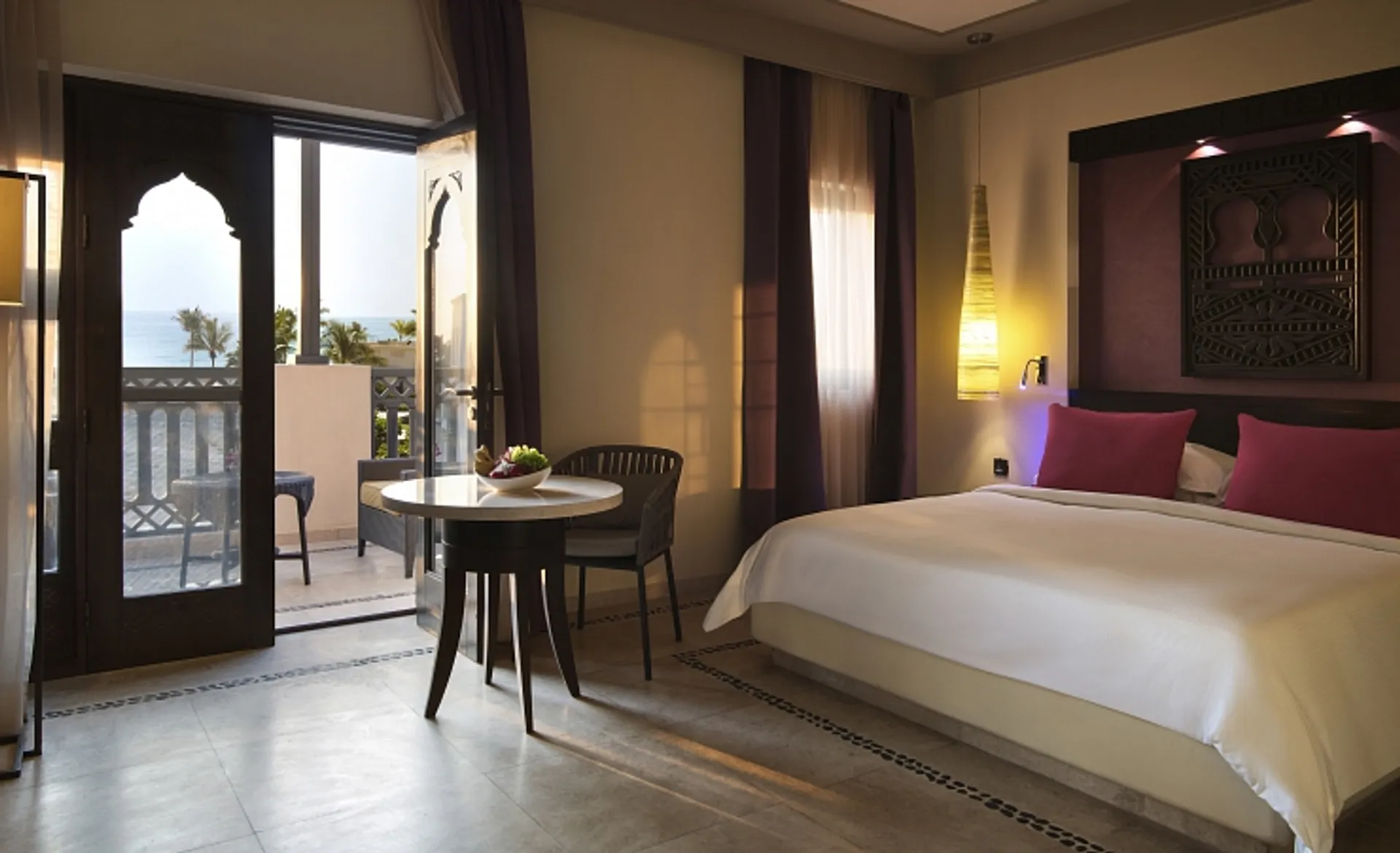
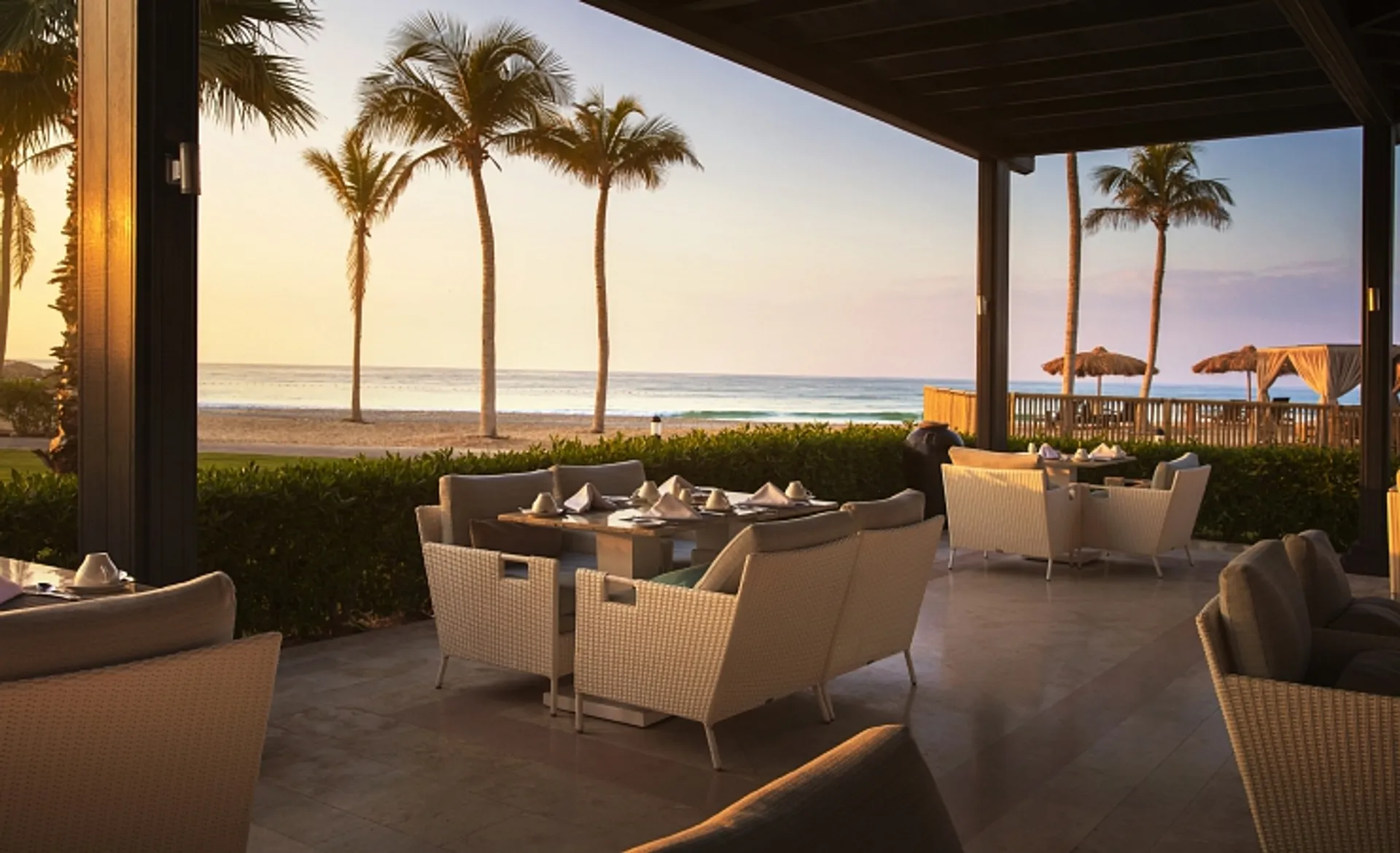
Discover Oman's beautiful coastline and welcoming hospitality with Mercury Holidays. Choose from a selection of hotels and resorts in popular destinations including Muscat and Salalah, with accommodation options to suit different holiday styles and budgets.
Whether you're planning a relaxing beachfront escape, an all-inclusive holiday or a longer stay in the sunshine, Mercury Holidays offers a range of options to help you enjoy this fascinating destination.
Experience Oman's spectacular scenery, beautiful beaches and traditional Arabian charm on your next holiday with Mercury Holidays.Endless sands which stretch as far as the eye can see, luxurious resorts fringed by perfect beaches, incredible modern architecture sitting side by side with traditional forts and palaces; it's true to say that Oman has a little something for everyone. Situated on the southeastern tip of the Arabian Peninsula, this enigmatic country is a relatively unknown gem and serves up a completely different holiday to some of the better-known destinations nearby.
Unlike the neighbouring Emirates like Dubai and Abu Dhabi, Oman offers holidaymakers a less flashy, more traditional authentic experience. Charming cities brimming with traditional culture inhabited by a friendly and proud local people are surrounded by some of the most incredible untamed scenery including mountains, gorges and deserts.
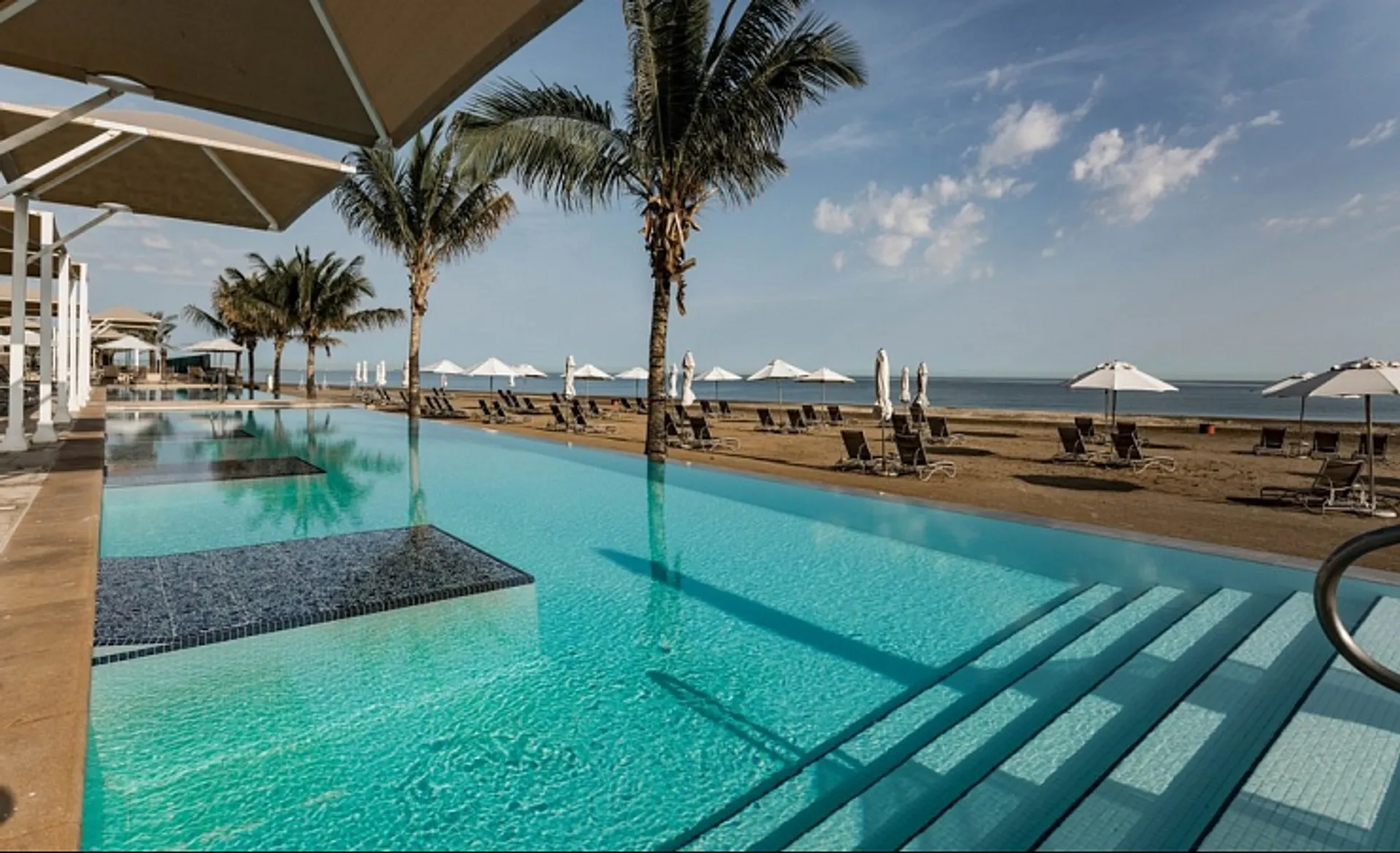
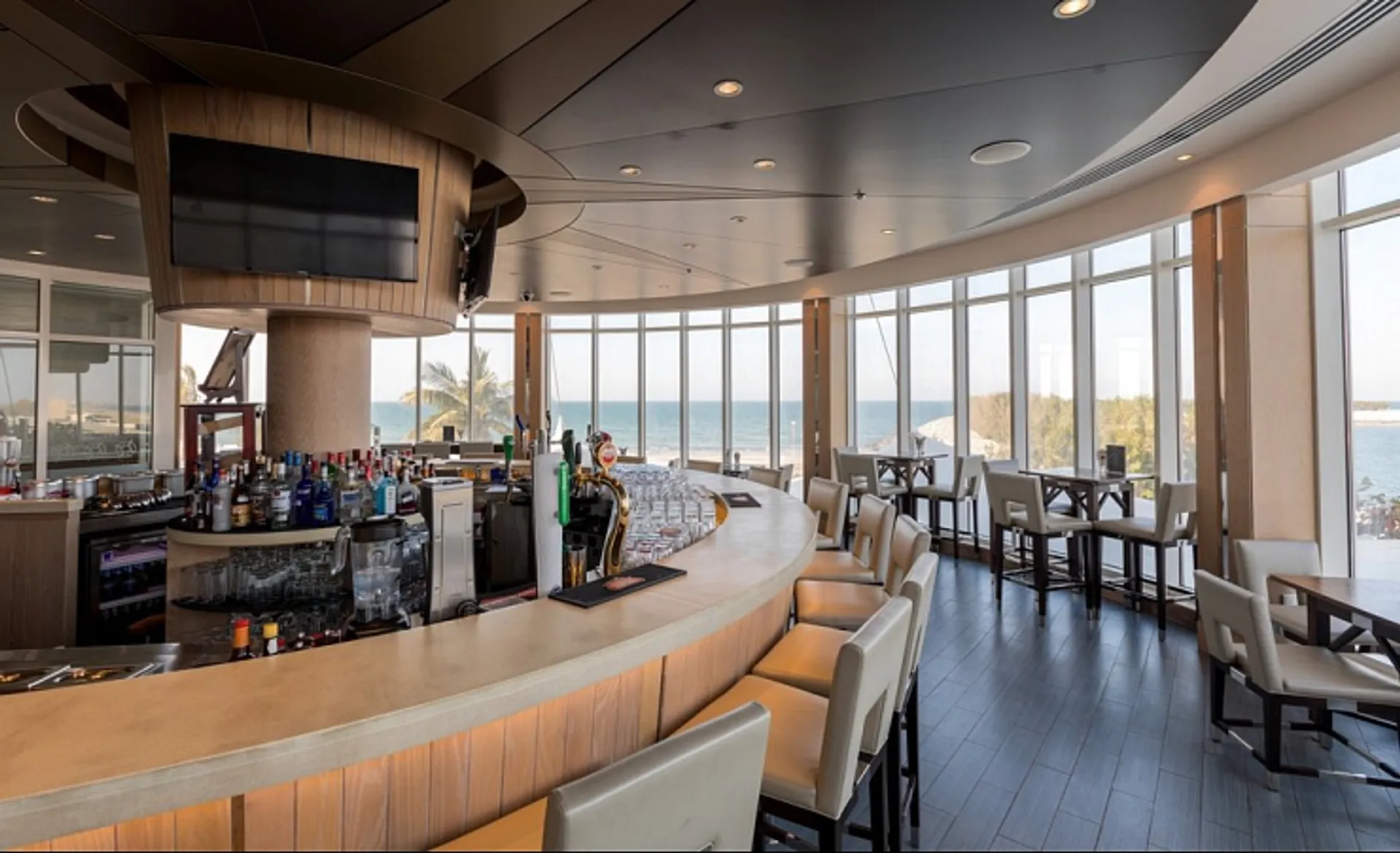
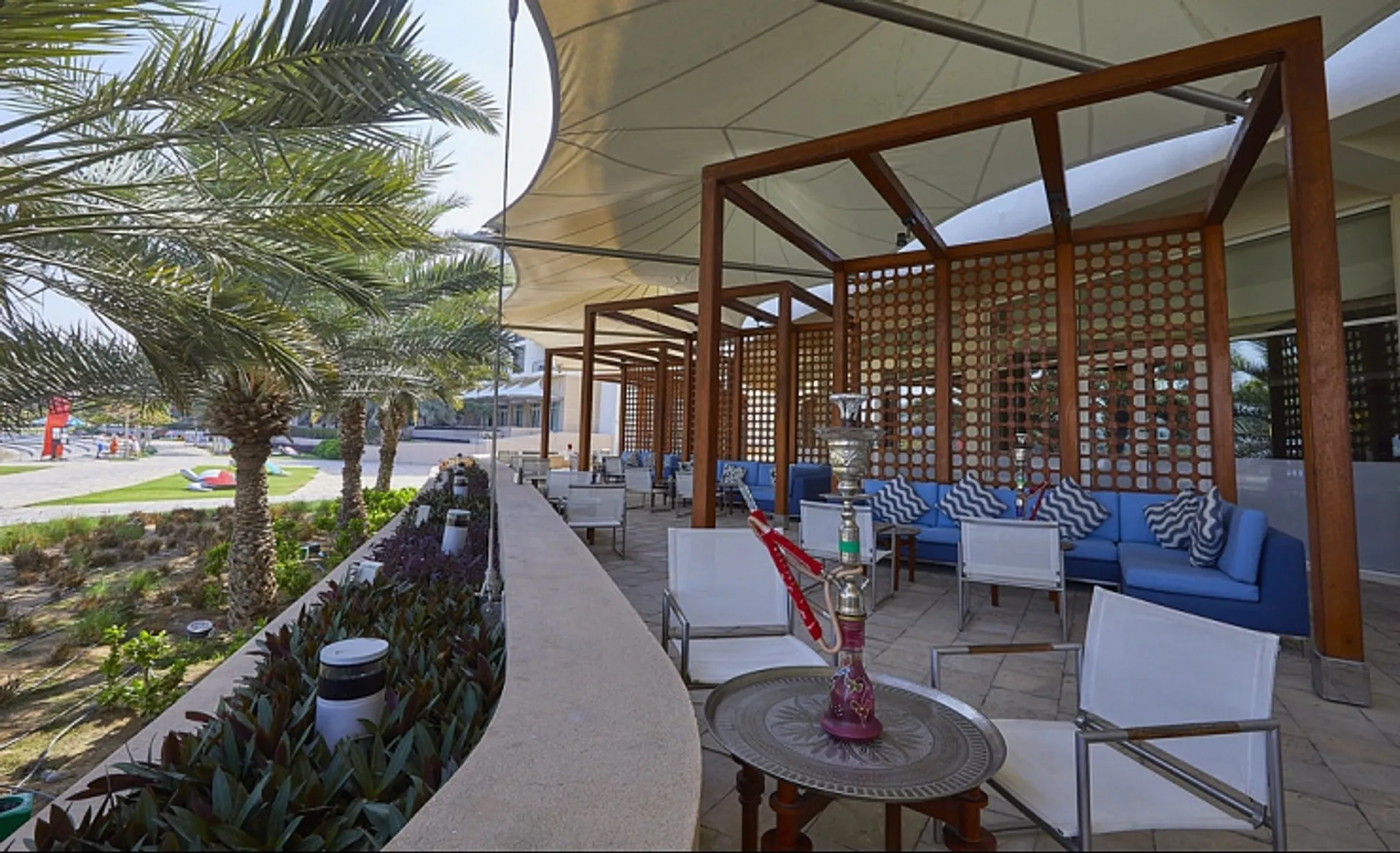
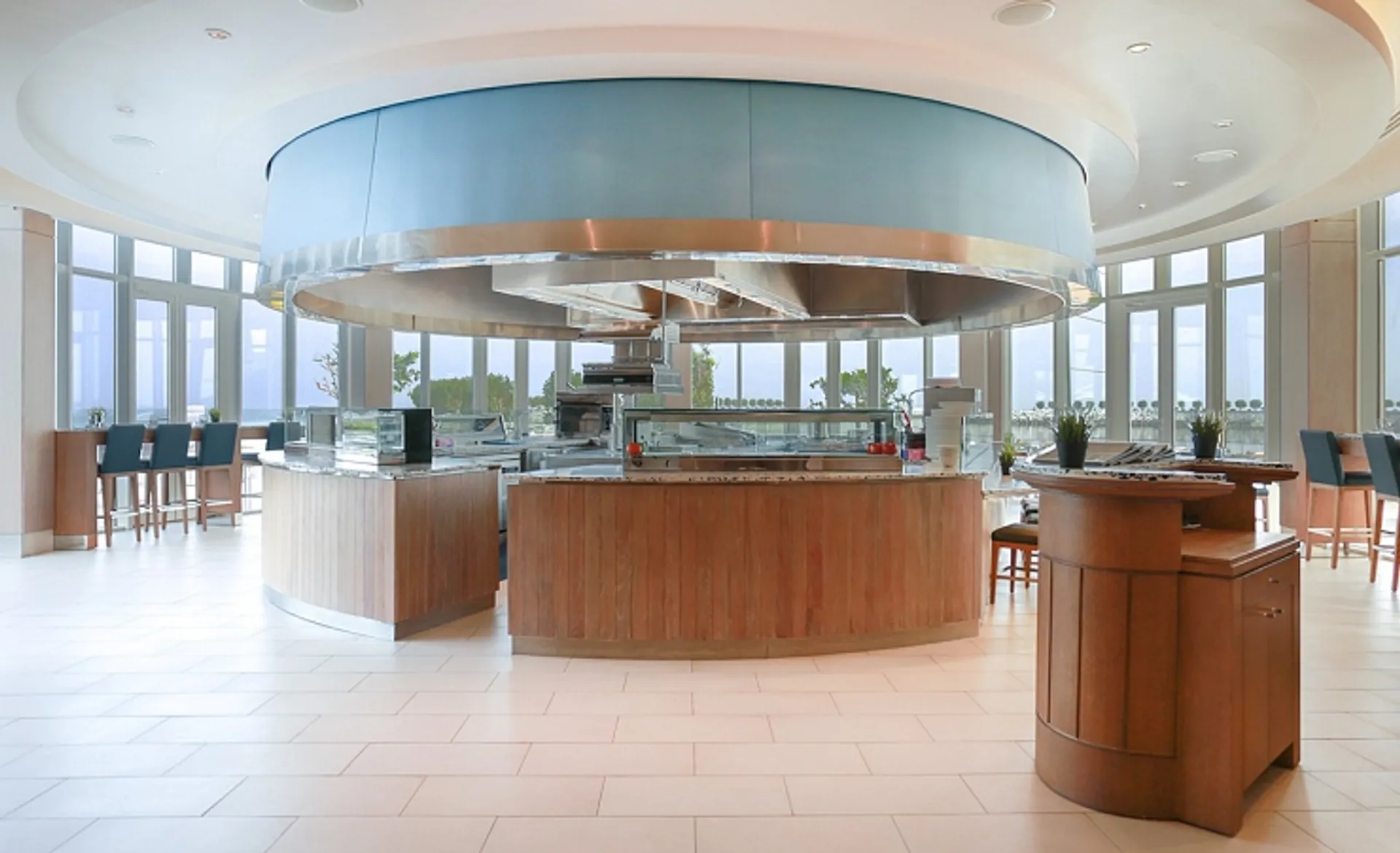
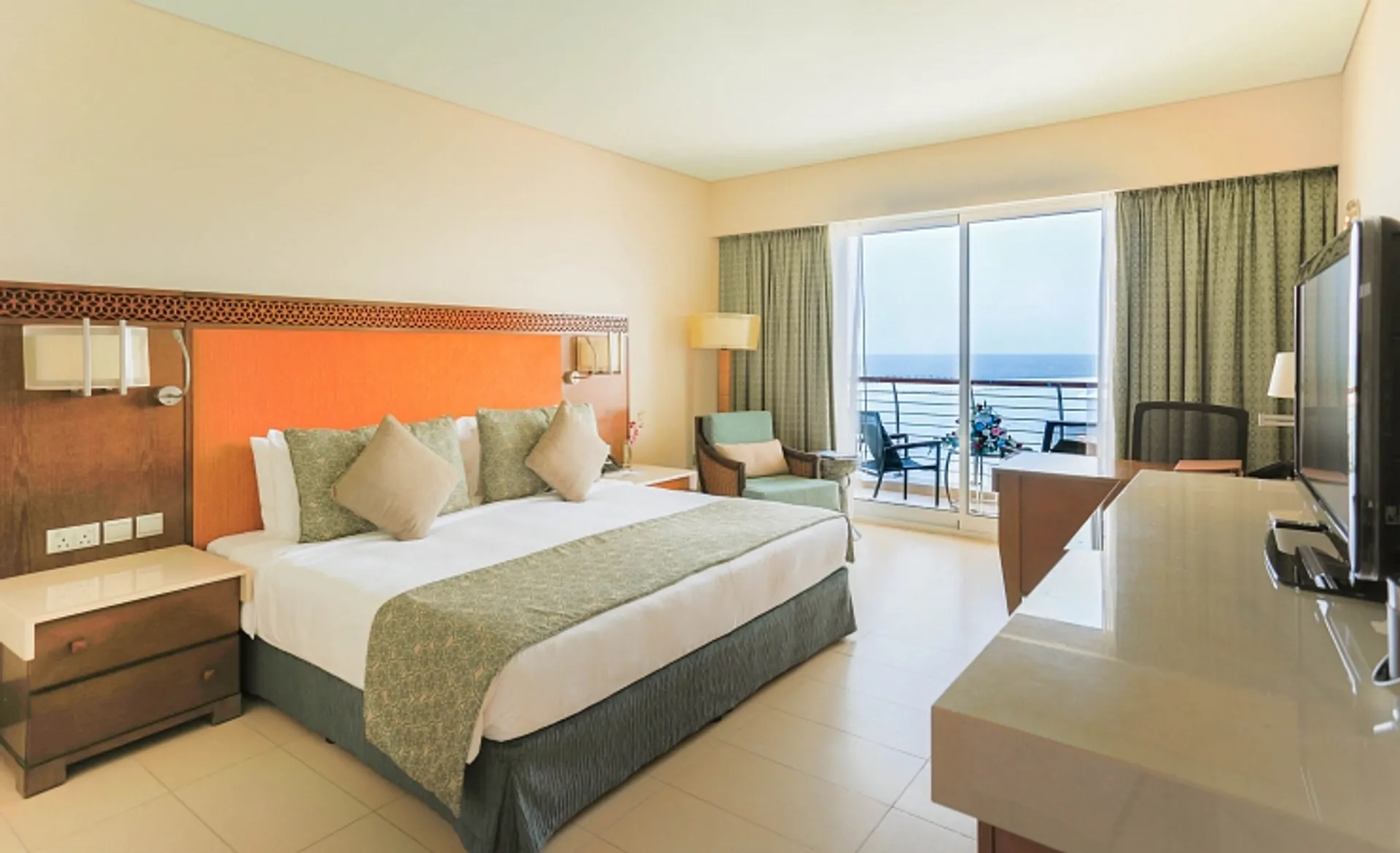
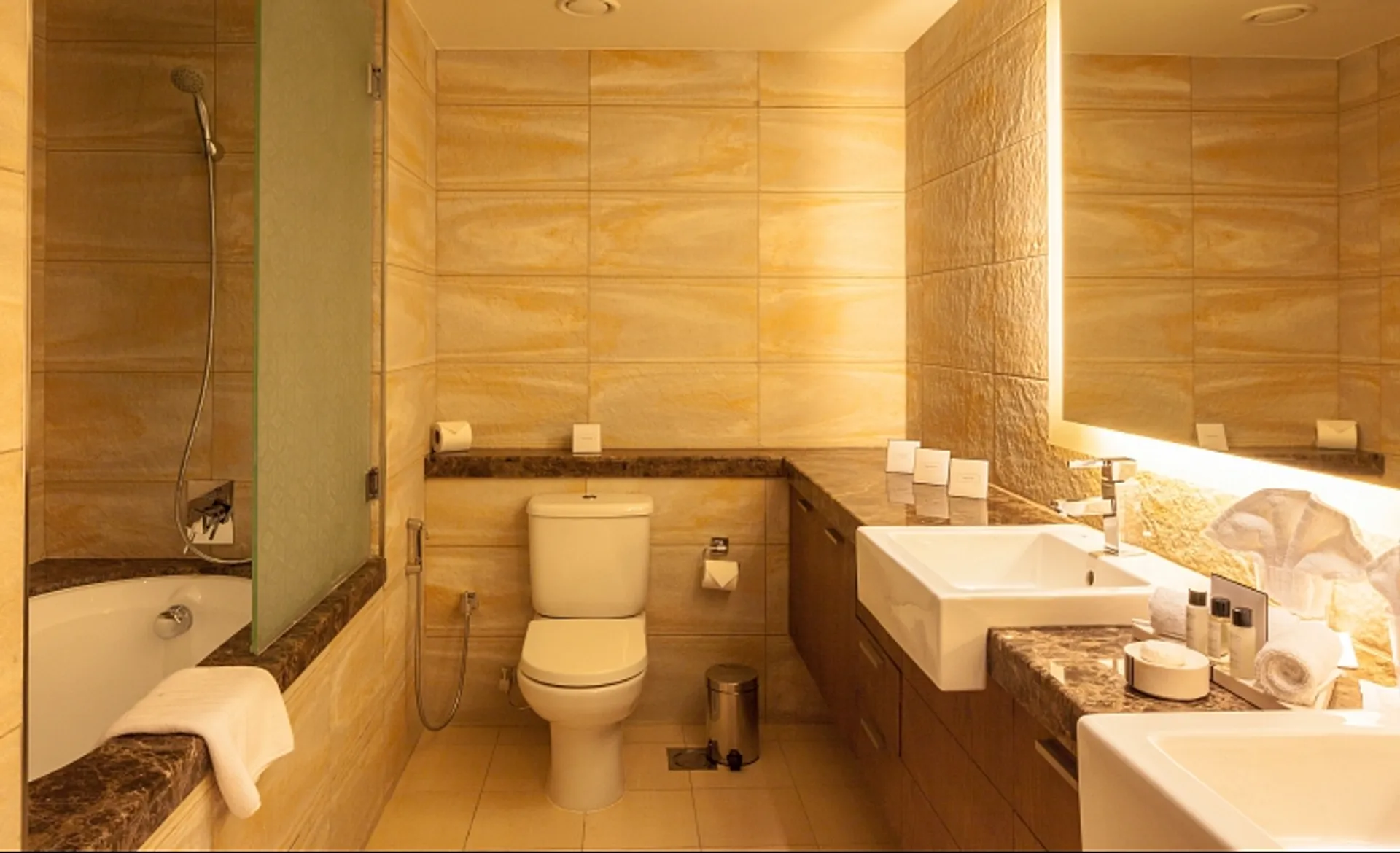
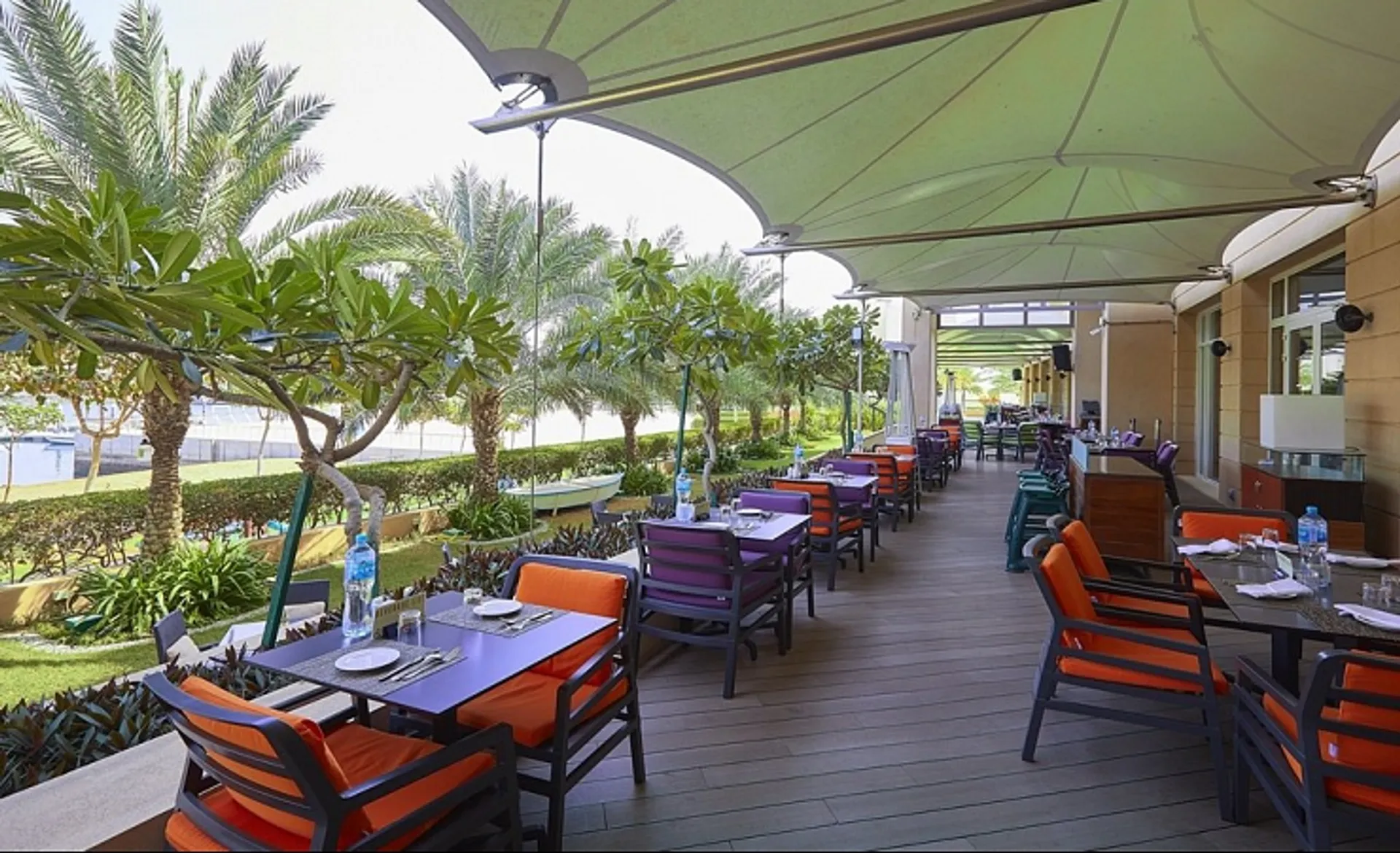
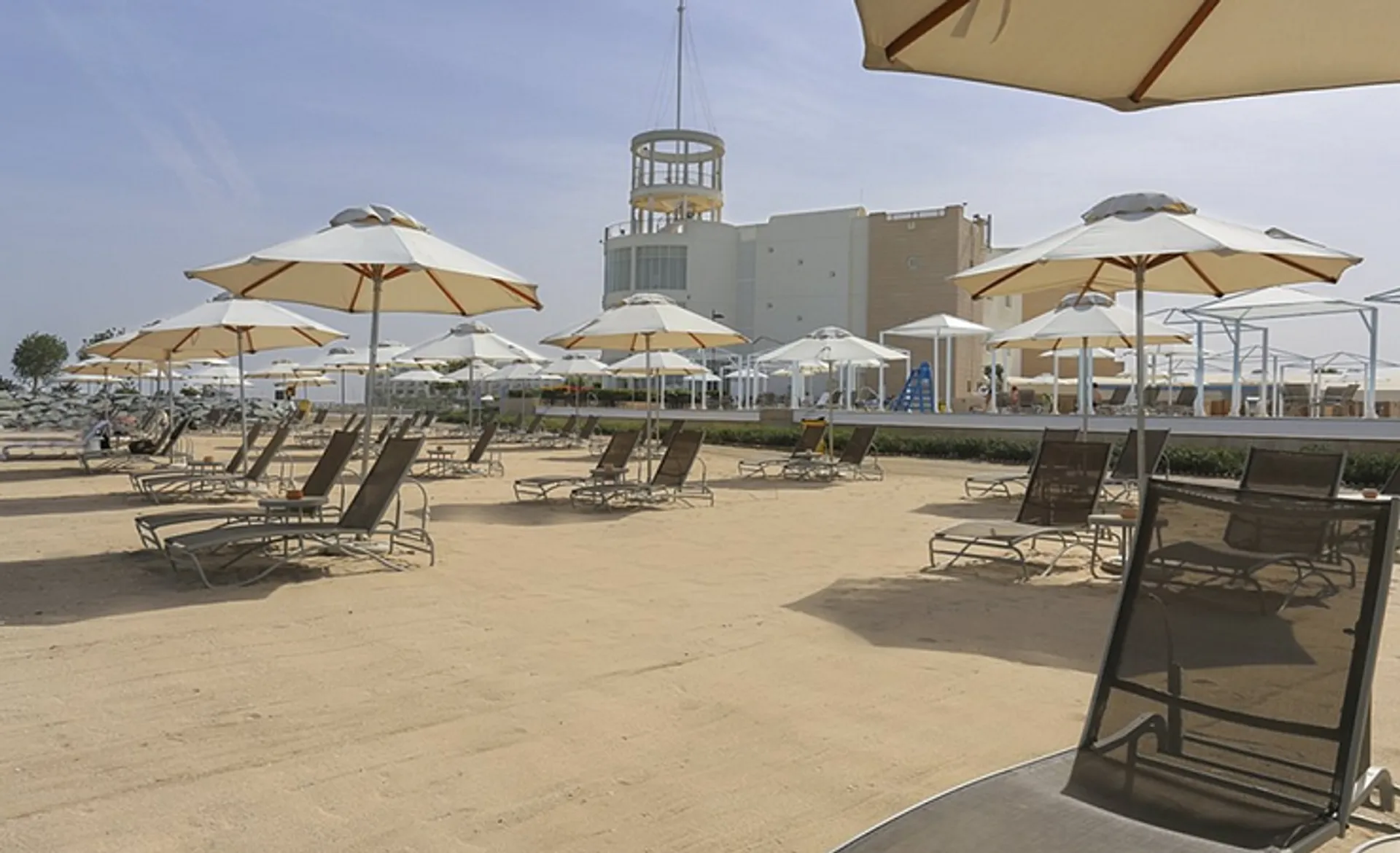
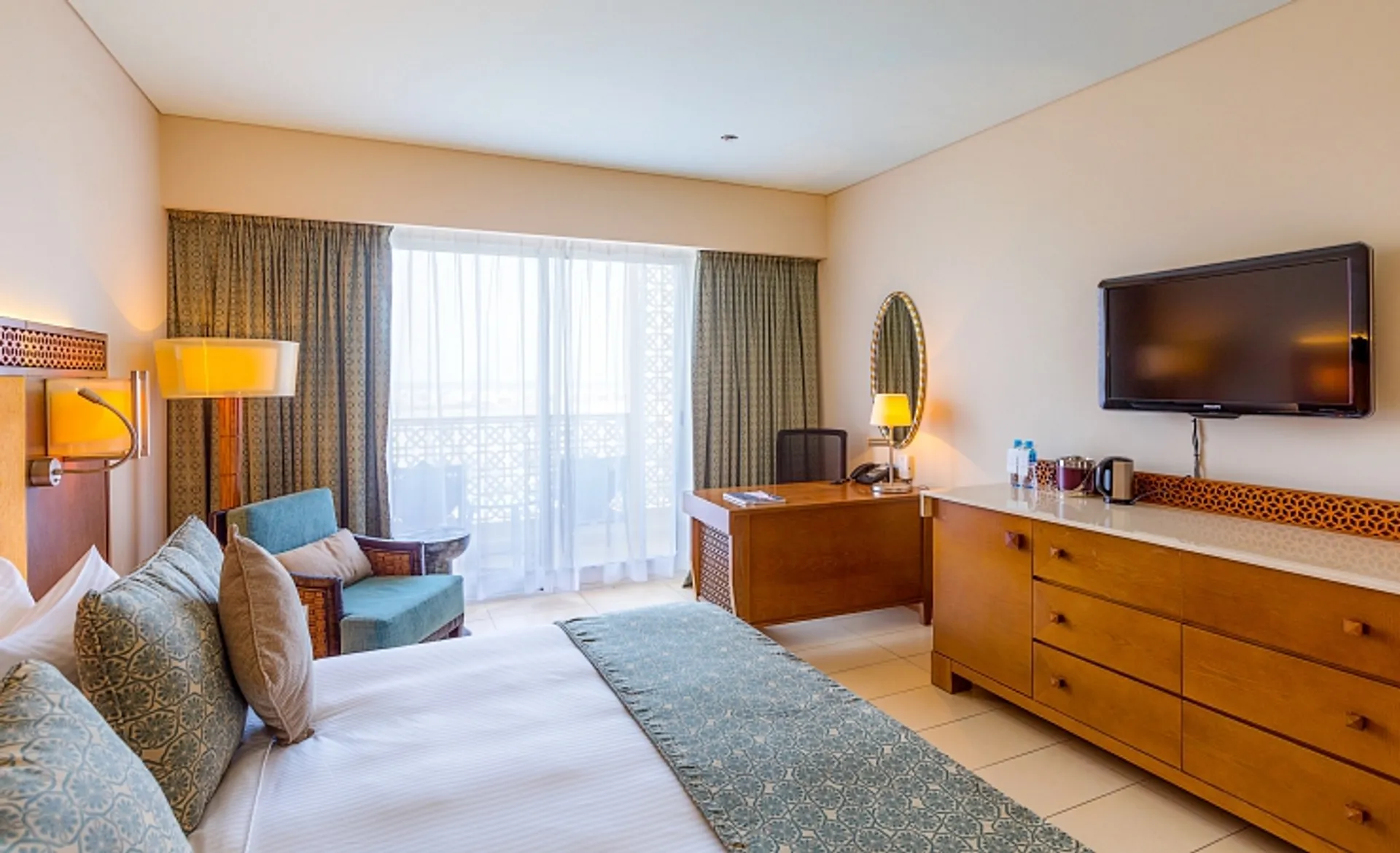
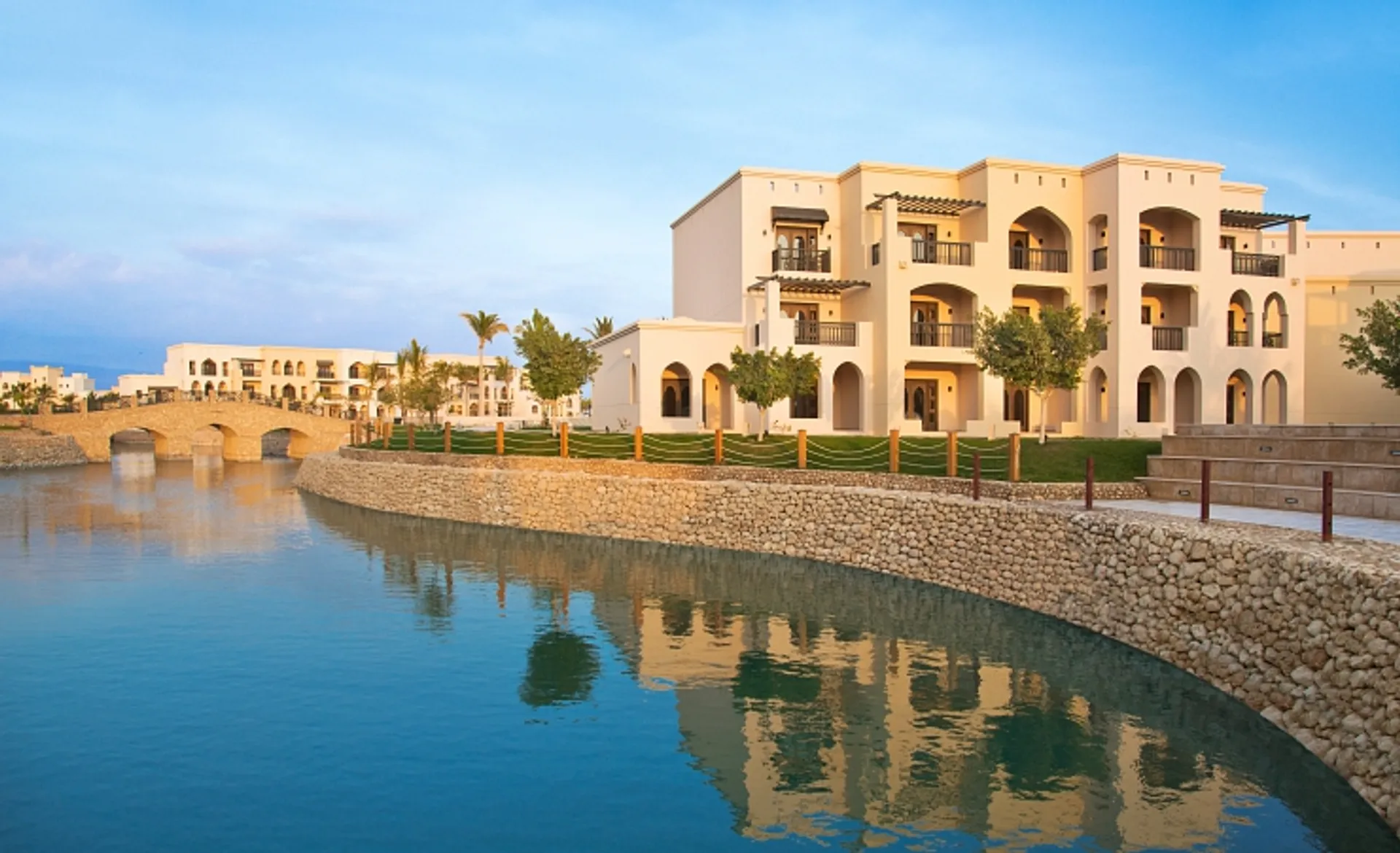
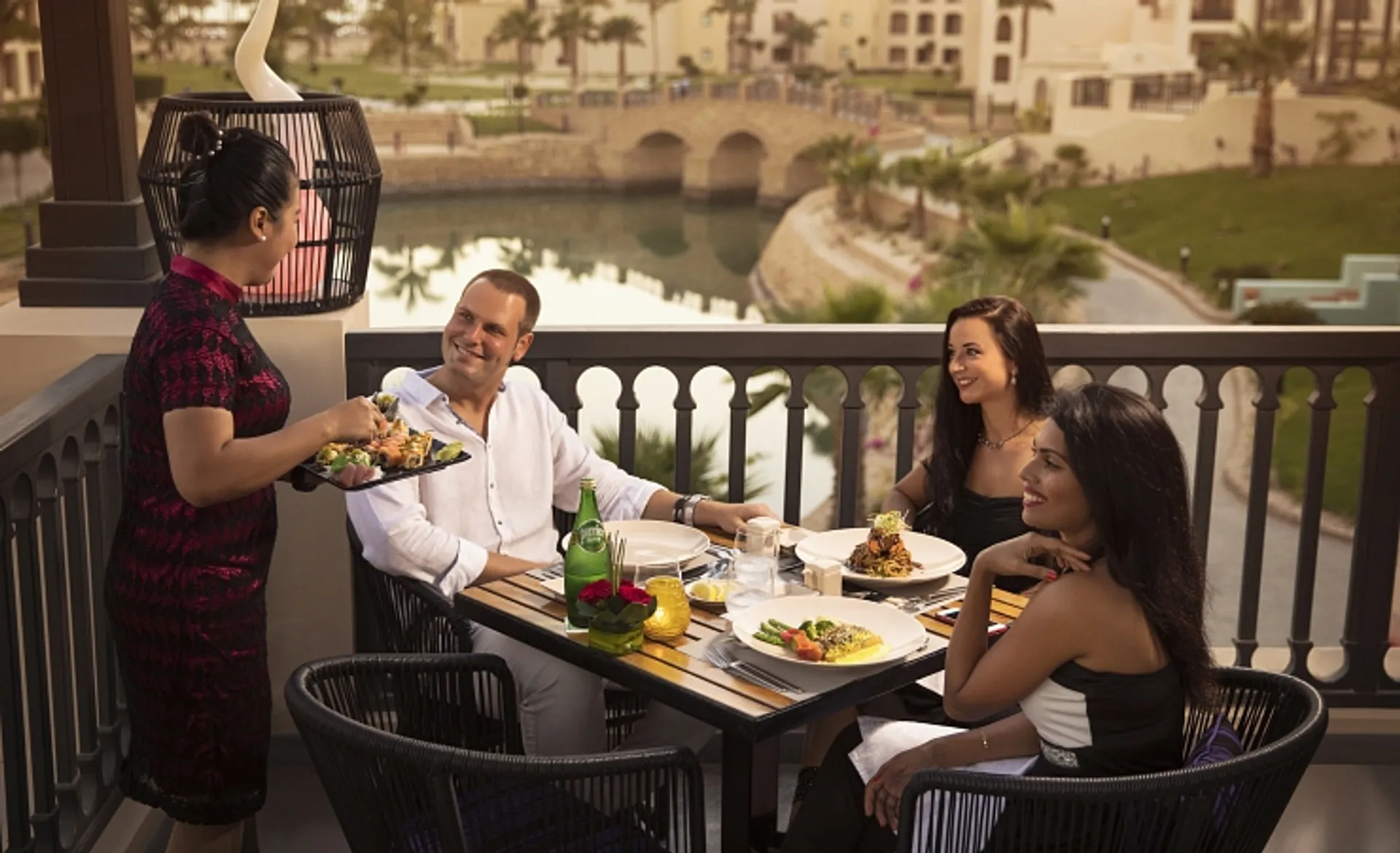
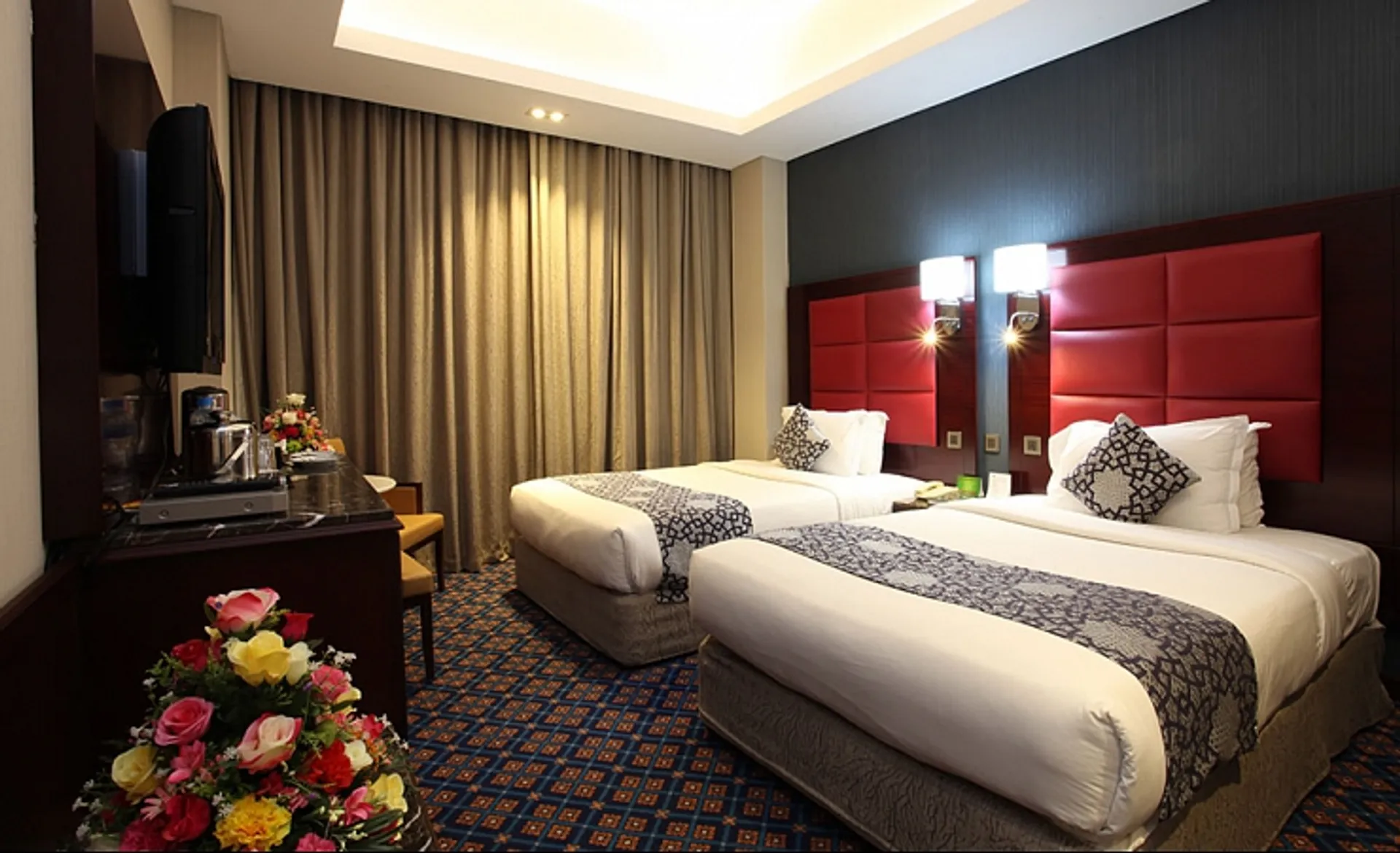
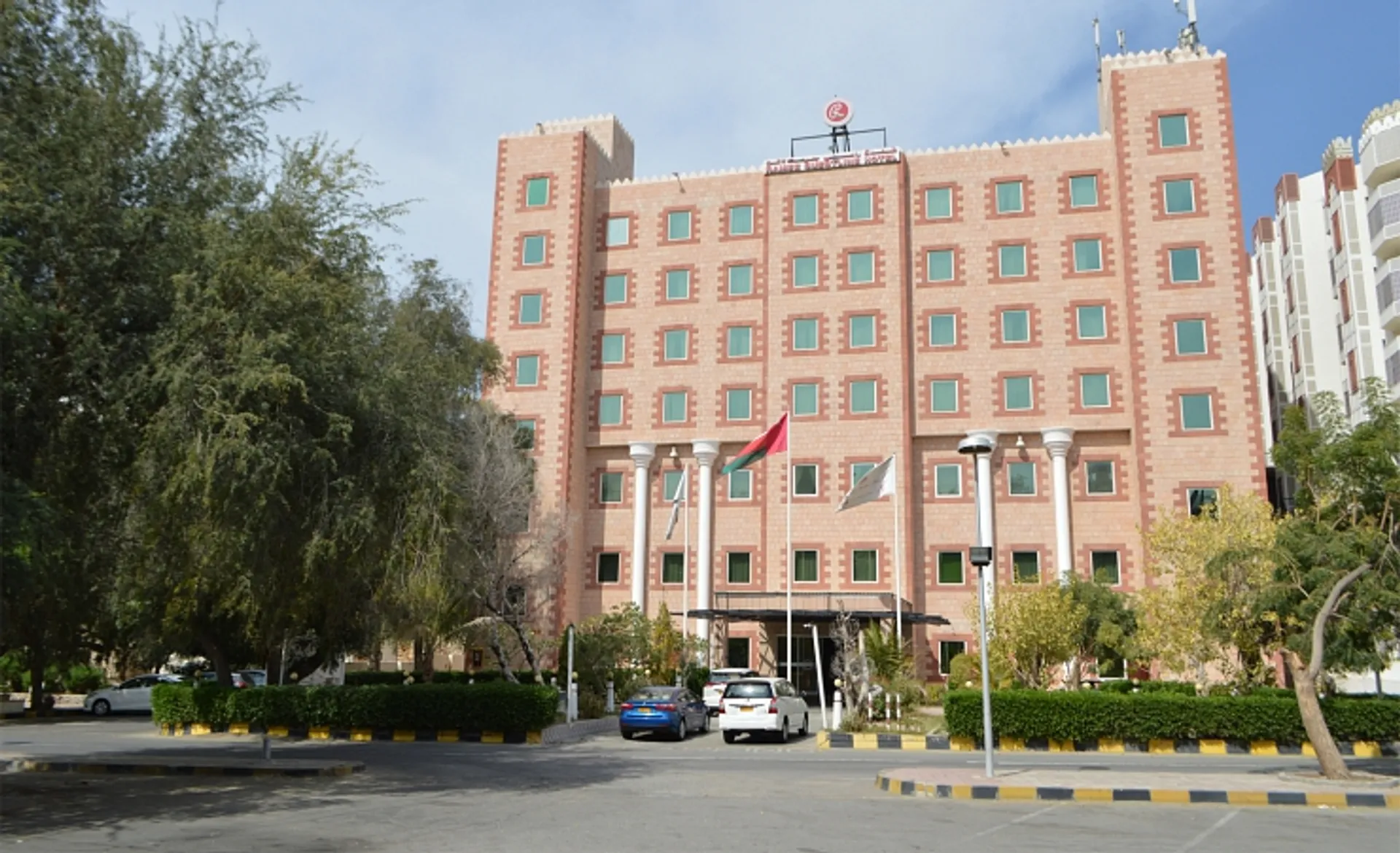
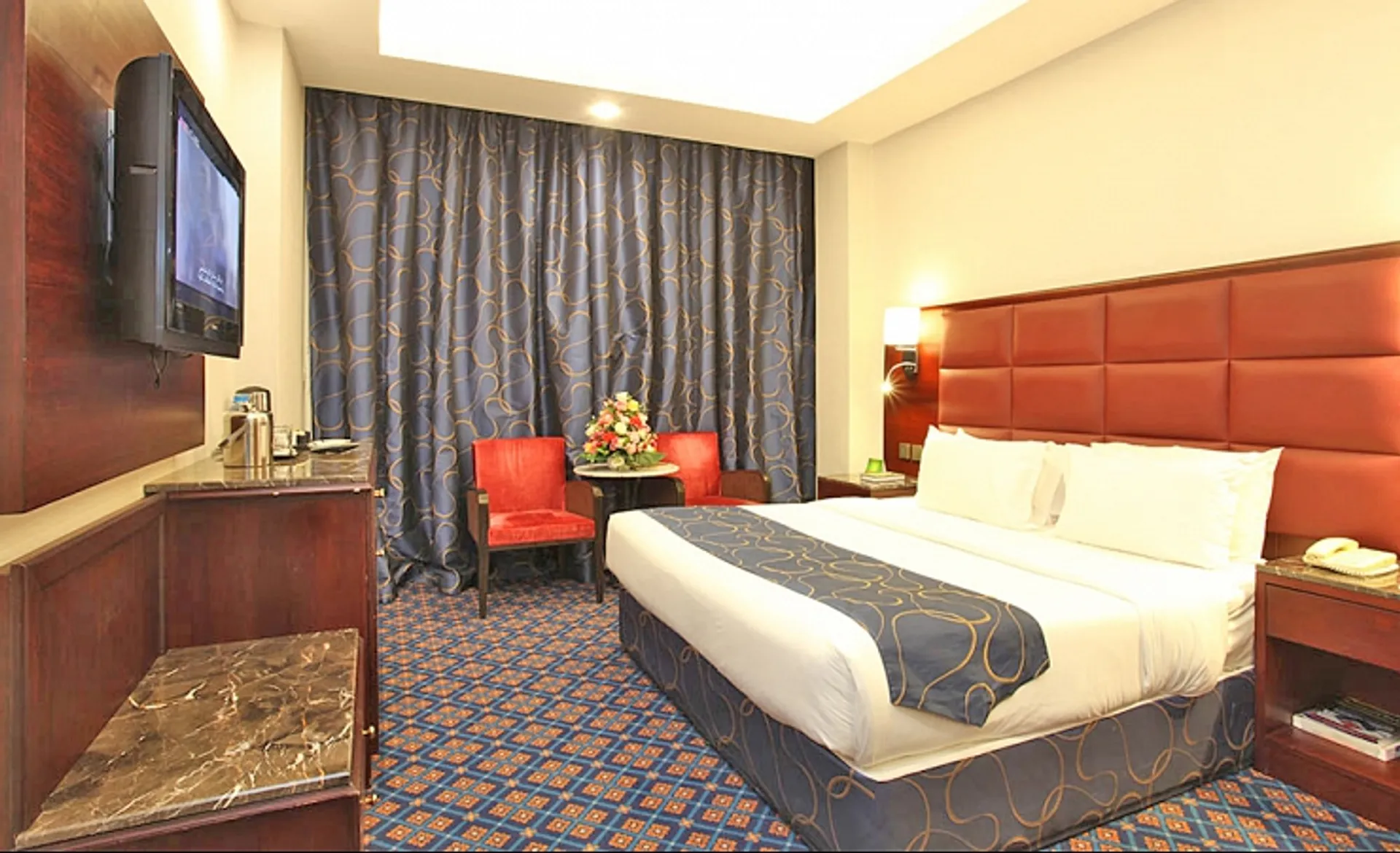
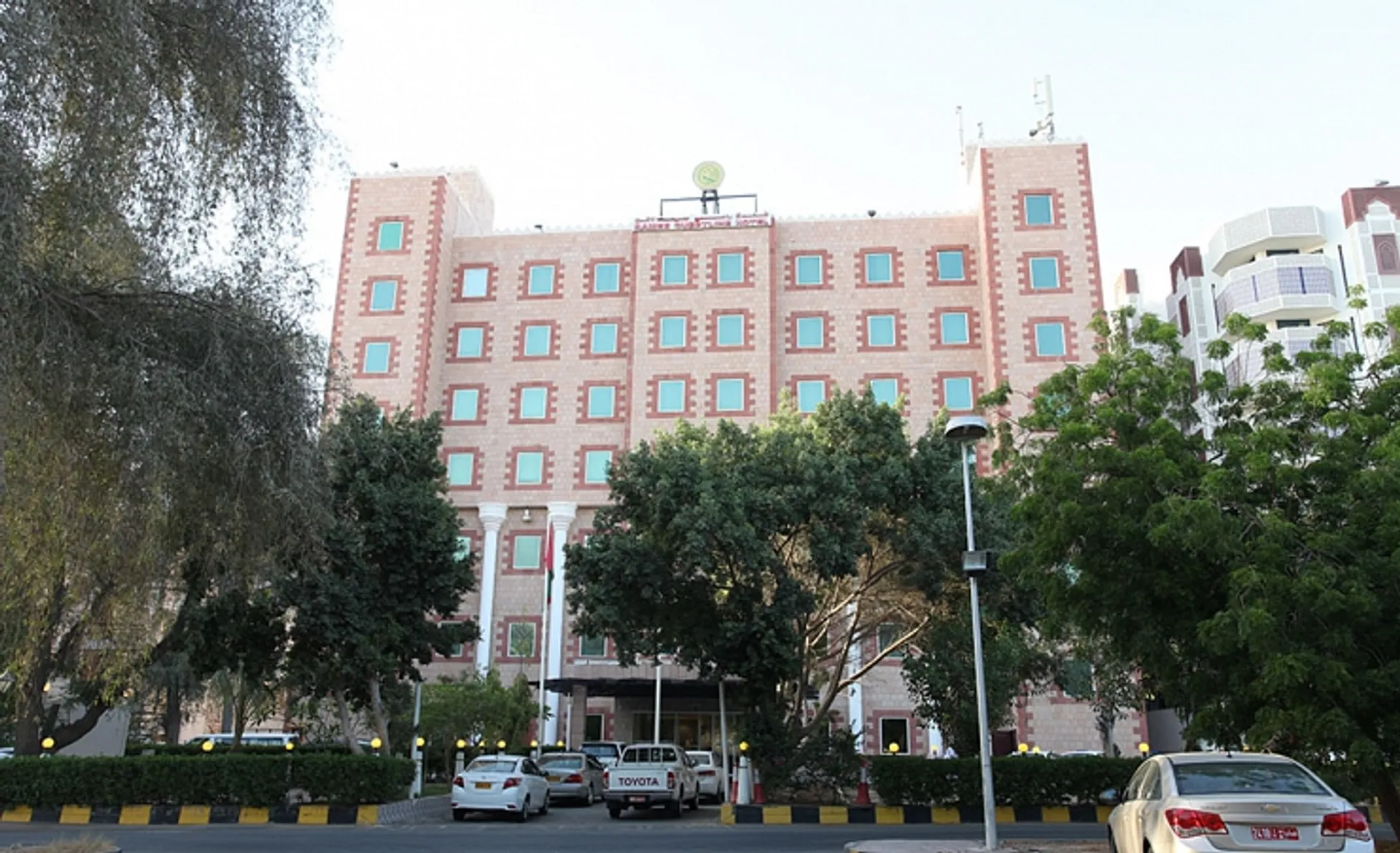
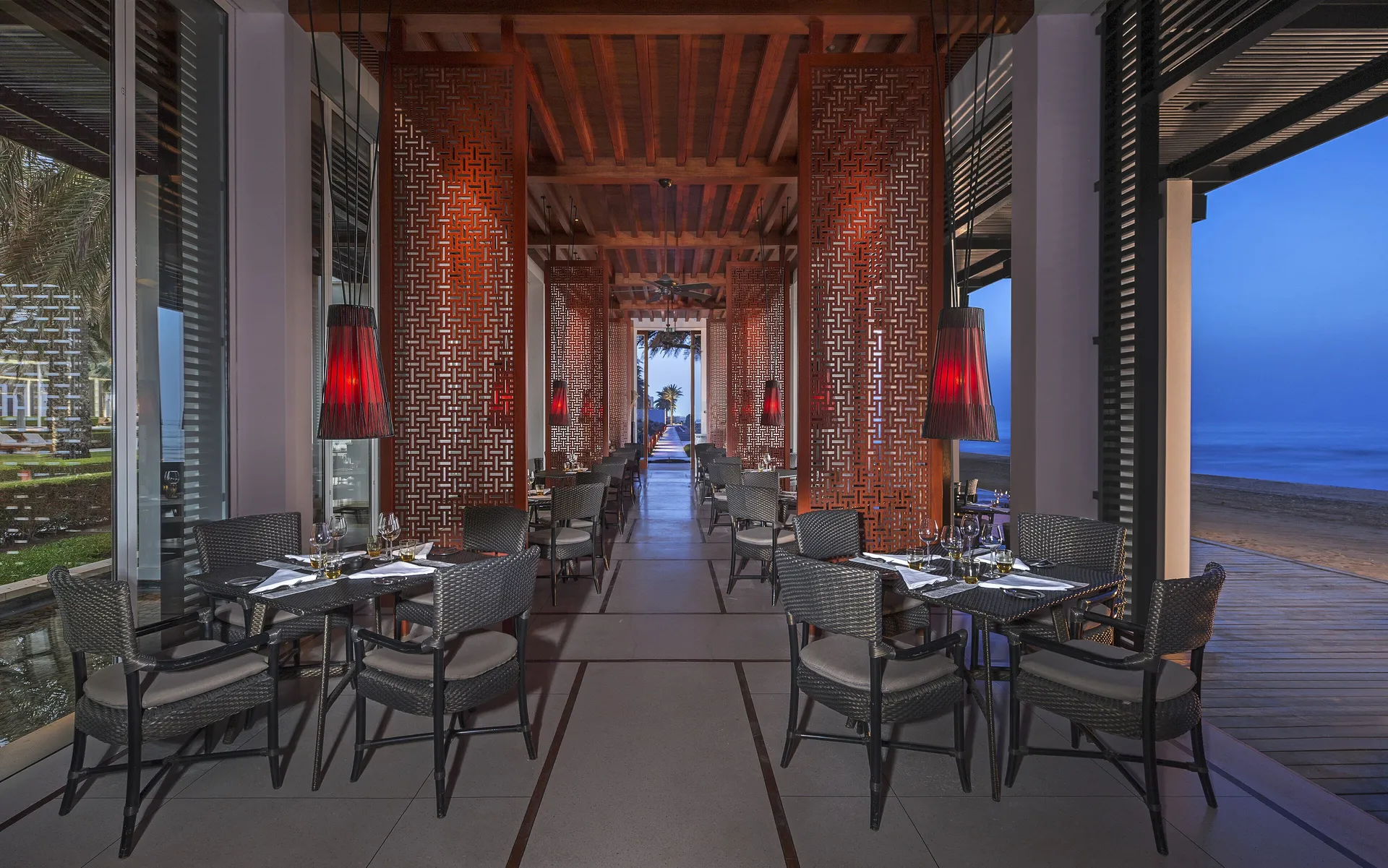
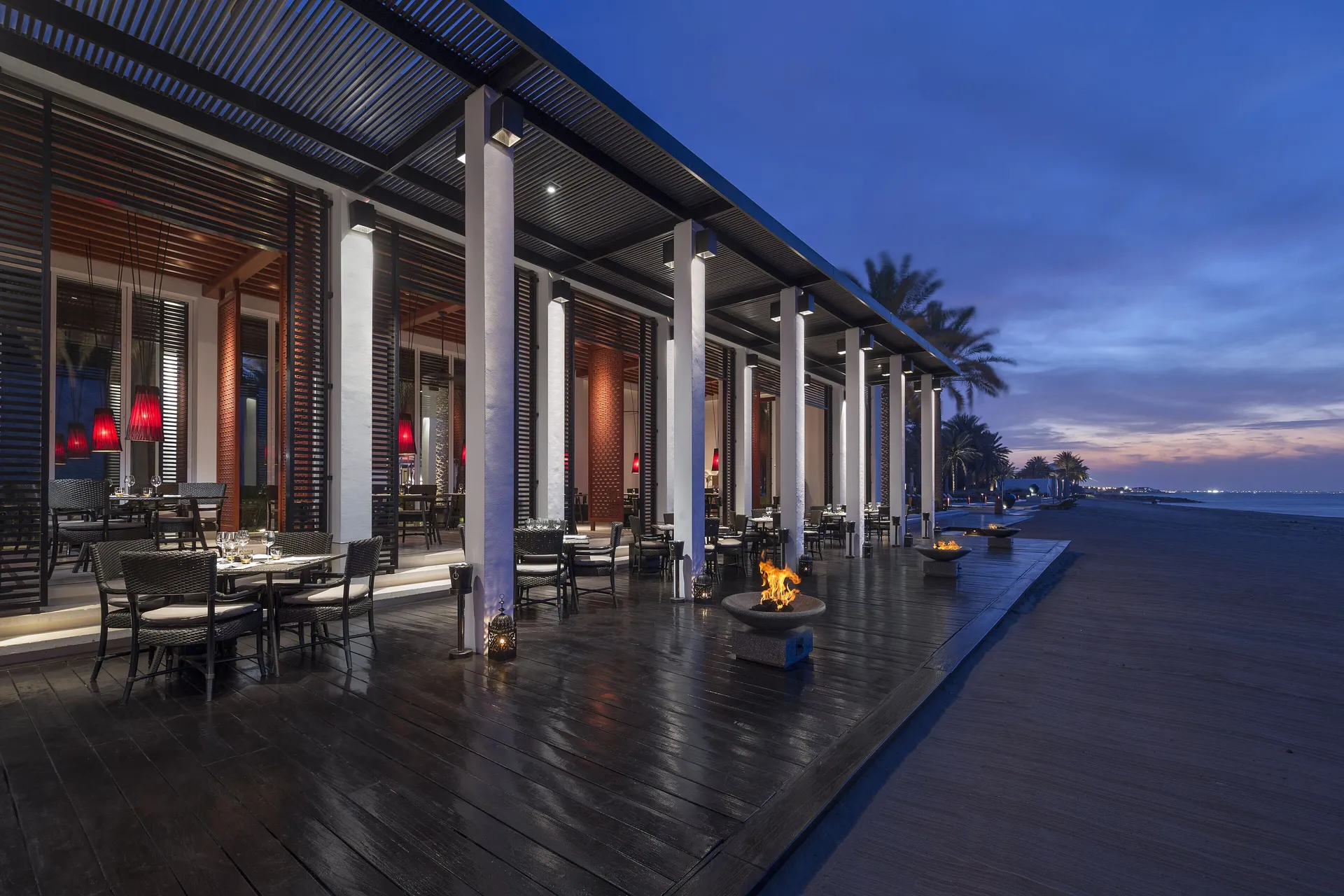
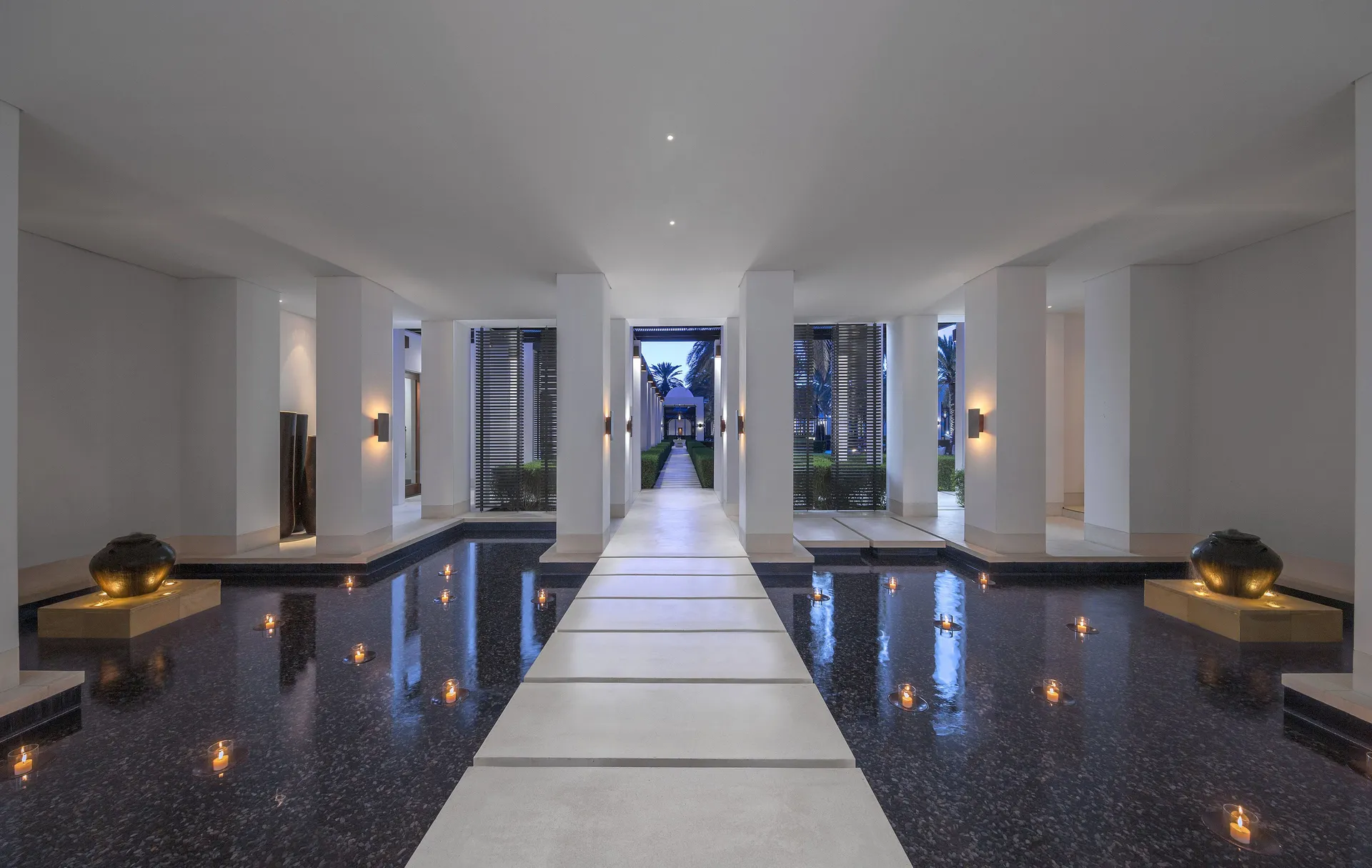
Popular hotels in Oman


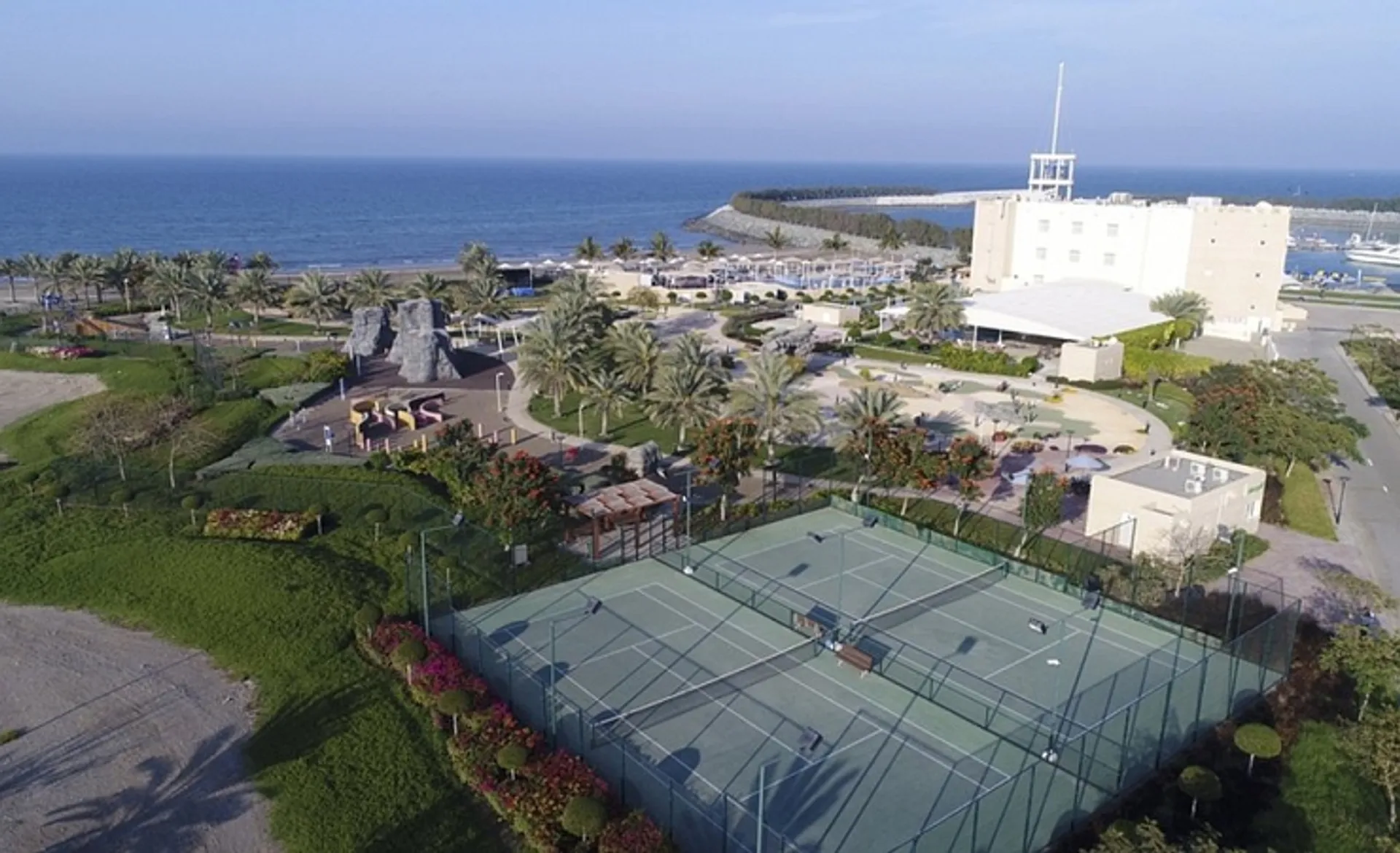
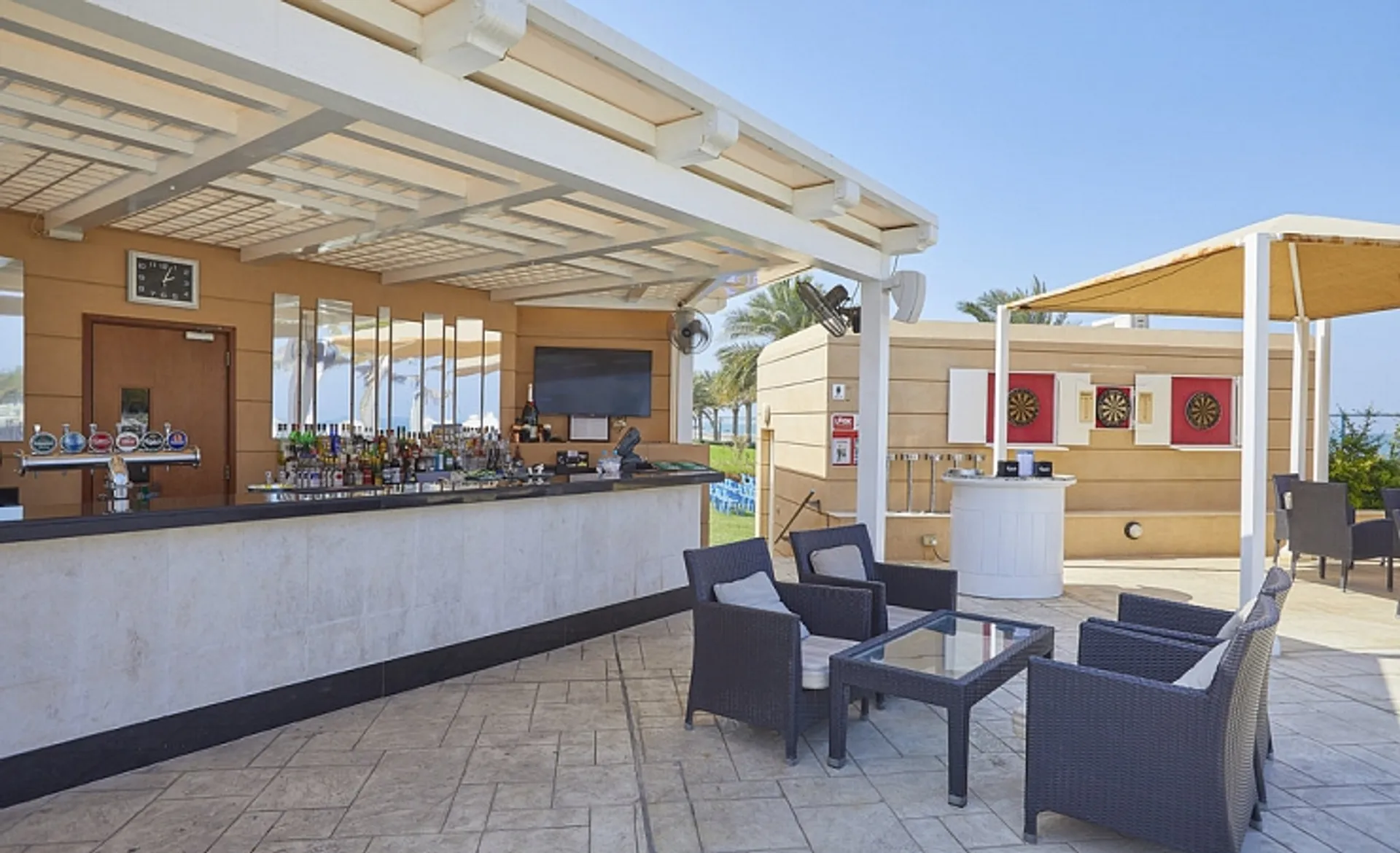
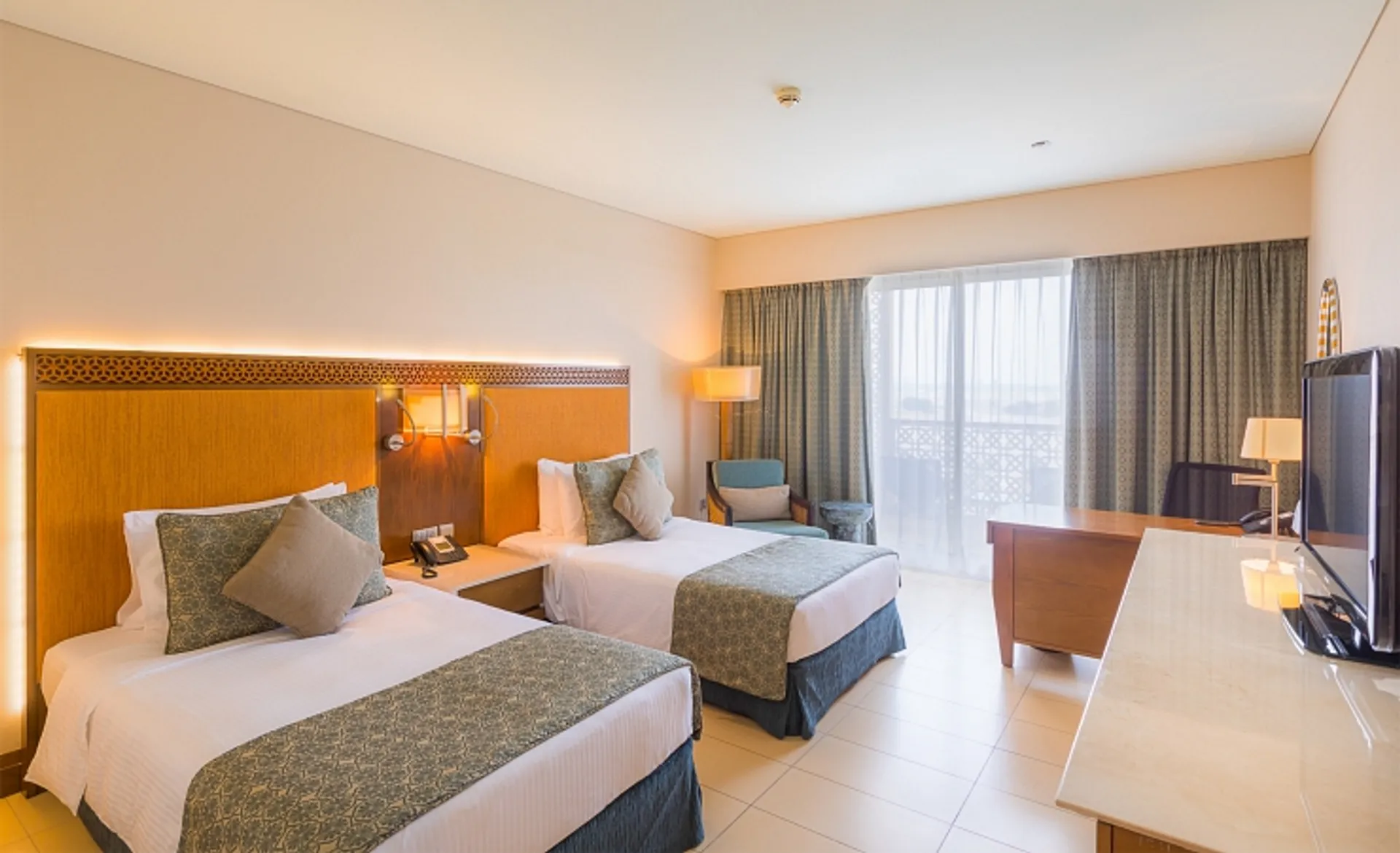
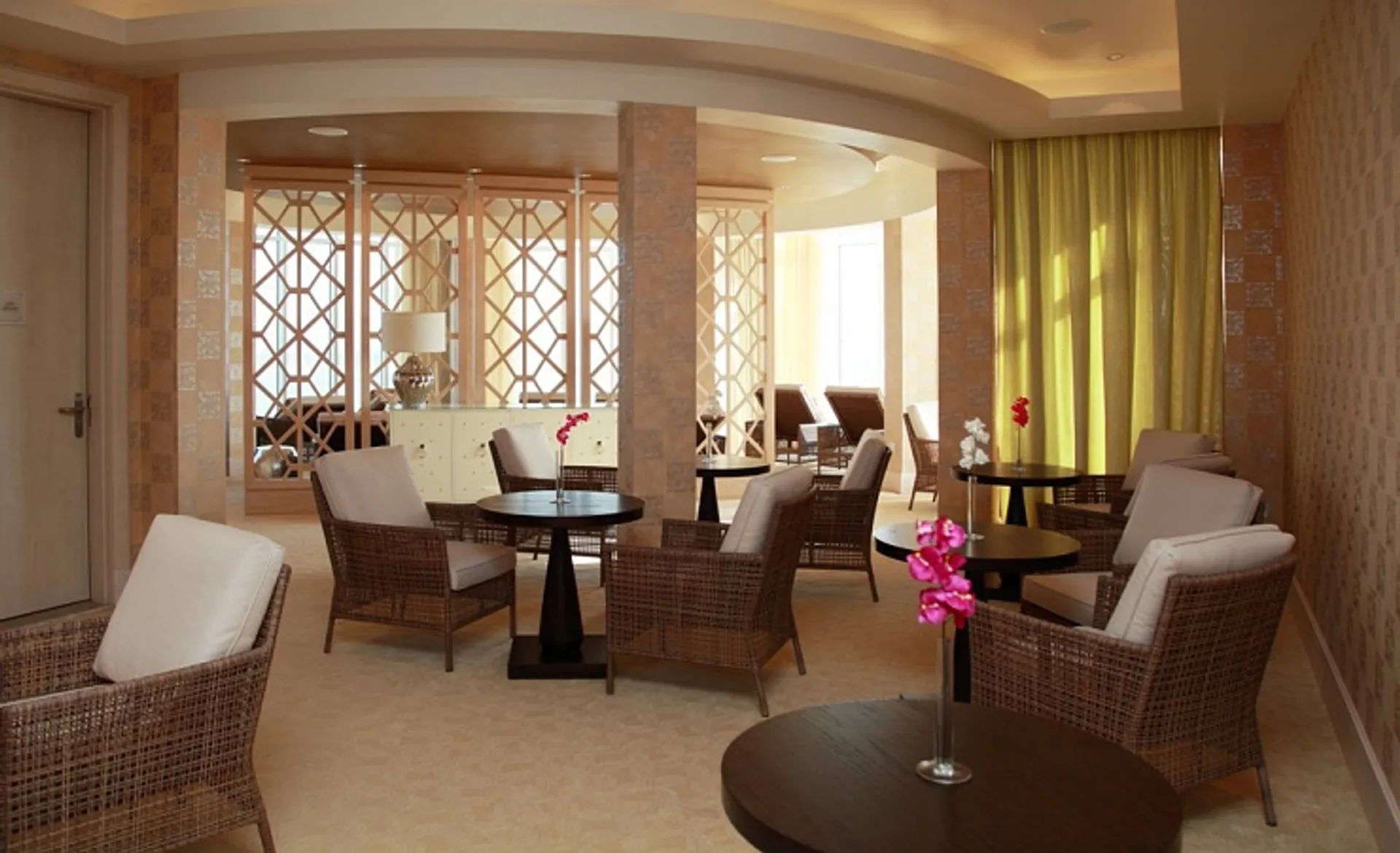
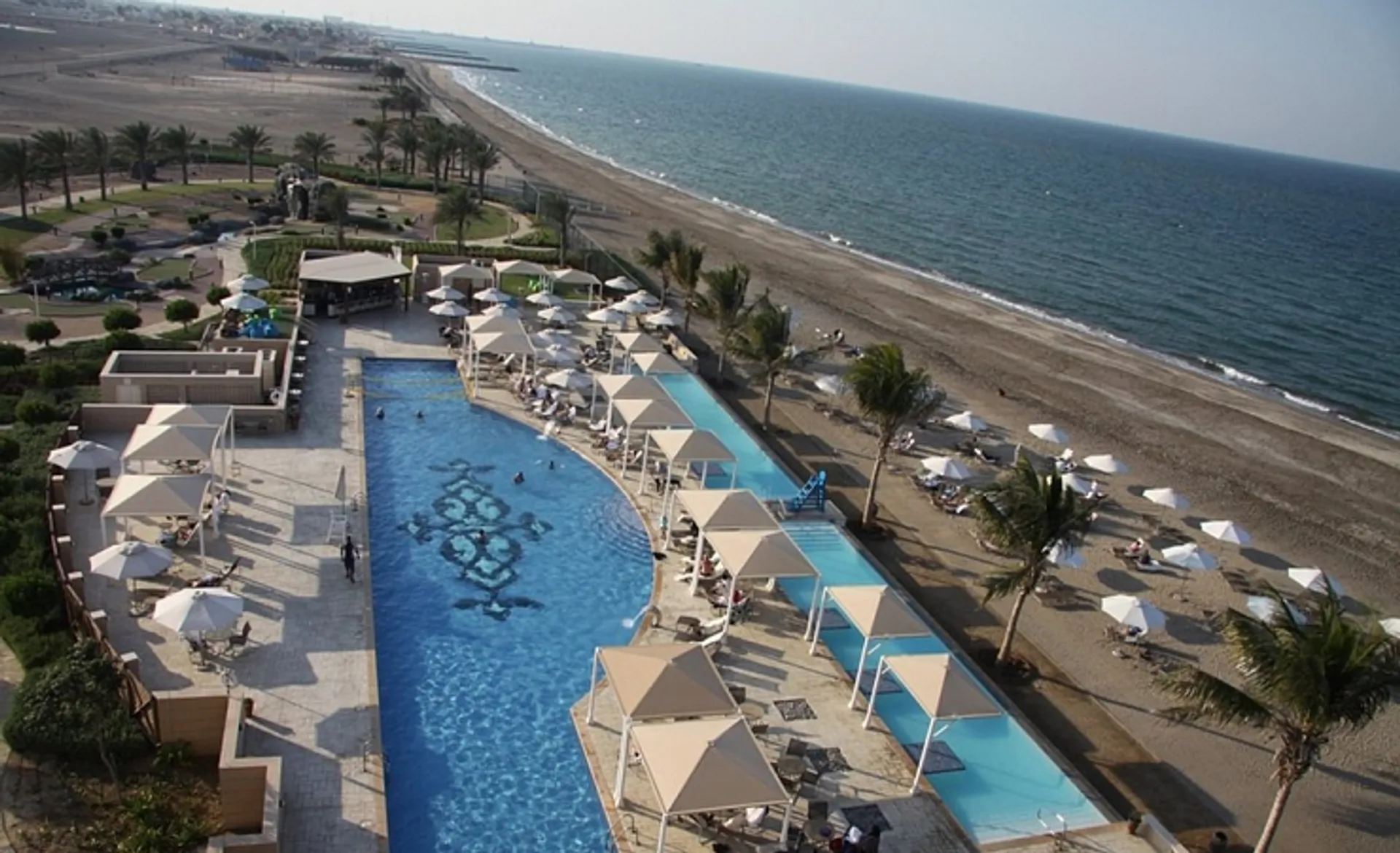
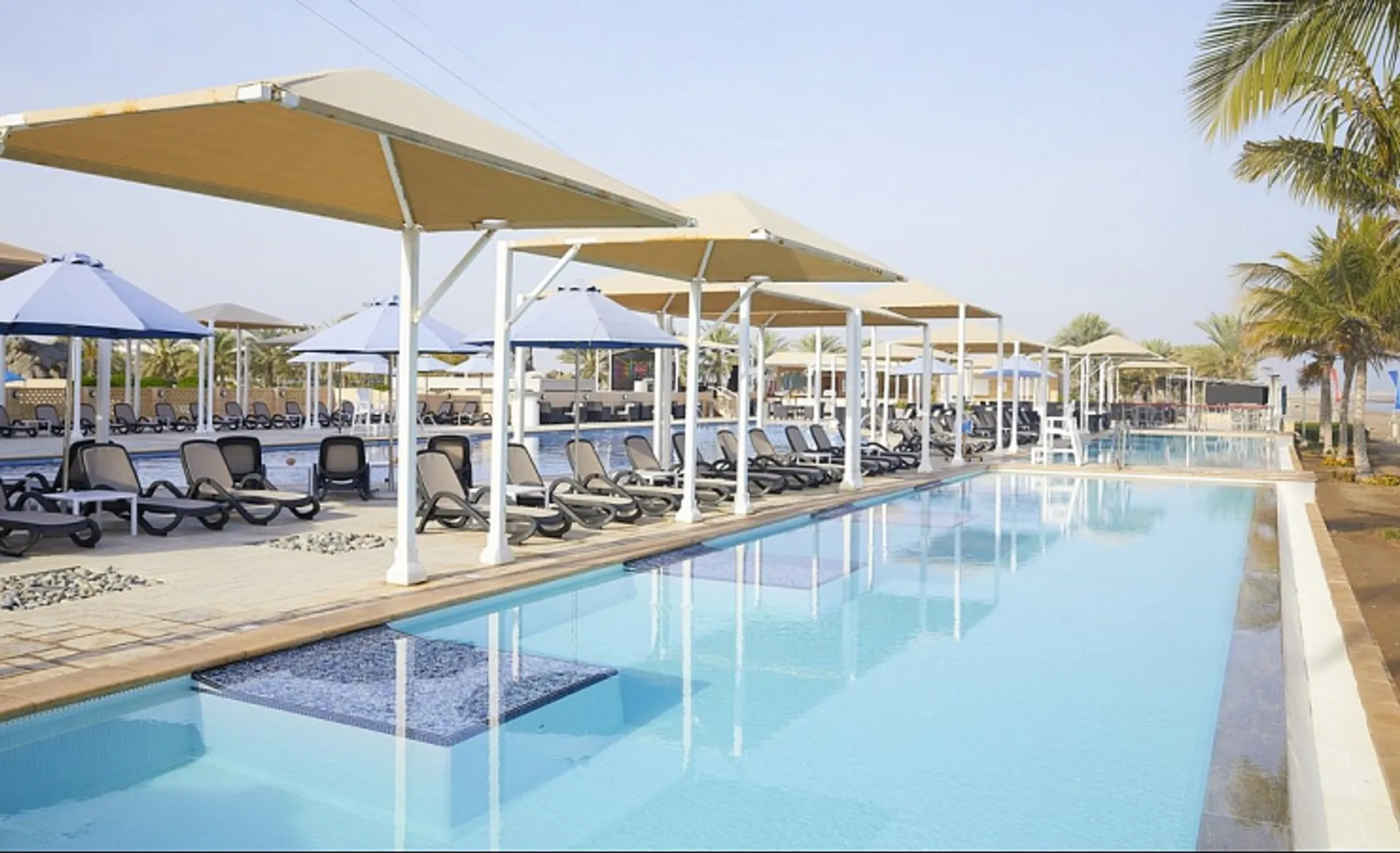
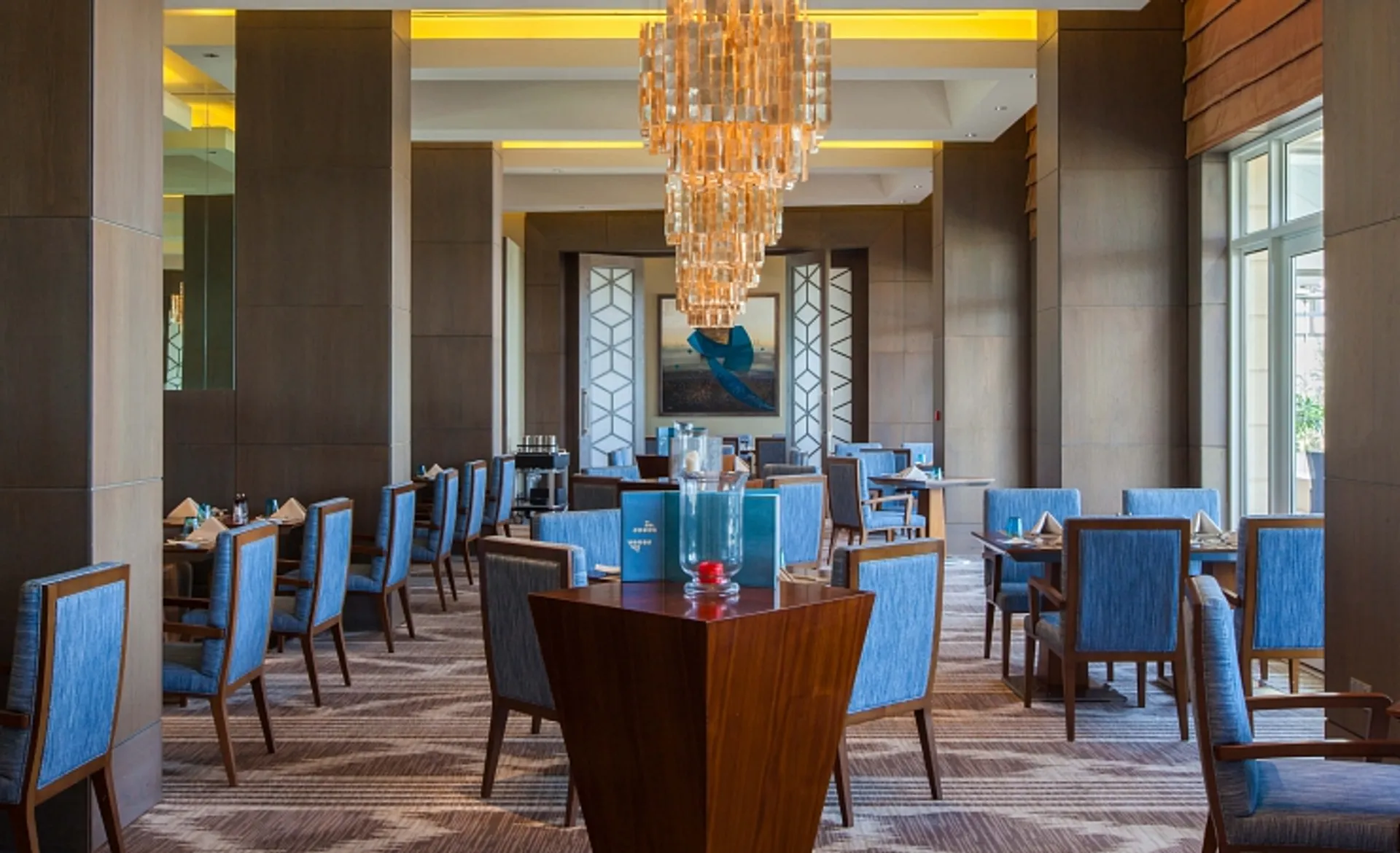
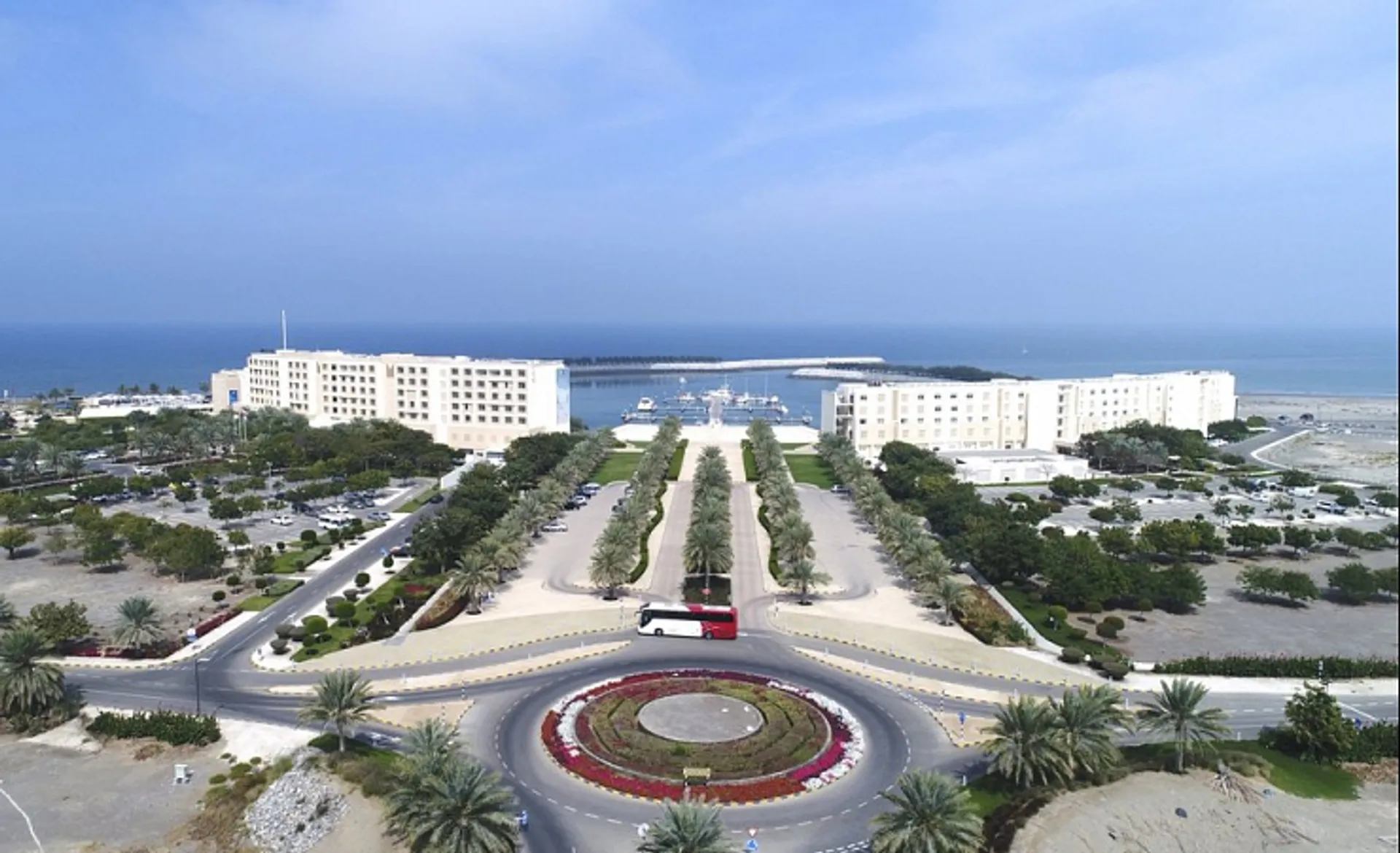

£694
pp
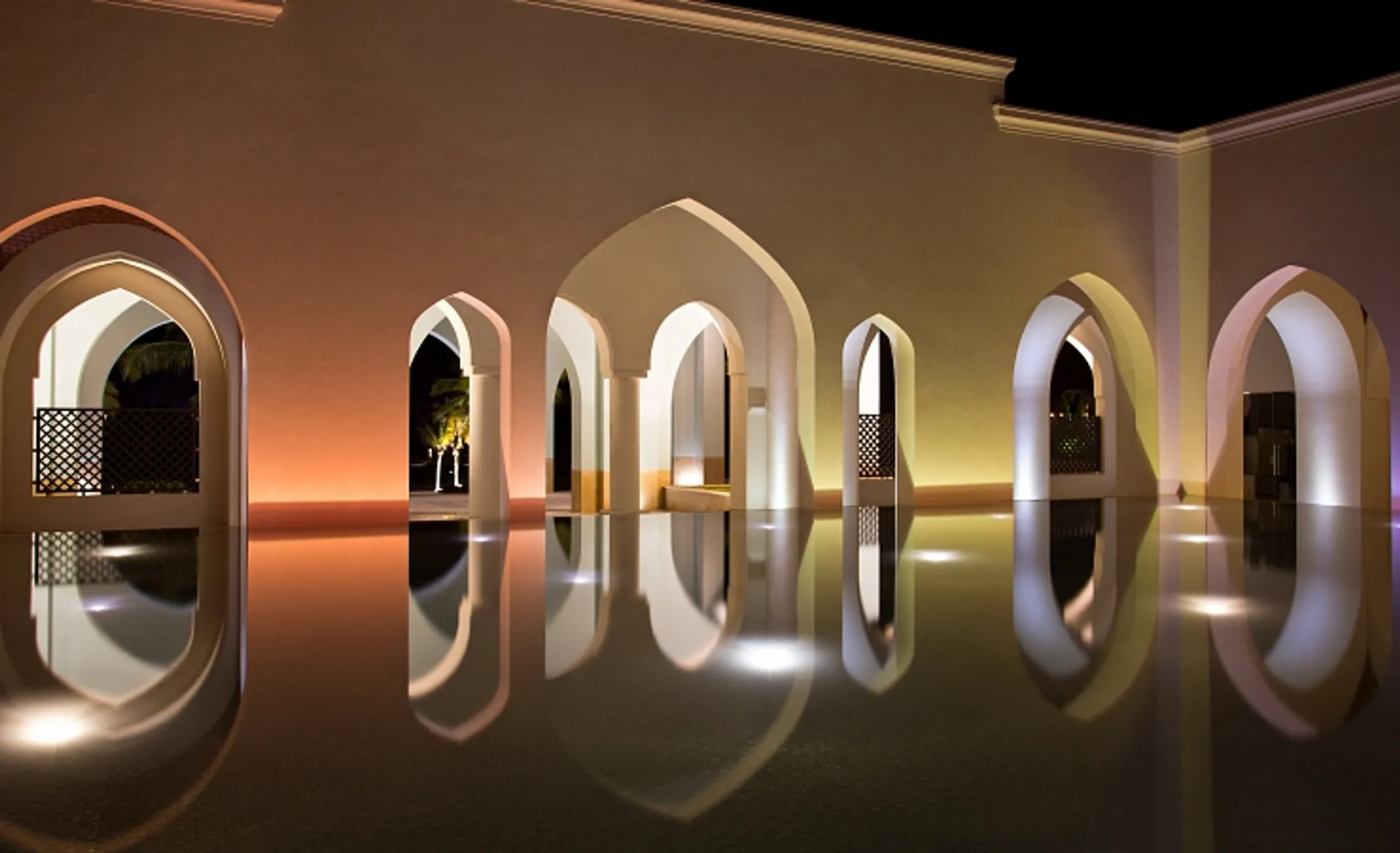
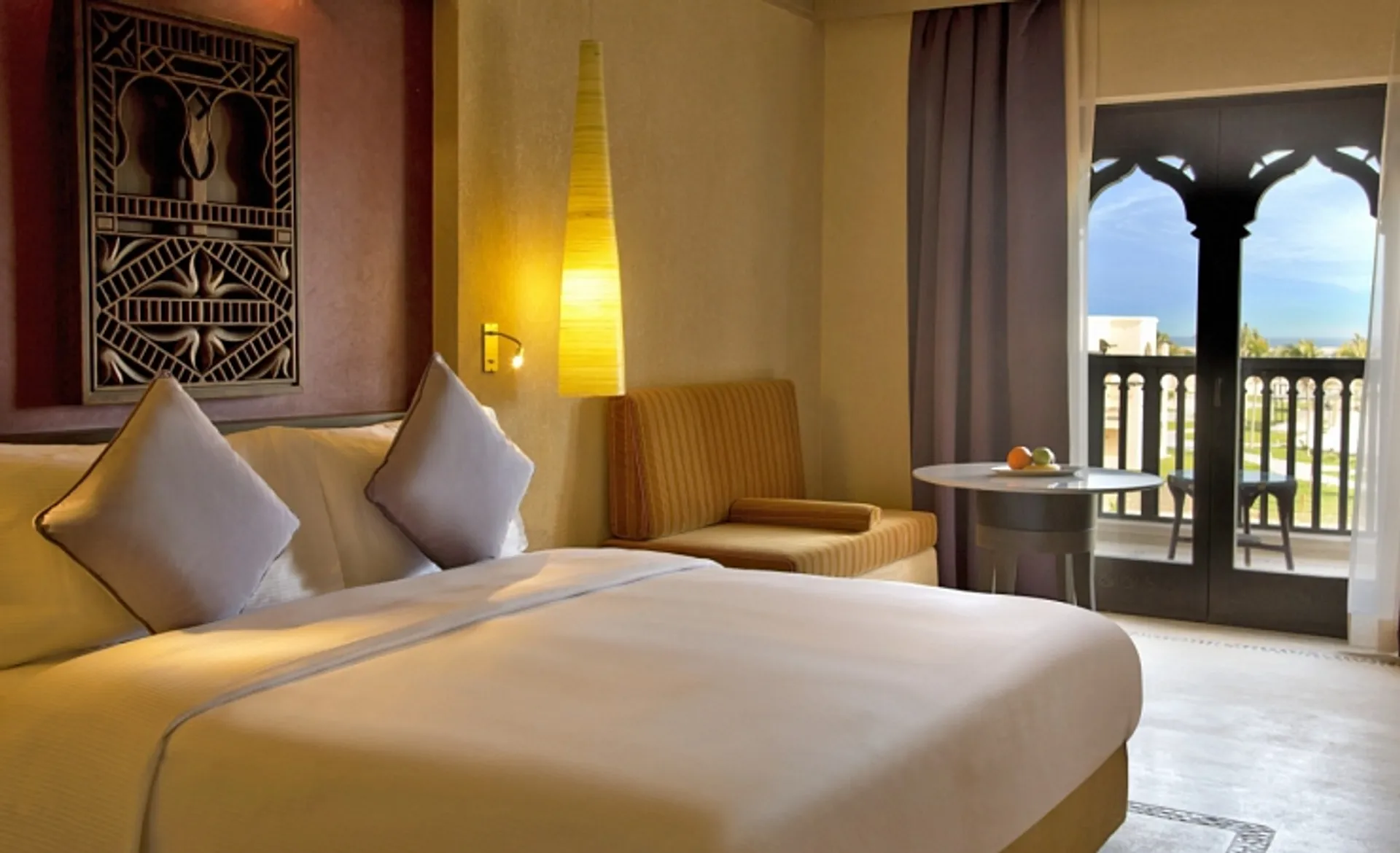
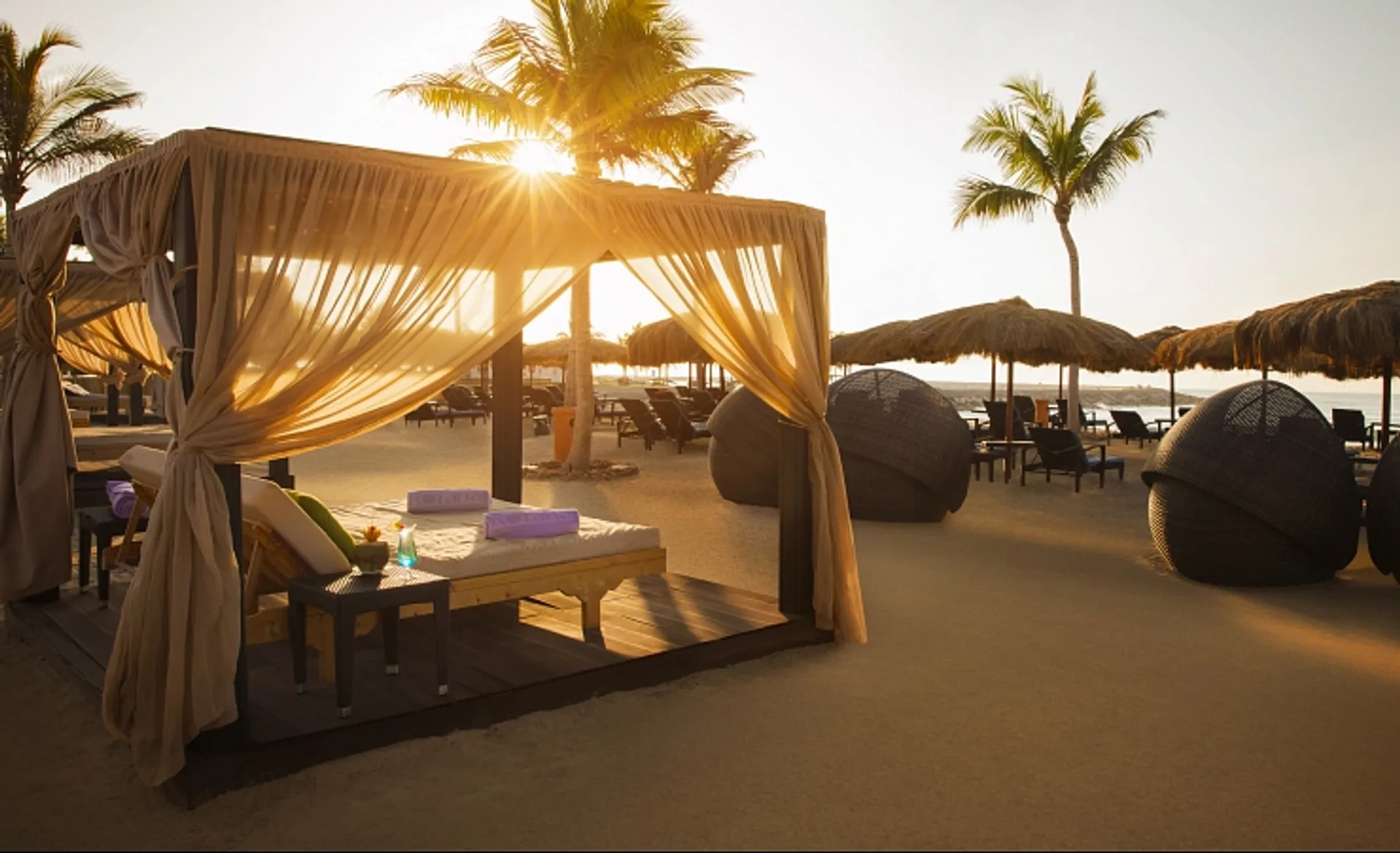
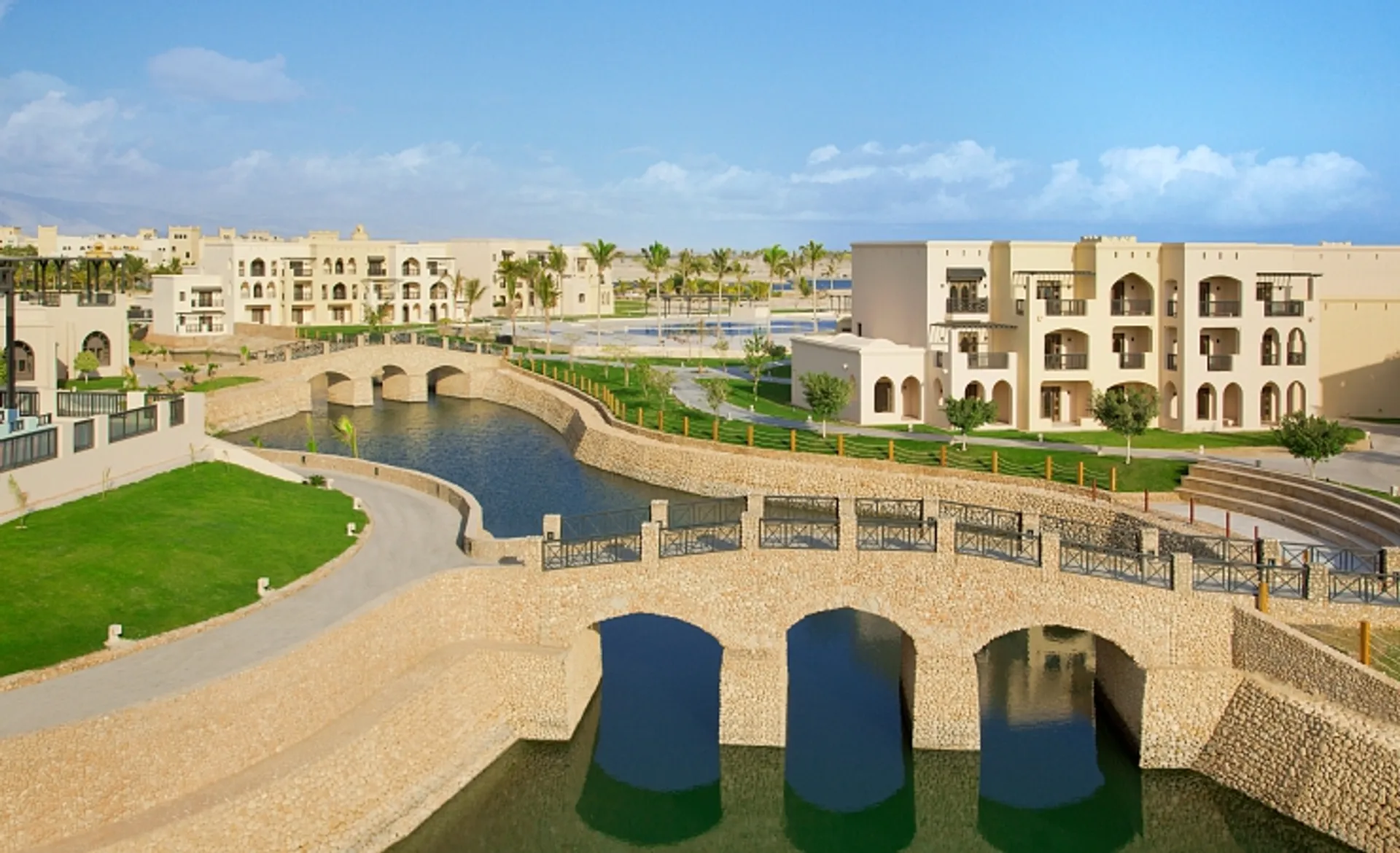
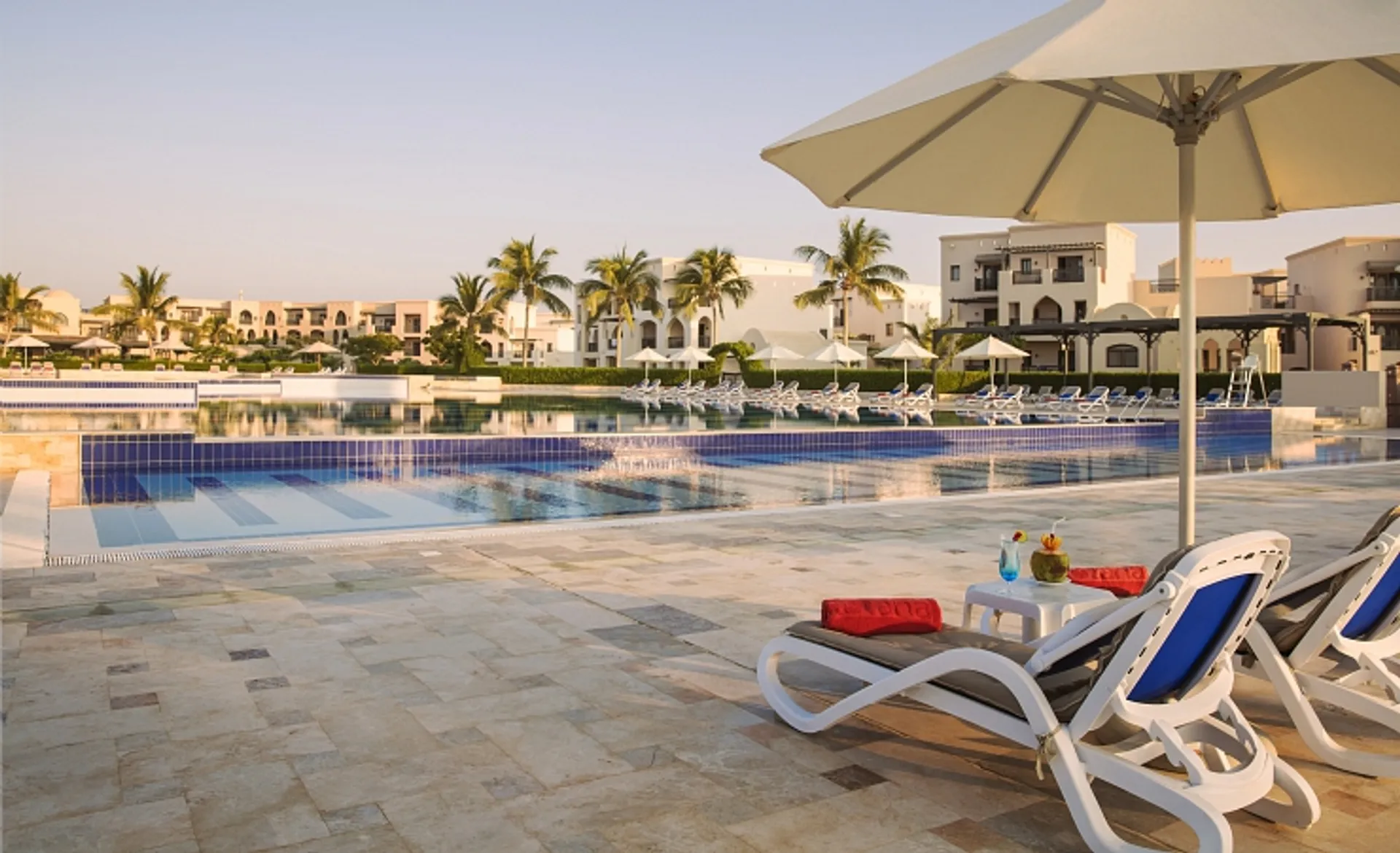
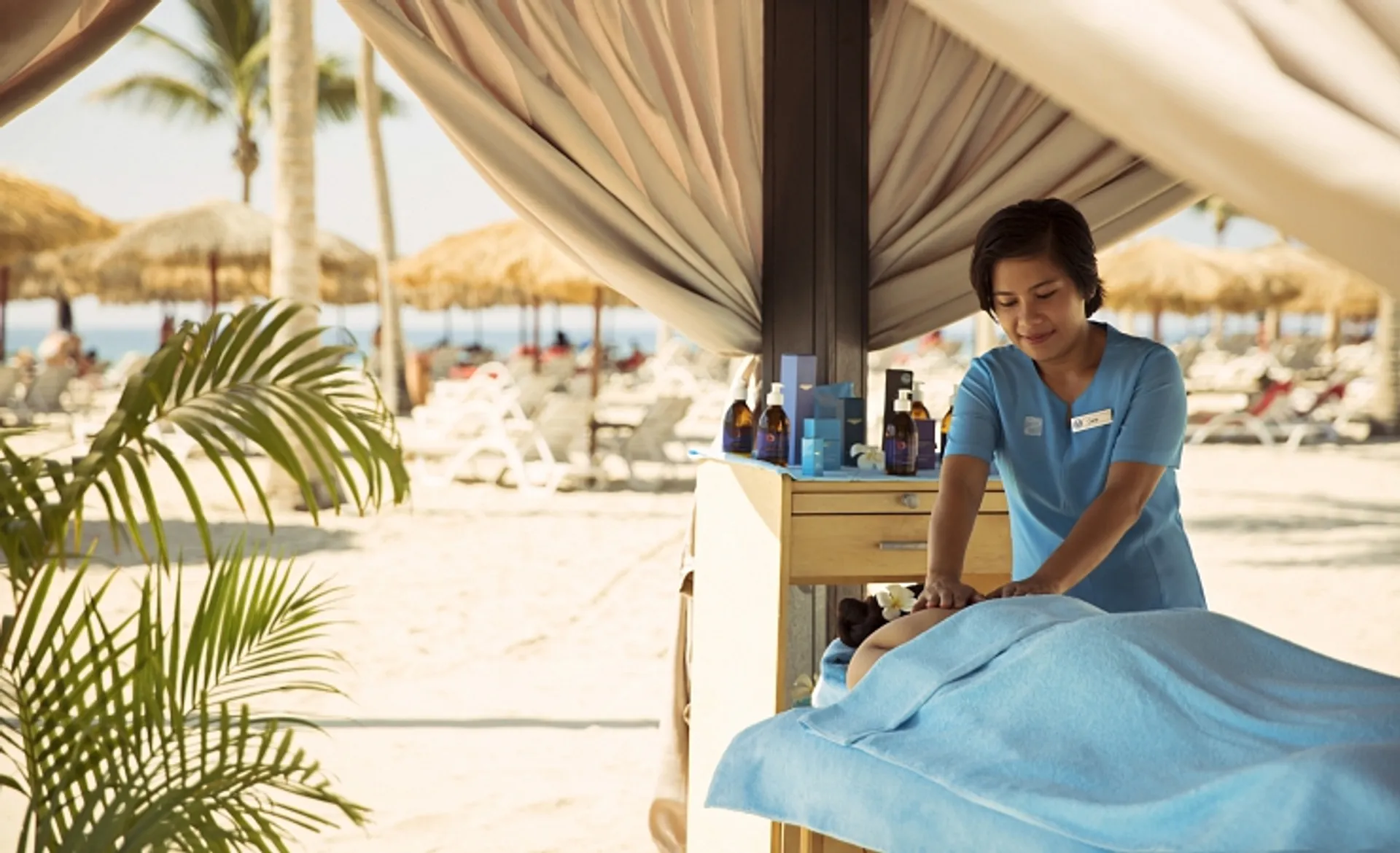
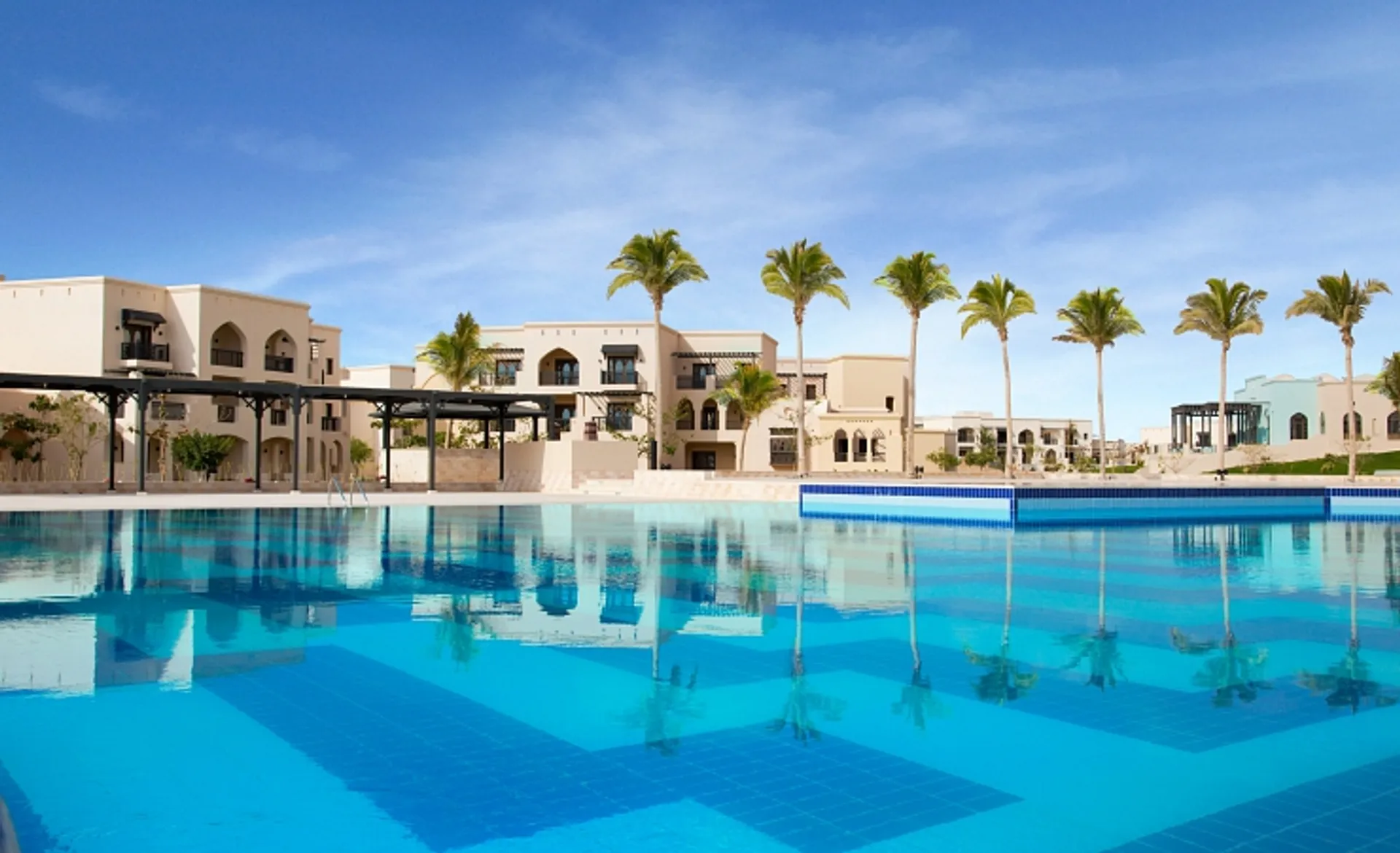
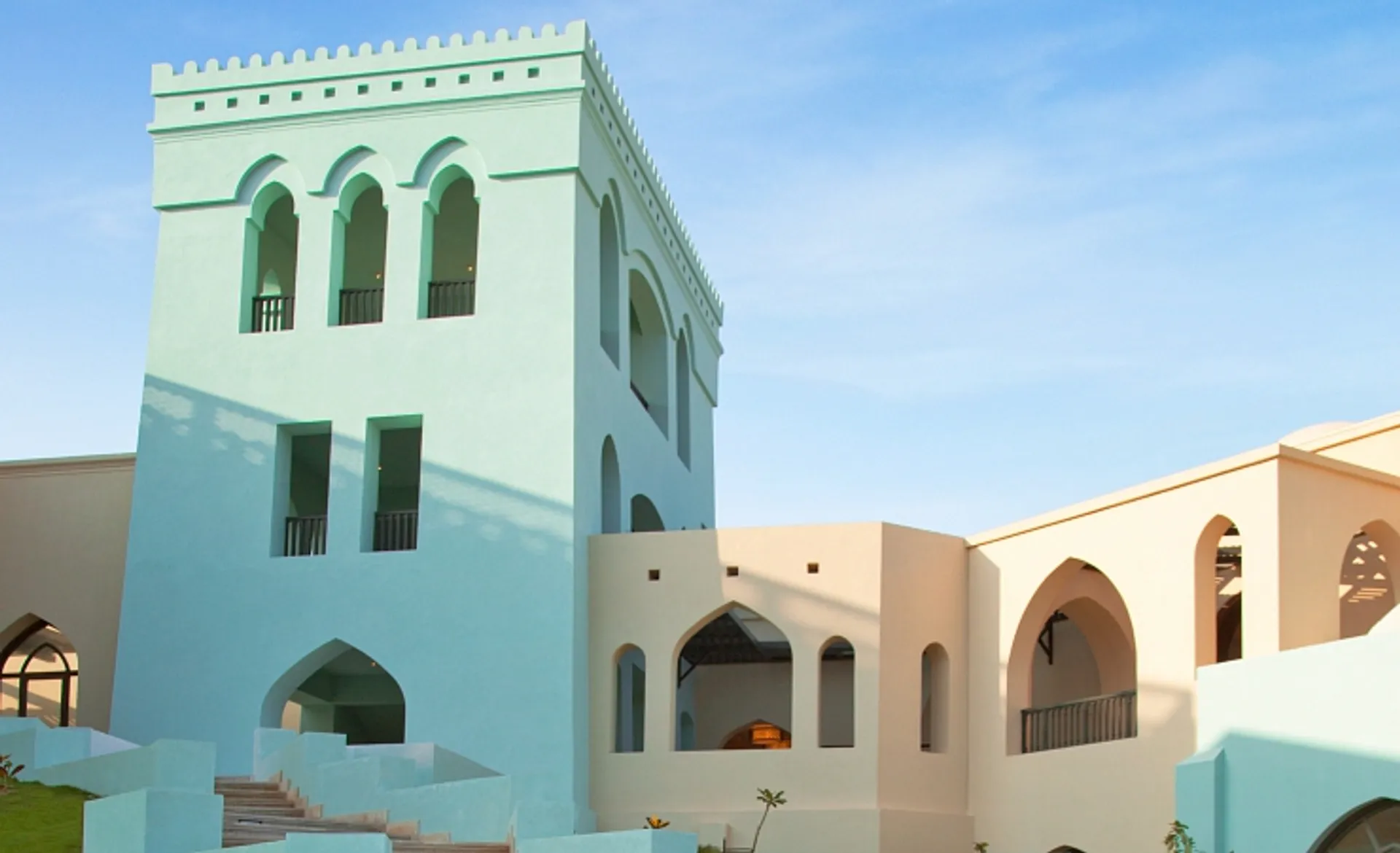
£807
pp
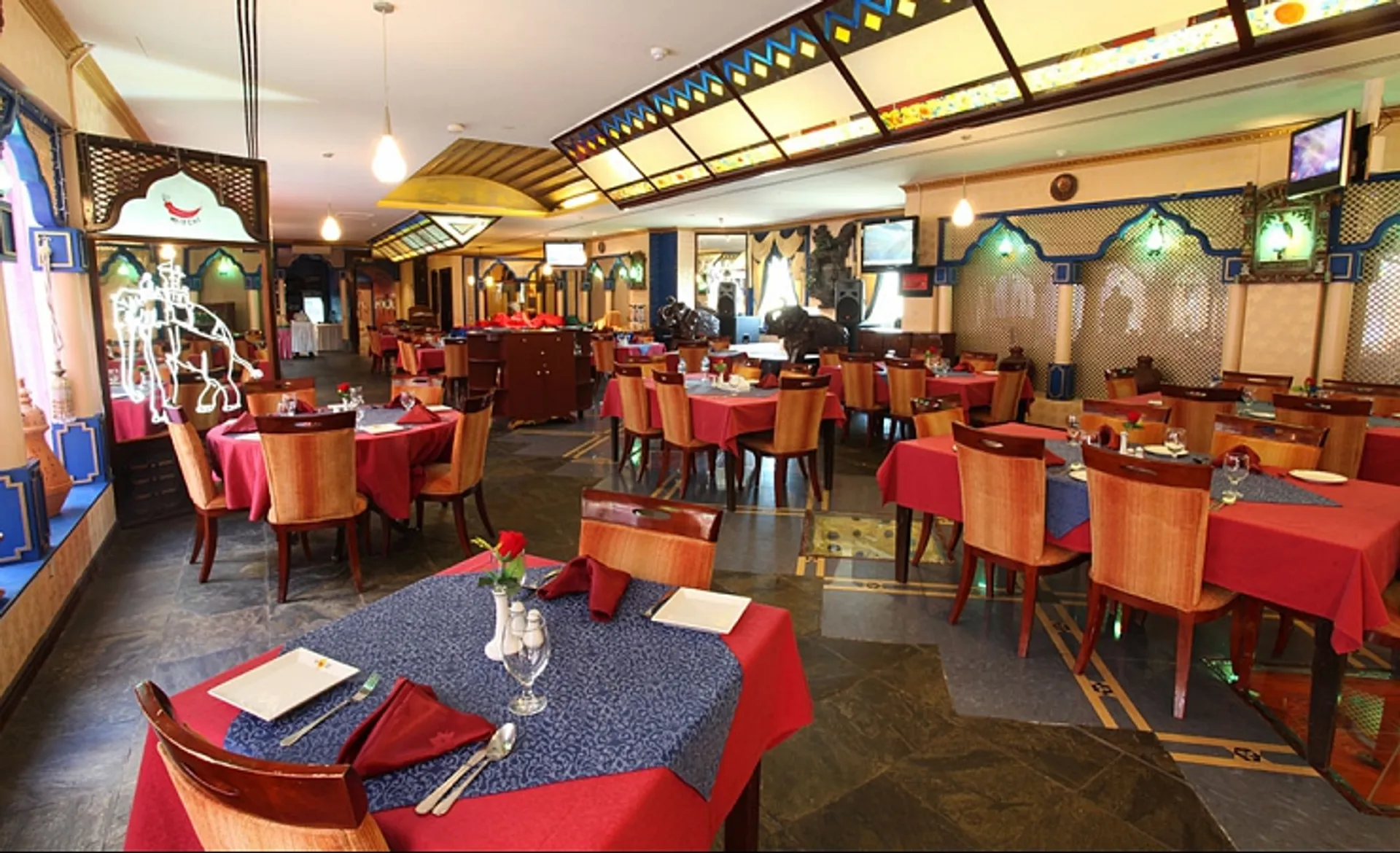

£534
pp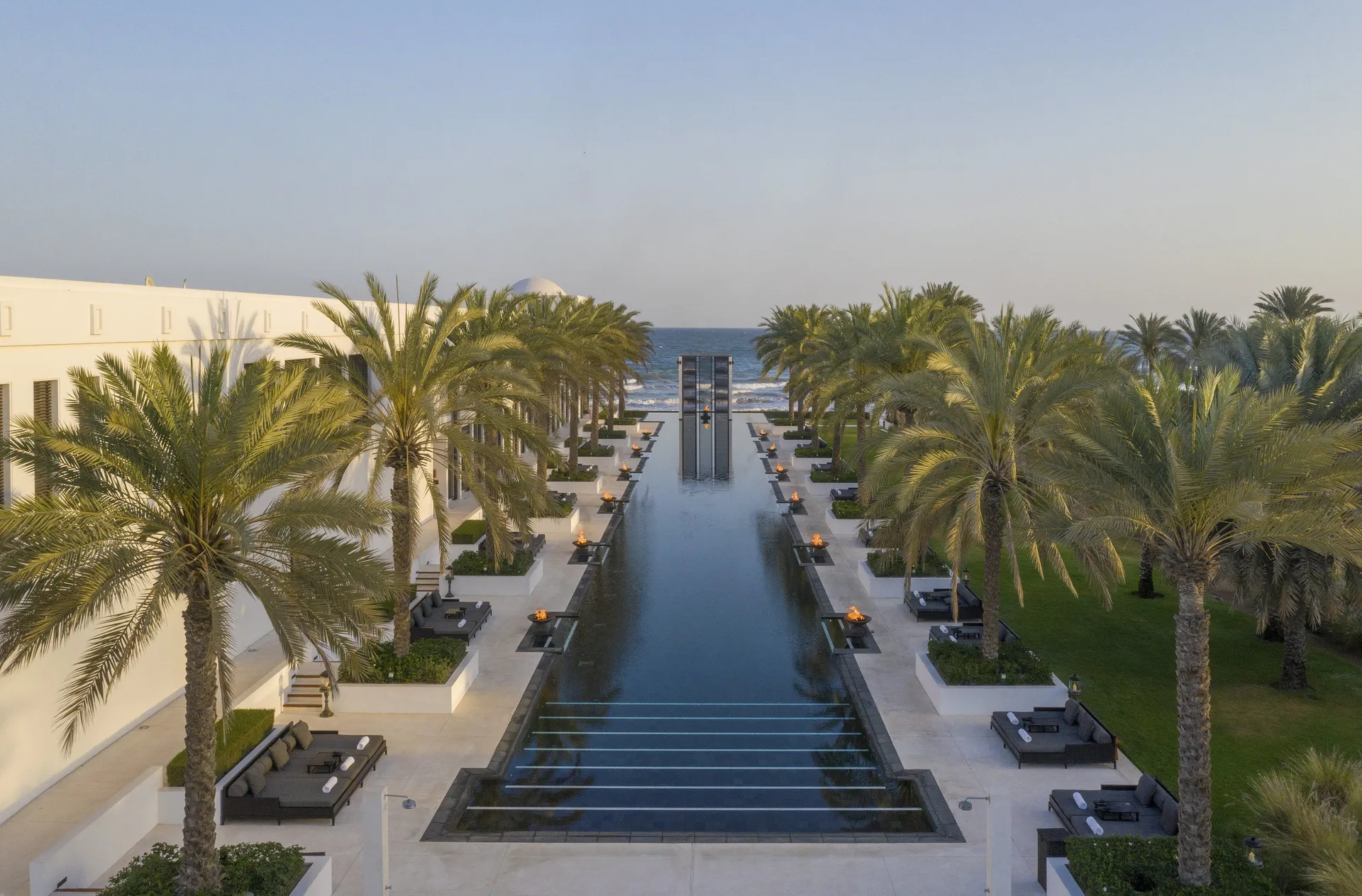
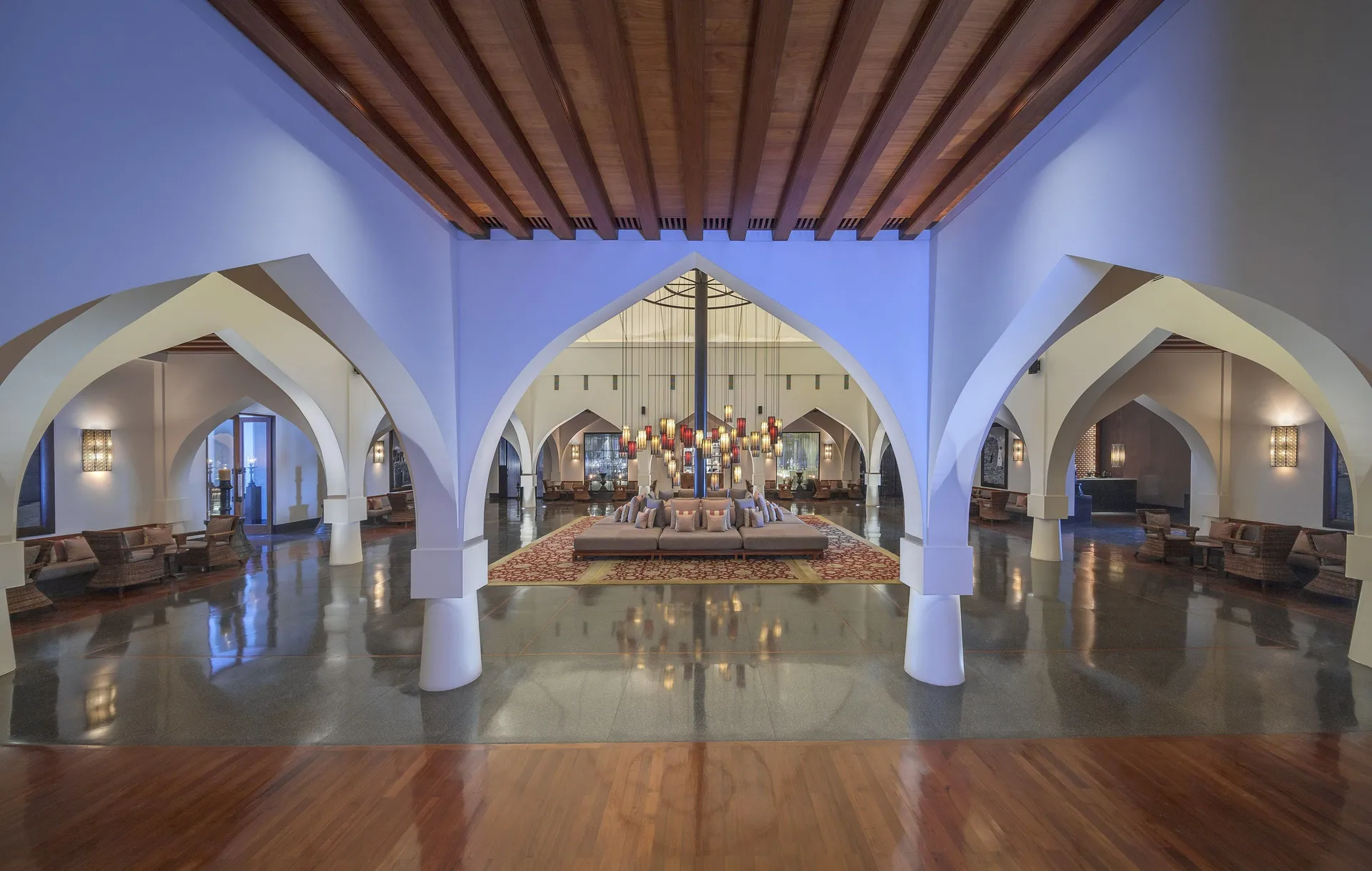
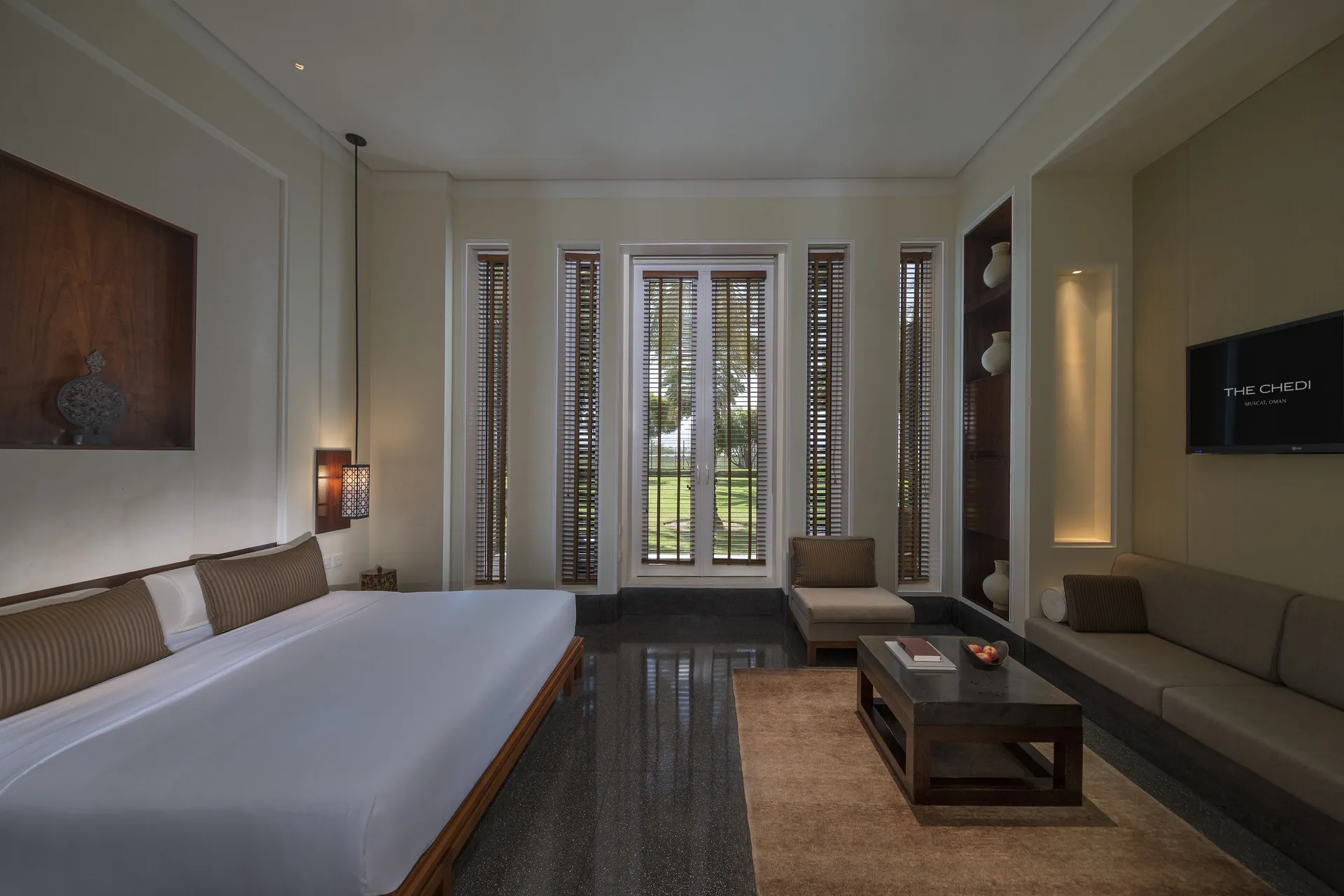
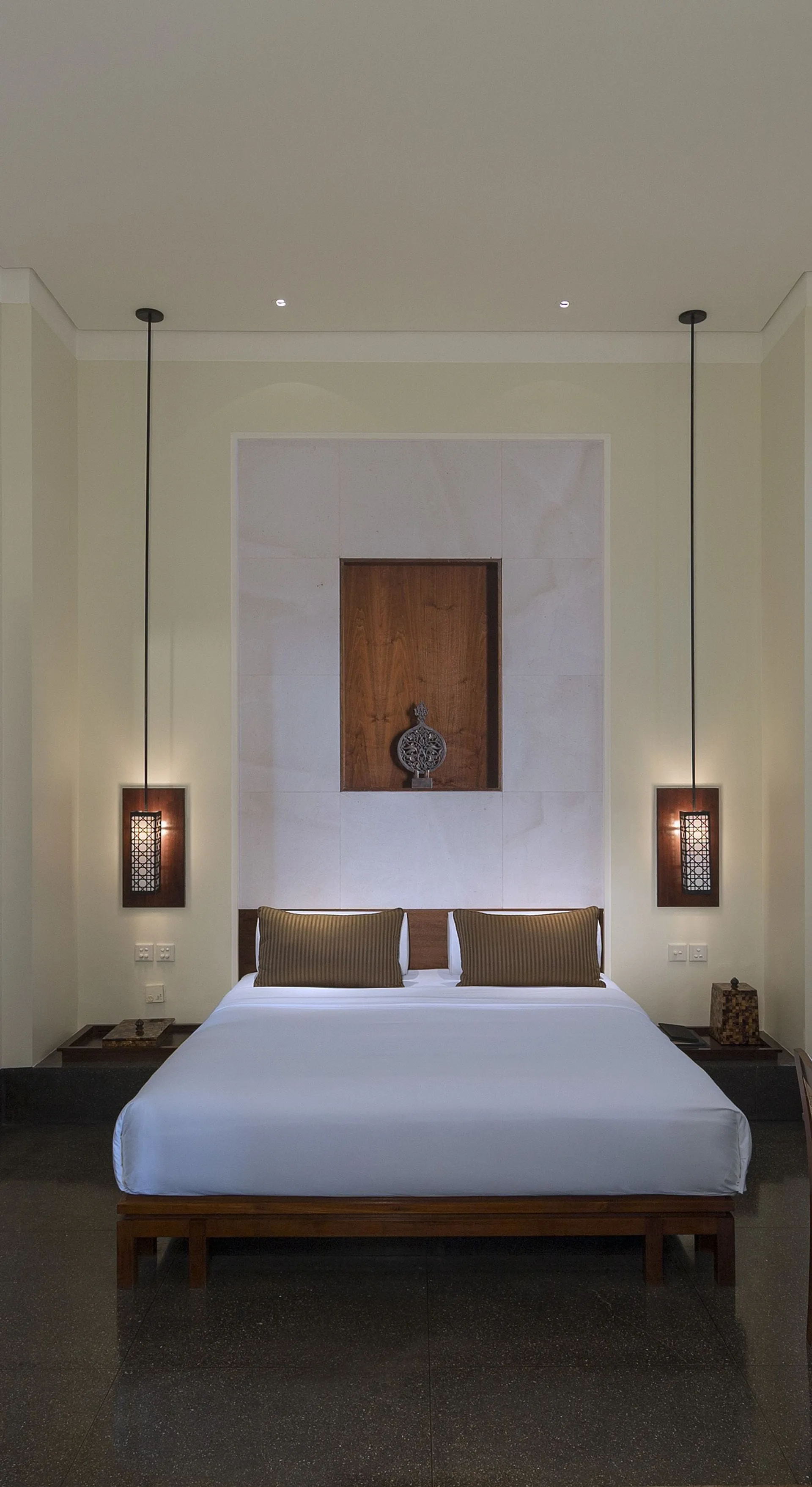
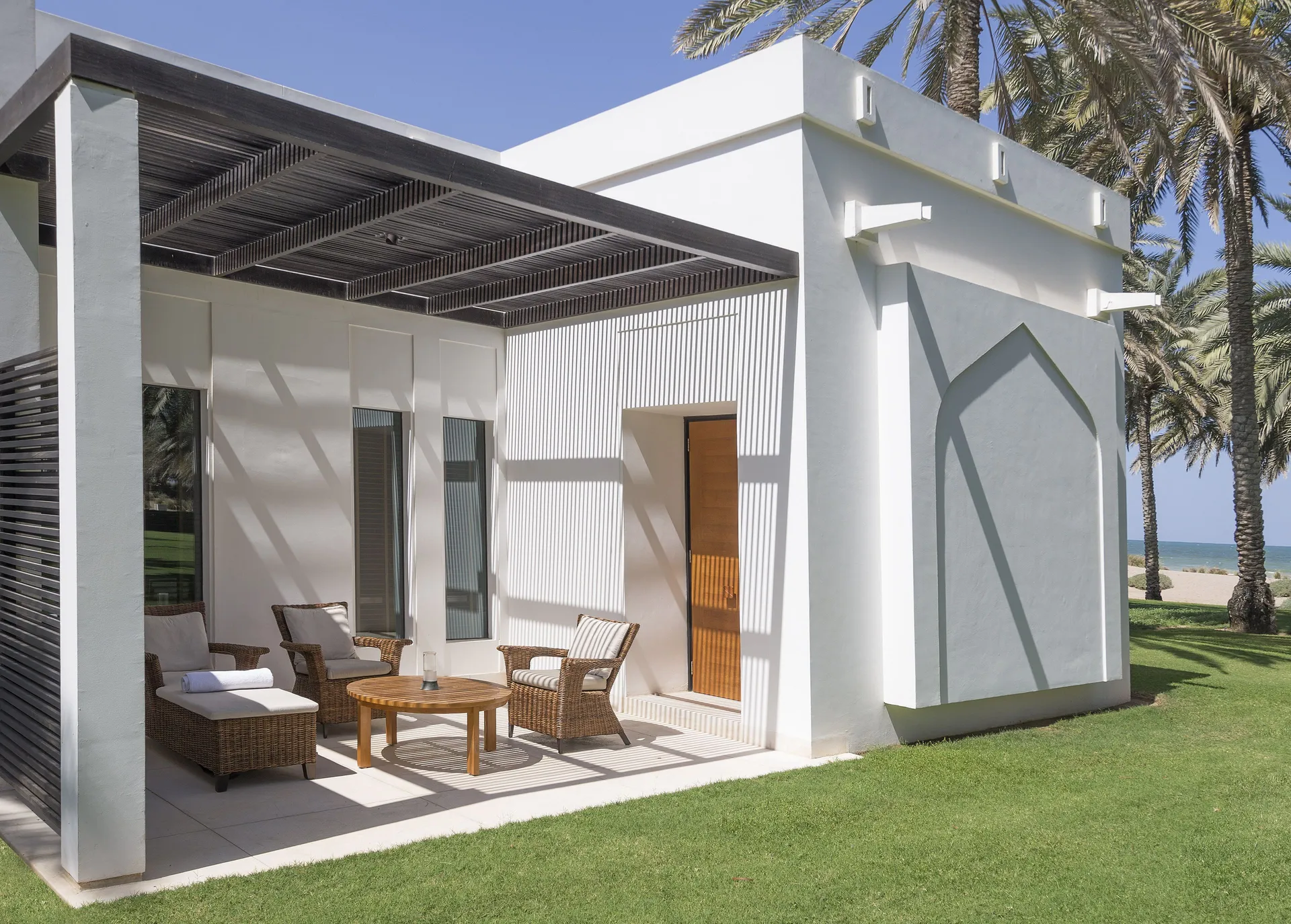
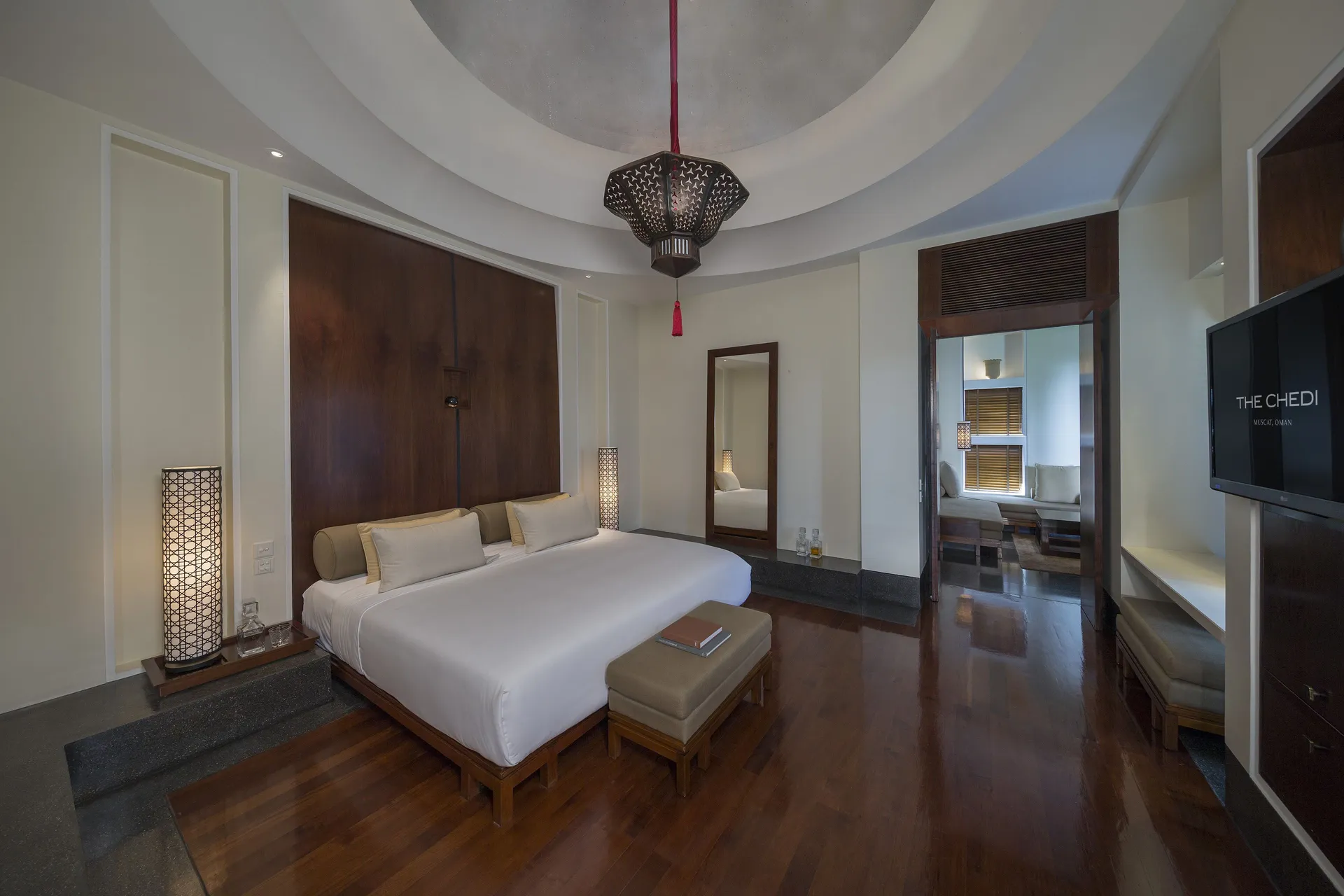
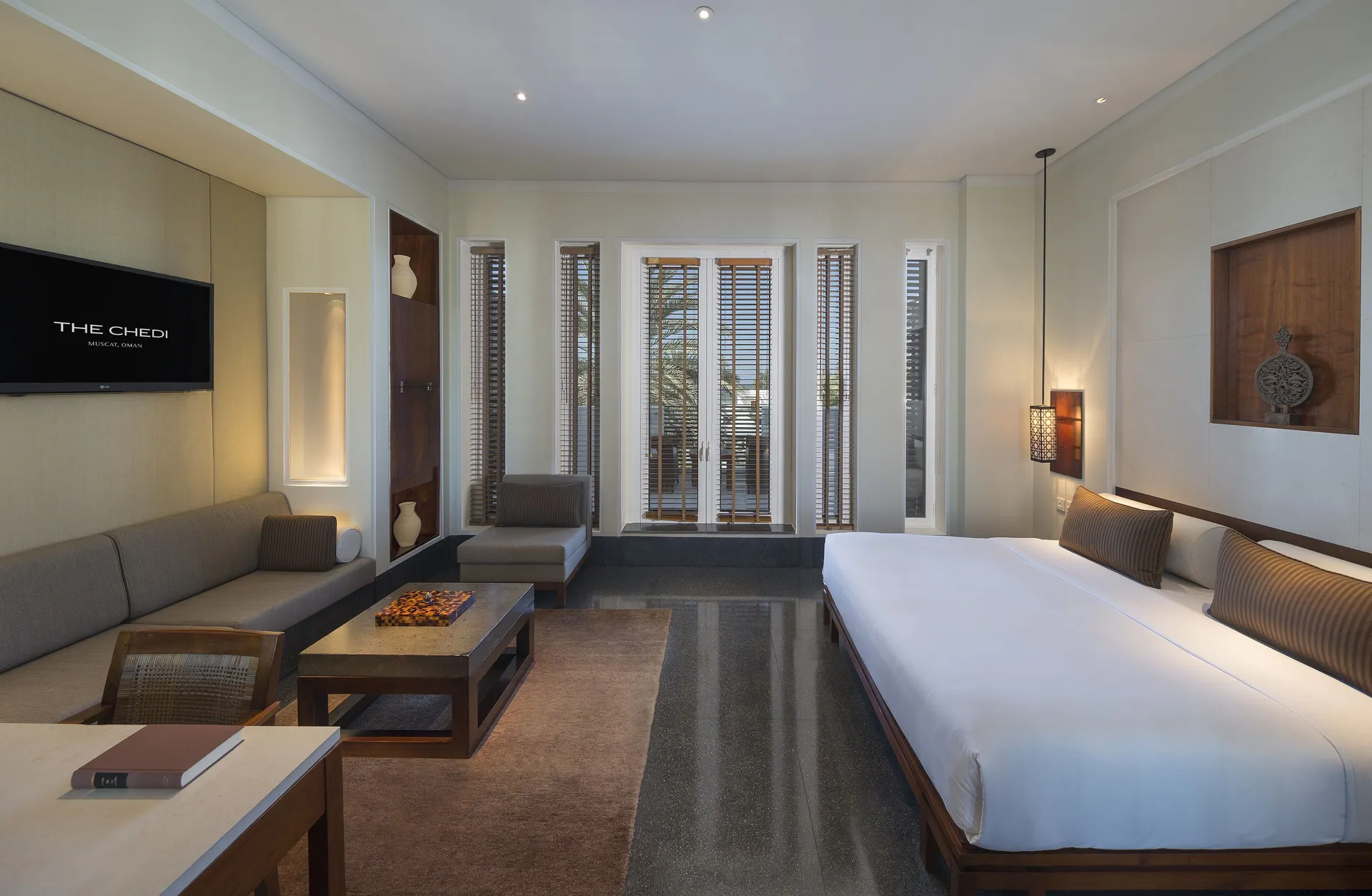
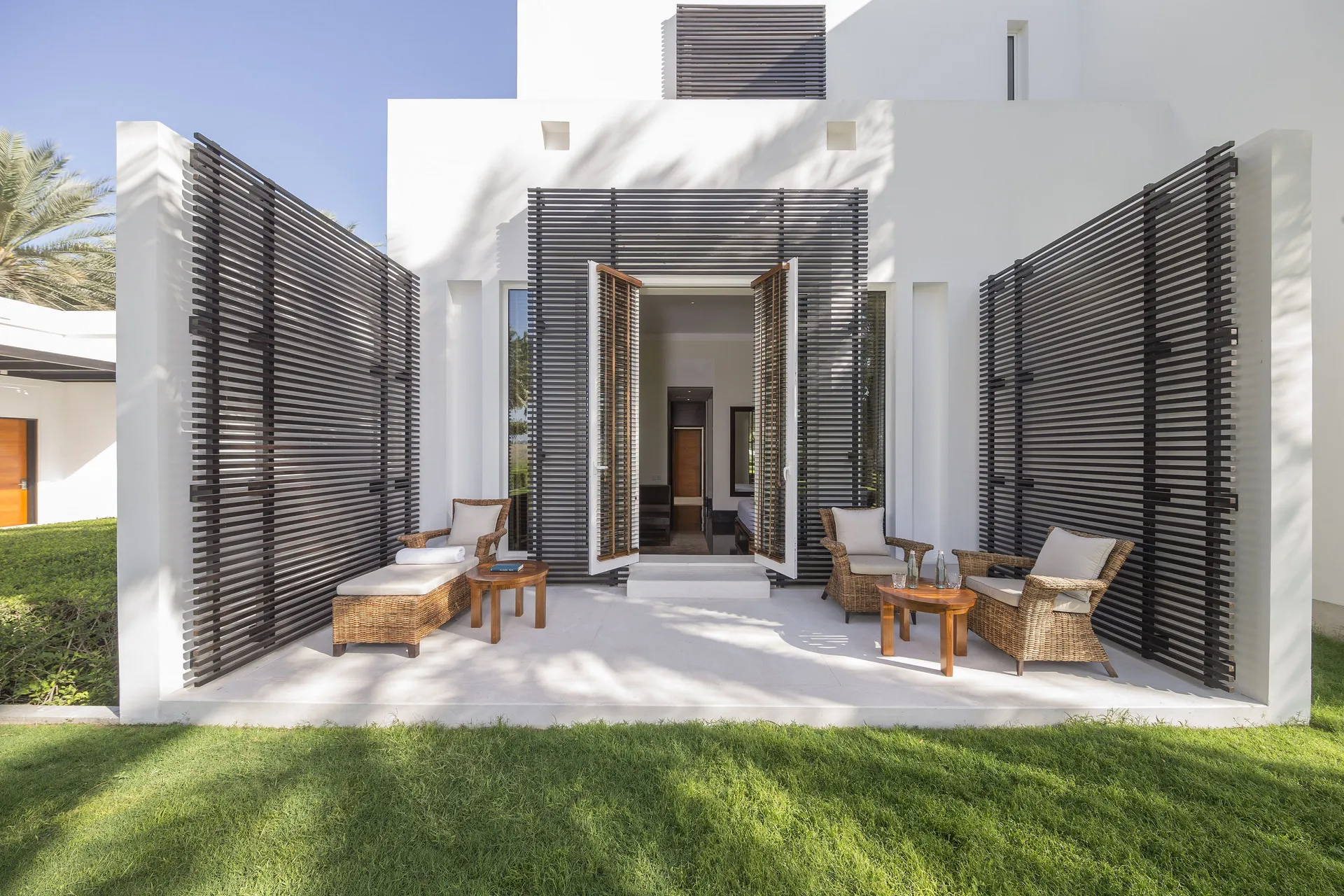
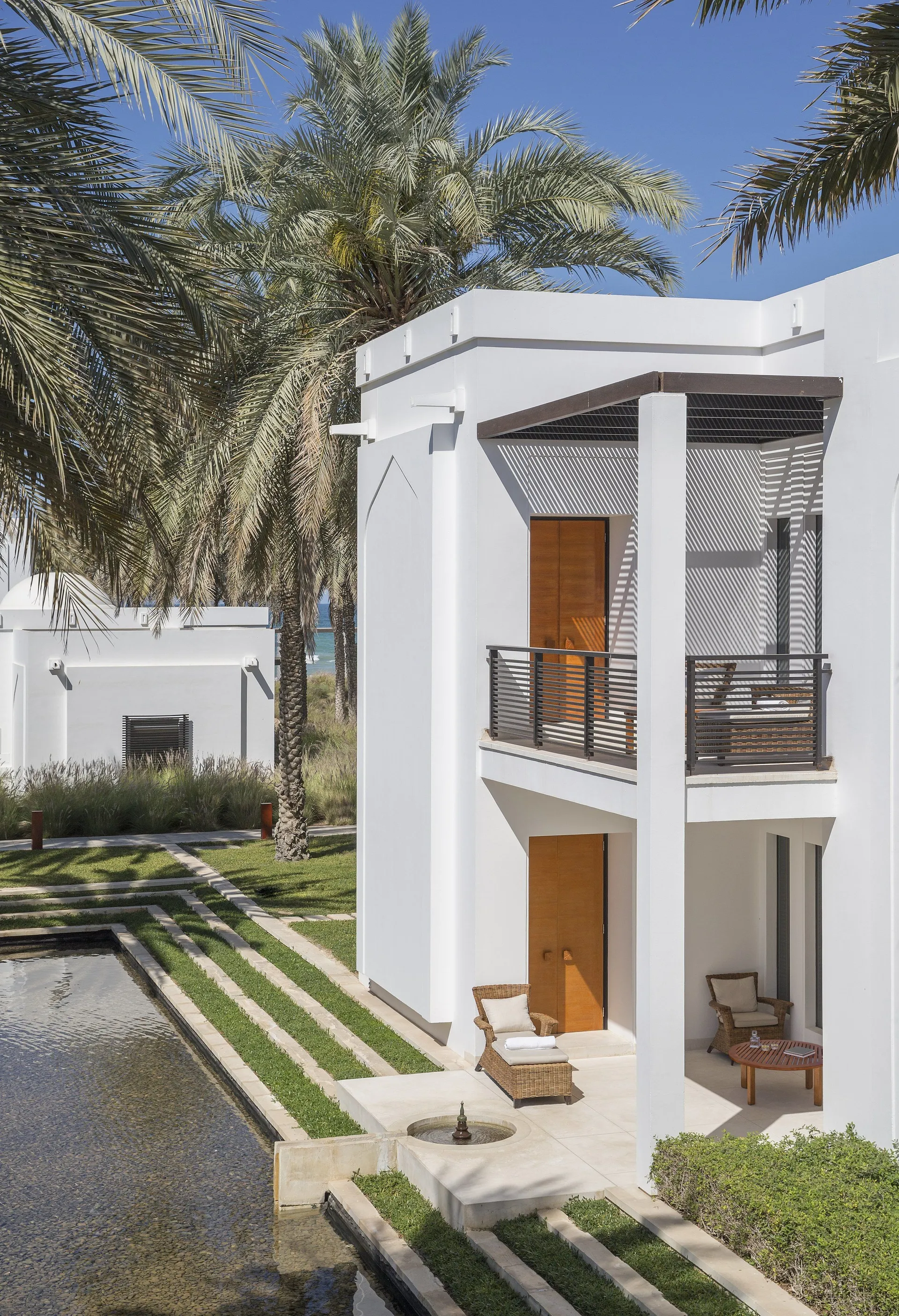
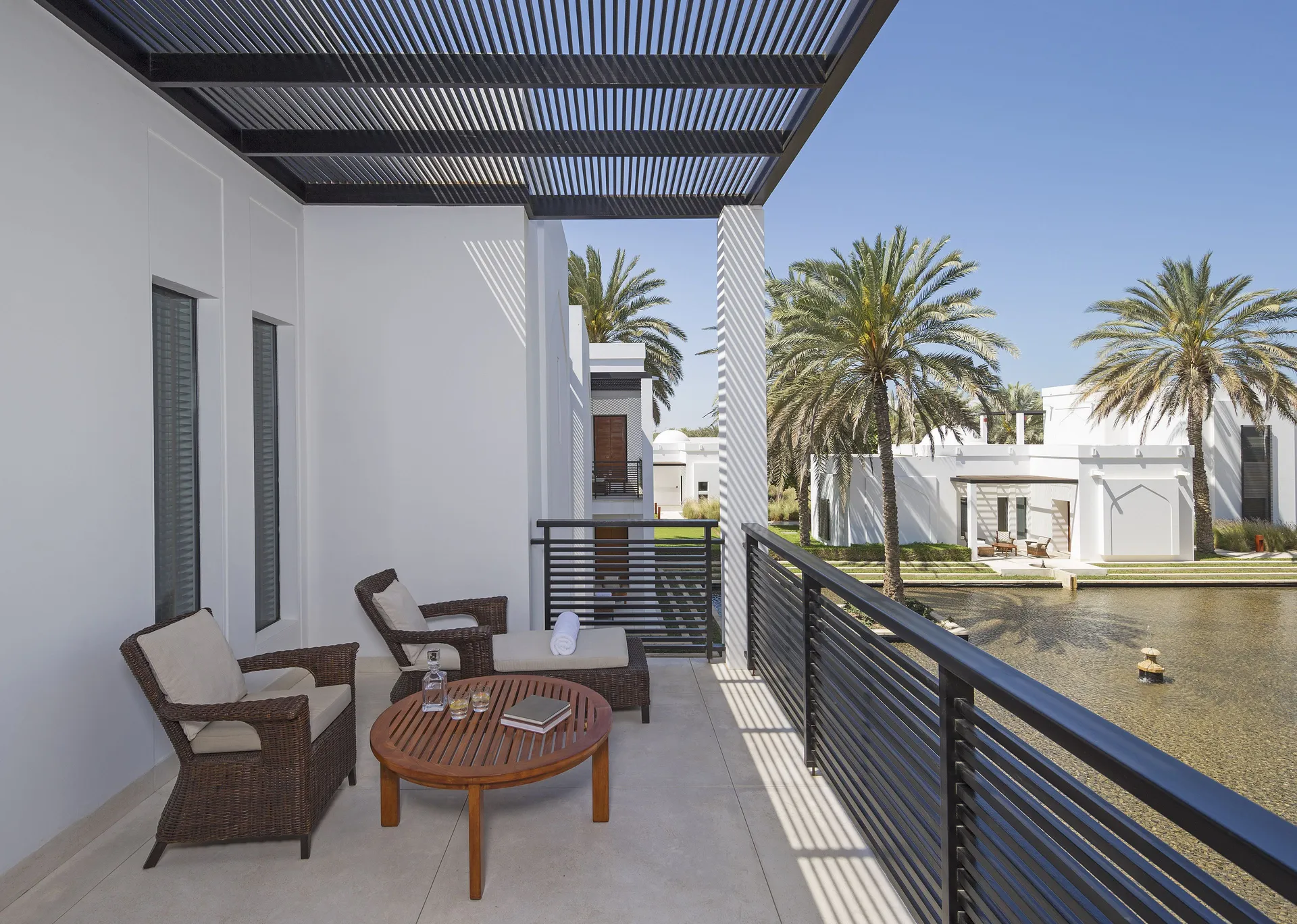
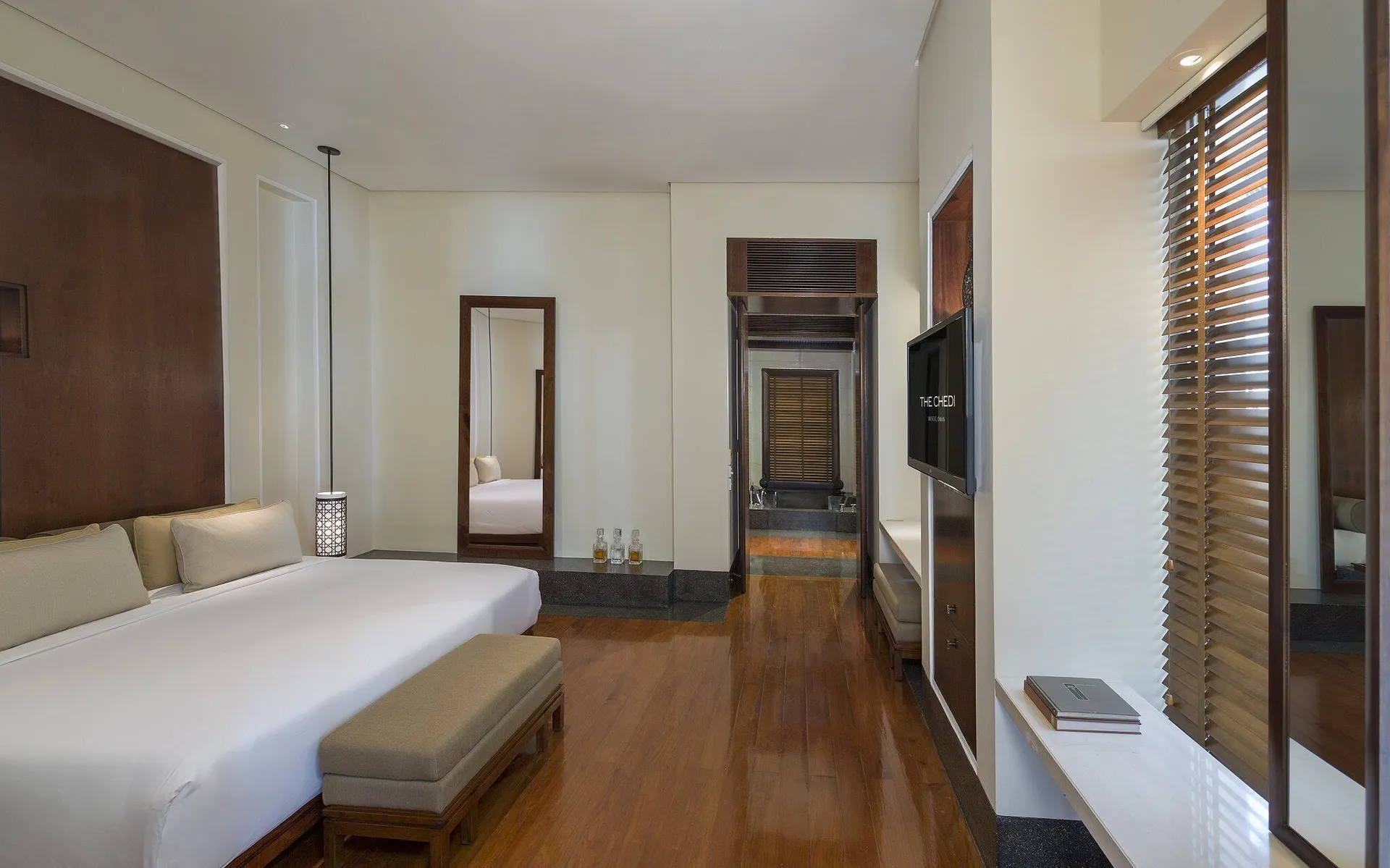
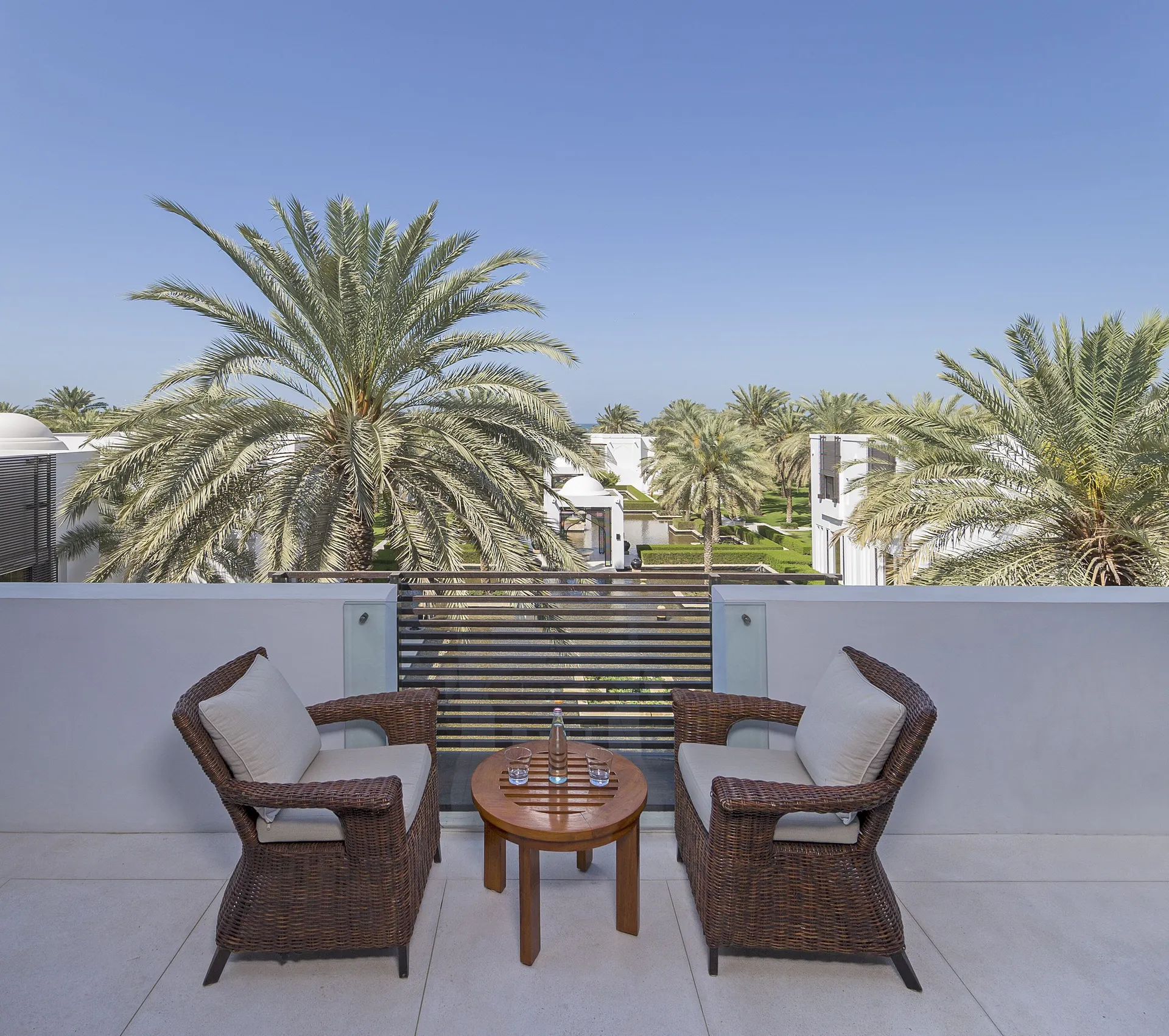
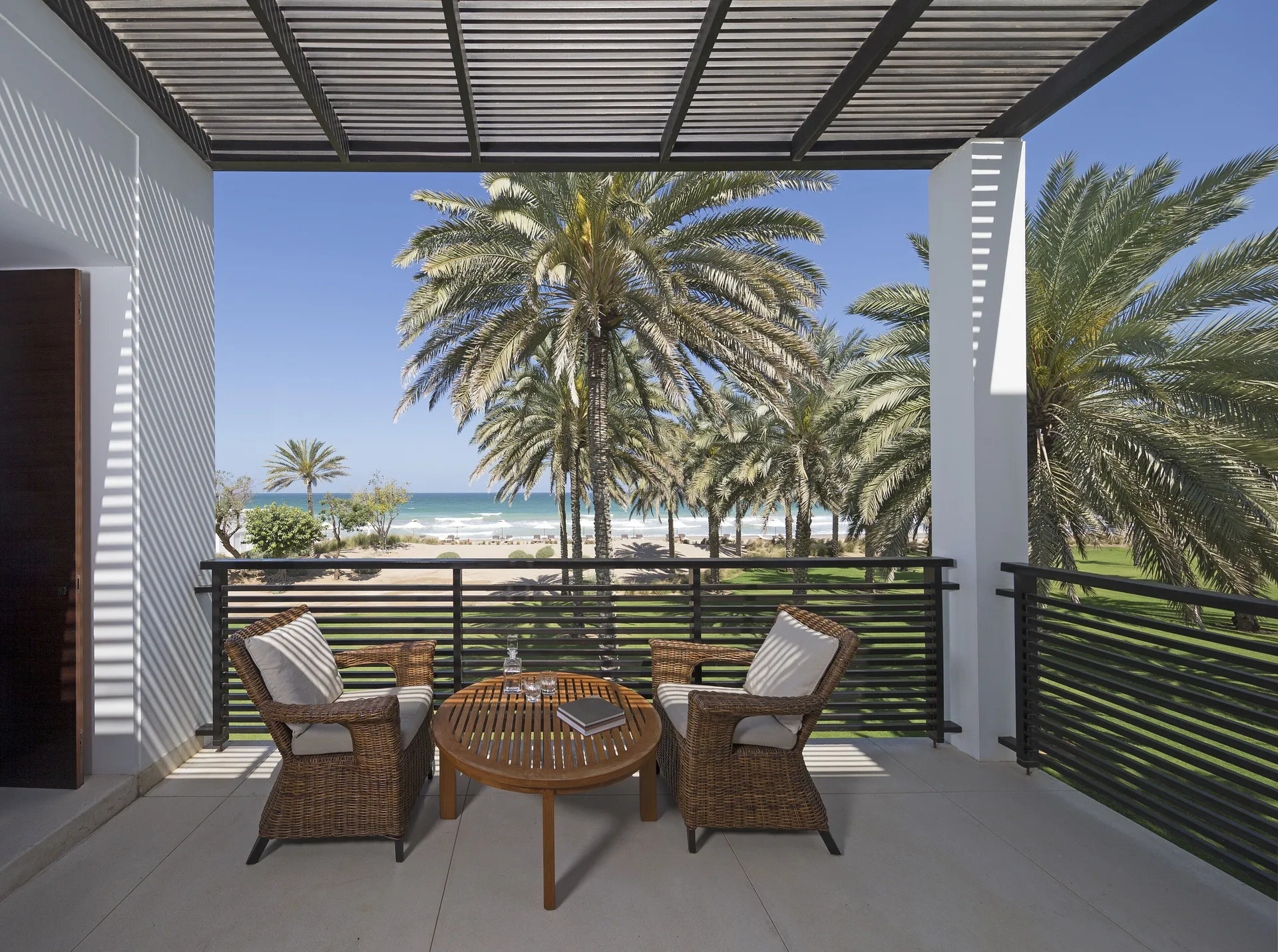

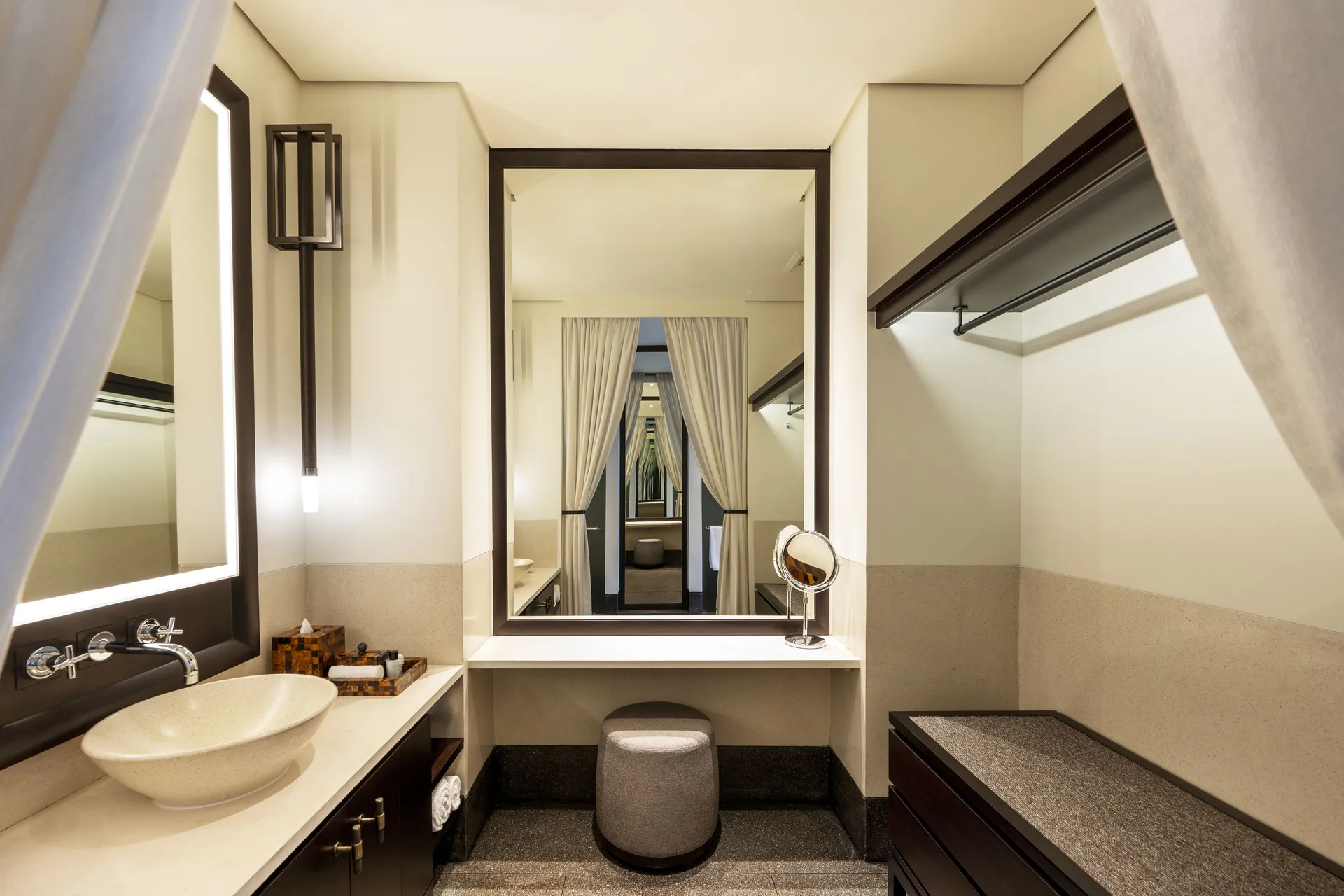
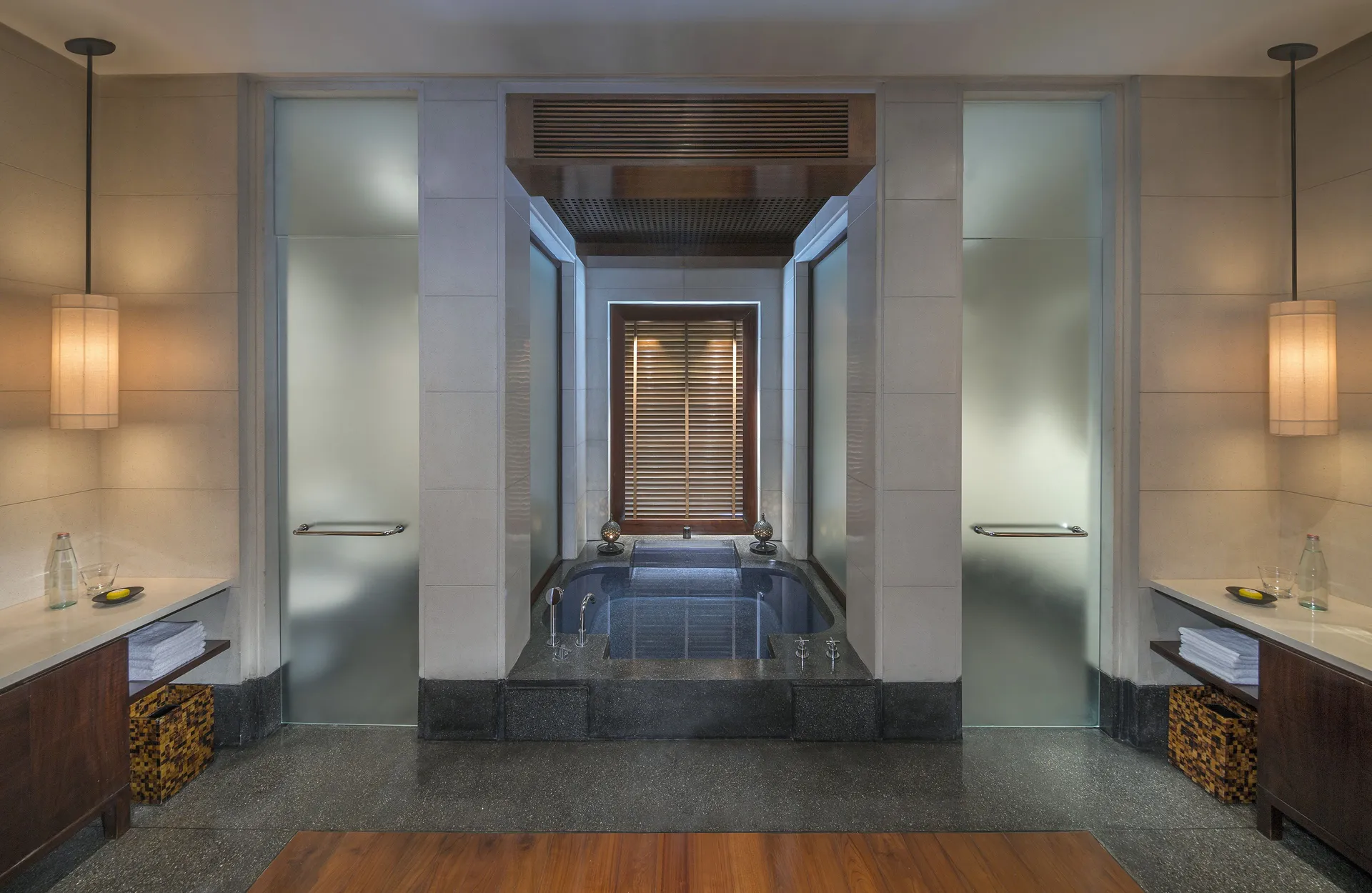
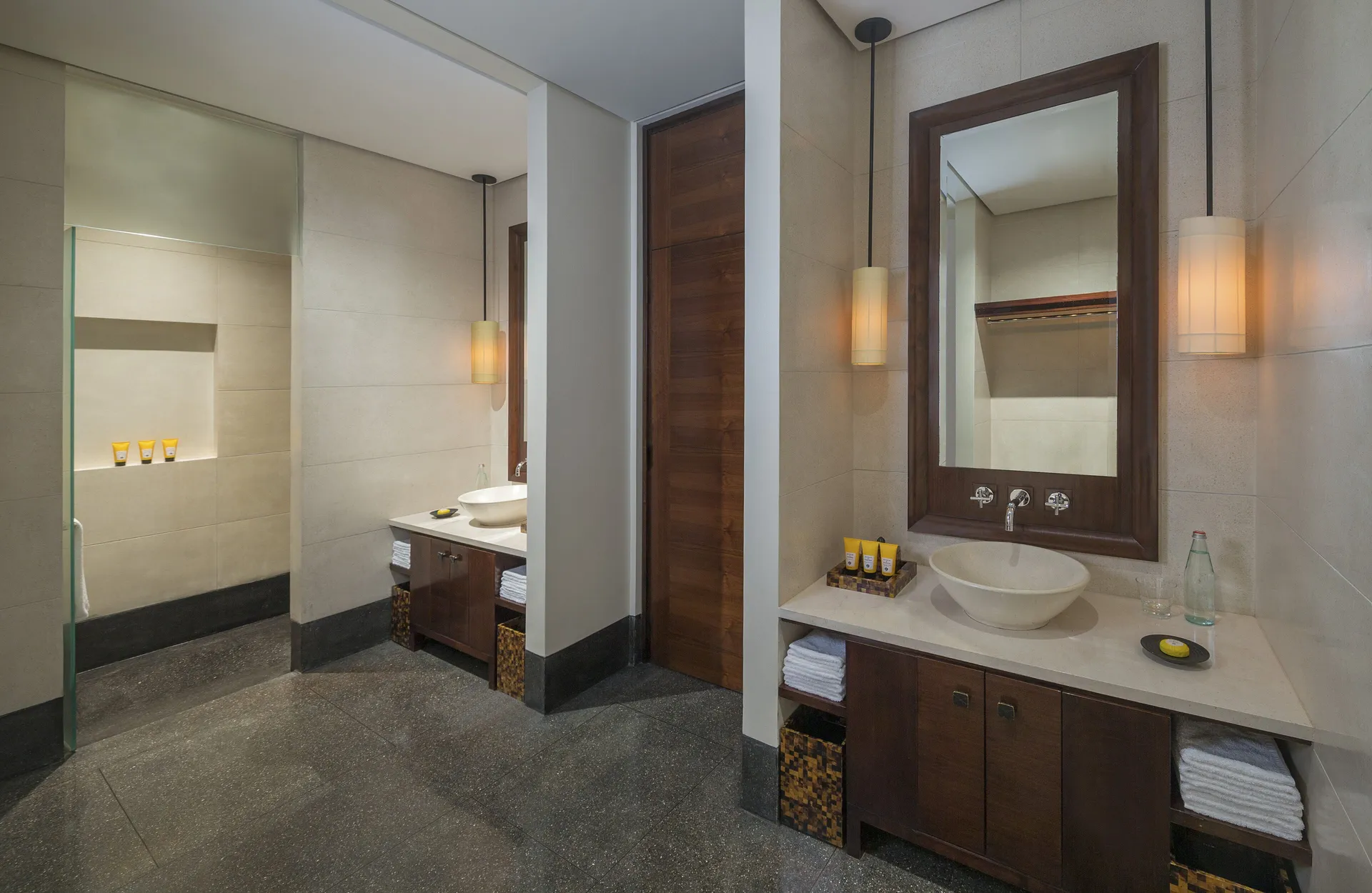
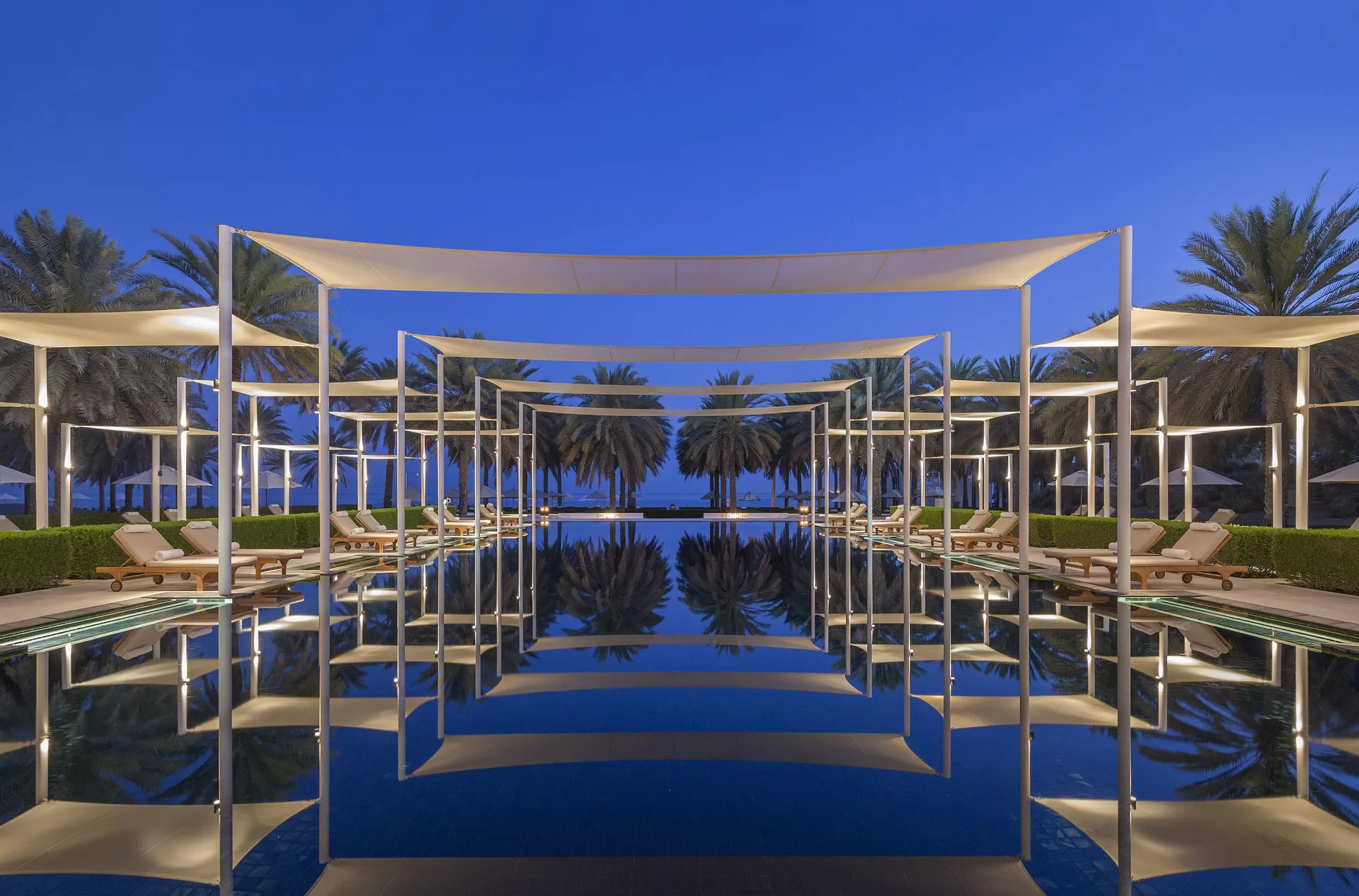
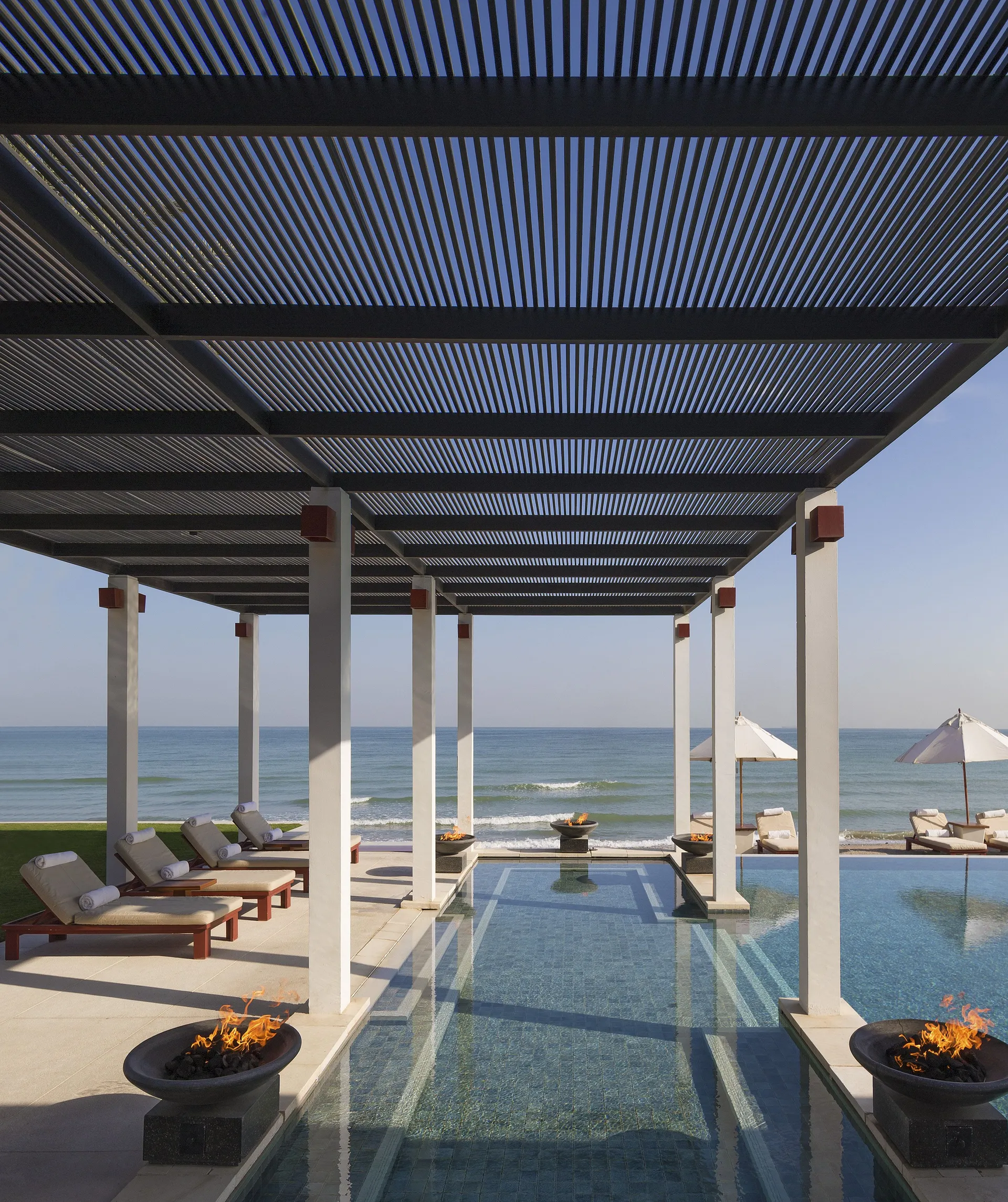
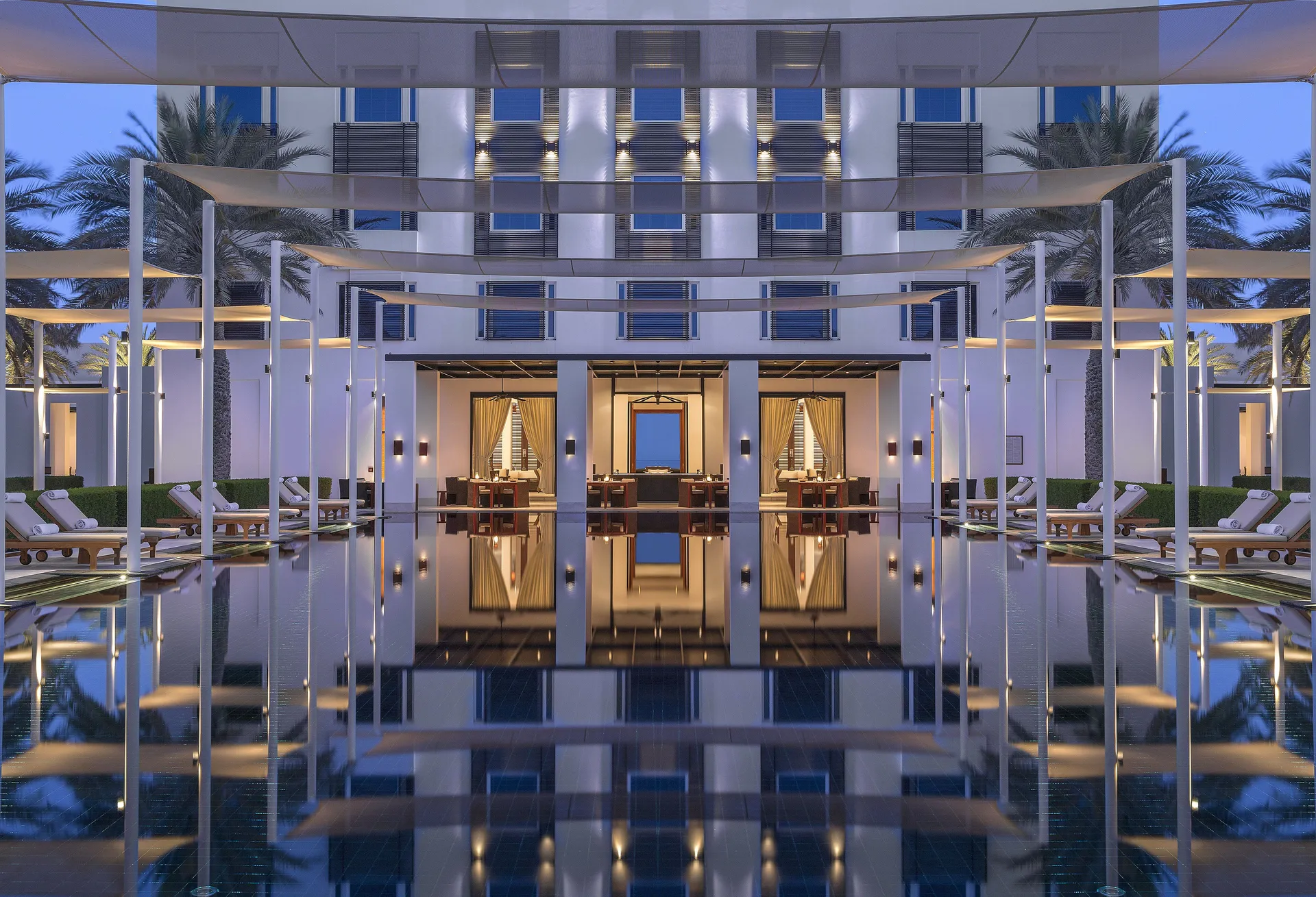
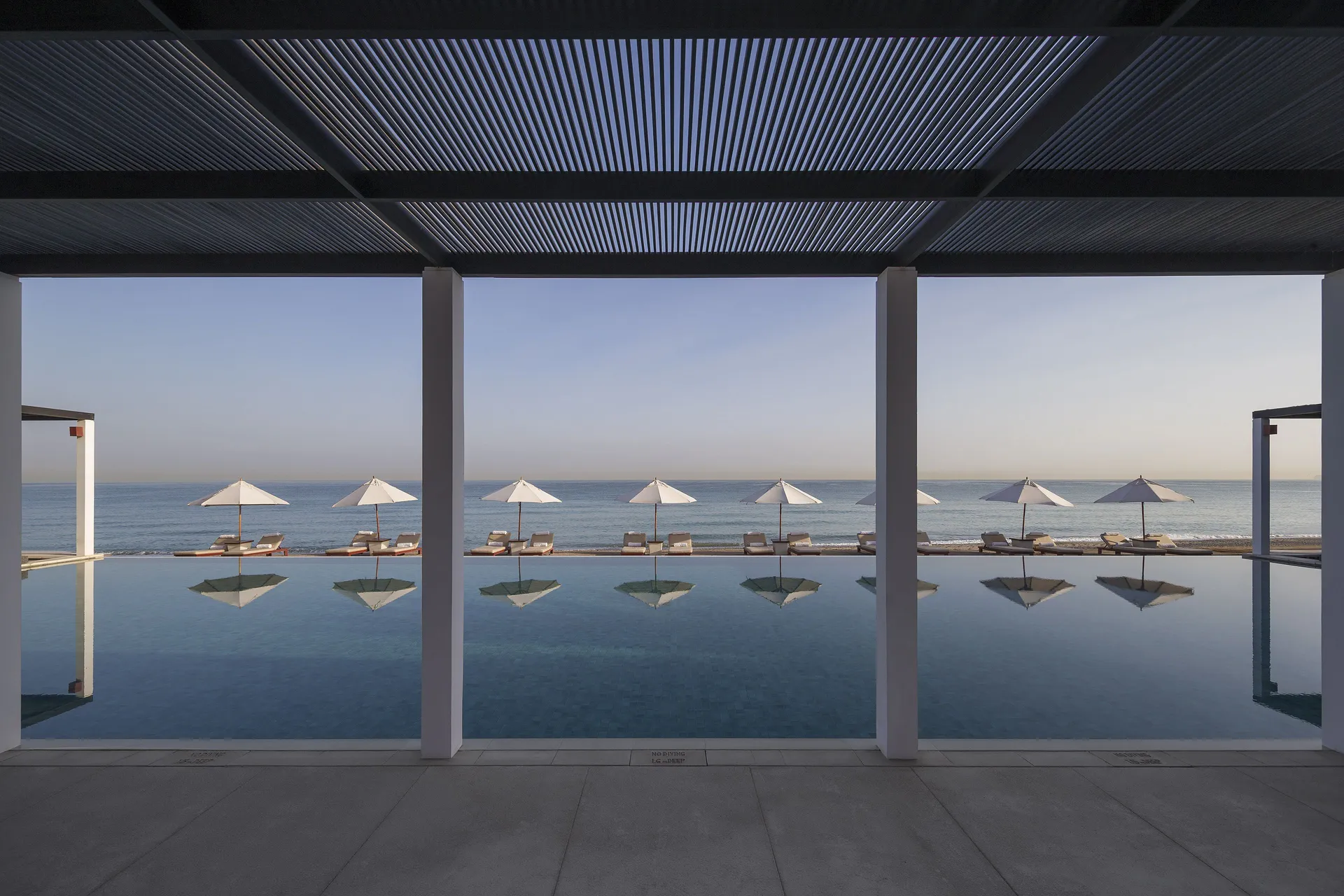
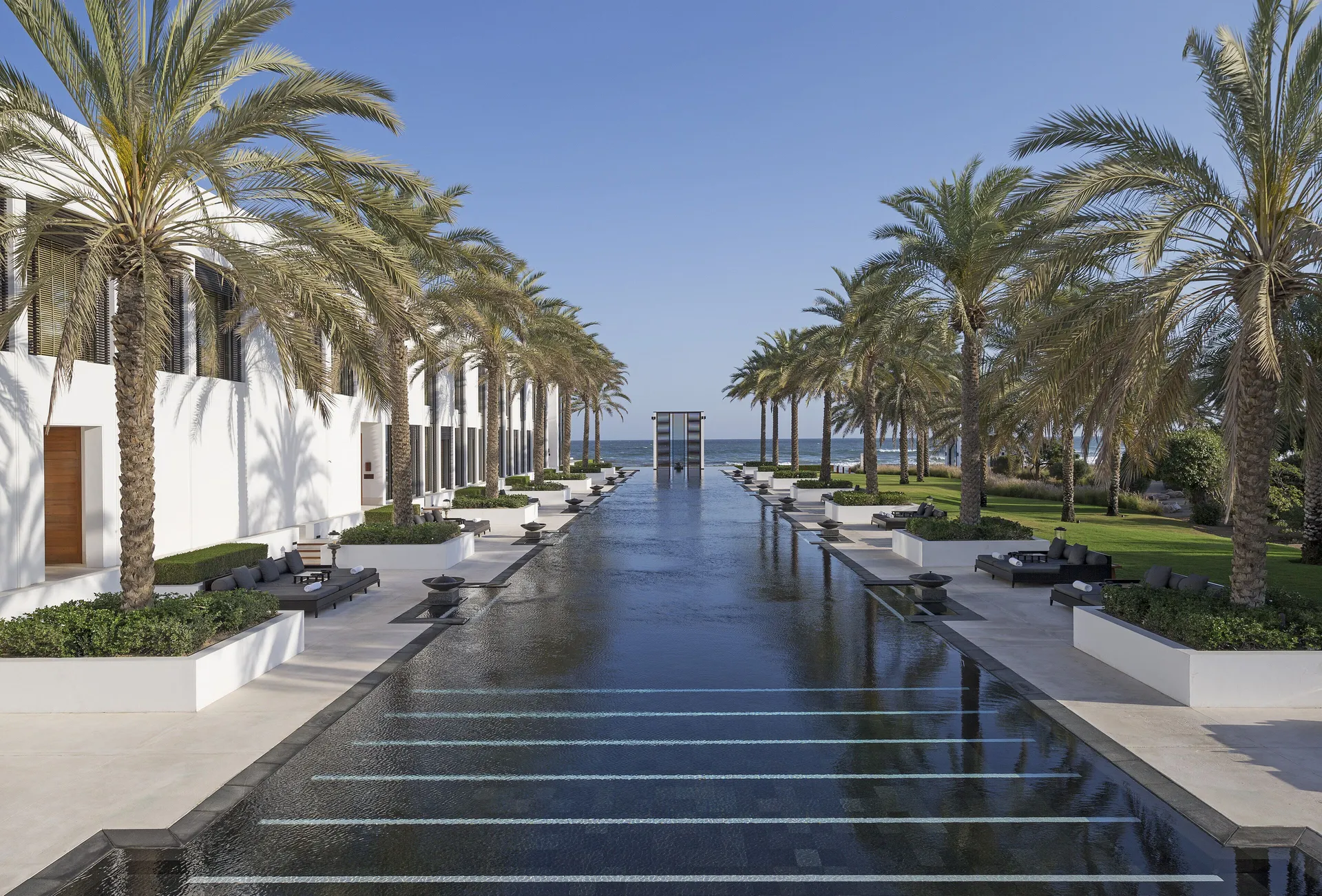
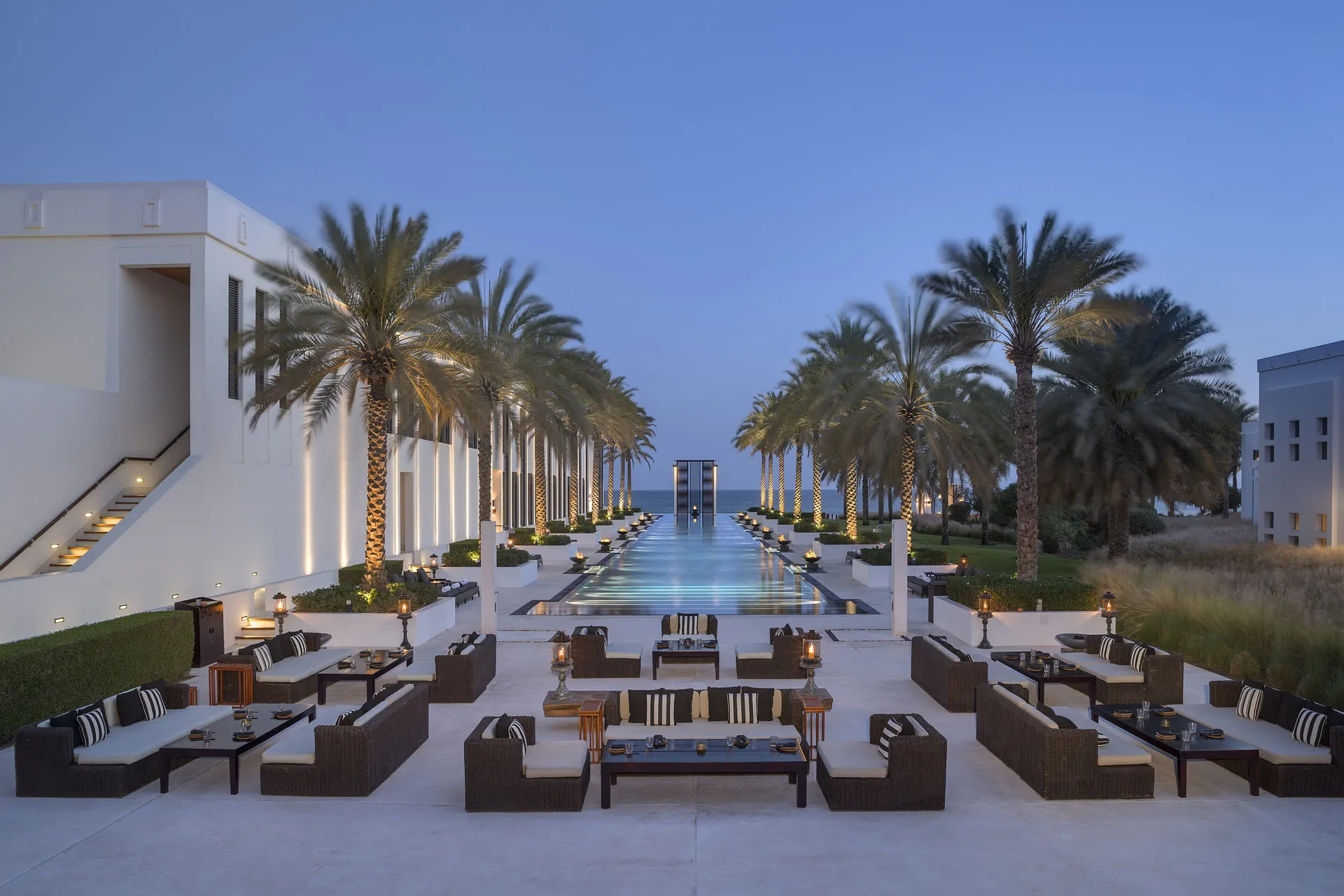
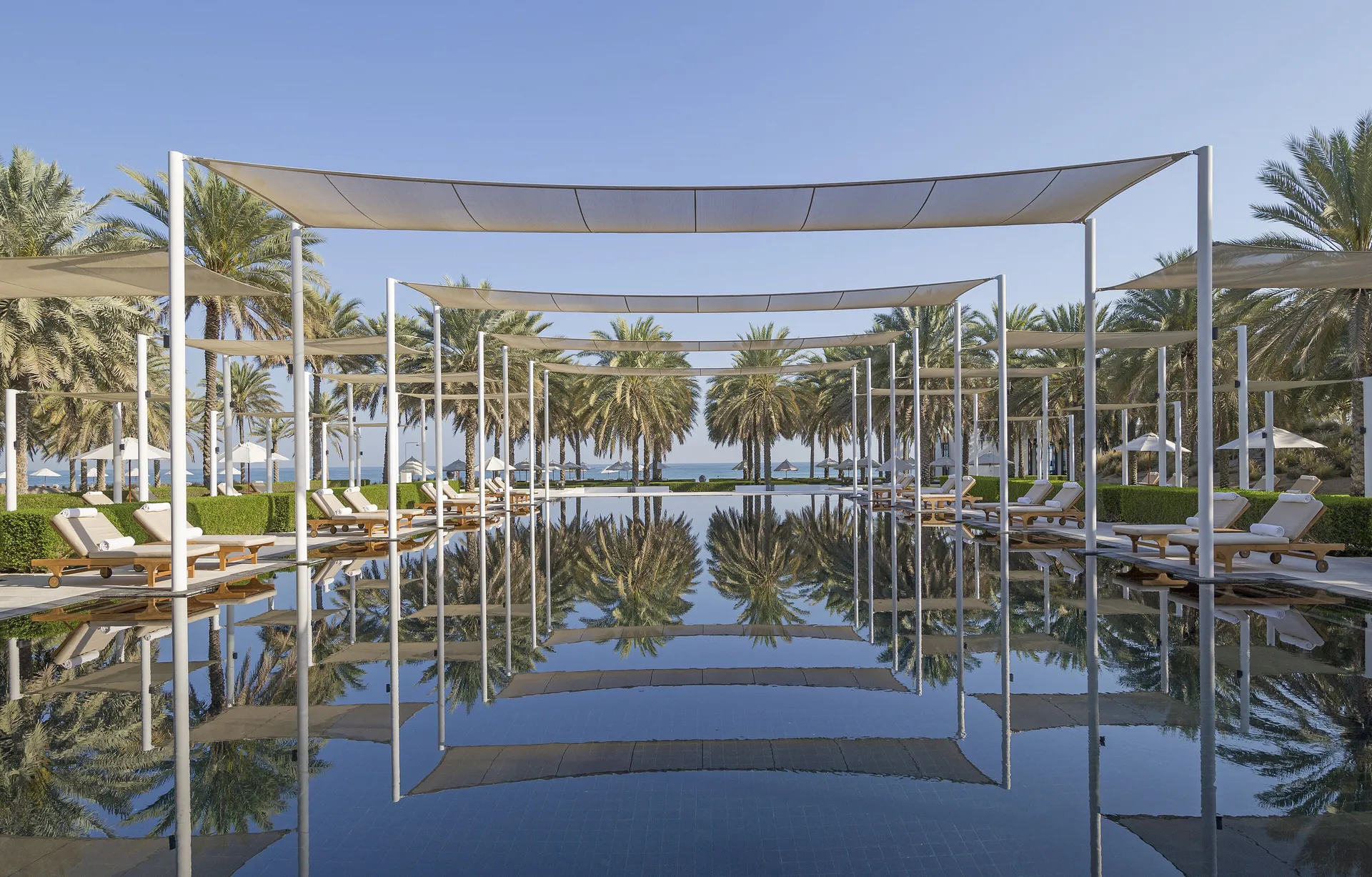



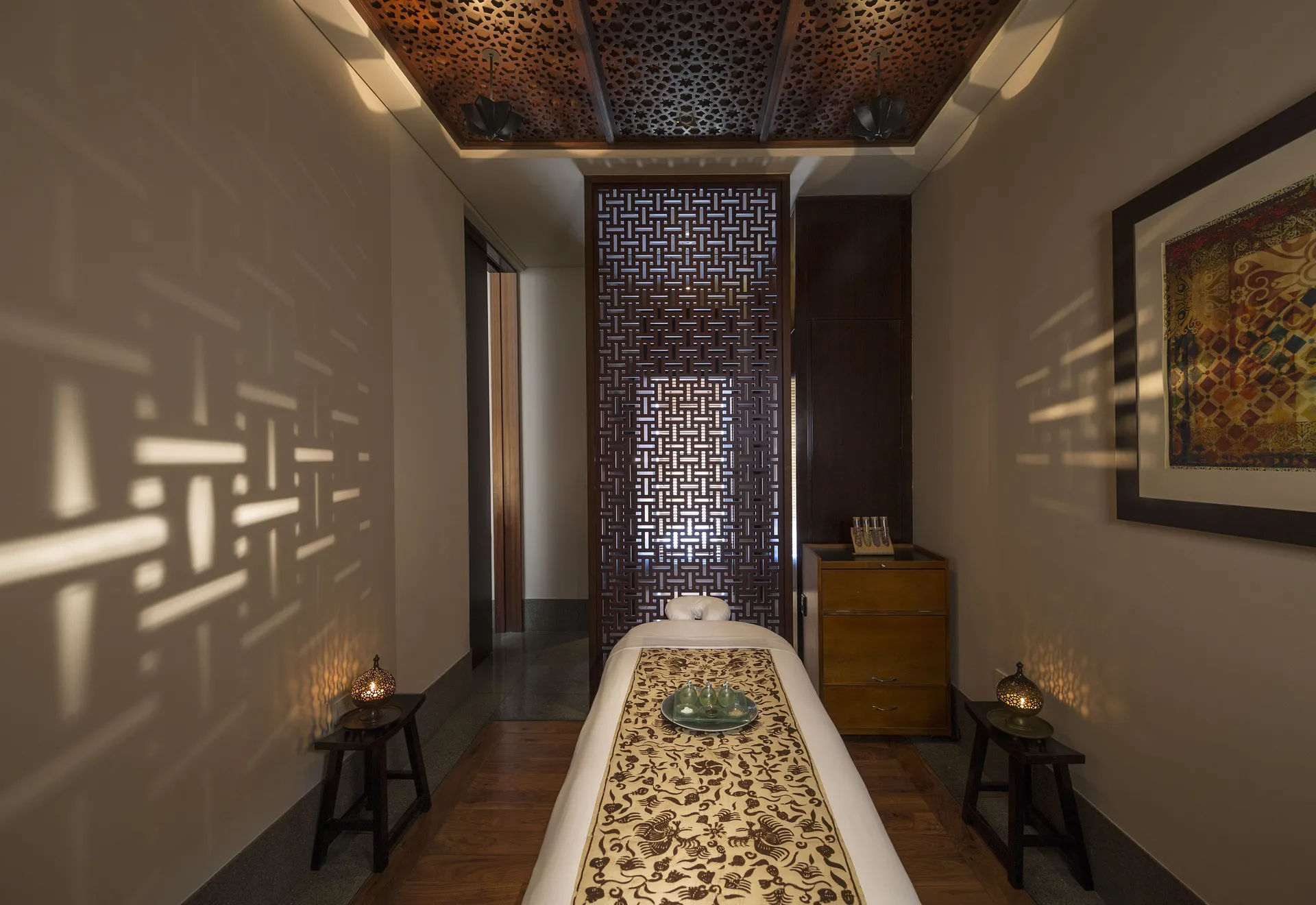
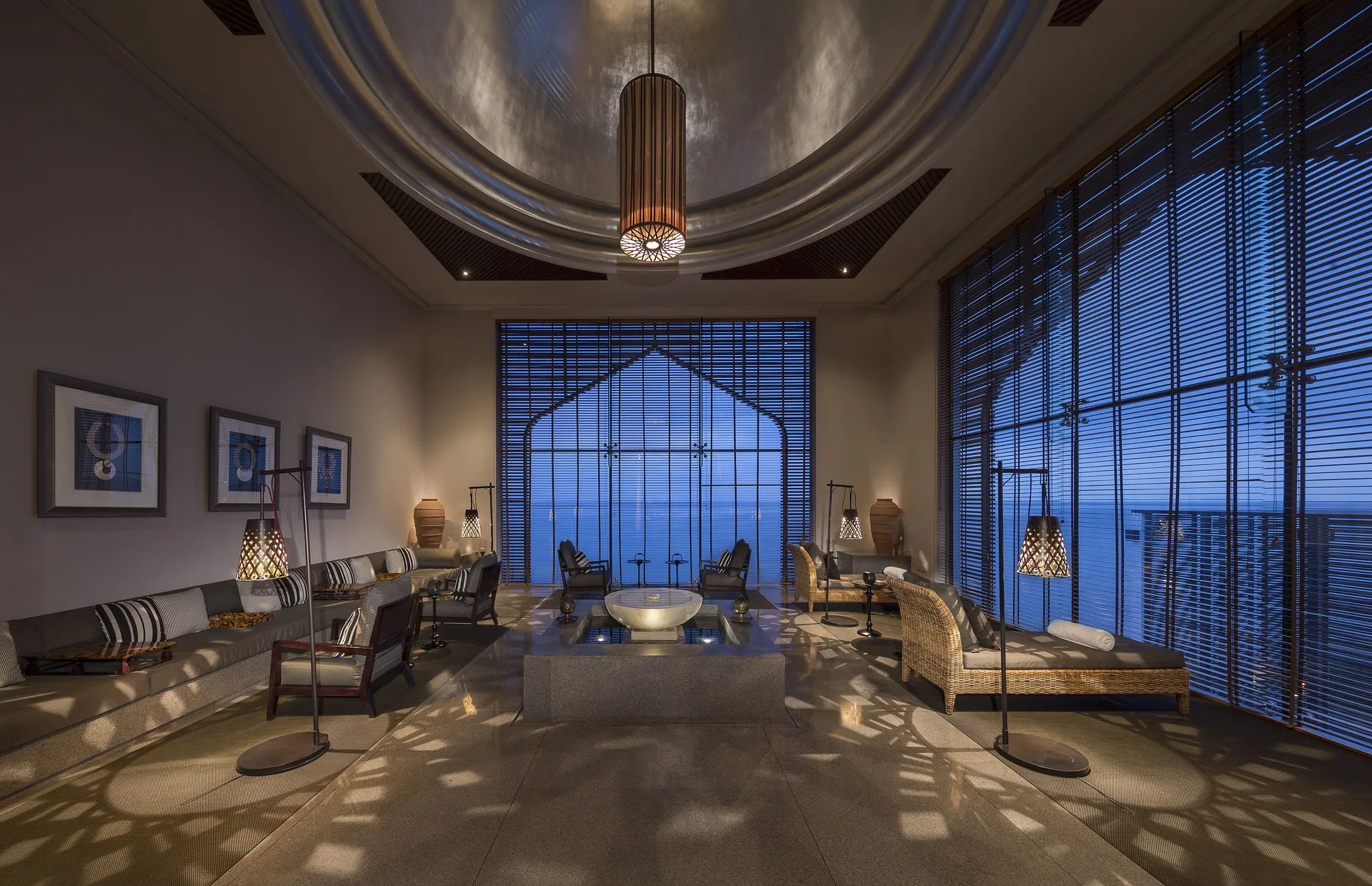
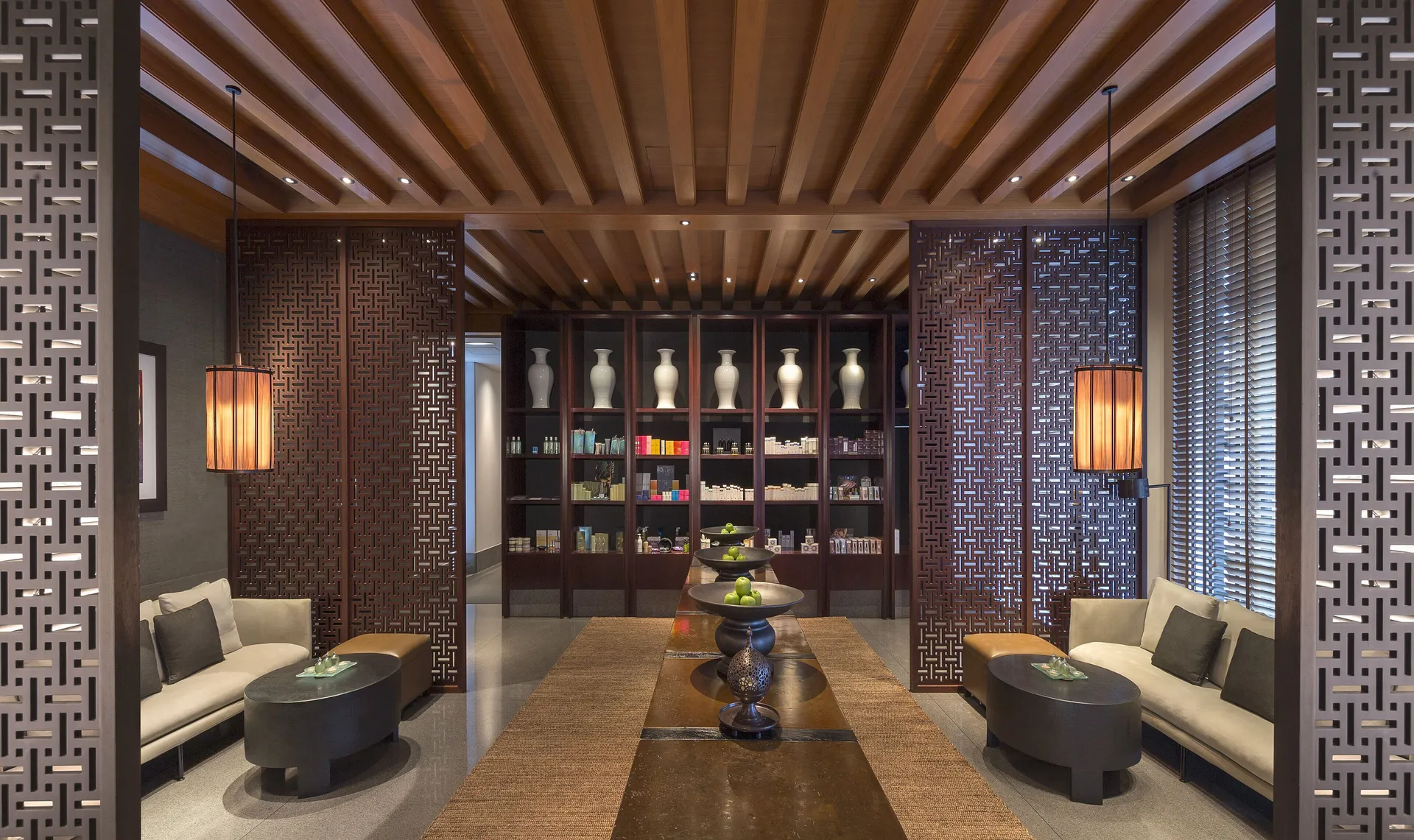
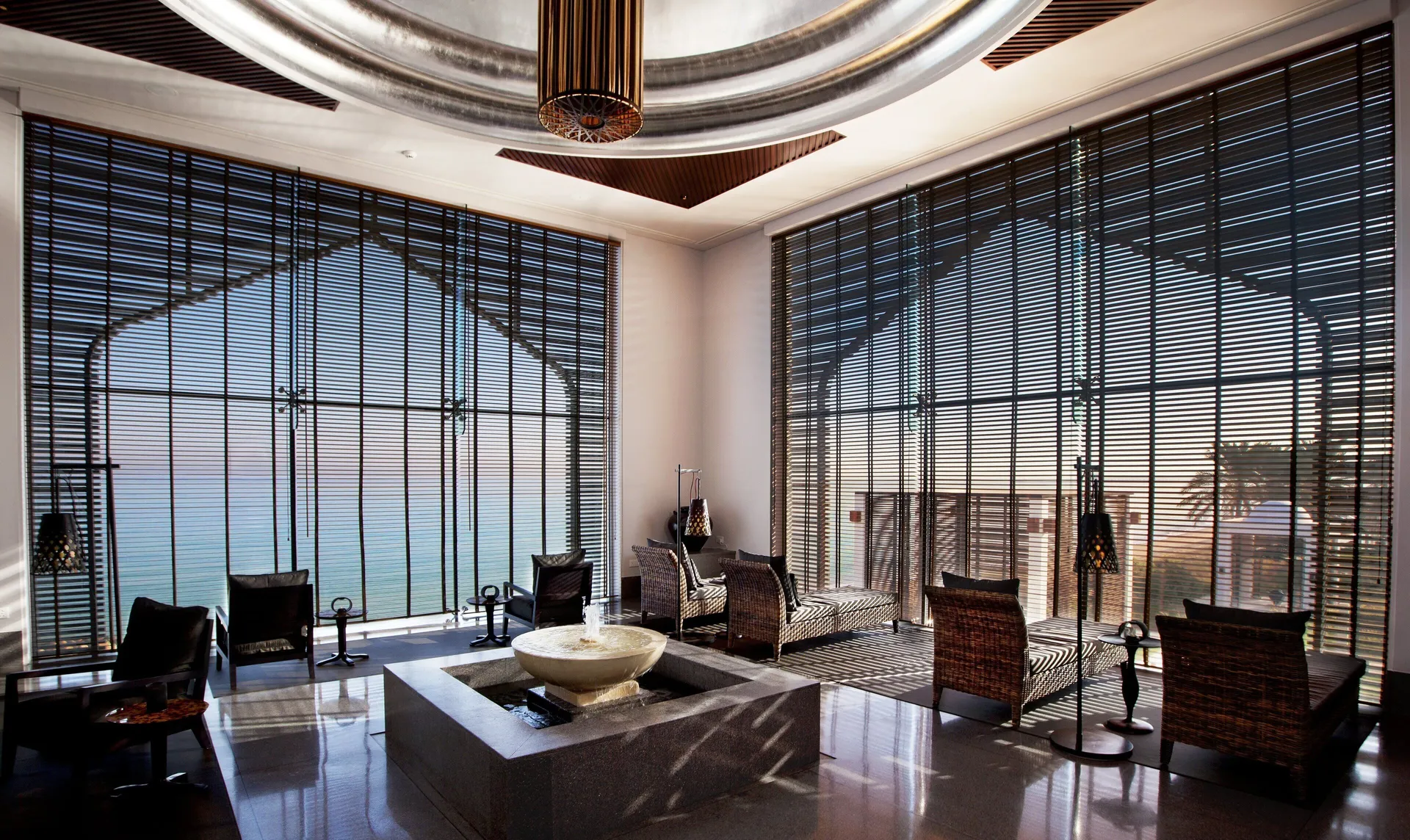
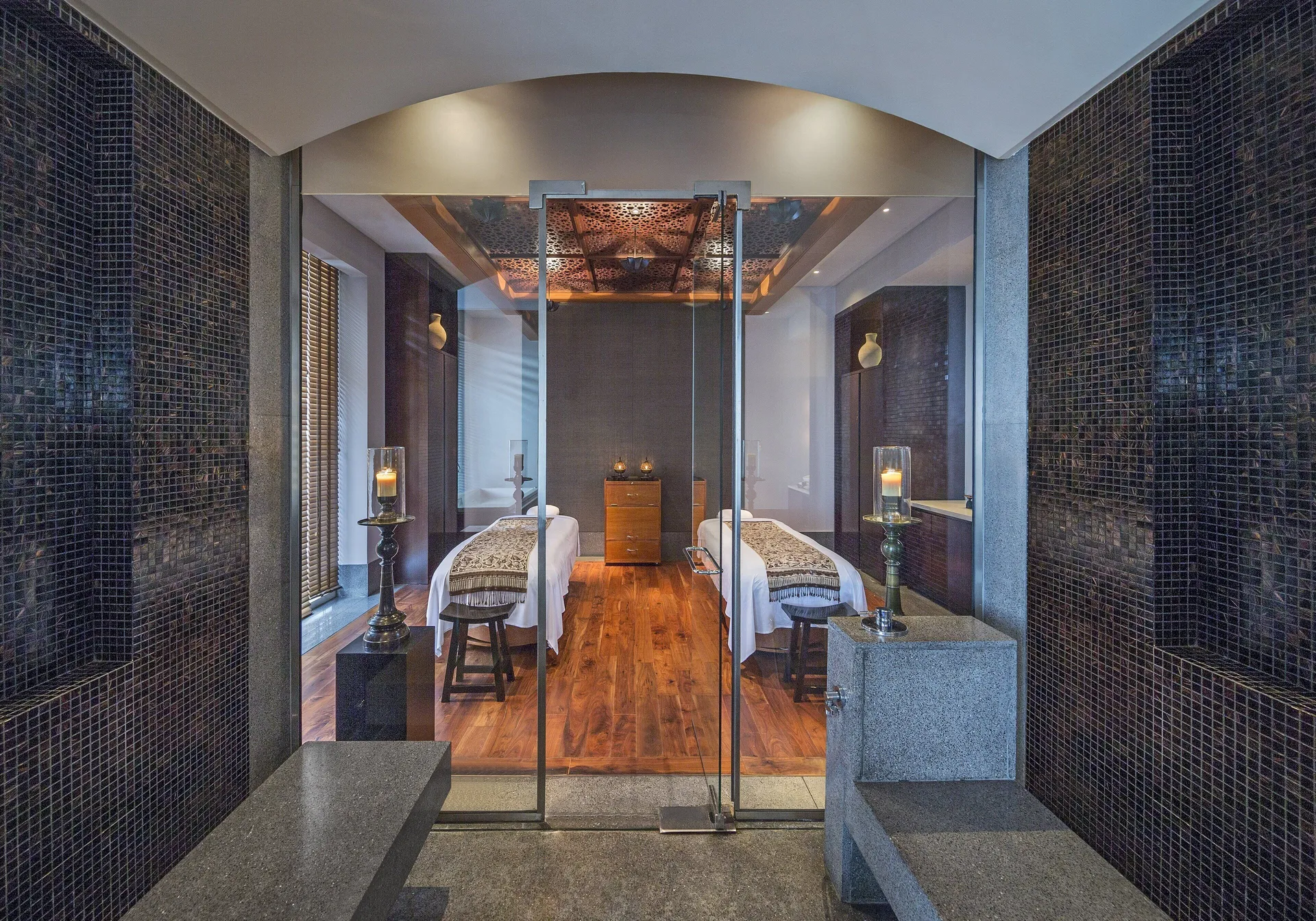
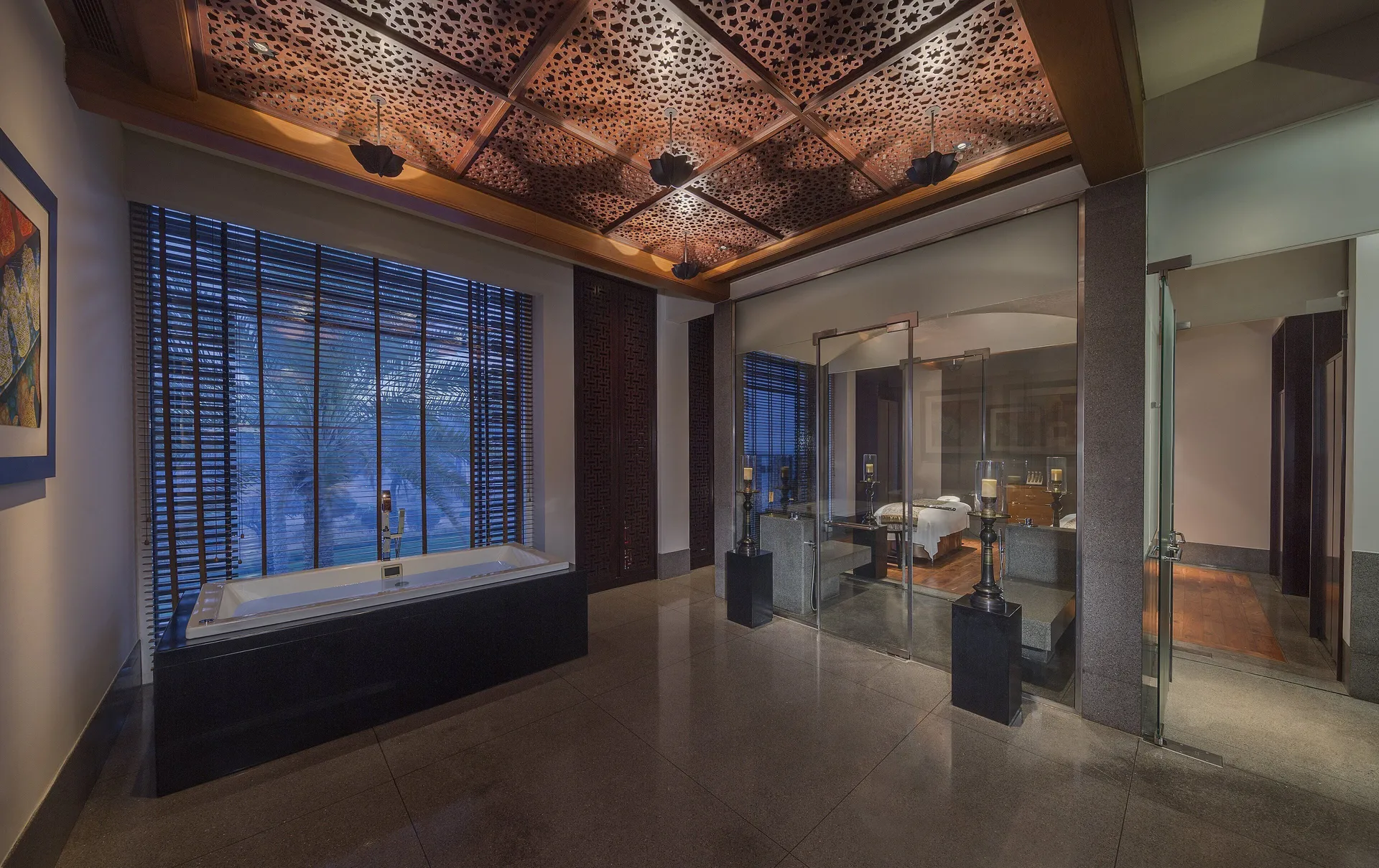

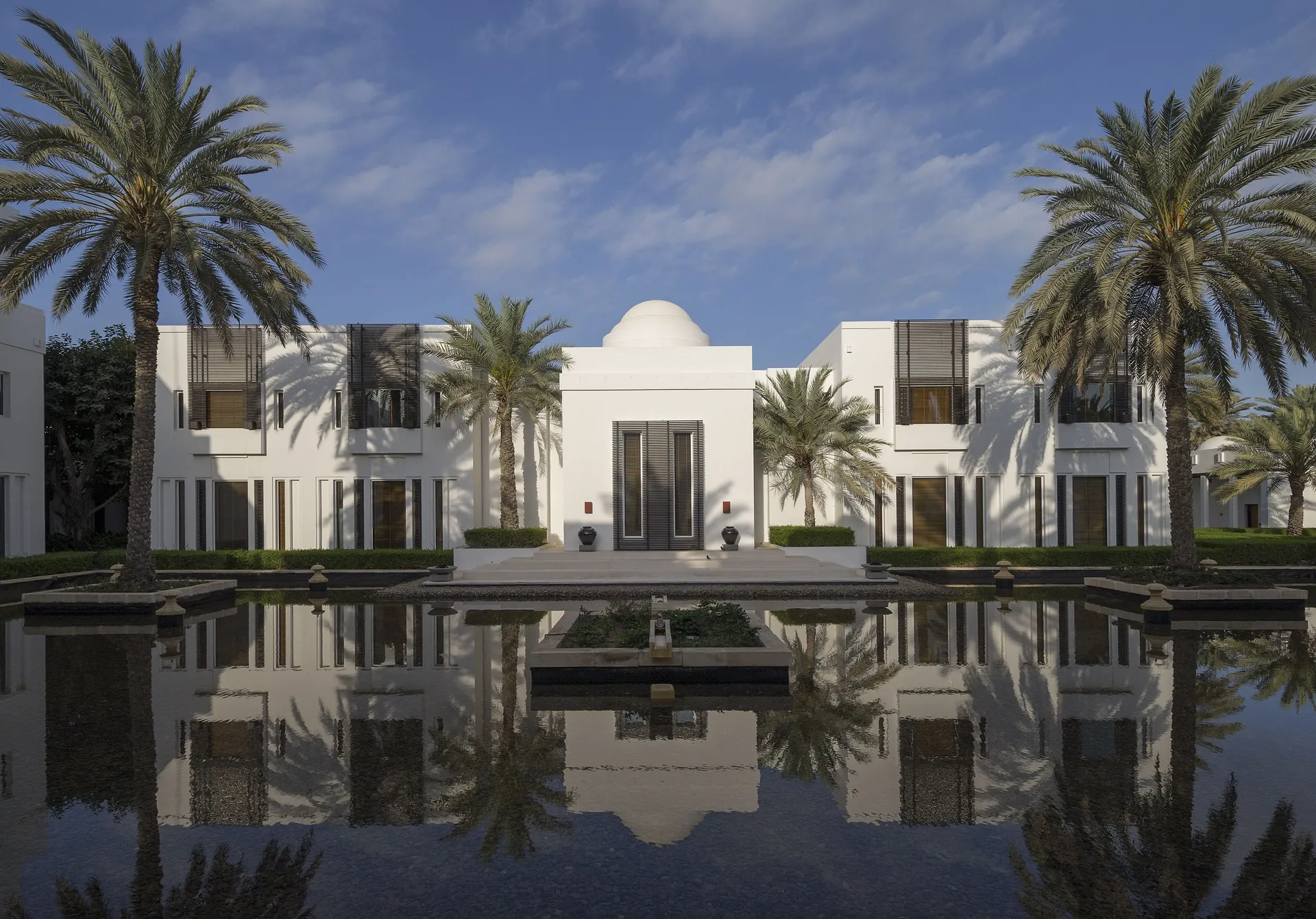
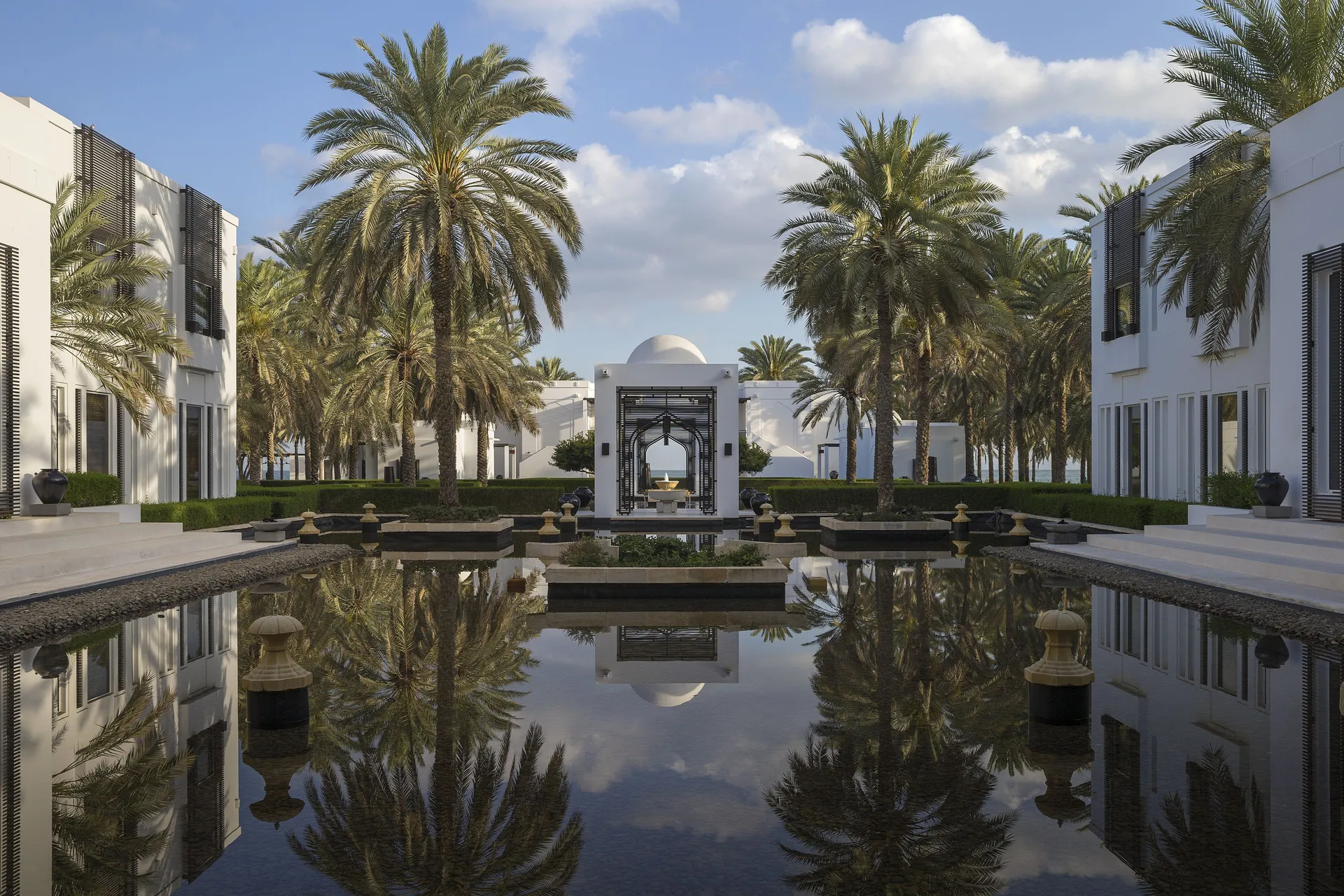
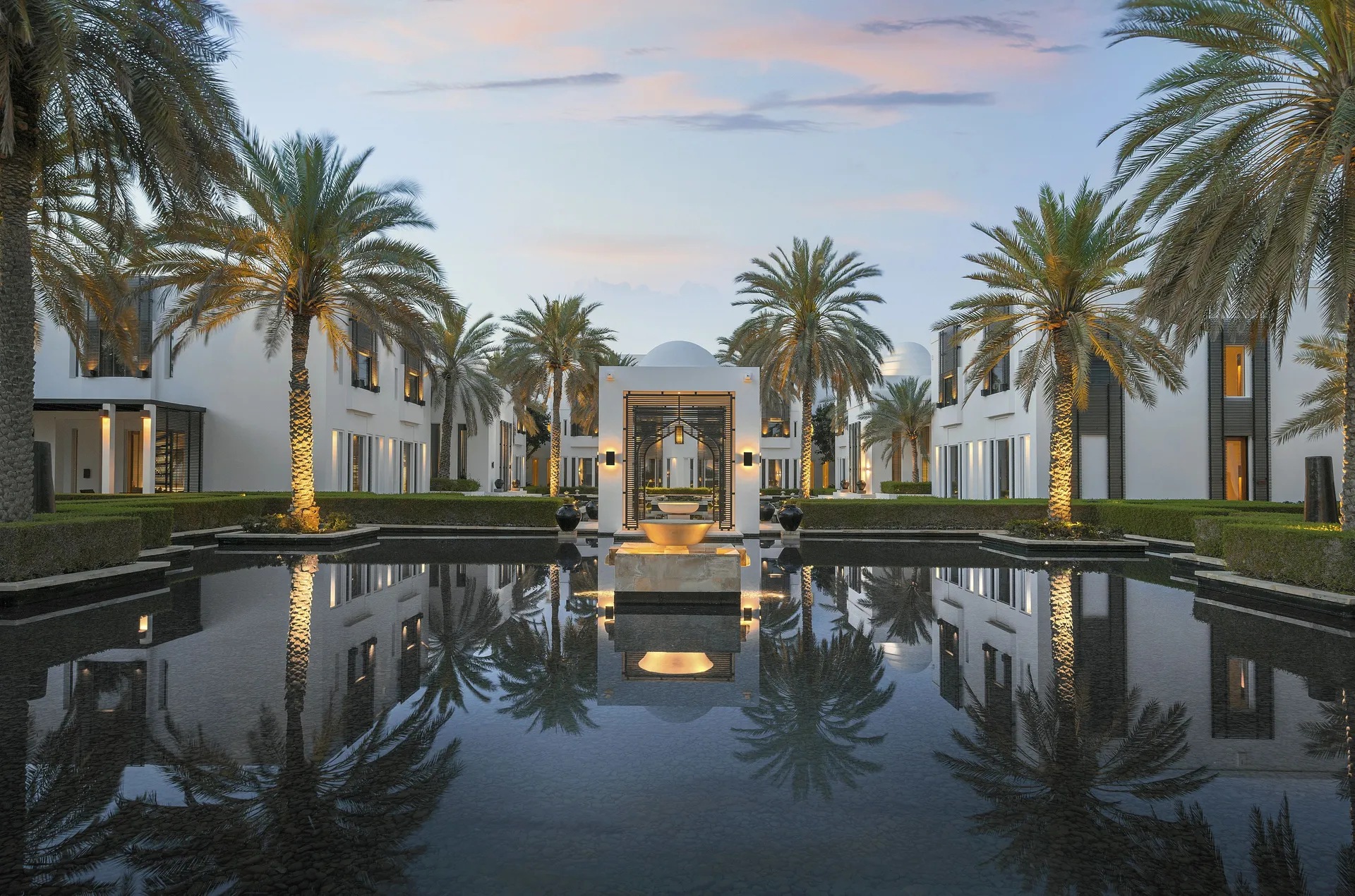
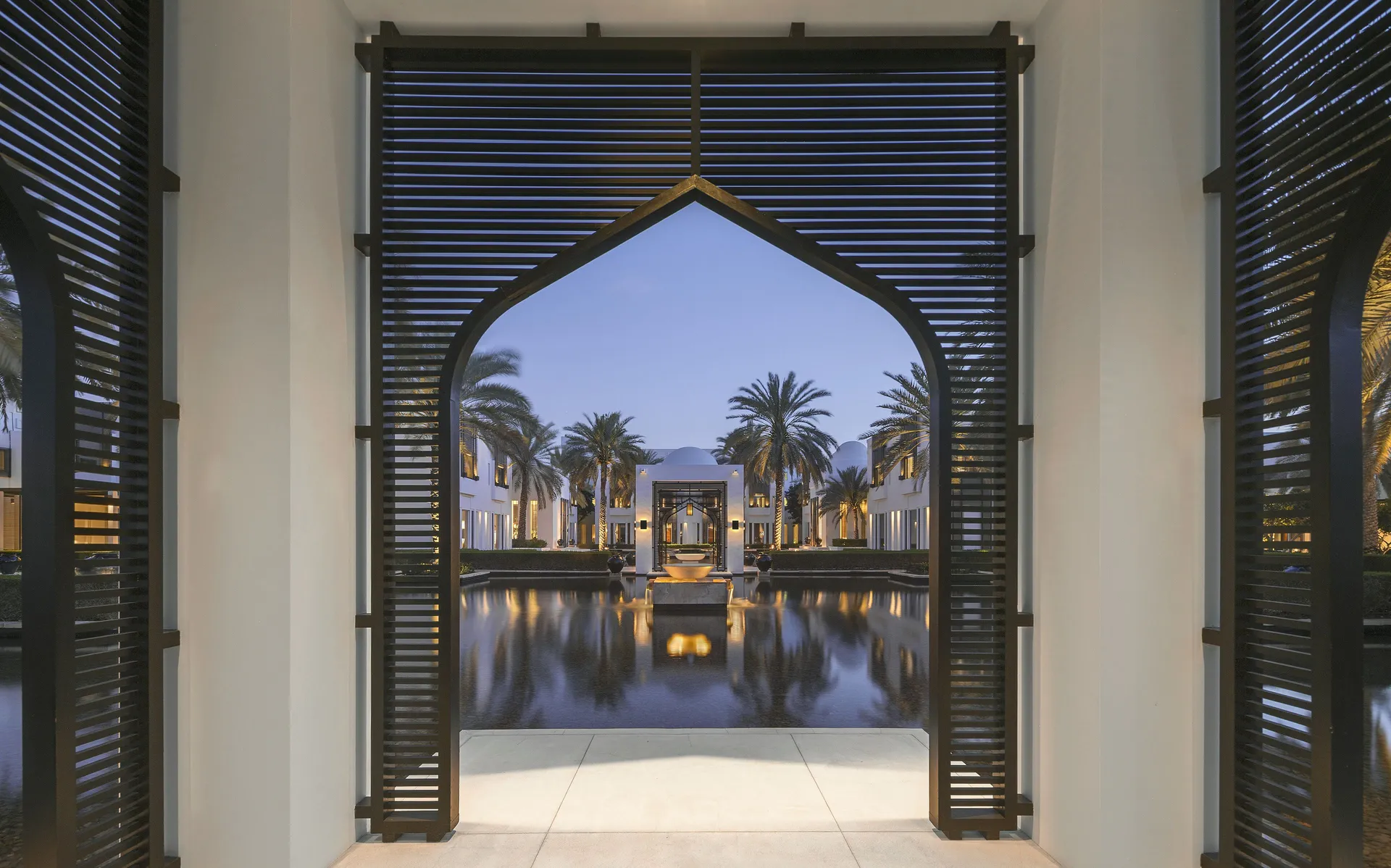
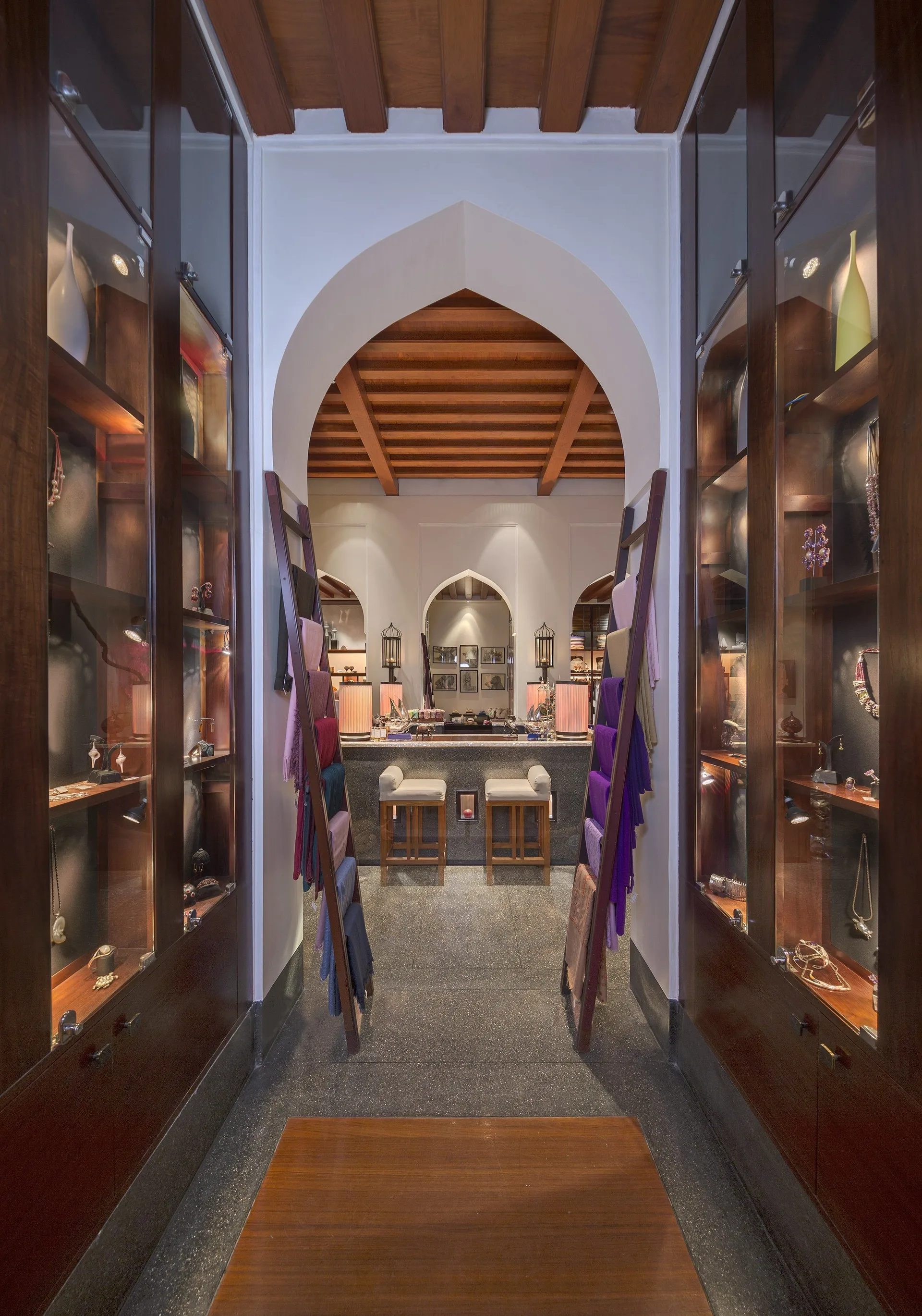
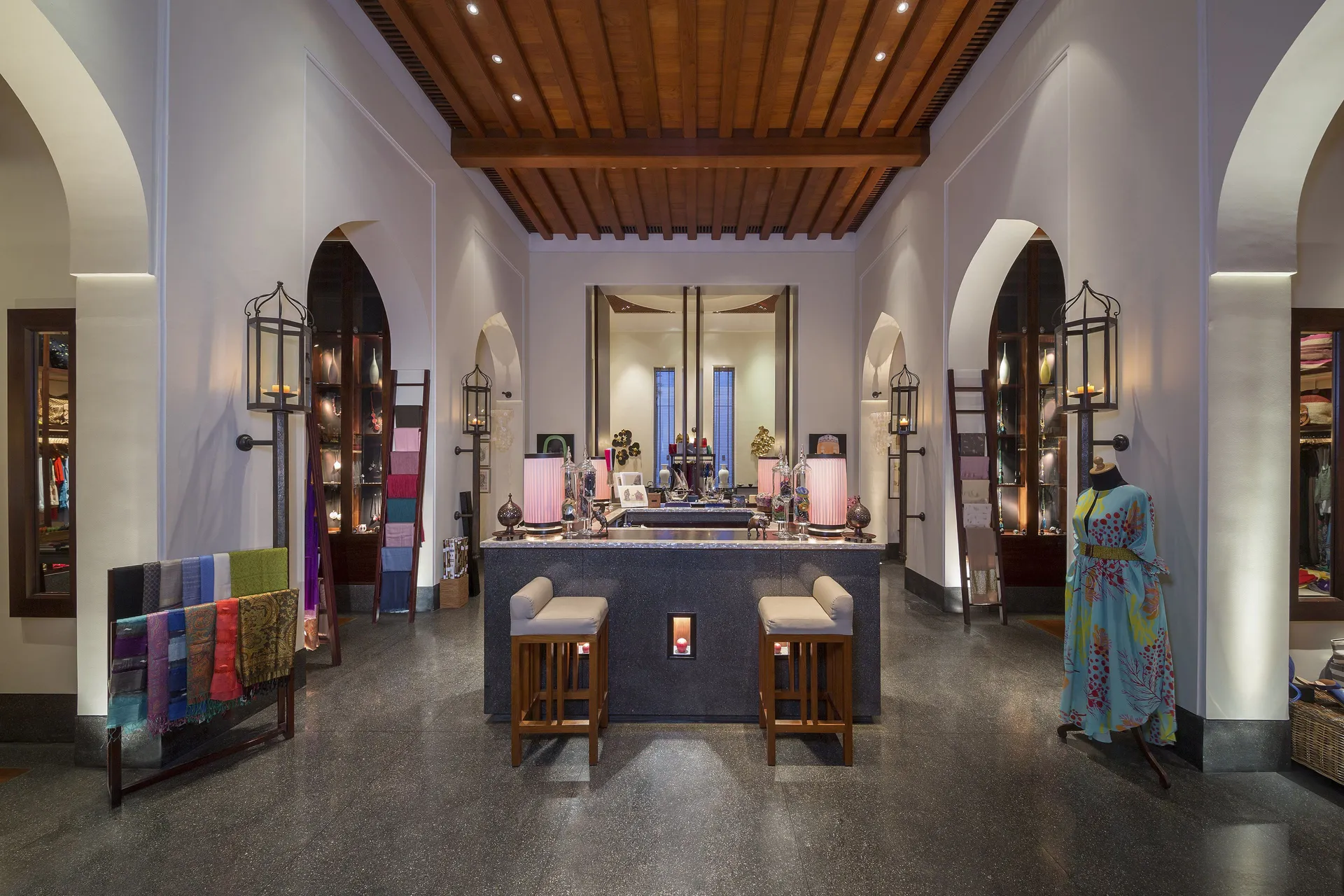
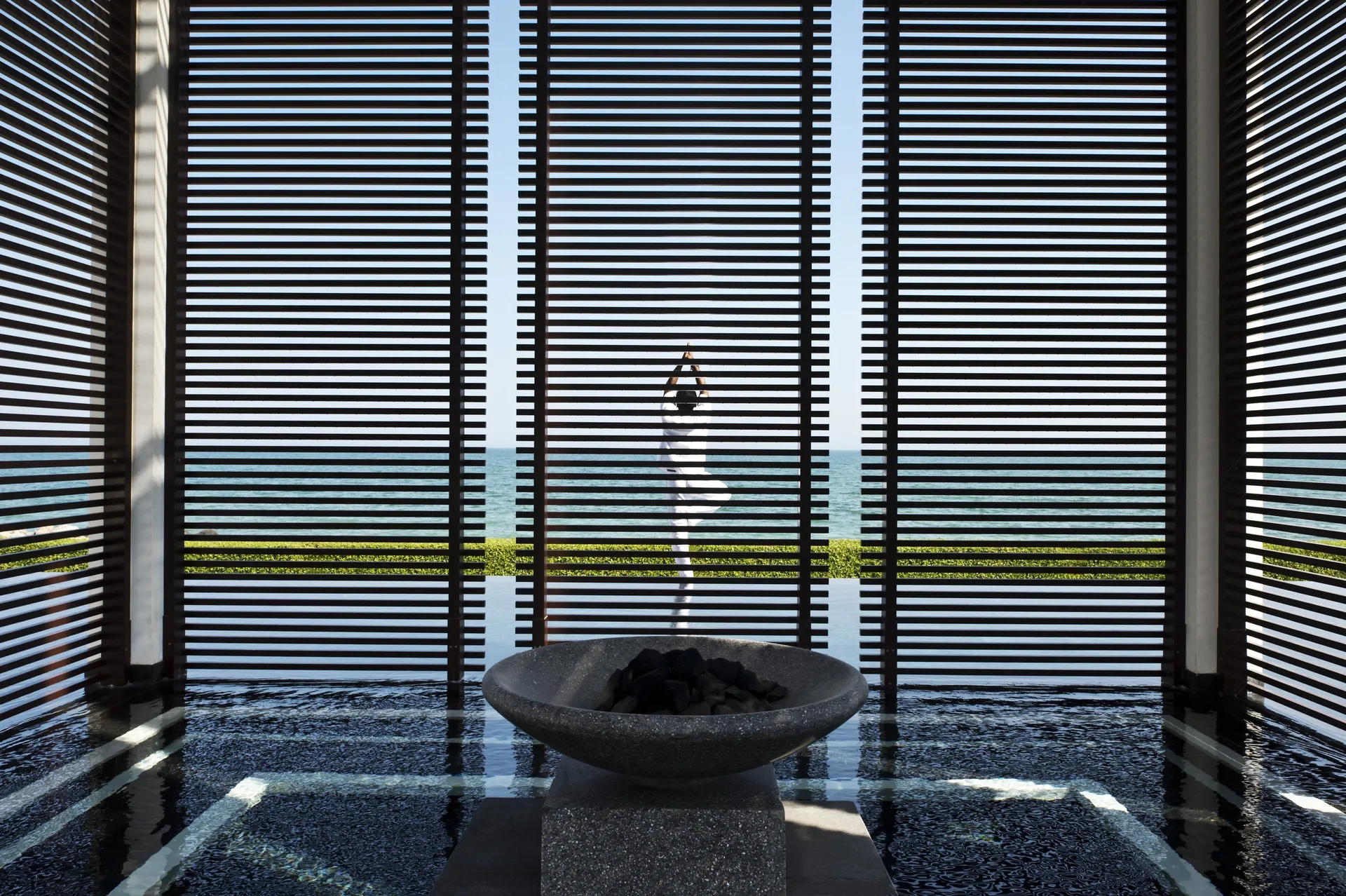
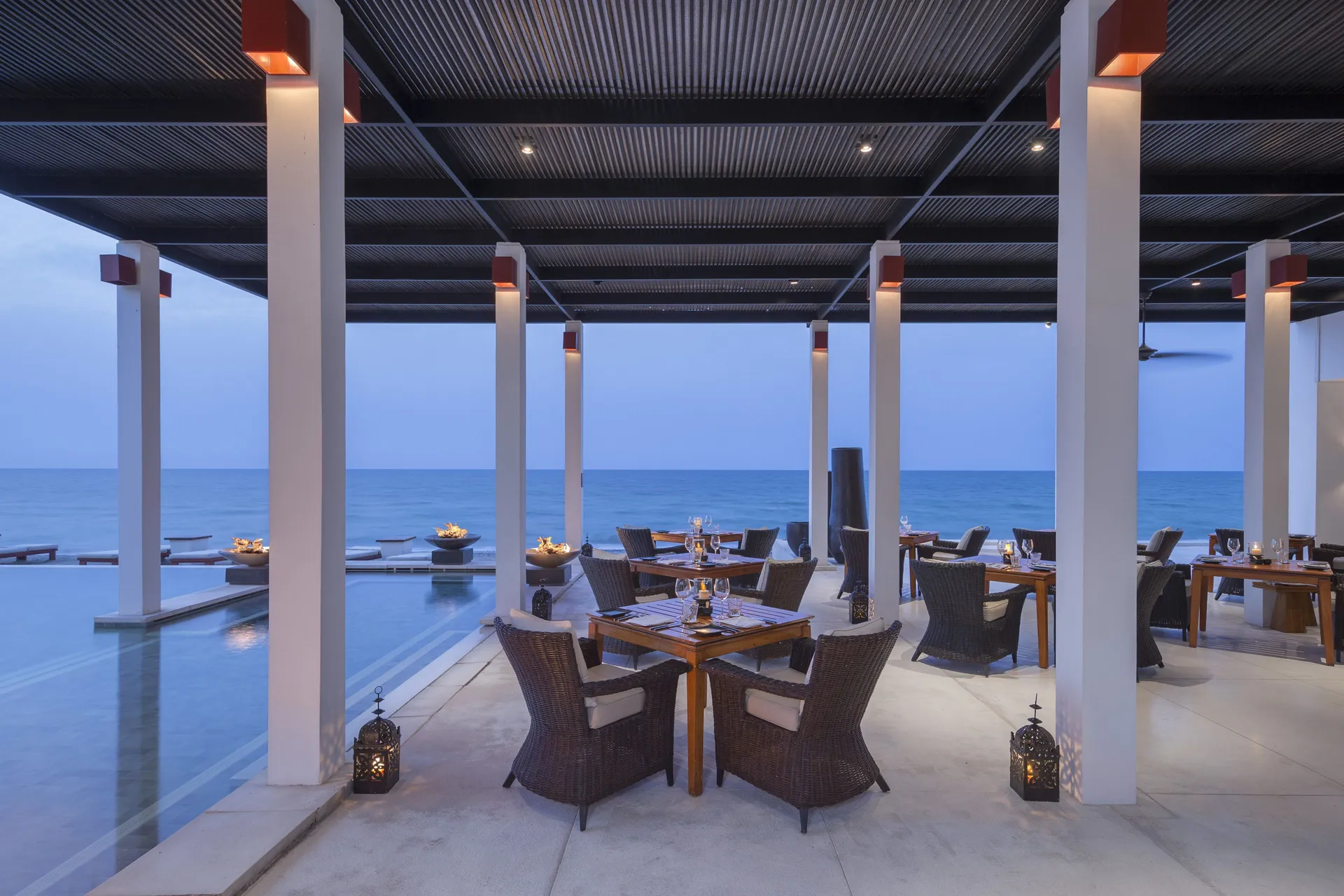
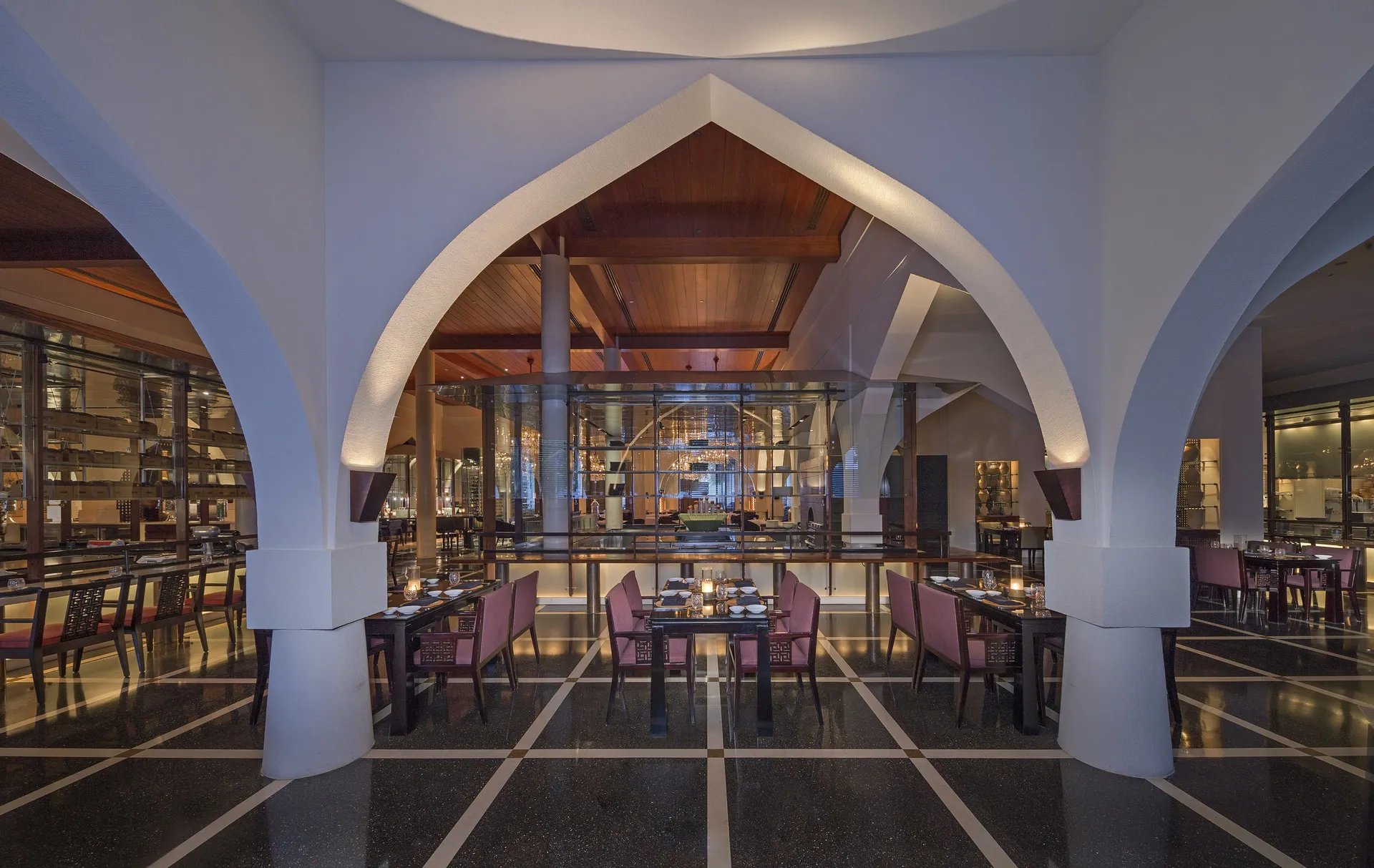
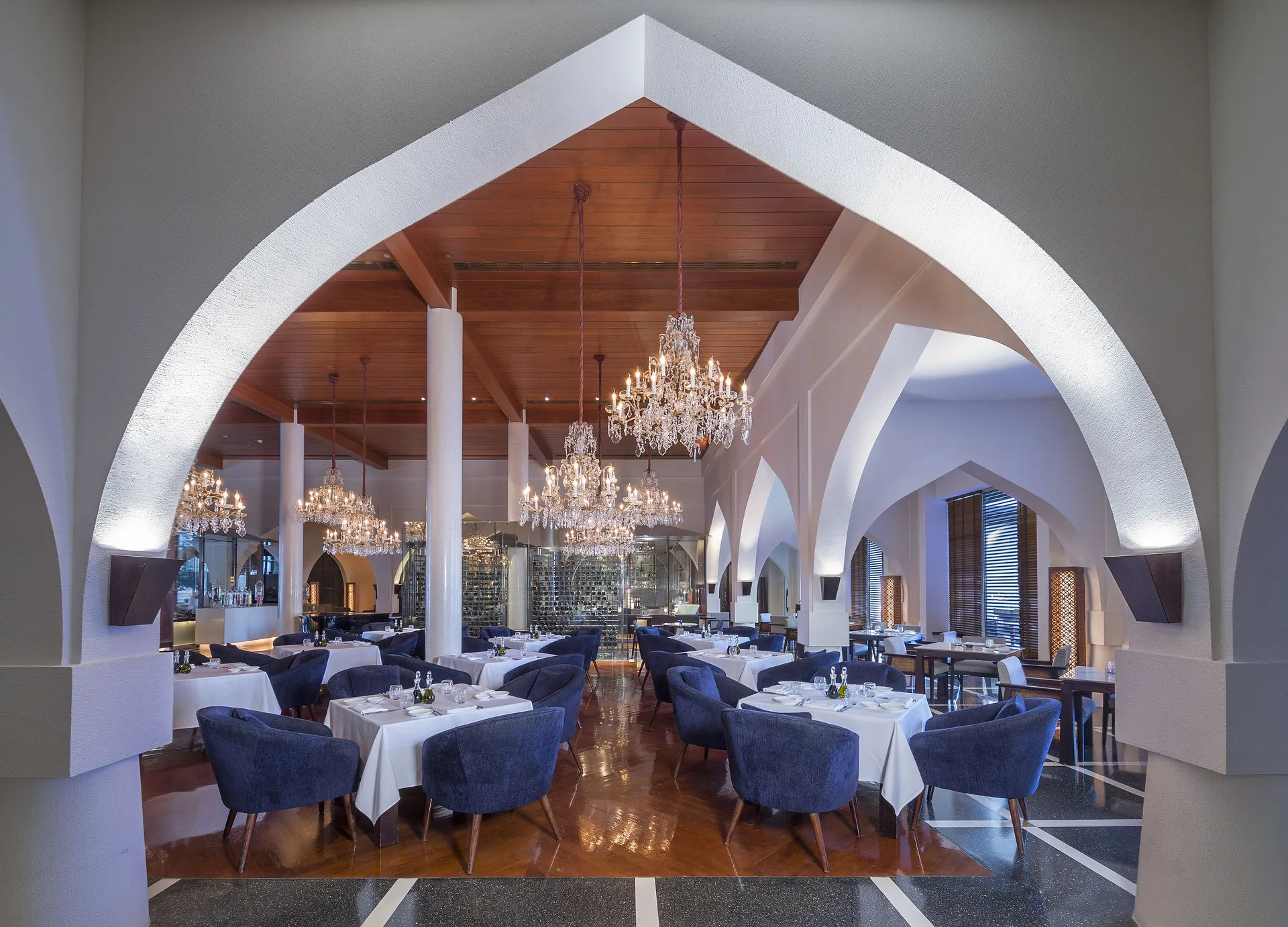
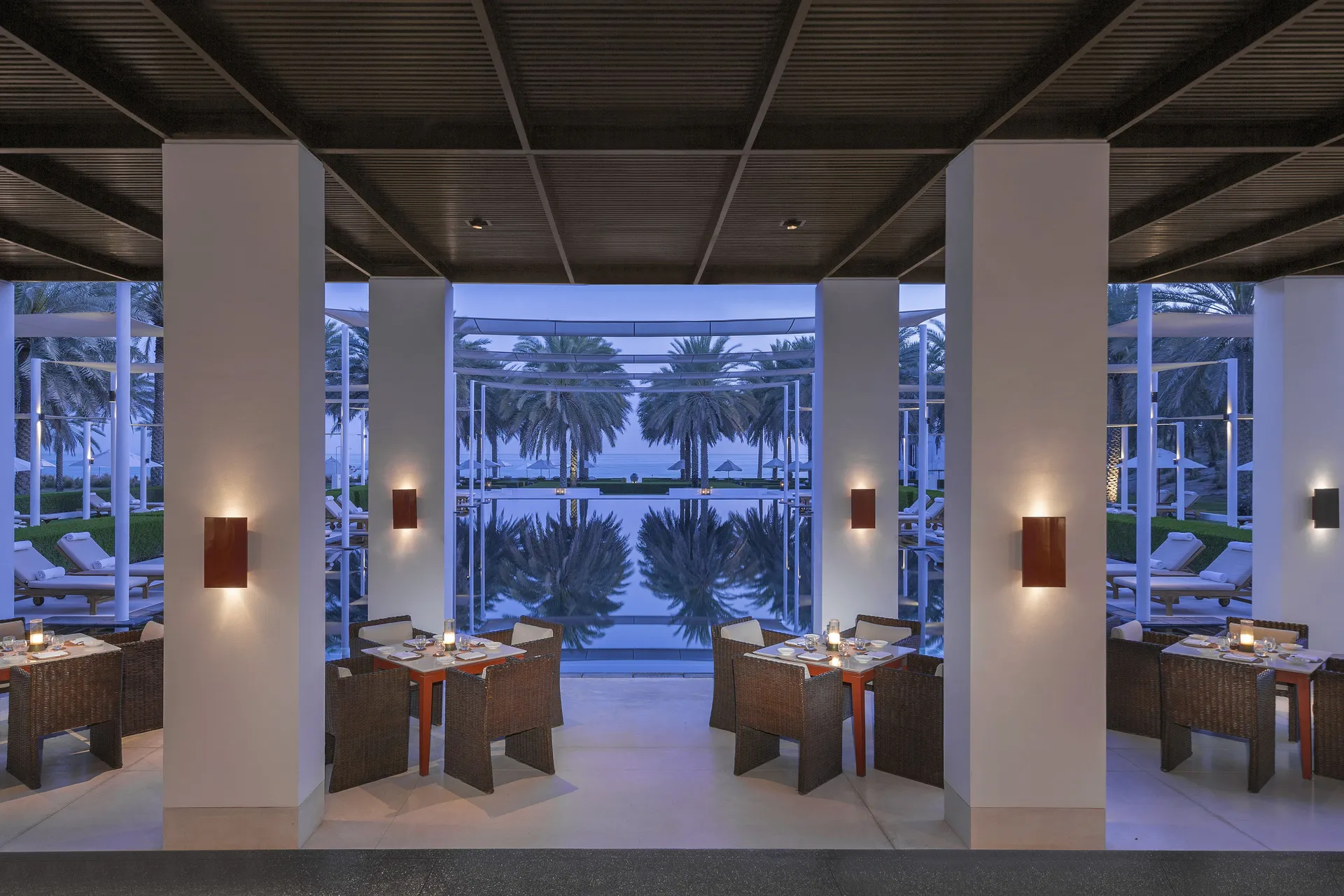
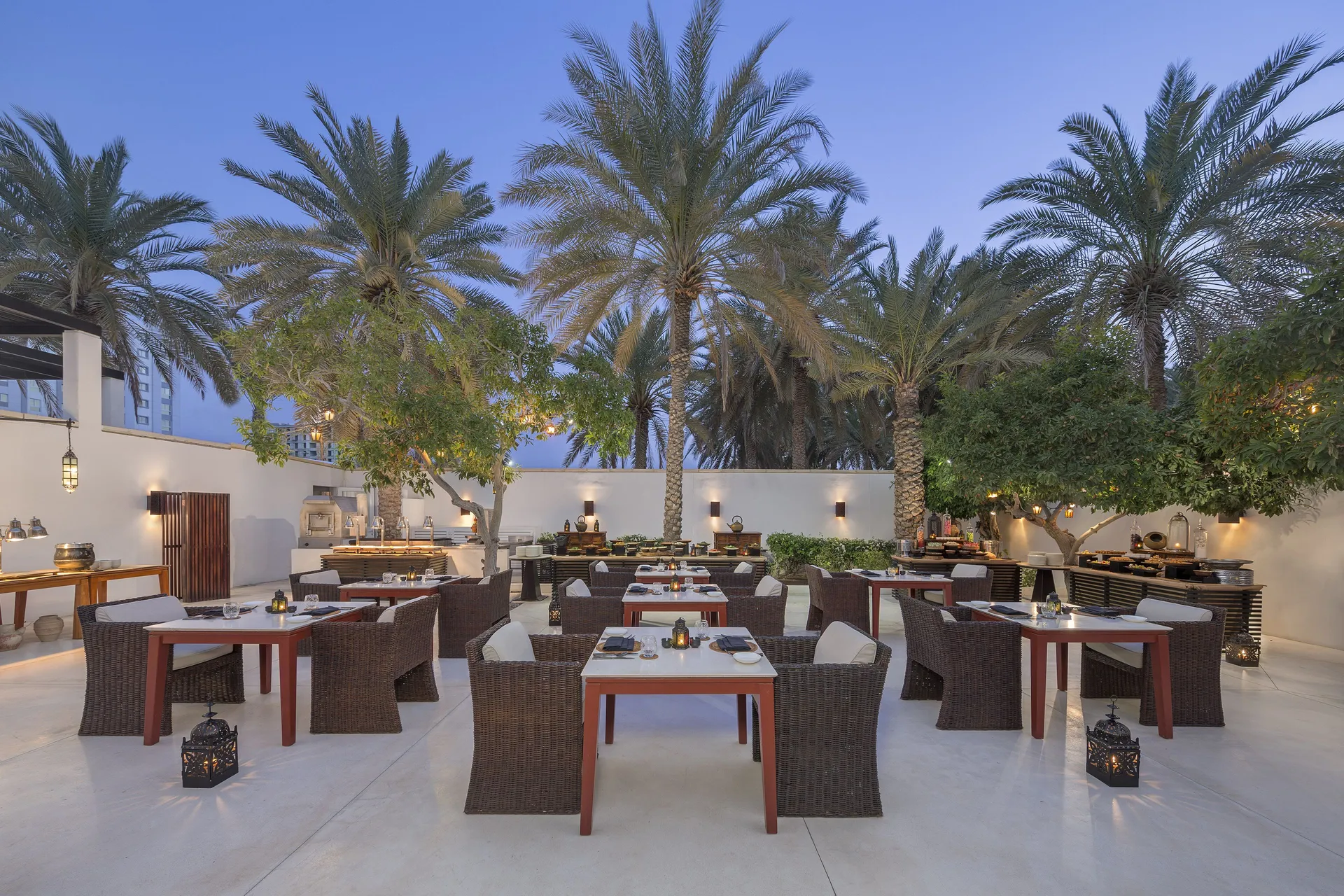
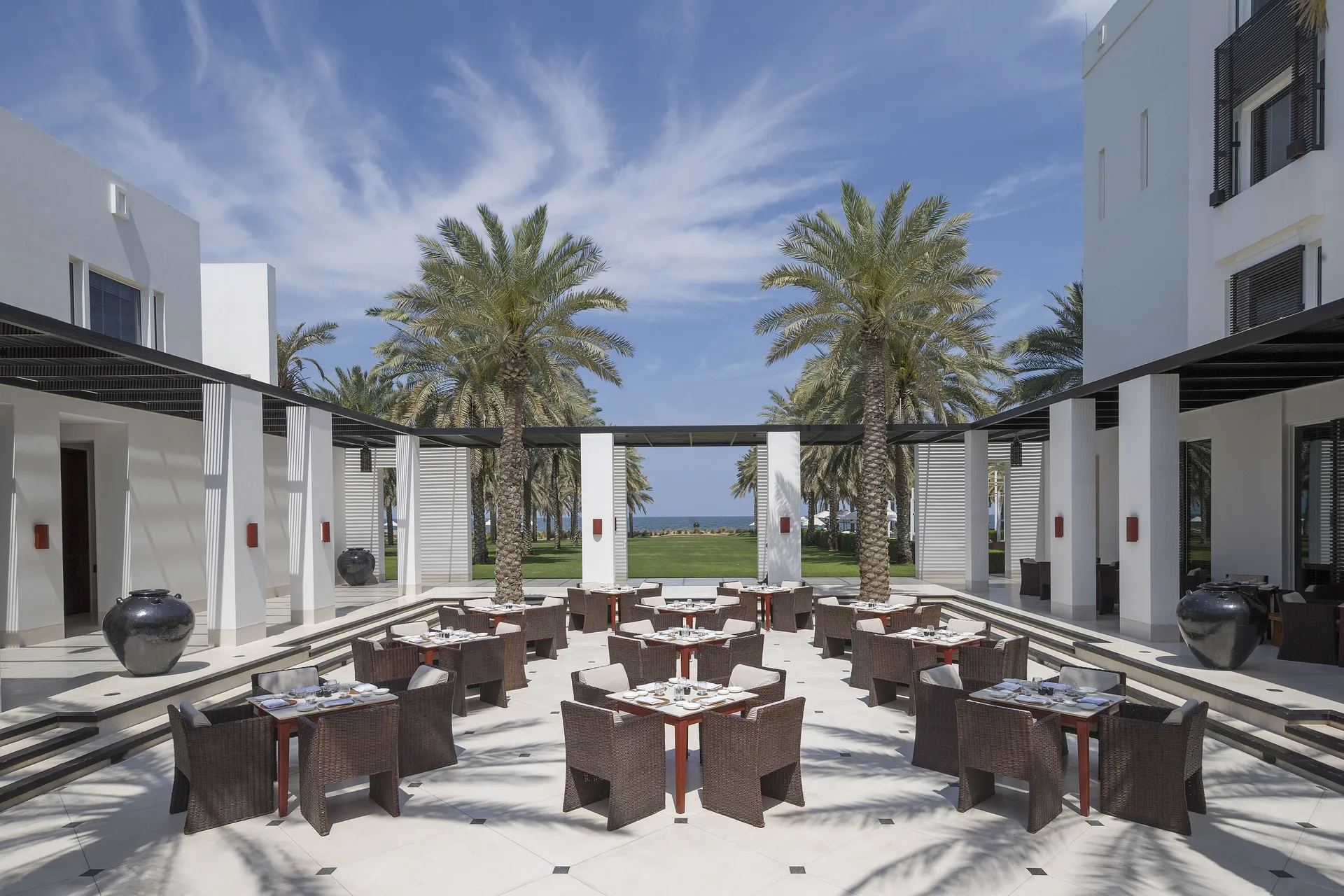
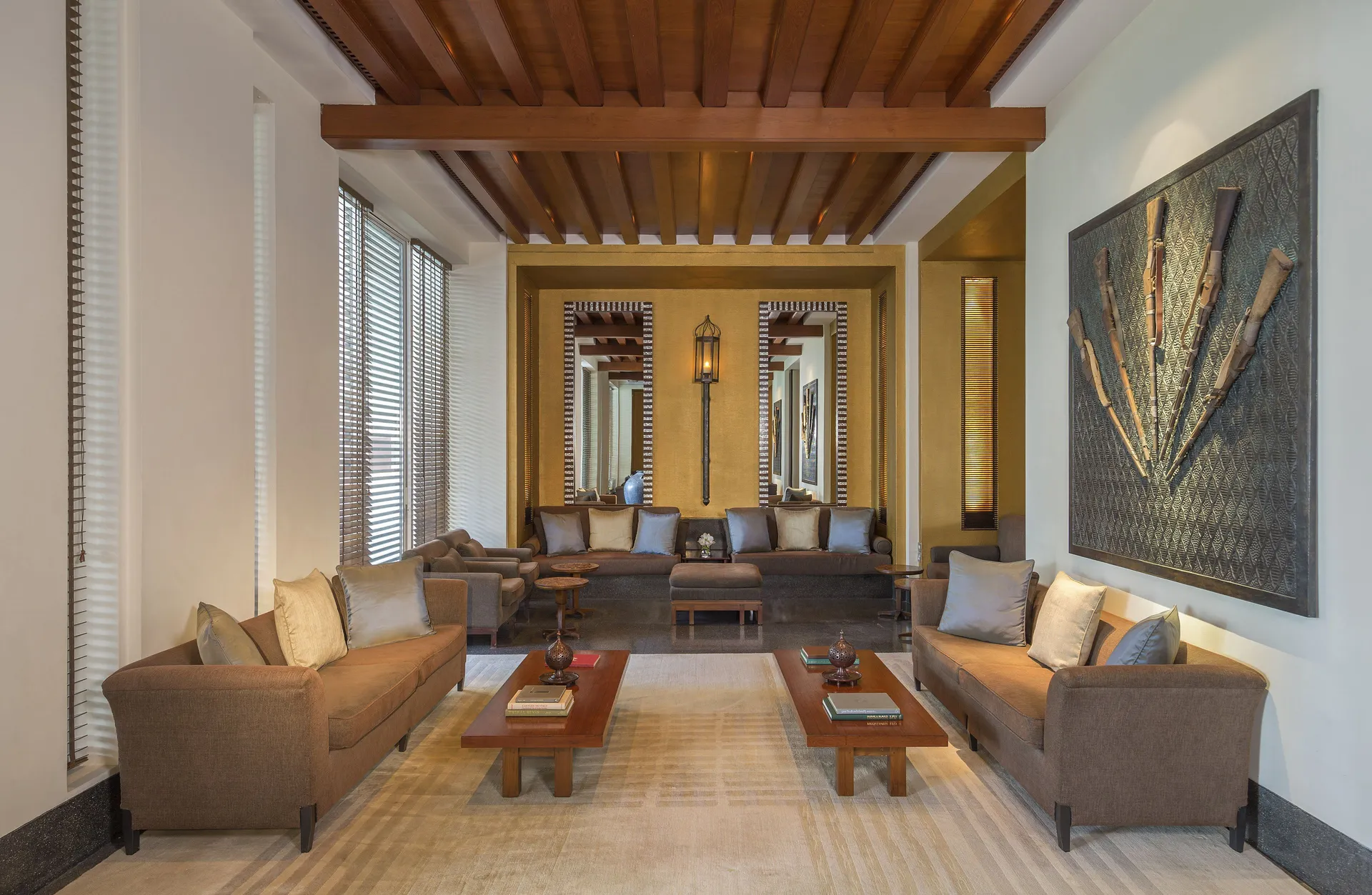
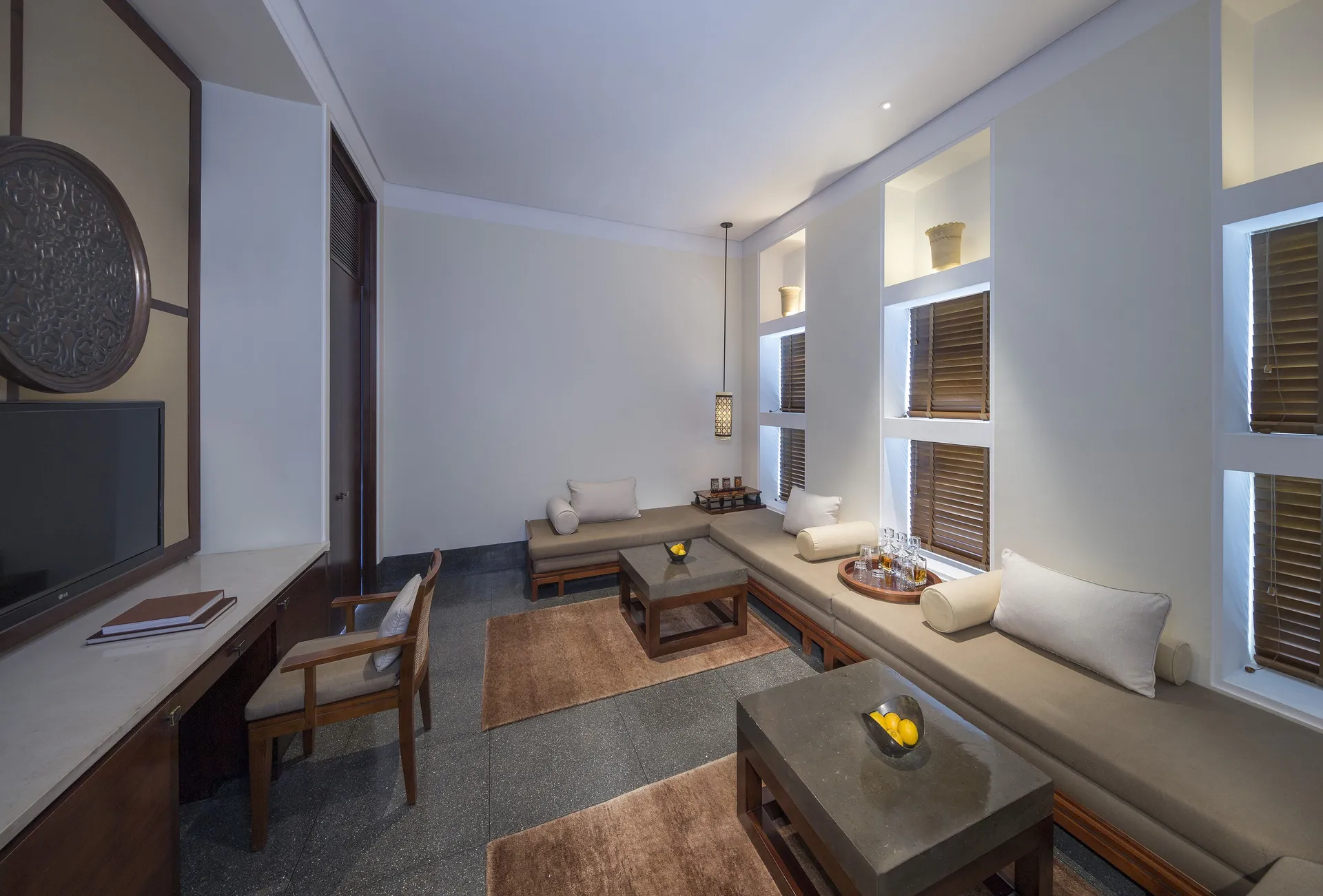
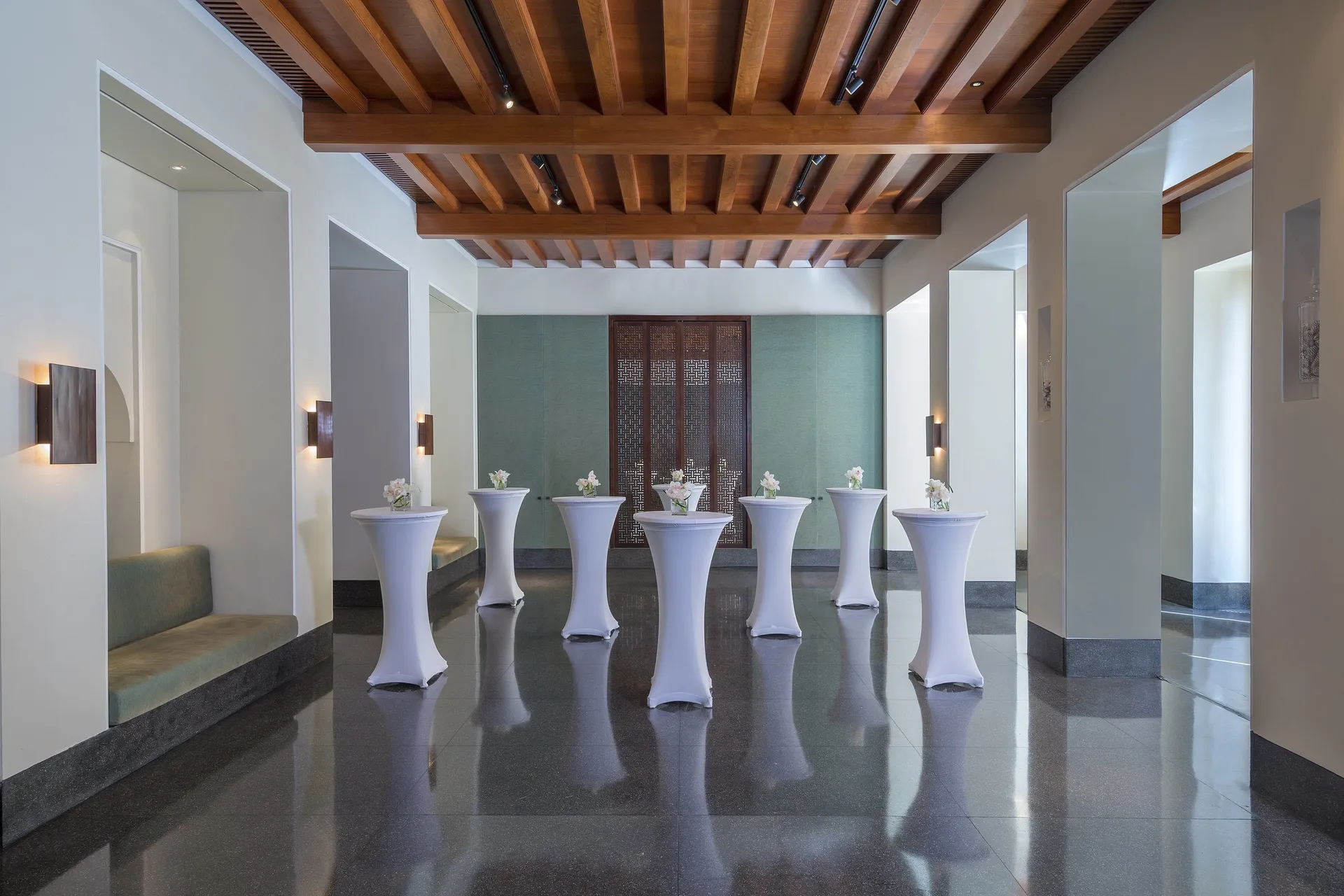
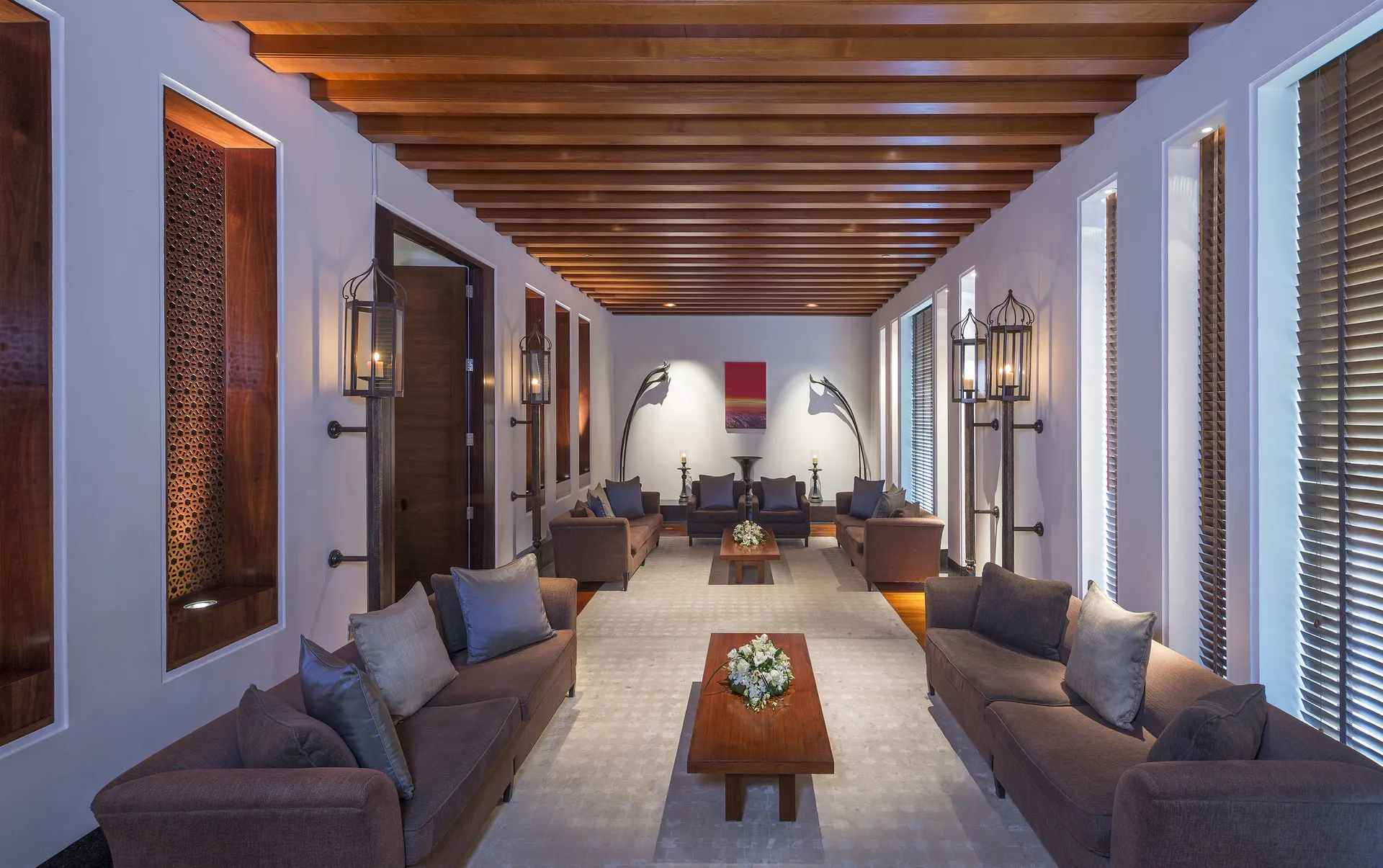
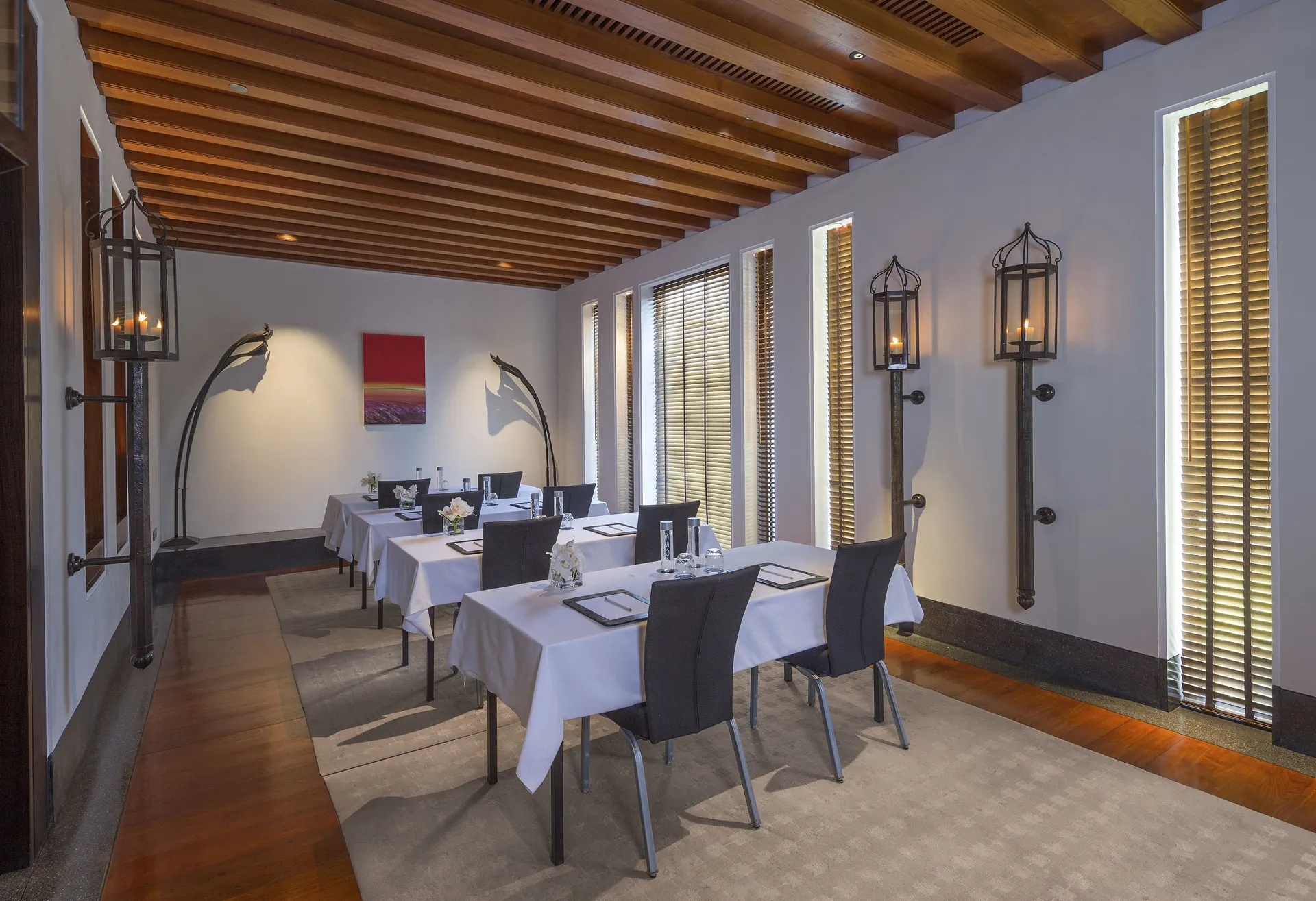
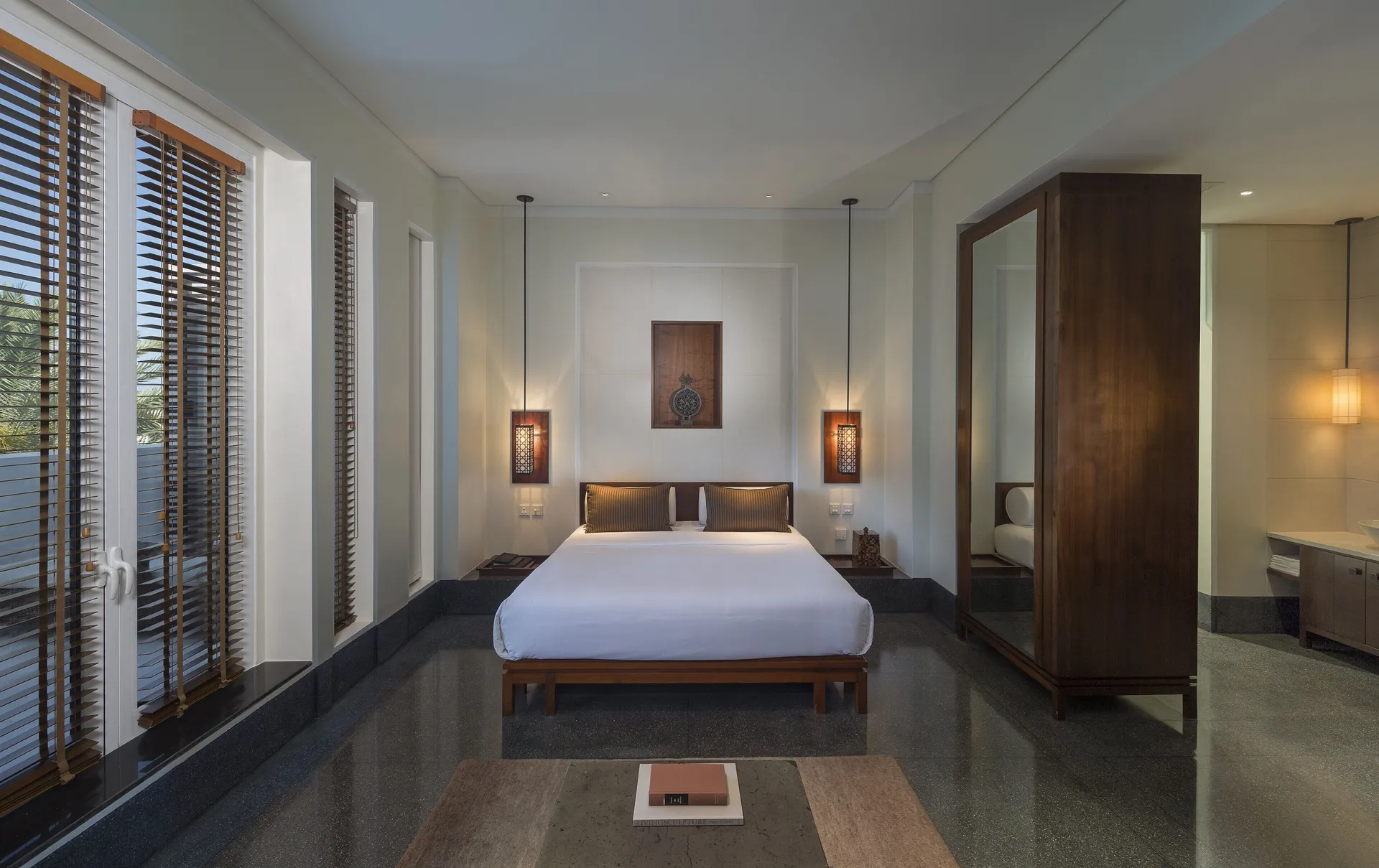
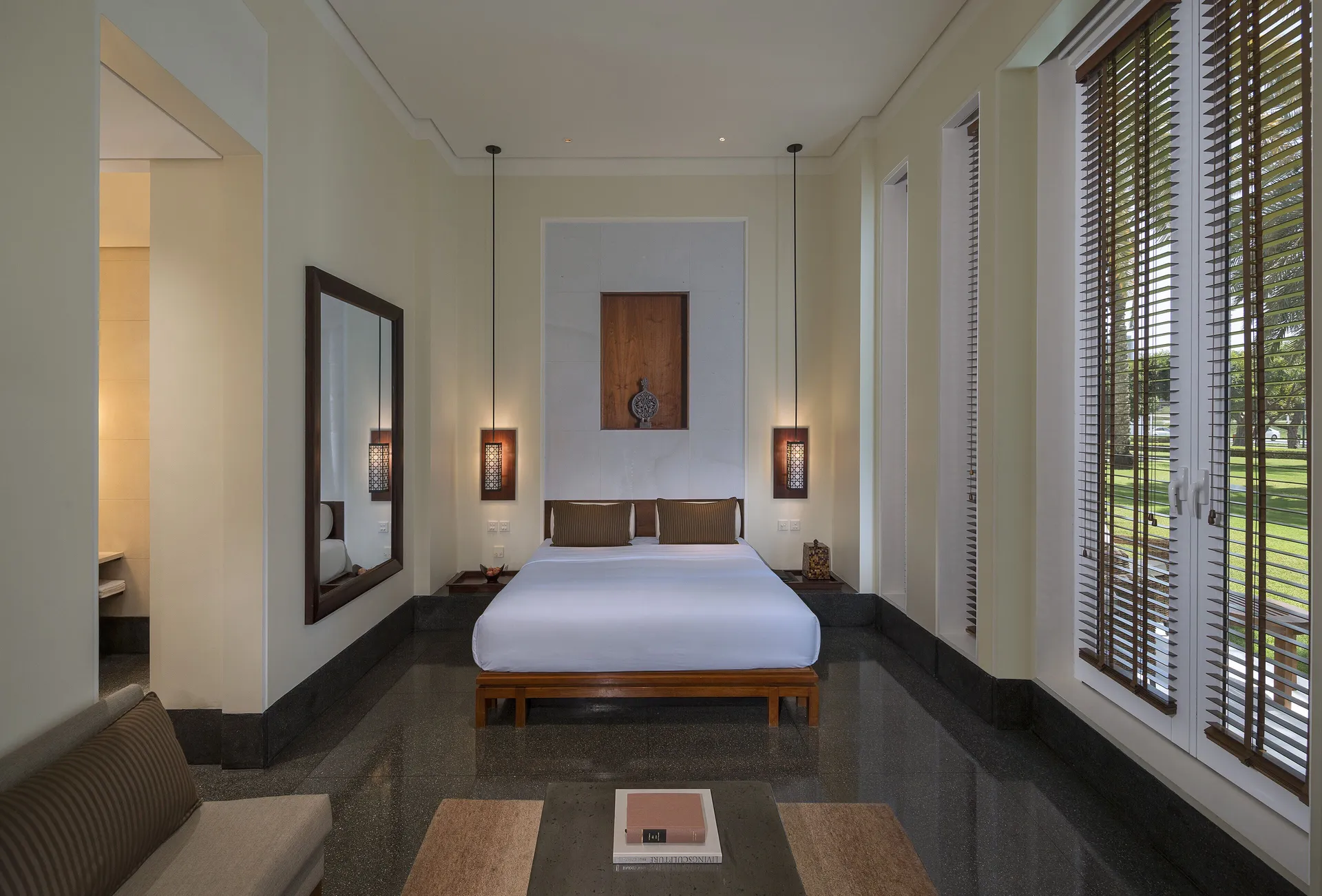
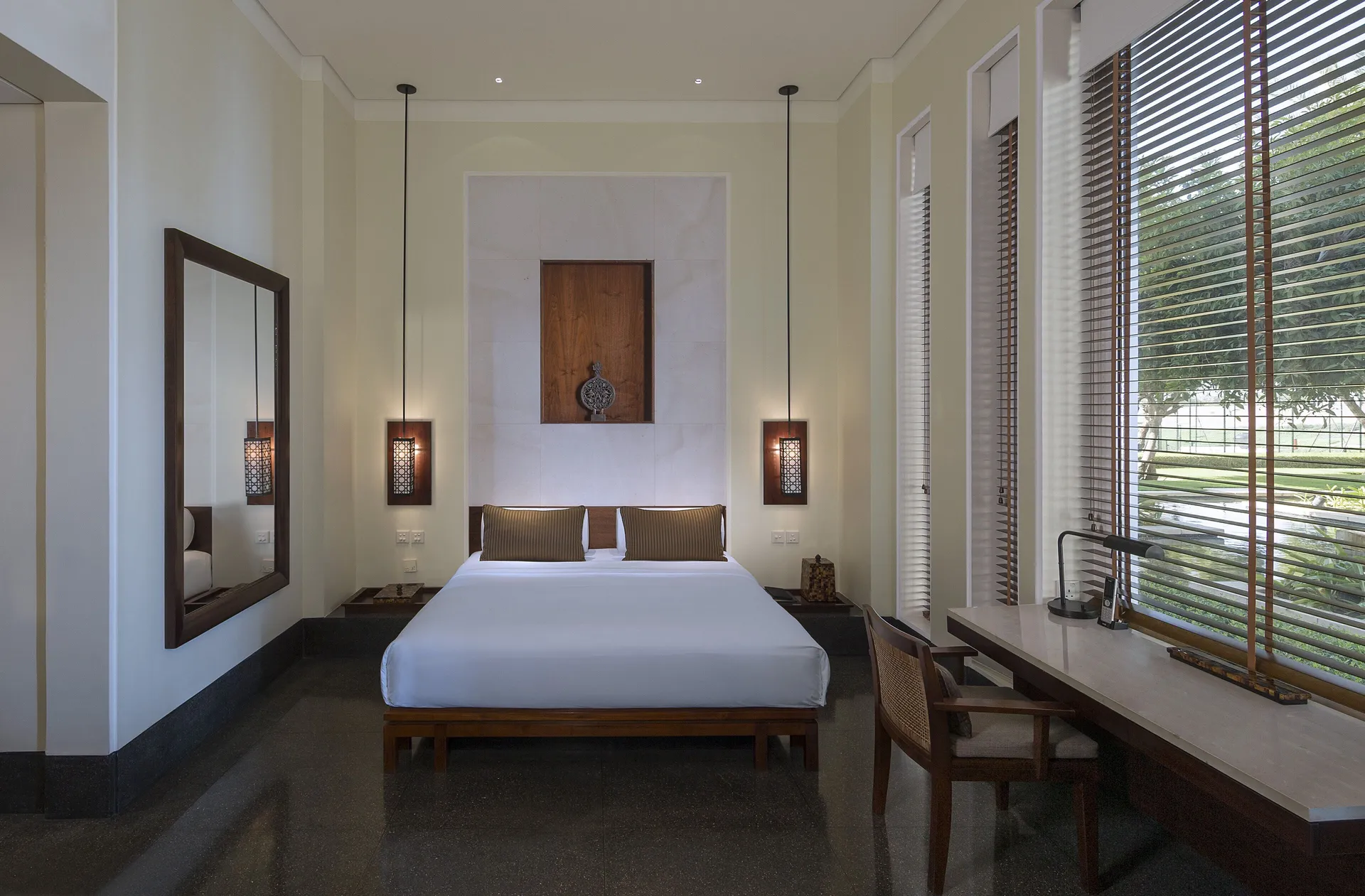

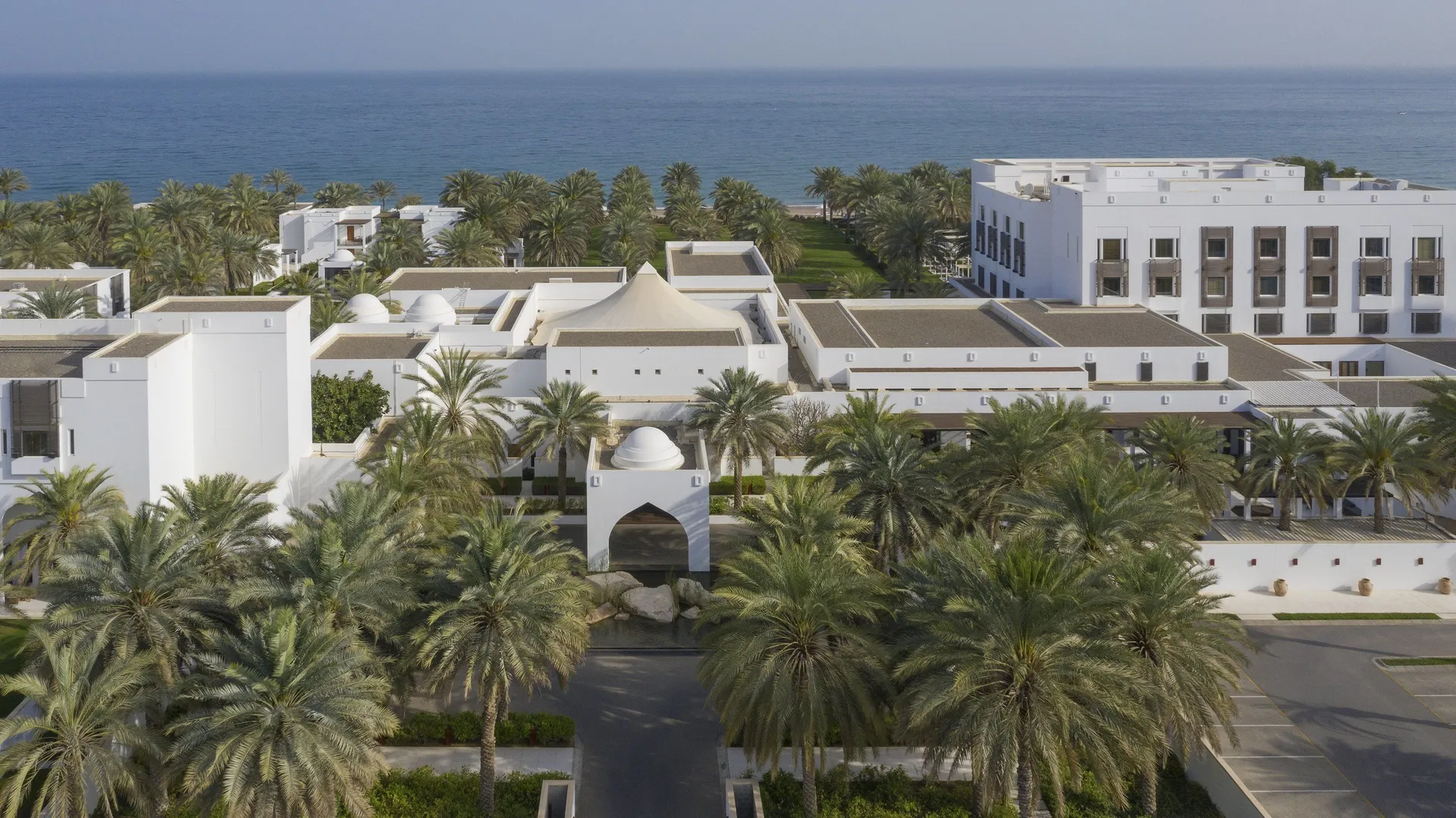
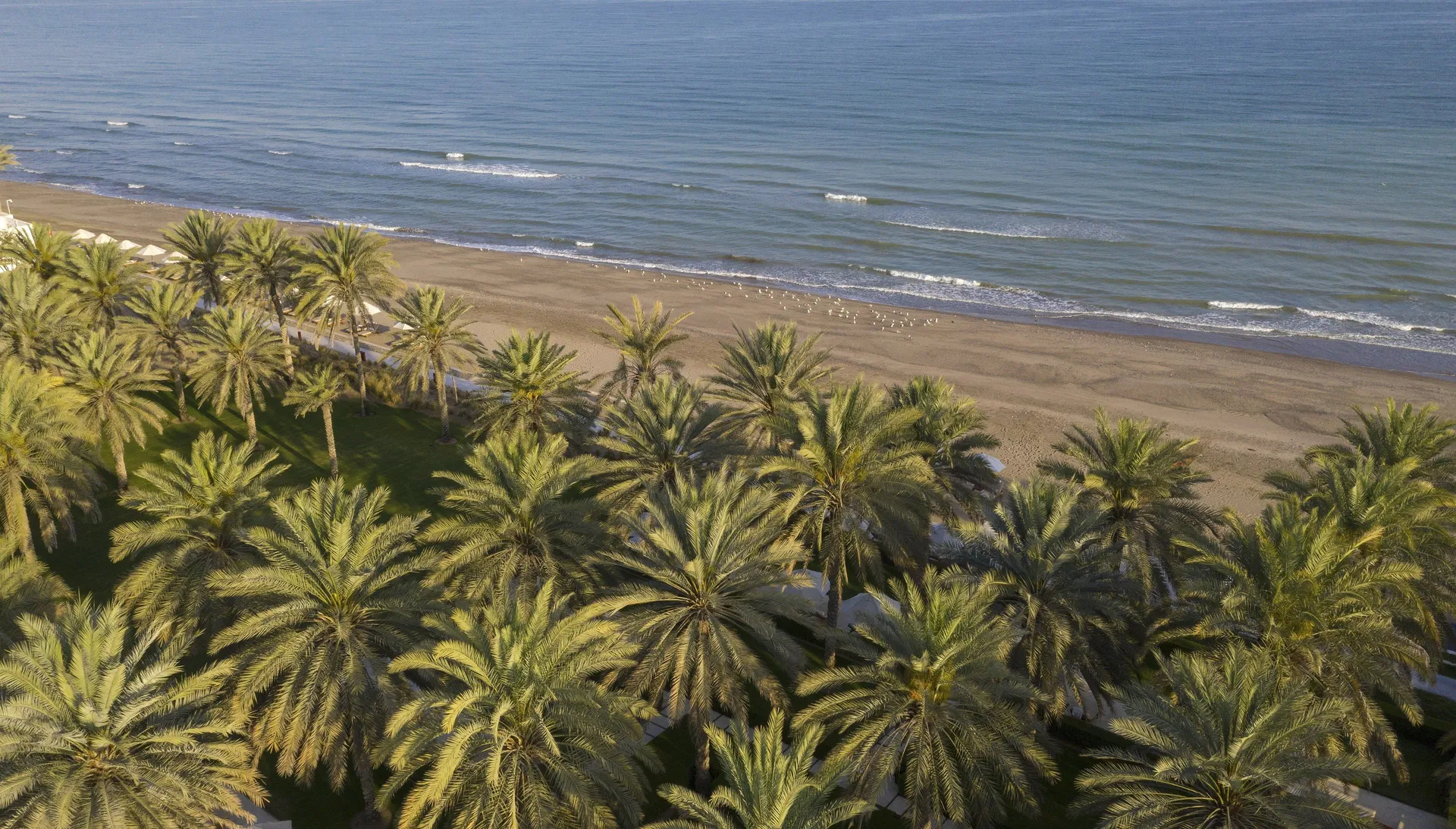
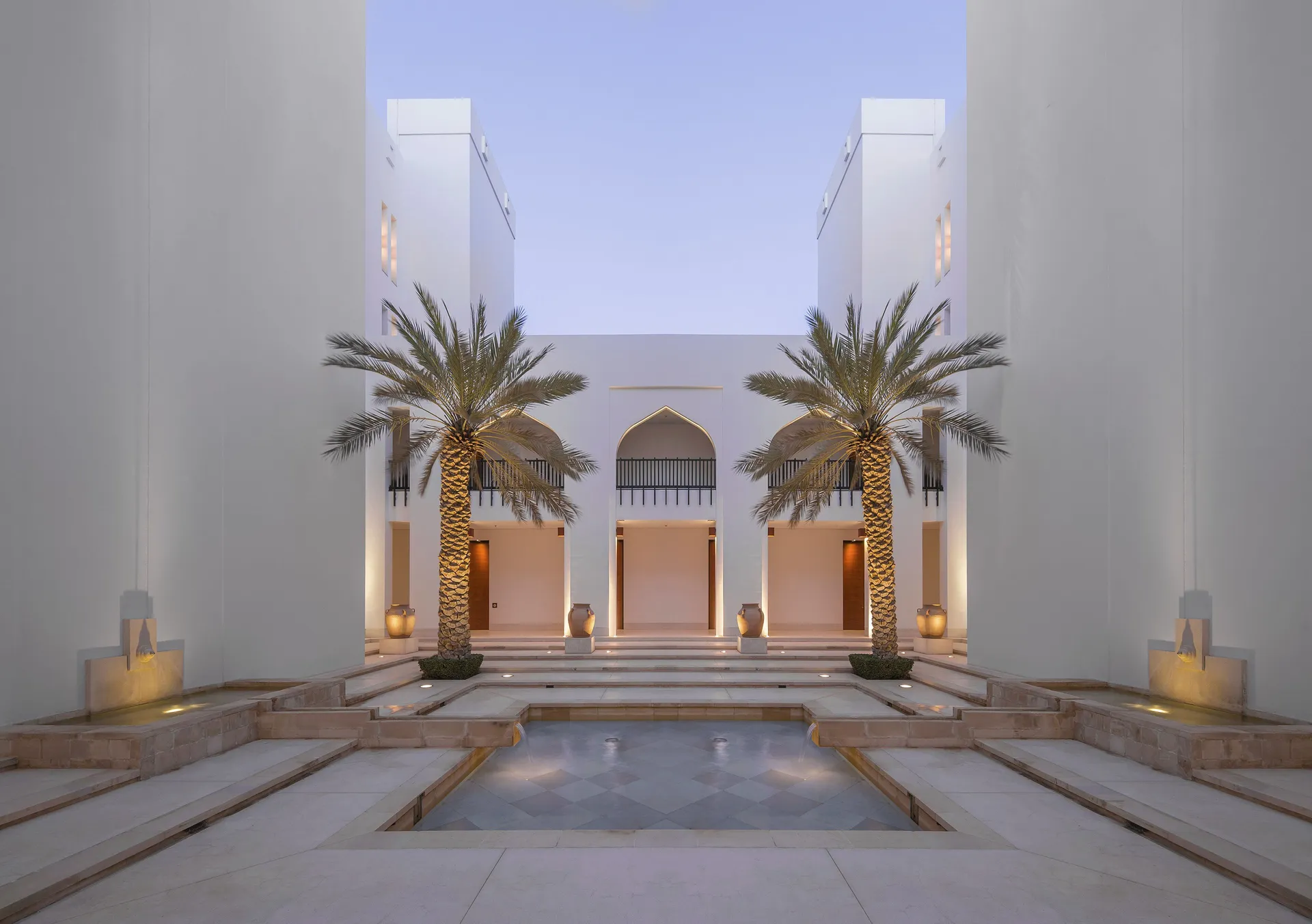
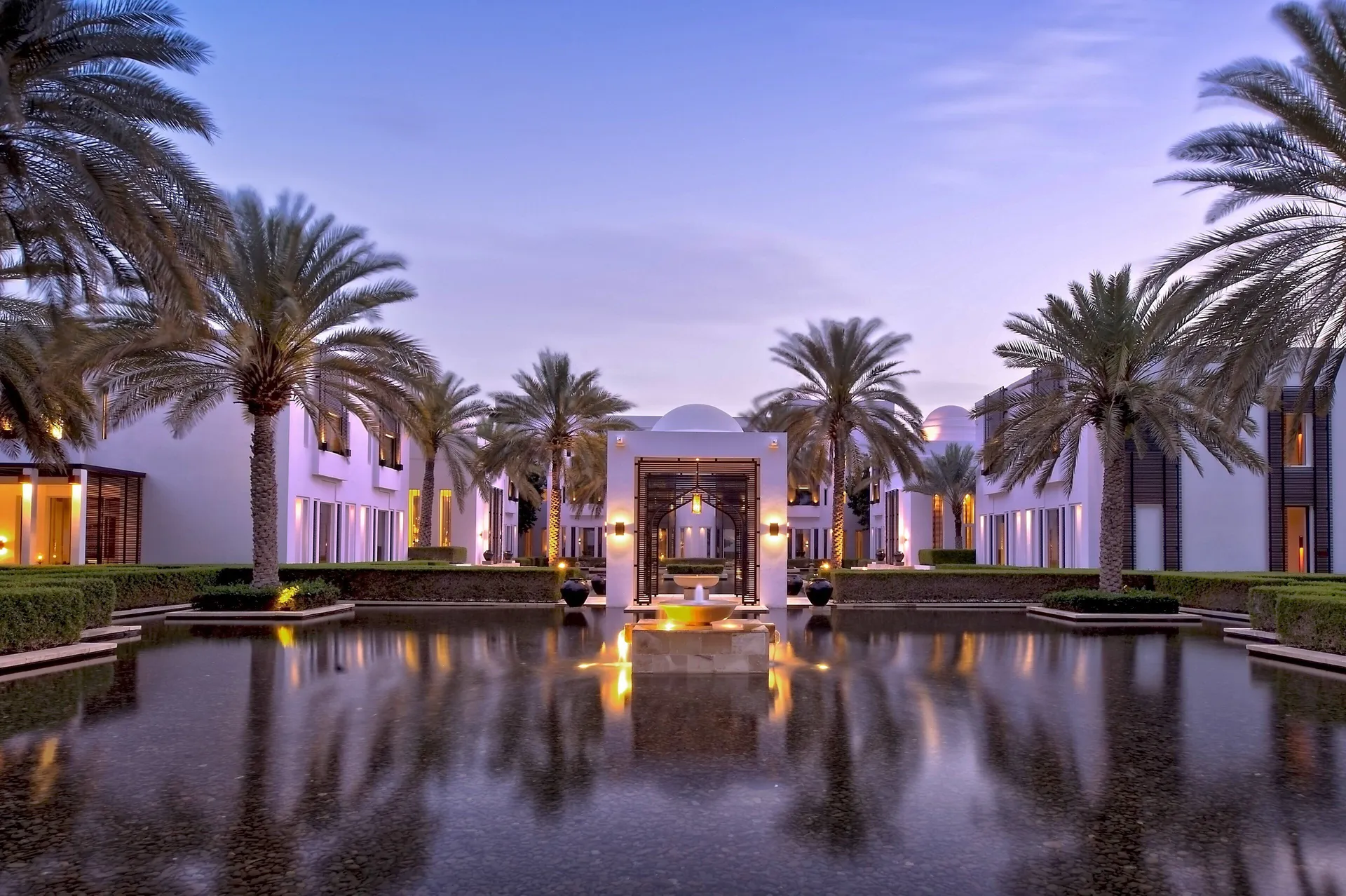
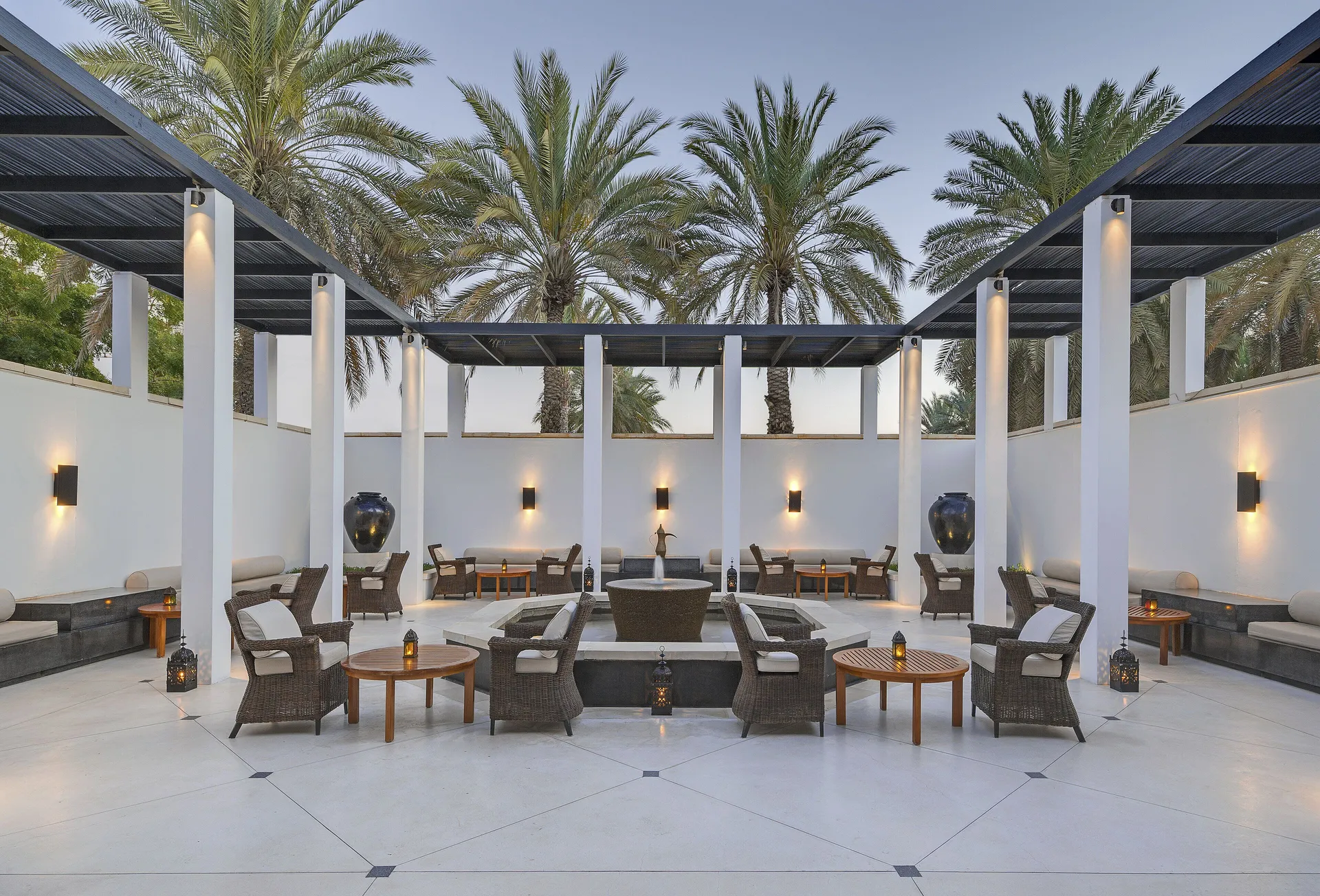
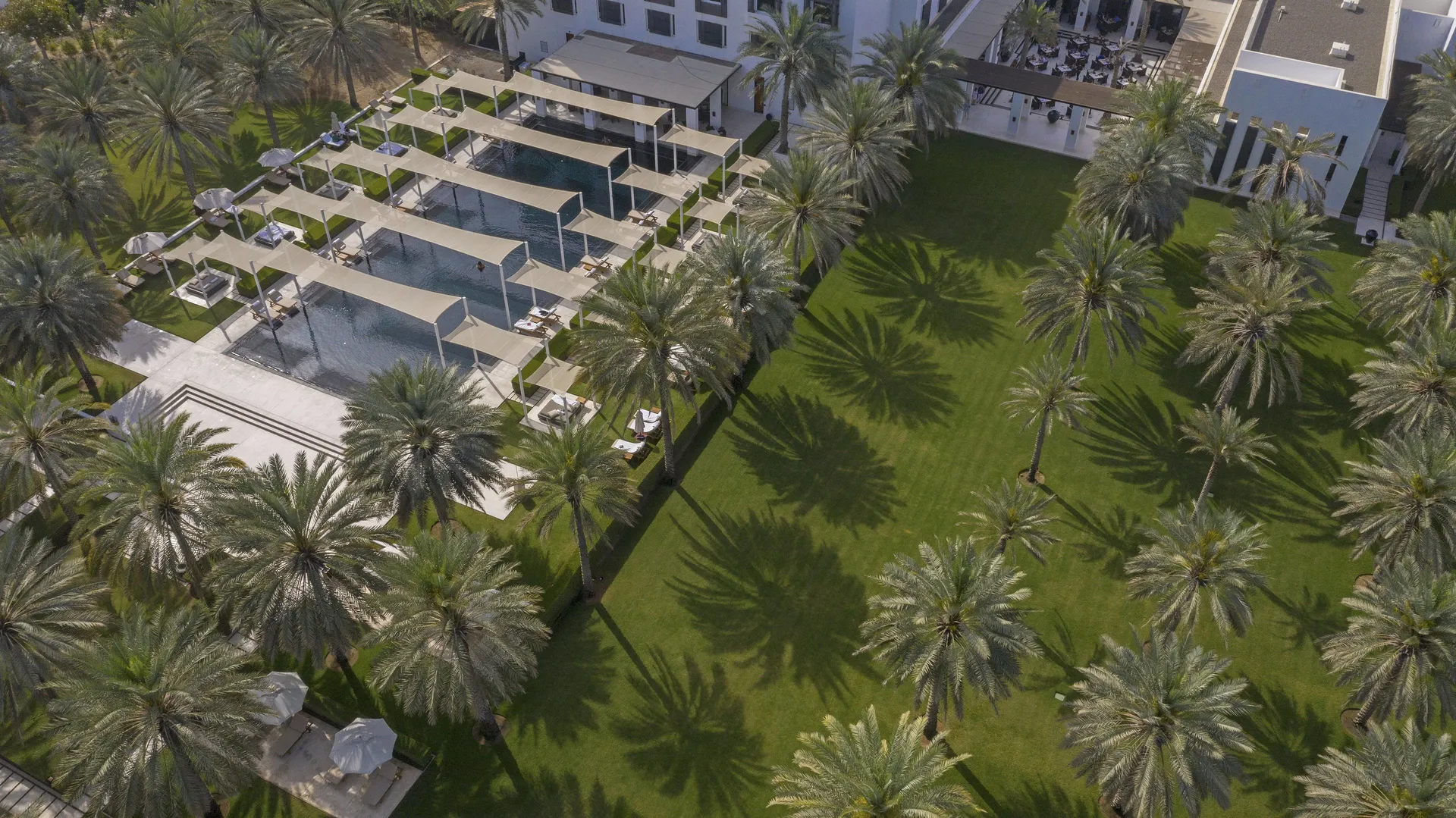
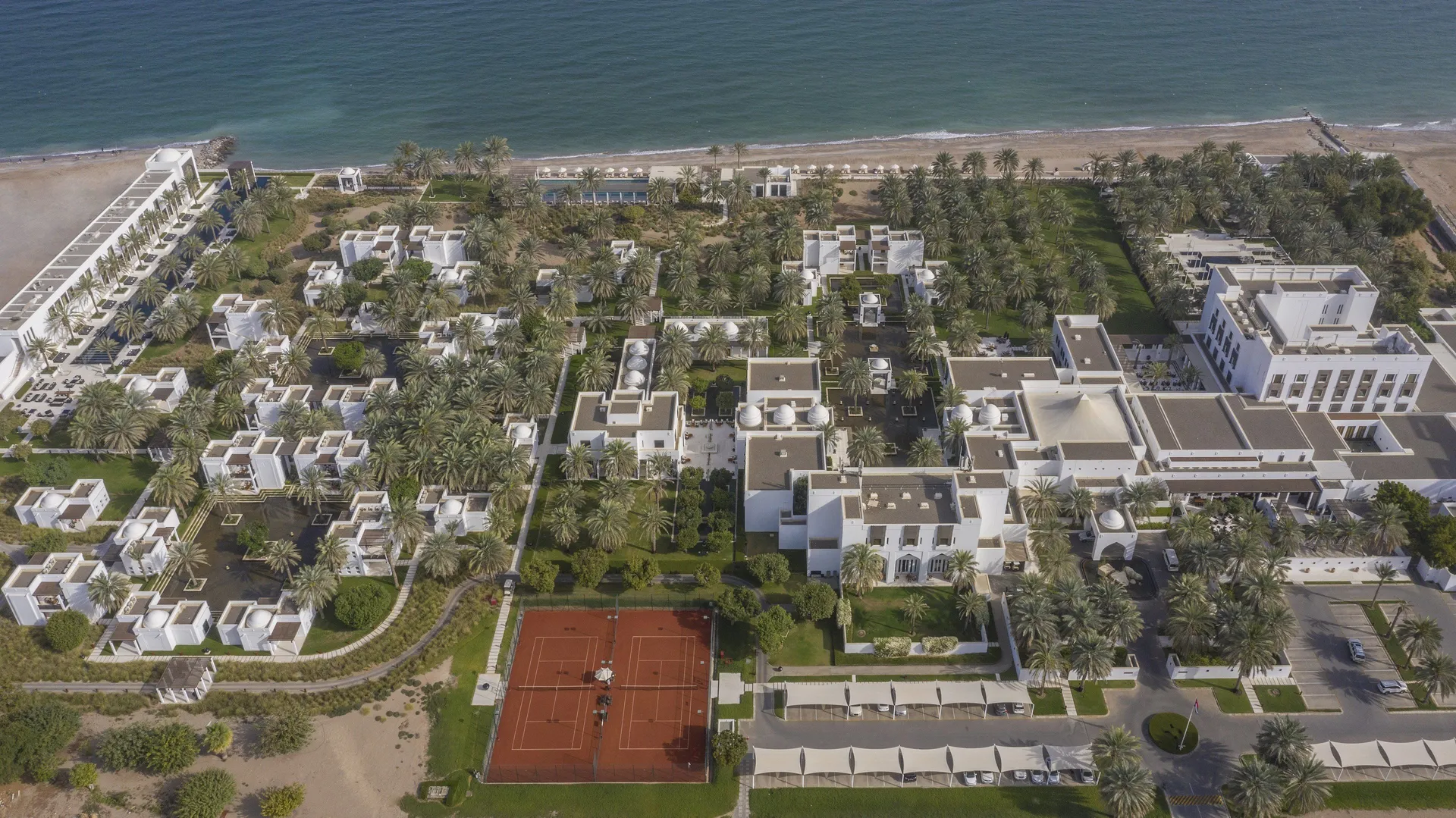
£1,026
pp
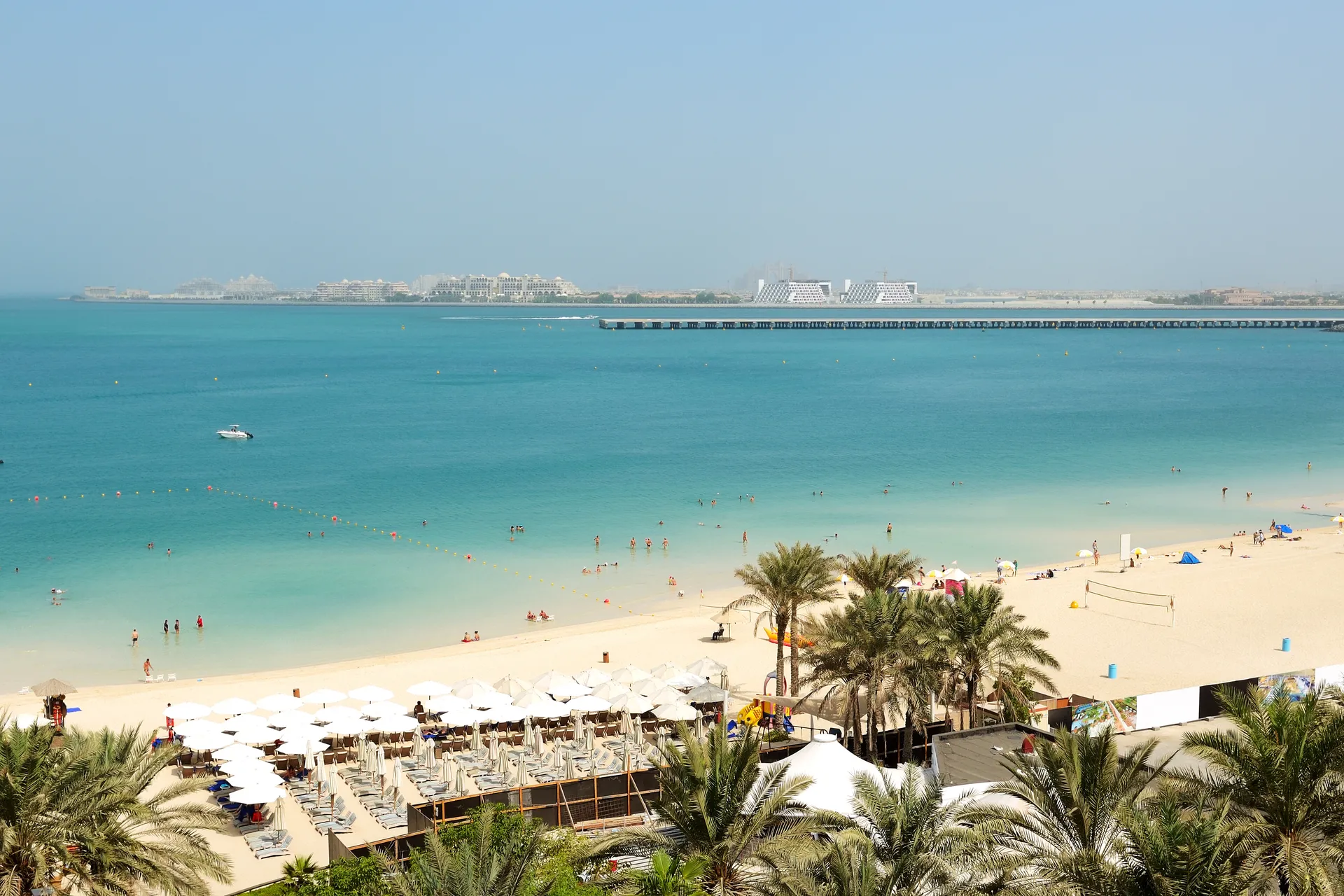
Your Oman Questions Answered
Find out more about visiting Oman with the answers to these frequently asked questions.
We're here to help
Omani cuisine features rich flavours with a blend of Middle Eastern, Indian, and African influences. Expect dishes like Shuwa (slow-cooked lamb), Mashuai (rice with dried fish), and khubz (traditional flatbread). Fresh seafood and dates are also common staples, and tea and coffee are enjoyed throughout the day.
It is generally safe to eat food in Oman, especially at reputable restaurants and hotels. As with any destination, it’s a good idea to stick to fresh, well-cooked food and drink bottled water.
Yes, travel insurance is highly recommended. It provides coverage for medical emergencies, trip cancellations, and lost luggage, ensuring peace of mind during your travels.
Must-see attractions in Oman include Muscat, the ancient forts of Nizwa and Bahla, and the Wadi Shab for hiking and natural beauty.
Dress modestly, especially in public places like souks and mosques. It’s polite to greet with a handshake, but avoid physical contact with the opposite sex unless initiated. Be respectful of local customs, especially during Ramadan, when eating, drinking, or smoking in public is prohibited during daylight hours.
Pack light, breathable clothing, but remember to dress modestly, especially when visiting mosques or rural areas. Comfortable shoes are essential for exploring markets and outdoor sites. If visiting during summer, include sunscreen, sunglasses, and a hat to protect from the sun.
The best time to visit Oman is between October and April when the weather is cooler and more comfortable for outdoor activities.
Oman is considered very safe for tourists. As with any destination, it's best to stay alert in busy areas, but Oman is known for its hospitality and welcoming environment.
Arabic is the official language, but English is commonly spoken in tourist areas and major cities. You may also encounter some regional languages such as Baluchi and Dhofari.
The currency used in Oman is the Omani Rial (OMR). Credit cards are widely accepted, but it’s a good idea to carry some cash for smaller purchases. ATMs are available in most cities.
