Peru All Trip Types
Peru


Your Peru Questions Answered
Find out more about visiting Peru with the answers to these frequently asked questions.
We're here to help
Peruvian cuisine is diverse and flavourful, with influences from indigenous ingredients, Spanish, African, and Asian flavours. Must-try dishes include ceviche, lomo saltado (stir-fried beef), and causa (a potato dish). Peruvian corn and potatoes come in many varieties and are central to the cuisine.
It is generally safe to eat food in Peru, especially at reputable restaurants and hotels. As with any destination, it’s a good idea to stick to fresh, well-cooked food and drink bottled water.
Yes, travel insurance is highly recommended. It provides coverage for medical emergencies, trip cancellations, and lost luggage, ensuring peace of mind during your travels.
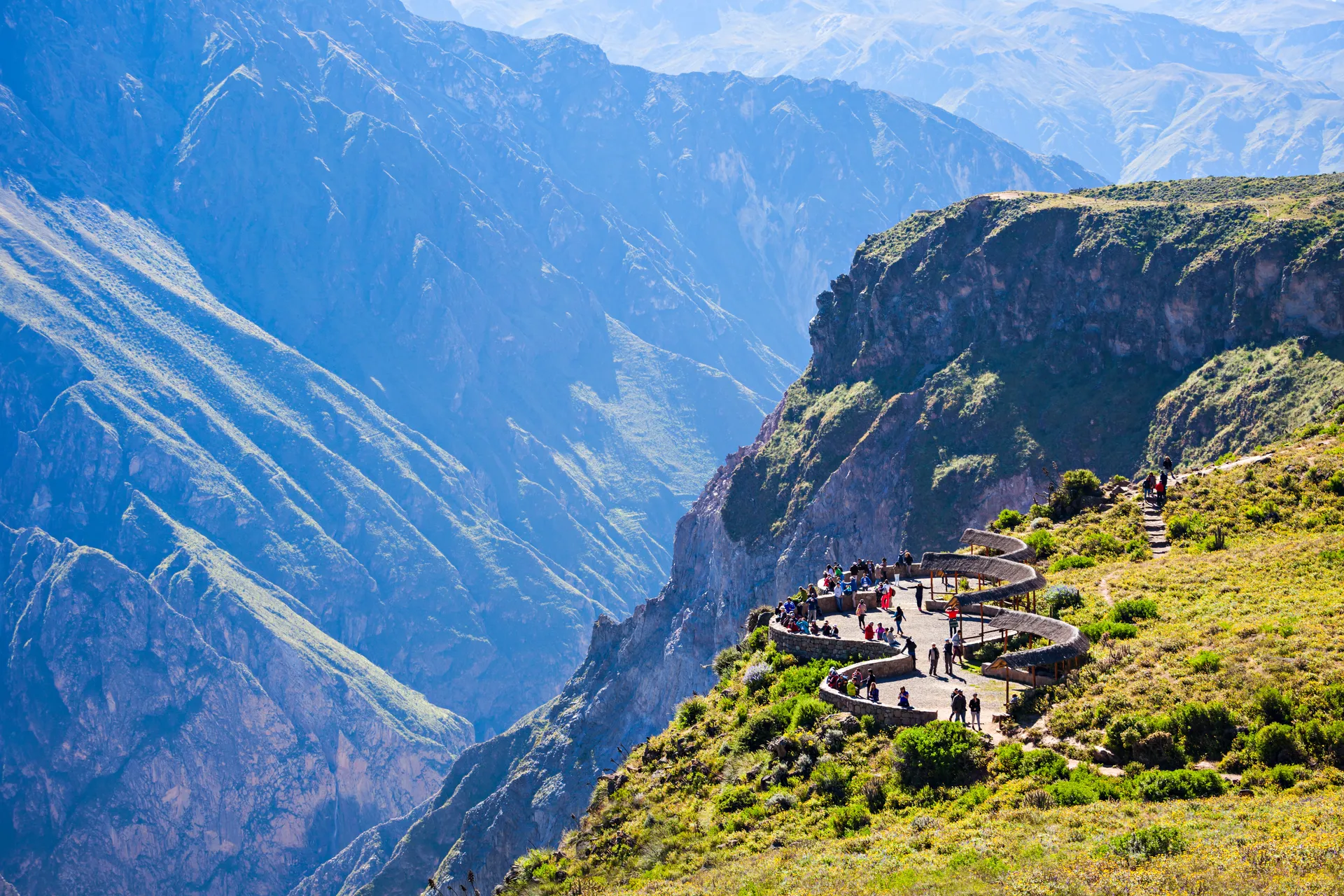
Must-see attractions in Peru include the iconic Machu Picchu, the ancient city of Cusco, the Sacred Valley, and the Colca Canyon. Explore the vibrant city of Lima, the Inca ruins of Ollantaytambo, and the fascinating Nazca Lines. The Amazon Rainforest and Lake Titicaca are also highlights.
Dress modestly when visiting religious sites. When greeting, a handshake is common. It’s polite to greet people with a “buenos días” (good morning) or “buenas tardes” (good afternoon).
Pack comfortable, breathable clothing for the coastal and jungle regions, and warmer clothing for the high-altitude areas like Cusco and the Sacred Valley. Don't forget sunscreen, a hat, and good walking shoes for outdoor activities. If trekking, bring layers to adjust to changing temperatures.
The best time to visit Peru is from May to September, during the dry season, which is ideal for trekking and exploring the Andean highlands. The rainy season, from November to March, can be less favourable for outdoor activities in the mountains, though the Amazon region is still accessible year-round.
Peru is generally safe for tourists, but like in any destination, it’s important to take precautions. Keep an eye on your belongings, especially in crowded areas. It’s also recommended to follow travel advisories.
Spanish is the official language, but Quechua and Aymara are also spoken in some regions, especially in the Andes. English is commonly understood in tourist areas, but learning a few Spanish phrases can enhance your experience.
The currency used in Peru is the Peruvian Nuevo Sol (PEN). Credit cards are widely accepted in major cities, but it’s advisable to carry cash for smaller towns and rural areas. ATMs are available in most urban areas.
