Brazil All Trips Types
Brazil

Your Brazil Questions Answered
Find out more about visiting Brazil with the answers to these frequently asked questions.
We're here to help
Brazilian cuisine is diverse and flavourful, with influences from Portuguese, African, and Indigenous cultures. Brazil is known for fresh fruits and juices, especially tropical options like acai and guava. The cuisine varies by region, with seafood dishes more common along the coast and hearty meats popular in the south.
It is generally safe to eat food in Brazil, especially at reputable restaurants and hotels. As with any destination, it’s a good idea to stick to fresh, well-cooked food and drink bottled water.
Yes, travel insurance is highly recommended. It provides coverage for medical emergencies, trip cancellations, and lost luggage, ensuring peace of mind during your travels.
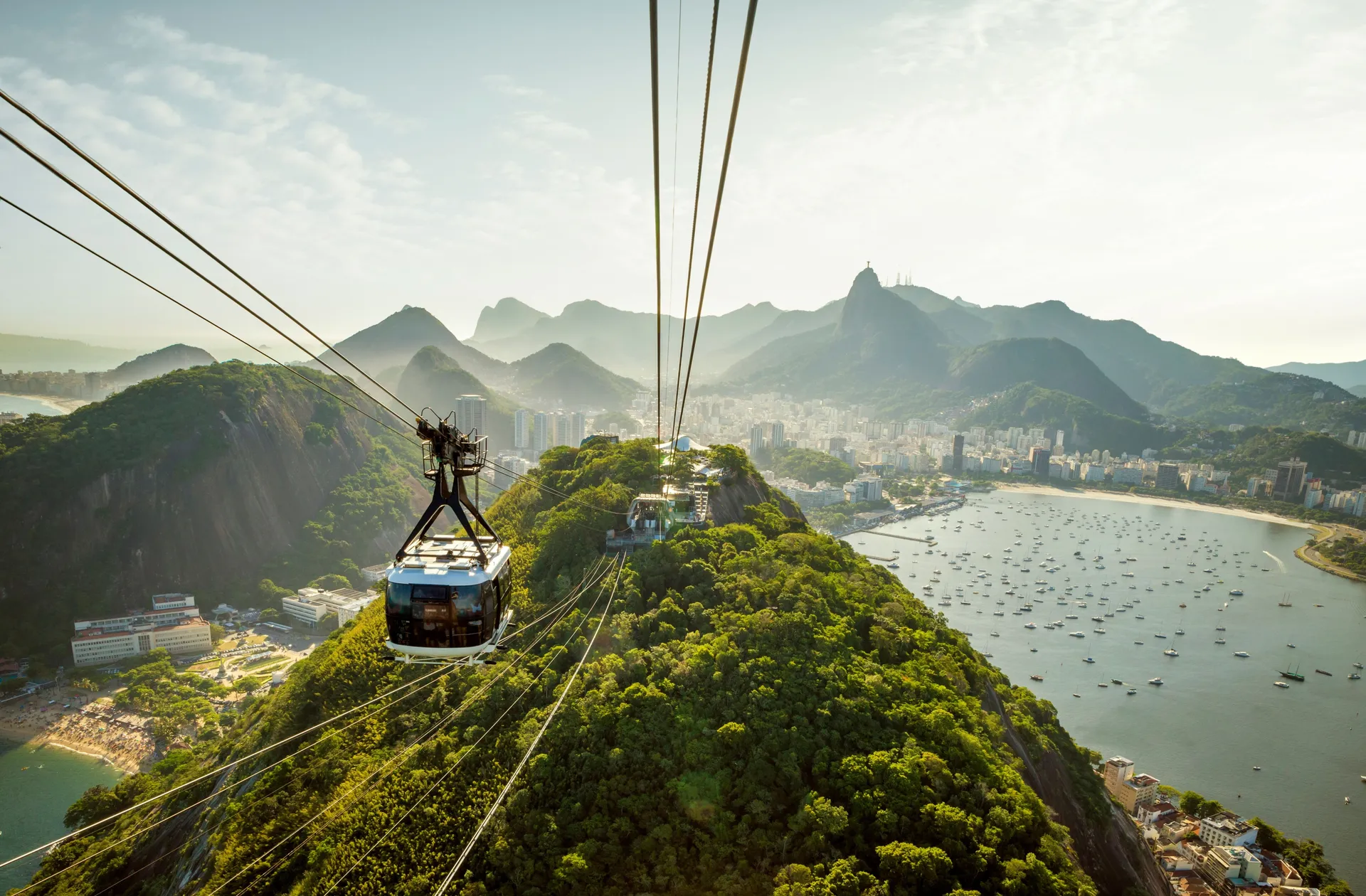
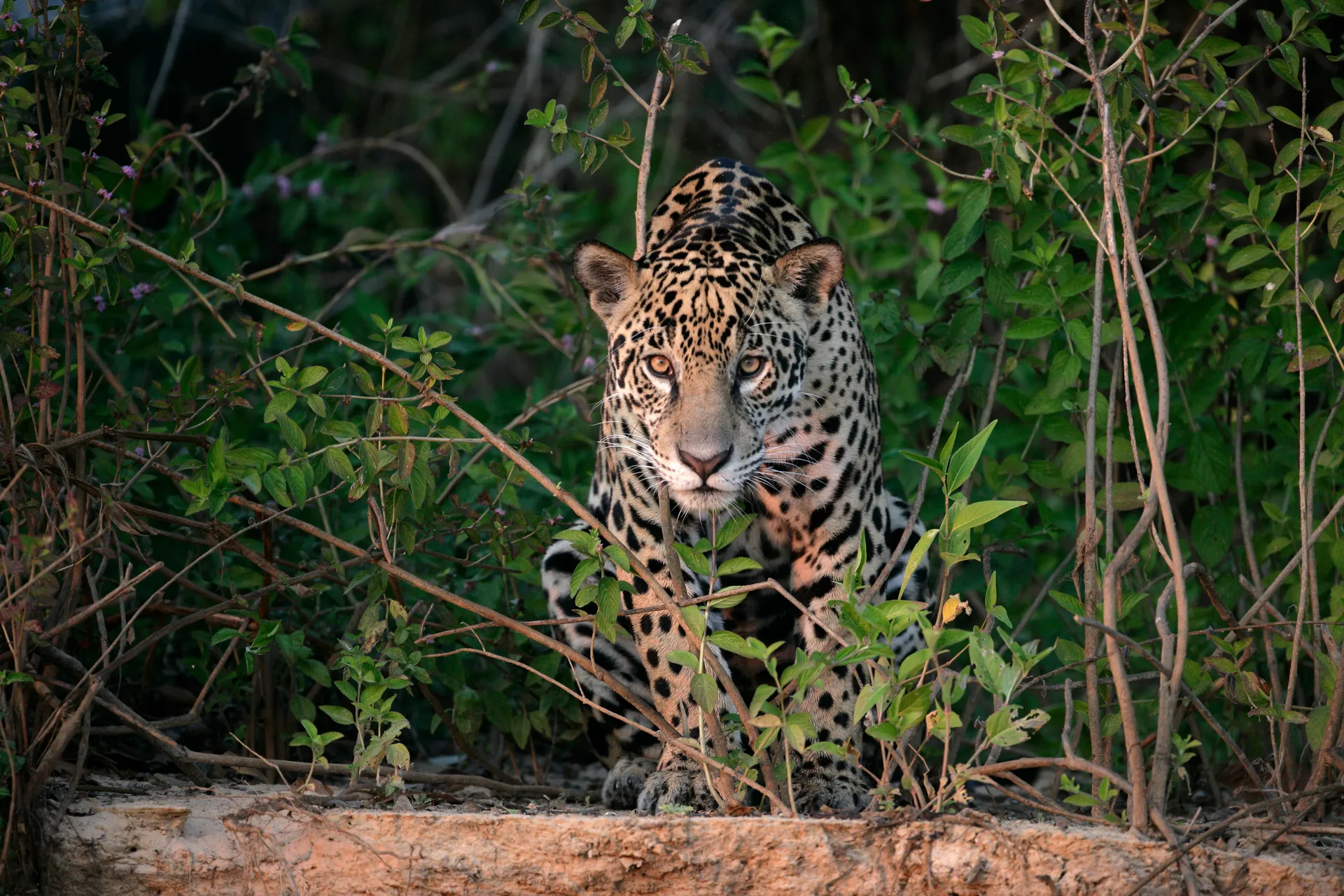
Must-see attractions in Brazil include the iconic Christ the Redeemer statue and Sugarloaf Mountain in Rio de Janeiro, with stunning views over the city. Visit Iguazu Falls, a breathtaking natural wonder on the border with Argentina, and explore the lush Amazon Rainforest for incredible biodiversity.
In Brazil, warm greetings with handshakes are considered polite. Casual attire is typical, but dress modestly in churches or religious sites. Lastly, learning a few Portuguese phrases is appreciated, as it shows respect for the local language and culture.
Pack lightweight, breathable clothing for warm weather. Comfortable walking shoes, sunscreen, a hat, and sunglasses to protect from the sun, as well as insect repellent if you're heading to the rainforest. A light jacket or sweater is useful for cooler evenings.
The best time to visit Brazil is during the dry season, from May to September, when the weather is mild and ideal for outdoor activities, especially in the Amazon and other natural regions. This period also avoids the heavy rains typical of the wet season. If you’re visiting for the Carnival, which takes place in February or March, be prepared for vibrant celebrations but expect higher crowds.
Brazil is generally safe for tourists, but like any destination, it's important to take precautions. In major cities like Rio de Janeiro and Sao Paulo, it's best to stay aware of your surroundings, and avoid displaying valuables. Stick to well-known tourist areas, and follow local advice.
The official language of Brazil is Portuguese. English is spoken in tourist areas, but it’s less common in more remote locations, so learning a few basic Portuguese phrases can be helpful.
The currency used in Brazil is the Brazilian Real (BRL), and it’s widely accepted across the country. Credit and debit cards are commonly used in cities, but it's a good idea to carry cash, especially in smaller towns or rural areas.
