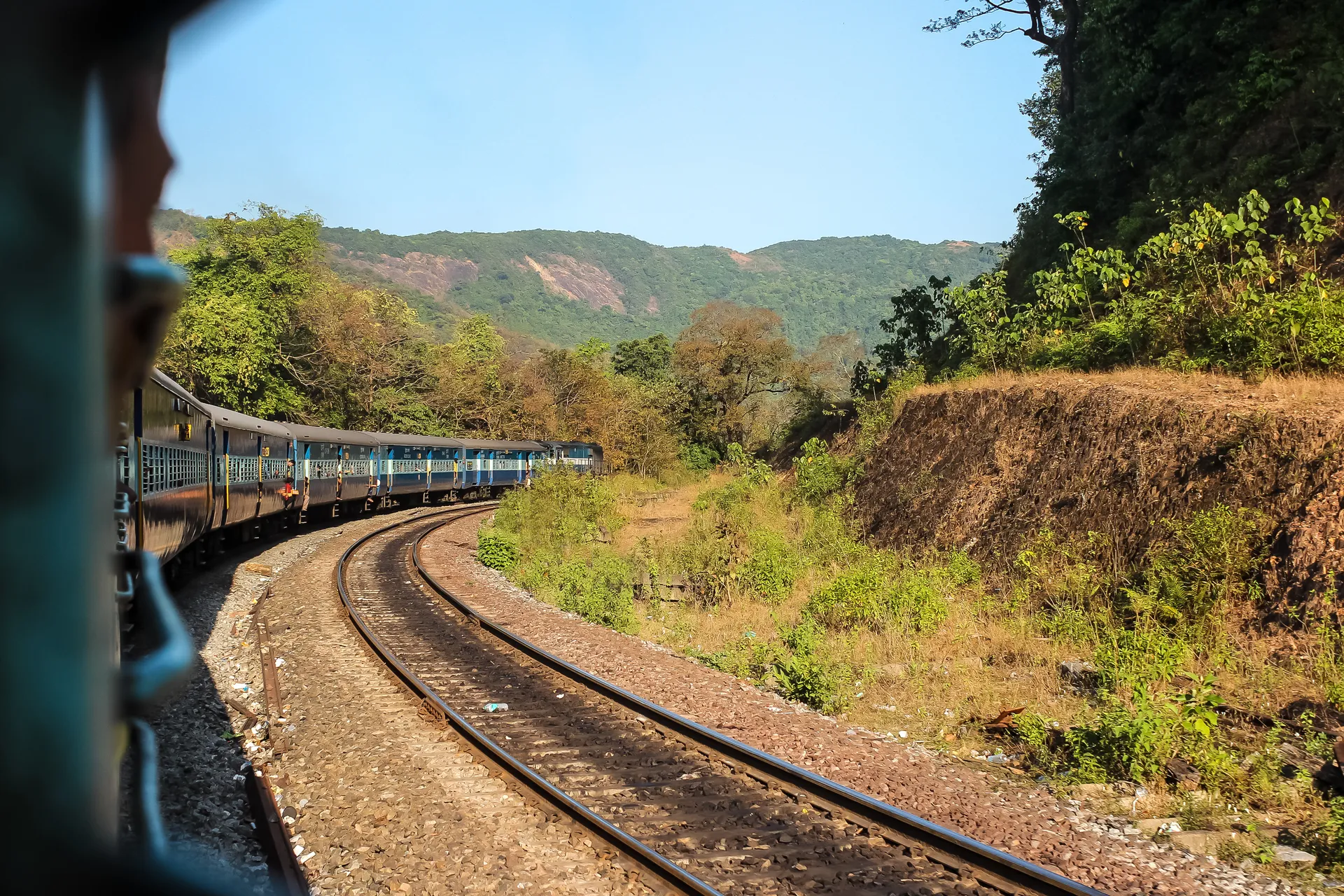
Indian Subcontinent Rail Journeys
Rail journeys offer a unique way to explore, allowing you to experience the diverse landscapes and rich cultural heritage of each country. Imagine embarking on a rail journey through the breathtaking landscapes of India and Nepal, where cultural richness, historical significance, and natural beauty converge to create an unparalleled travel experience. Picture yourself travelling through the serene trails of the Himalayas, wandering the ancient streets of Kathmandu. Rail journeys in this region offer a seamless blend of adventure and cultural immersion, with expert guides leading you to discover hidden gems and local traditions.
Best Regions to Visit
India
Delhi: Immerse yourself in the capital's vibrant history with visits to the majestic Red Fort, towering Qutub Minar, and iconic India Gate. Dive into the bustling markets and savour the dynamic street life.
Agra: Marvel at the timeless beauty of the Taj Mahal, explore the formidable Agra Fort, and wander through the ancient city of Fatehpur Sikri. Experience the grandeur of Mughal architecture and heritage.
Jaipur: Discover the enchanting Pink City, home to stunning palaces, imposing forts, and lively bazaars. Visit the magnificent Amber Fort, the regal City Palace, and the intricate Hawa Mahal.
Nepal
Kathmandu Valley: Explore the rich tapestry of history and culture in Kathmandu, Patan, and Bhaktapur. Wander through ancient palaces and temples, each telling a story of Nepal's glorious past.
Bandipur: This charming hilltop village offers panoramic views of the Himalayas and a glimpse into traditional Newari culture. Stroll through its quaint streets and enjoy the serene atmosphere.
Chitwan: Experience the natural beauty and wildlife of Chitwan National Park. Go on a jungle safari to spot rhinos, tigers, and a variety of bird species, and immerse yourself in the local Tharu culture.
Best Time to Visit India
The best time to visit varies by region, but here’s a general guide:
Winter (November to February): This period is ideal for exploring Nepal, with cooler temperatures making it comfortable for sightseeing in regions like Kathmandu Valley and Pokhara. The weather is generally dry and clear, perfect for outdoor activities.
Spring (March to May): This season is perfect for trekking and adventure activities in Nepal, with pleasant weather enhancing the experience, especially in areas like the Annapurna Circuit.
Autumn (September to October): With cooler temperatures and fewer crowds, autumn is a great time to explore Nepal's cultural sites and cities. This season offers clear skies and is considered one of the best times for trekking and sightseeing.
Destinations to explore
A captivating blend of ancient traditions and modern innovations awaits, with dynamic cities, serene rural landscapes, iconic landmarks, and historical treasures.
Where possible we have secured a limited number of places without a single Supplement on each escorted tour. These are strictly subject to availability and once they are all booked a supplement will apply.
All of our English speaking local guides are passionate about their country and will accompany you from the moment you arrive in your destination, throughout your escorted tour and right until your departing flight home.
All the hotels chosen for these escorted tours have been personally sourced and inspected by us. We pride ourselves on offering you comfortable, handpicked accommodation in some of the best locations around the world.
Once you have booked, we will send you a comprehensive dossier with all your accommodation details, flight and airport information, country advice and other useful tips such as what to pack and luggage allowance.


Your Indian Subcontinent Questions Answered
Find out more about visiting Indian Subcontinent with the answers to these frequently asked questions.
We're here to help
The best time to visit the Indian Subcontinent is generally from October to March, when the weather is cooler and more comfortable, with temperatures ranging from 20°C to 30°C (68°F to 86°F). This is ideal for sightseeing and outdoor activities, making it the perfect time for exploring the region. Be sure to check the specific climate for each destination, as some areas may experience rainy seasons.
Respect for local customs and traditions is important in the Indian Subcontinent. Dress modestly, especially when visiting religious sites, and remove your shoes before entering temples and homes. In some countries, it’s polite to greet with a "namaste" or similar traditional gesture. Tipping is appreciated, though the amount varies by country and situation.
The ideal length of your trip depends on what you want to see. A short visit of 1-2 weeks allows you to explore key highlights, while 3-4 weeks gives you the opportunity to experience multiple countries or dive deeper into one region. Longer stays of 1 month are ideal for a thorough exploration of the diverse cultures and landscapes.
The Indian Subcontinent is rich in history, culture, and natural beauty, making it a must-visit for any traveller. From the architectural wonders, and the stunning landscapes to the cultural experiences, there’s a wealth of unique experiences waiting to be discovered.
While the Indian Subcontinent is generally safe for tourists, it’s important to take standard travel precautions. Stay vigilant in crowded areas, keep your belongings secure, avoid isolated places at night, and be mindful of local customs. It’s also advisable to have travel insurance to cover any unforeseen issues during your trip.
Yes, the Indian Subcontinent is great for both first-time and solo travellers. The region offers a wide variety of experiences, from cultural landmarks and historical sites to beautiful landscapes and bustling markets. Solo travellers will find it easy to navigate most destinations, though it’s always wise to stay aware of your surroundings and take the usual precautions.
Credit cards are widely accepted in major cities, but it’s a good idea to carry cash for smaller purchases, especially in rural areas. ATMs are available in most places, though it’s recommended to check your card’s fees and limits before withdrawing.
Languages vary across the Indian Subcontinent. English is commonly used in urban areas and tourist destinations, so you won’t have trouble communicating in most places. Learning a few basic phrases in the local language can always be helpful and appreciated.
