Romania All Trip Types
Romania


Your Romania Questions Answered
Find out more about visiting Romania with the answers to these frequently asked questions.
We're here to help
Romanian cuisine is hearty and flavourful, with a focus on meats, vegetables, and dairy. Popular dishes include mămăligă (cornmeal dish), sarmale (stuffed cabbage rolls), and mici (grilled sausages). The cuisine also features sweet pastries like cozonac (a sweet bread) and papanasi (fried doughnuts with cheese).
It is generally safe to eat food in Romania, especially at reputable restaurants and hotels. As with any destination, it’s a good idea to stick to fresh, well-cooked food and drink bottled water.
Yes, travel insurance is highly recommended. It provides coverage for medical emergencies, trip cancellations, and lost luggage, ensuring peace of mind during your travels.
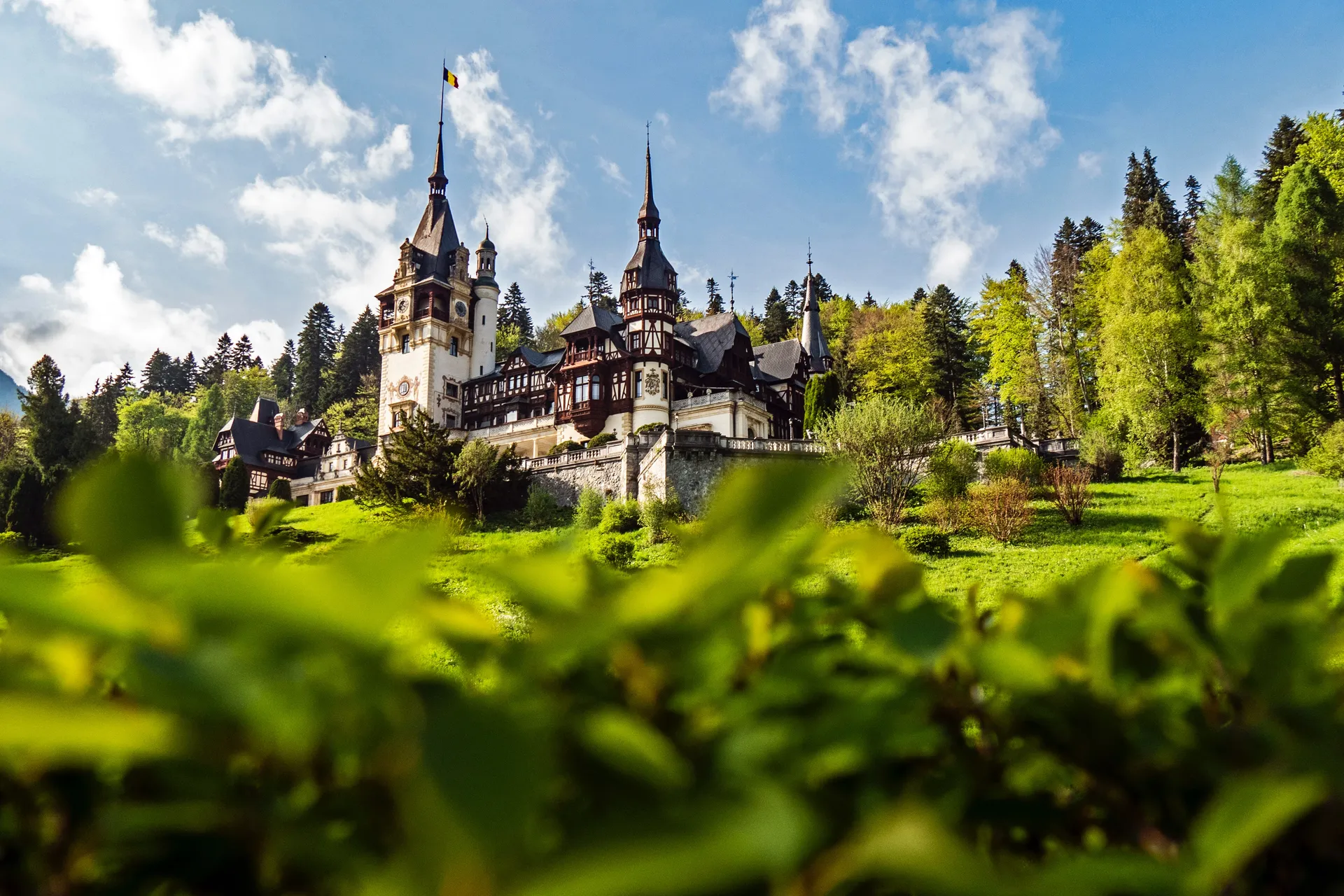
Must-see attractions in Romania include the medieval castles of Transylvania, such as Bran Castle (linked to Dracula legend) and Peles Castle. Explore the charming city of Sibiu, and the capital city of Bucharest. Don't miss the natural beauty of the Carpathian Mountains.
Romanians are friendly and hospitable, and it’s customary to greet with a firm handshake. When visiting churches or religious sites, dress modestly, covering shoulders and knees.
Pack comfortable clothing for exploring, including sturdy shoes for walking. For winter trips, bring warm clothing, as Romania can get cold. Don’t forget sunscreen and a hat for summer travel, especially if you're visiting the countryside or coastal areas.
The best time to visit Romania is during spring (April to June) and autumn (September to October) when the weather is mild and perfect for sightseeing. Summer (July and August) can be warmer, especially in cities.
Romania is generally a safe destination for tourists. However, like in any country, it’s wise to take standard precautions. Be cautious with your belongings in crowded places and avoid isolated areas at night, especially in major cities.
The official language of Romania is Romanian. English is widely understood, particularly in tourist areas and larger cities, but learning a few basic Romanian phrases can enhance your experience, especially in rural areas.
The currency used in Romania is the Romanian Leu (RON). Credit cards are commonly accepted in larger cities, but it’s advisable to carry cash for smaller towns or rural areas. ATMs are readily available in urban locations.
