

Europe Multi-Centres
Europe is a destination that captivates travellers with its diversity, history, and charm. From iconic cities steeped in centuries of culture to breathtaking coastlines and serene countryside. Whether you’re seeking art and architecture, culinary delights, or natural wonders, this continent is the perfect setting for a multi-centre holiday that combines relaxation, adventure, and unforgettable experiences.
Best Regions to Visit in Europe
Cyprus
Cyprus is a destination that perfectly blends sun-soaked beaches, ancient history, and vibrant culture. Known for its warm hospitality and stunning landscapes.
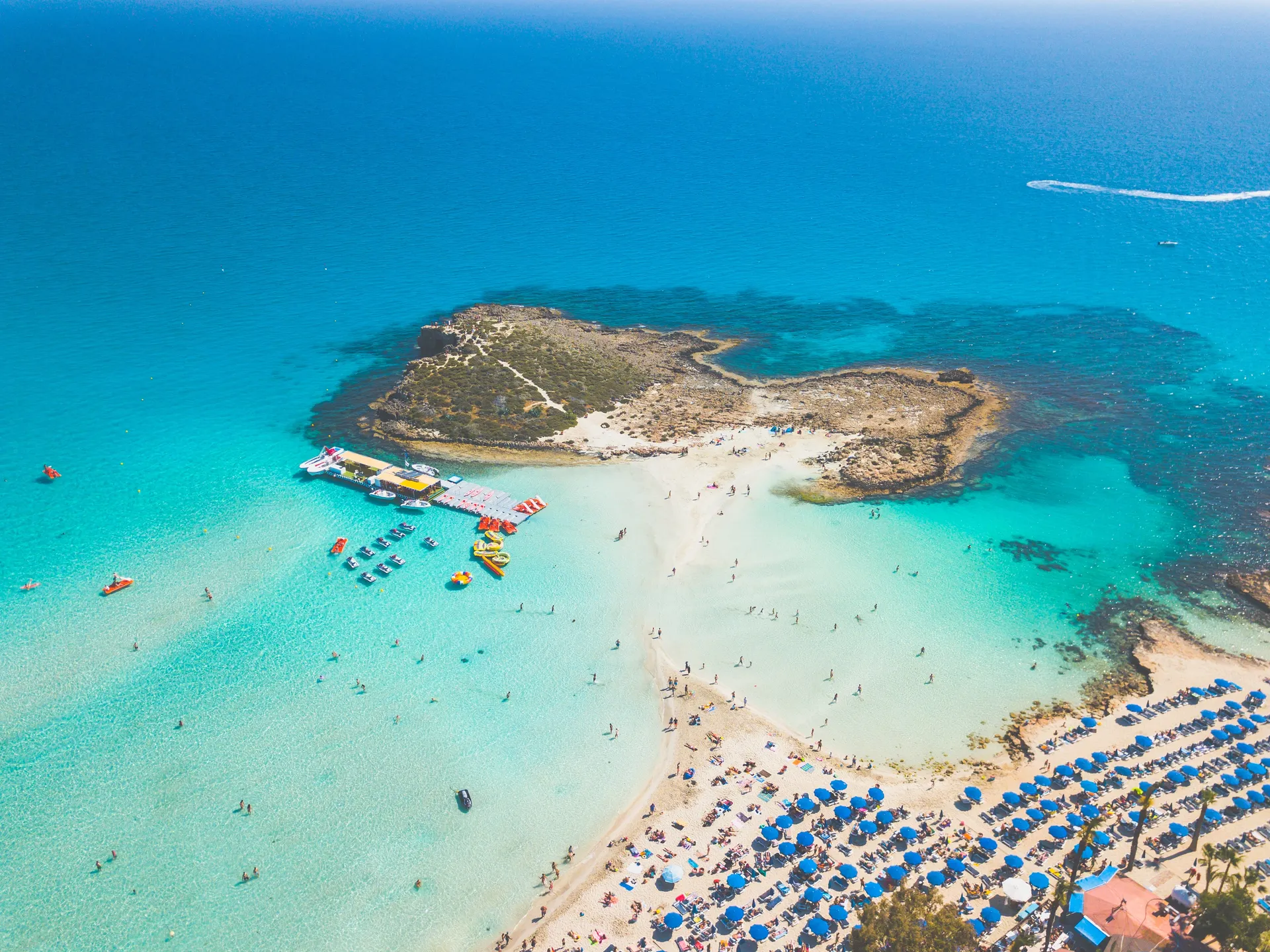
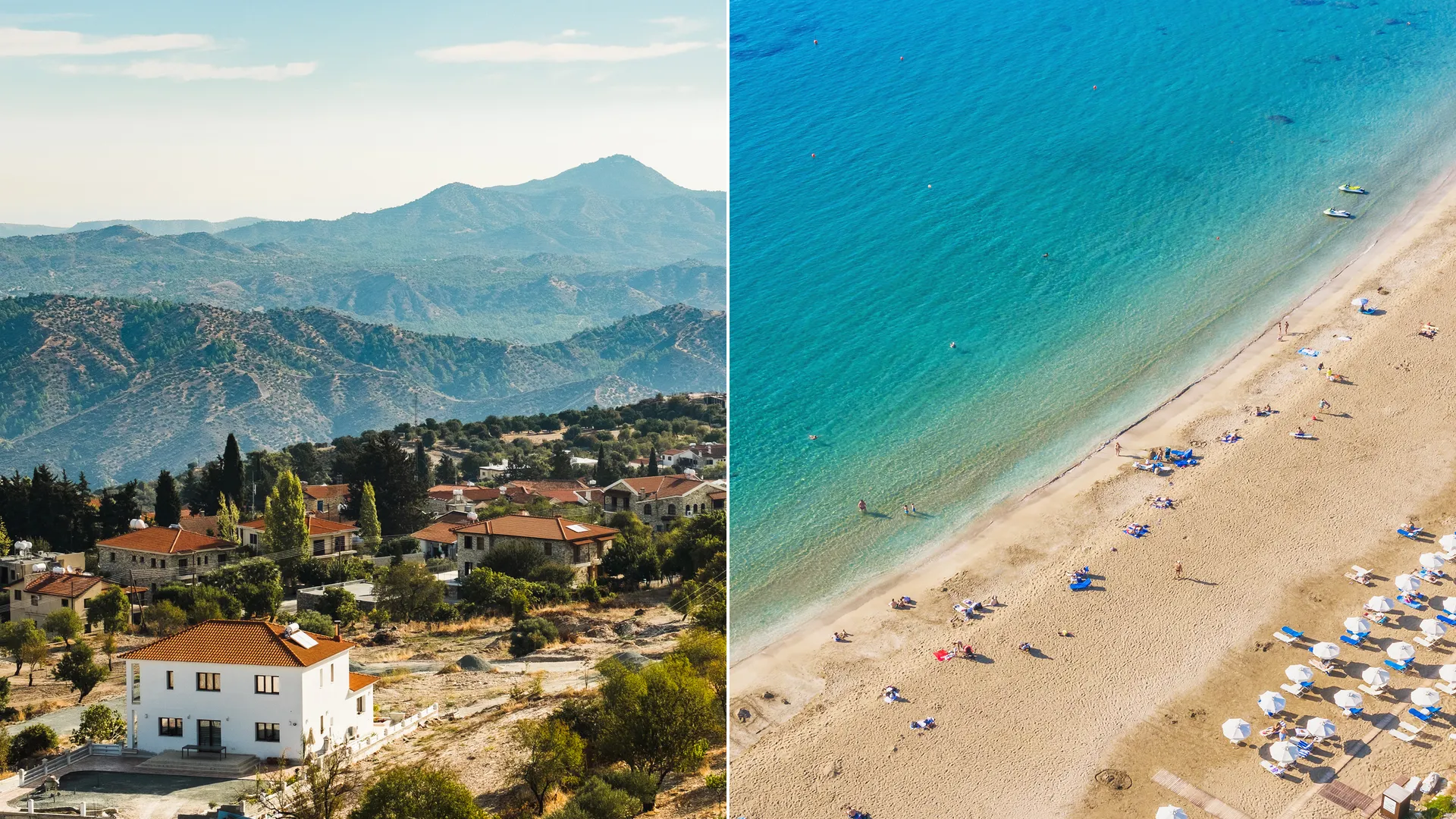
Beaches: From the lively Nissi Beach in Ayia Napa to the serene Fig Tree Bay in Protaras, Cyprus boasts some of the Mediterranean’s most beautiful coastlines.
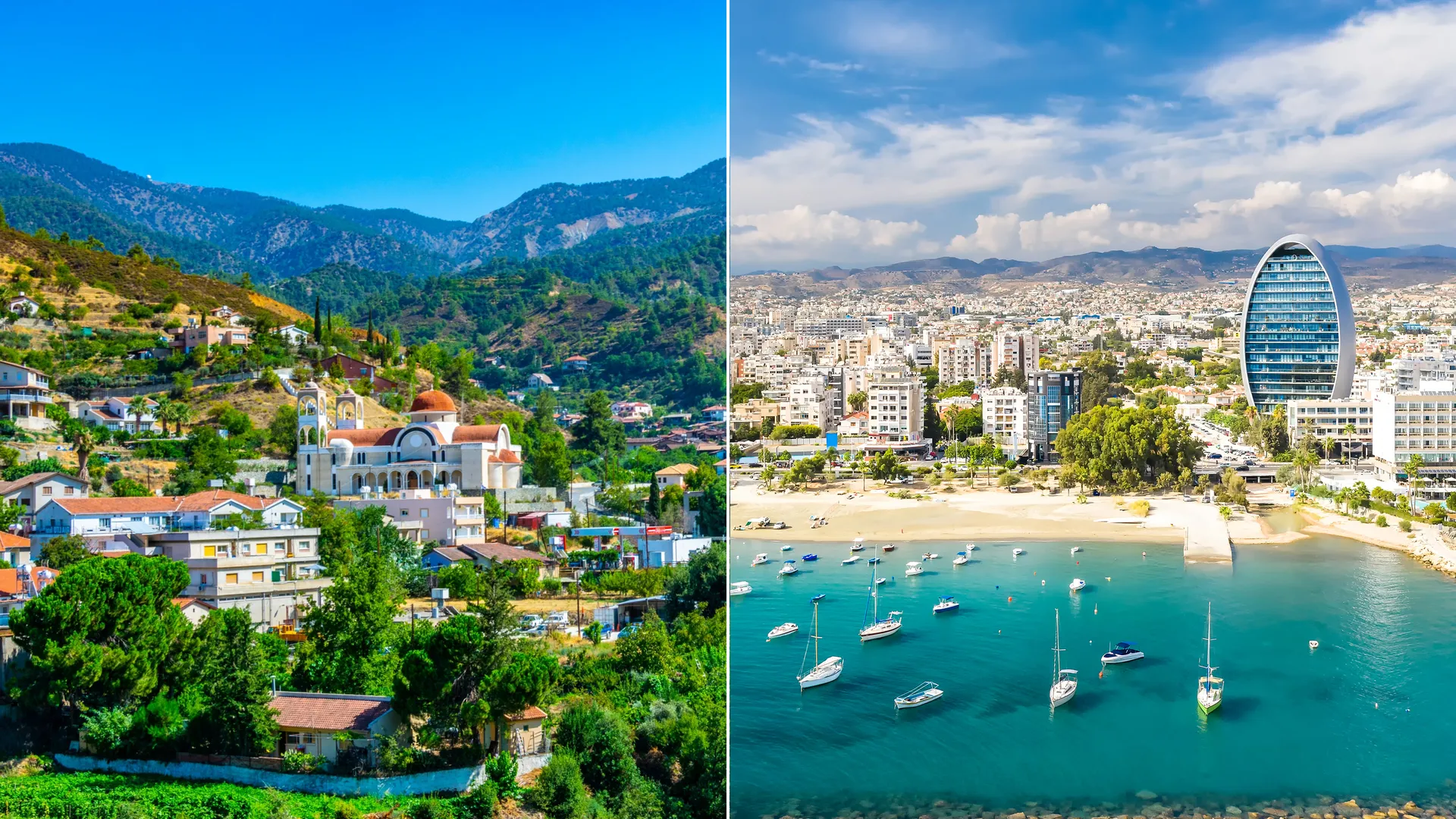
History & Culture: Explore Paphos, a UNESCO World Heritage site, with its ancient mosaics and archaeological treasures. Visit the medieval castles of Limassol and the charming old town of Nicosia.
Nature & Adventure: Hike through the Troodos Mountains, dotted with traditional villages and scenic trails, or enjoy water sports along the coast.
Cuisine: Indulge in Cypriot delicacies like halloumi, souvlaki, and meze, paired with local wines.
Best Time to Visit Europe
The best time to visit varies by region, but here’s a general guide to planning your trip:
Spring (March to May): Mild temperatures and blooming landscapes make it ideal for sightseeing and outdoor activities. Coastal destinations offer early warmth and fewer crowds, perfect for hiking, cycling, and enjoying local traditions.
Summer (June to August): Expect long, sunny days and lively atmospheres. While popular spots can be busy, the Mediterranean vibe is unbeatable - think alfresco dining, music festivals, and bustling towns.
Autumn (September to November): This season is perfect for cultural tours, wine tasting, and exploring historic towns. Vibrant harvest festivals and golden landscapes add to the charm.
Destinations to explore
Whether you're dreaming of sun-soaked Mediterranean beaches, wandering through historic cities, or soaking up breath-taking alpine landscapes, Europe has something for everyone.
Once you have booked, we will send you a comprehensive dossier with all your accommodation details, flight and airport information, country advice and other useful tips such as what to pack and luggage allowance.
Each hotel selected for our multi-centre tours has been meticulously sourced and personally inspected by our team. We are committed to offering you comfortable, carefully curated accommodations in some of the most exceptional locations worldwide.
Whether you're looking to explore vibrant cities, relax on pristine beaches, or immerse yourself in rich cultural heritage, our multi-centre holidays ensure you get the best of both worlds. Enjoy the convenience and luxury of tailored travel, making your journey as memorable as the destinations themselves.
Whether you're embarking on a mini tour, enjoying a beach getaway, or exploring a vibrant city, we ensure you are well taken care of with our dedicated team there to support you every step of the way, making your holiday as smooth and enjoyable as possible.

Your Europe Questions Answered
Find out more about visiting Europe with the answers to these frequently asked questions.
We're here to help
The best time to visit Europe is during spring (April to June) and autumn (September to October) when the weather is mild and pleasant. These seasons offer fewer tourists and more affordable prices compared to the peak summer months. Summer (June to August) can be busy and hot in some destinations.
Each European country has its own customs, but in general, it’s important to be polite, respectful, and aware of local traditions. Dress codes can vary, with more casual dress acceptable in some places and more formal attire expected in others, especially when visiting religious sites. Tipping practices also differ, with some countries including service charges in bills and others expecting a small tip.
A trip to Europe can range from a few days to several weeks, depending on how many countries you wish to visit. A week is ideal for exploring one or two cities, while 2-3 weeks will give you time to visit multiple countries. For a more in-depth experience, a month allows for a slower pace and a deeper immersion into the local cultures.
Europe offers a diverse range of experiences, from rich history and culture to stunning landscapes and vibrant cities. Whether you’re interested in exploring historical sites, enjoying local cuisine, or discovering beautiful natural scenery, Europe has something for everyone. Its unique mix of traditions, landmarks, and modern attractions makes it a top destination for travellers.
Europe is generally very safe for tourists, but as in any destination, it’s important to stay alert, especially in busy tourist areas or when using public transport. Watch your belongings, avoid isolated areas at night. It’s also wise to have travel insurance for peace of mind.
Absolutely! Europe is one of the best destinations for first-time and solo travellers. The continent offers a well-developed infrastructure, excellent public transport, and a range of cultural experiences. Solo travellers will find Europe to be welcoming and easy to navigate.
The majority of European countries use the Euro (EUR), though some others use their own currency. Credit cards are widely accepted across Europe, but it’s always a good idea to carry some cash for smaller purchases, especially in more rural areas or at local markets. ATMs are readily available in most cities.
Europe is a continent with a wide variety of languages. While English is widely spoken in many European countries, particularly in tourist areas, it’s helpful to know a few basic phrases in the local language, speaking even a little of the local language can go a long way in terms of friendliness and respect.