Tibet All Trip Types
Tibet


Your Tibet Questions Answered
Find out more about visiting Tibet with the answers to these frequently asked questions.
We're here to help
Tibetan food includes hearty dishes like momos (dumplings), tsampa (roasted barley flour), and yak butter tea. Influenced by Tibetan, Chinese, and Nepalese cuisine, meals are simple and nourishing, suiting most tastes.
It is generally safe to eat food in Tibet, especially at reputable restaurants and hotels. As with any destination, it’s a good idea to stick to fresh, well-cooked food and drink bottled water.
Yes, travel insurance is highly recommended. It provides coverage for medical emergencies, trip cancellations, and lost luggage, ensuring peace of mind during your travels.
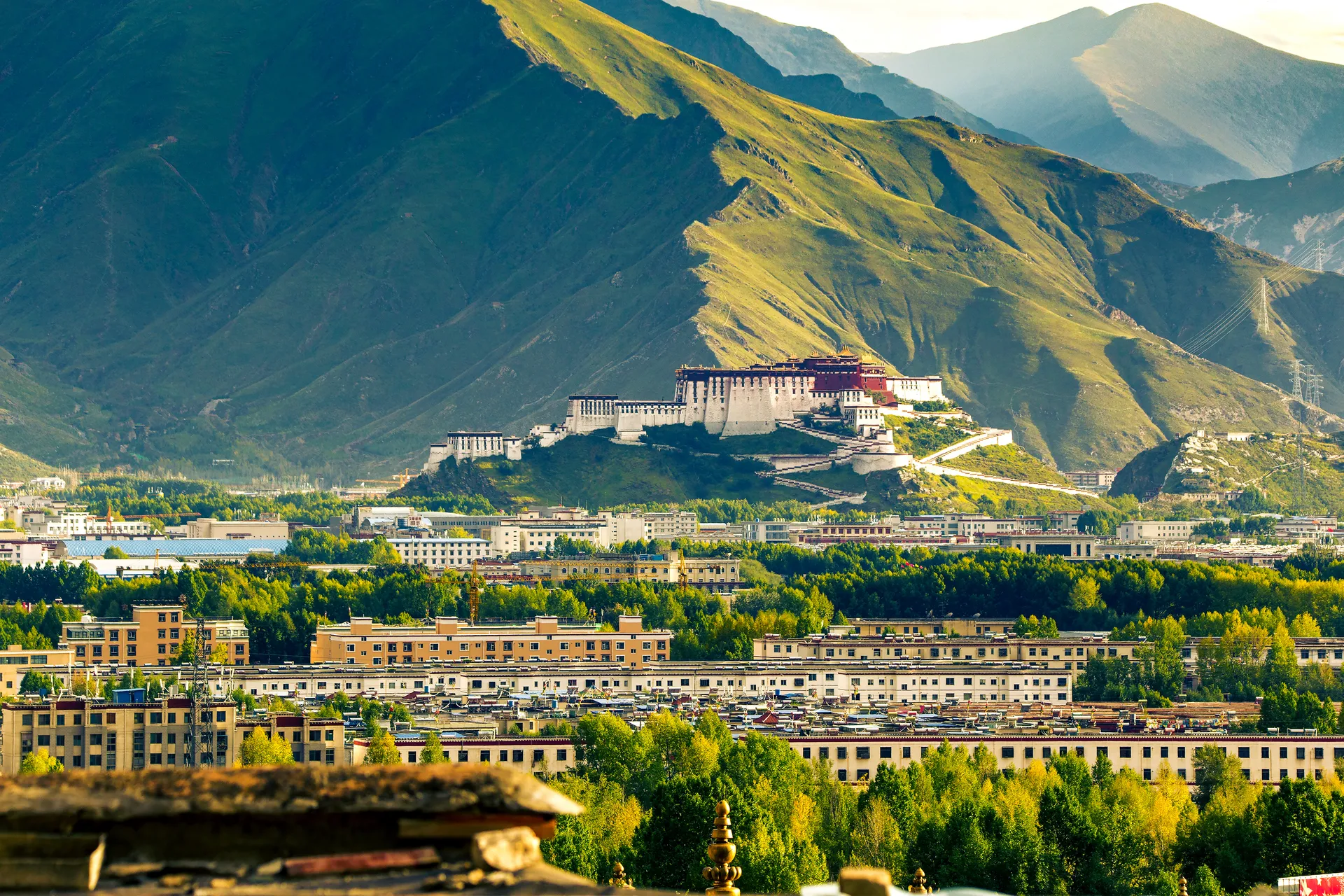
Must-see attractions in Tibet include the Potala Palace and Jokhang Temple in Lhasa, the sacred Yamdrok Lake, and the stunning monasteries of Tashilhunpo and Sera.
When visiting Tibet, respect local customs by dressing modestly and being mindful at religious sites. Avoid touching sacred objects, taking photos in monasteries without permission, and be conscious of not disrupting prayer ceremonies.
Pack warm layers, even in summer, as temperatures can drop significantly at night. Bring comfortable walking shoes, a hat, sunglasses, sunscreen, and altitude sickness medication if needed. Modest clothing is recommended for visiting temples.
The best times to visit Tibet are from April to October, when the weather is mild, and most areas are accessible. Summer (June to August) offers the warmest temperatures, while autumn (September to October) provides clear skies and great mountain views.
Tibet is generally safe for travellers. However, independent travel is restricted, and all foreign visitors must join an organised tour. It’s important to follow local regulations and respect cultural practices.
Tibetan is the primary language, with Mandarin Chinese also widely spoken. In tourist areas, some guides and hotels generally have English-speaking staff.
The currency in Tibet is the Chinese Yuan (CNY), also known as Renminbi (RMB). Cash is essential in remote areas, while credit cards may be accepted at larger hotels and restaurants.
