South Korea All Trip Types
South Korea
Your South Korea Questions Answered
Find out more about visiting South Korea with the answers to these frequently asked questions.
We're here to help
Korean cuisine is flavourful and diverse, with dishes like kimchi (fermented vegetables), bibimbap (rice with mixed vegetables and meat), and bulgogi (marinated grilled beef). Street food such as tteokbokki (spicy rice cakes) is also popular, and meals often include a variety of side dishes.
It is generally safe to eat food in South Korea, especially at reputable restaurants and hotels. As with any destination, it’s a good idea to stick to fresh, well-cooked food and drink bottled water.
Yes, travel insurance is highly recommended. It provides coverage for medical emergencies, trip cancellations, and lost luggage, ensuring peace of mind during your travels.
Must-see attractions in South Korea include the vibrant capital of Seoul with its historic palaces and bustling markets, the ancient city of Gyeongju, the Demilitarised Zone (DMZ), and the coastal city of Busan.
A bow or slight nod is common when greeting, and it's polite to remove your shoes before entering certain traditional places.
Pack according to the season: light clothing for summer (June to August) and warmer layers for winter (December to February). Bring comfortable shoes for exploring, and if you’re visiting temples, modest clothing is recommended.
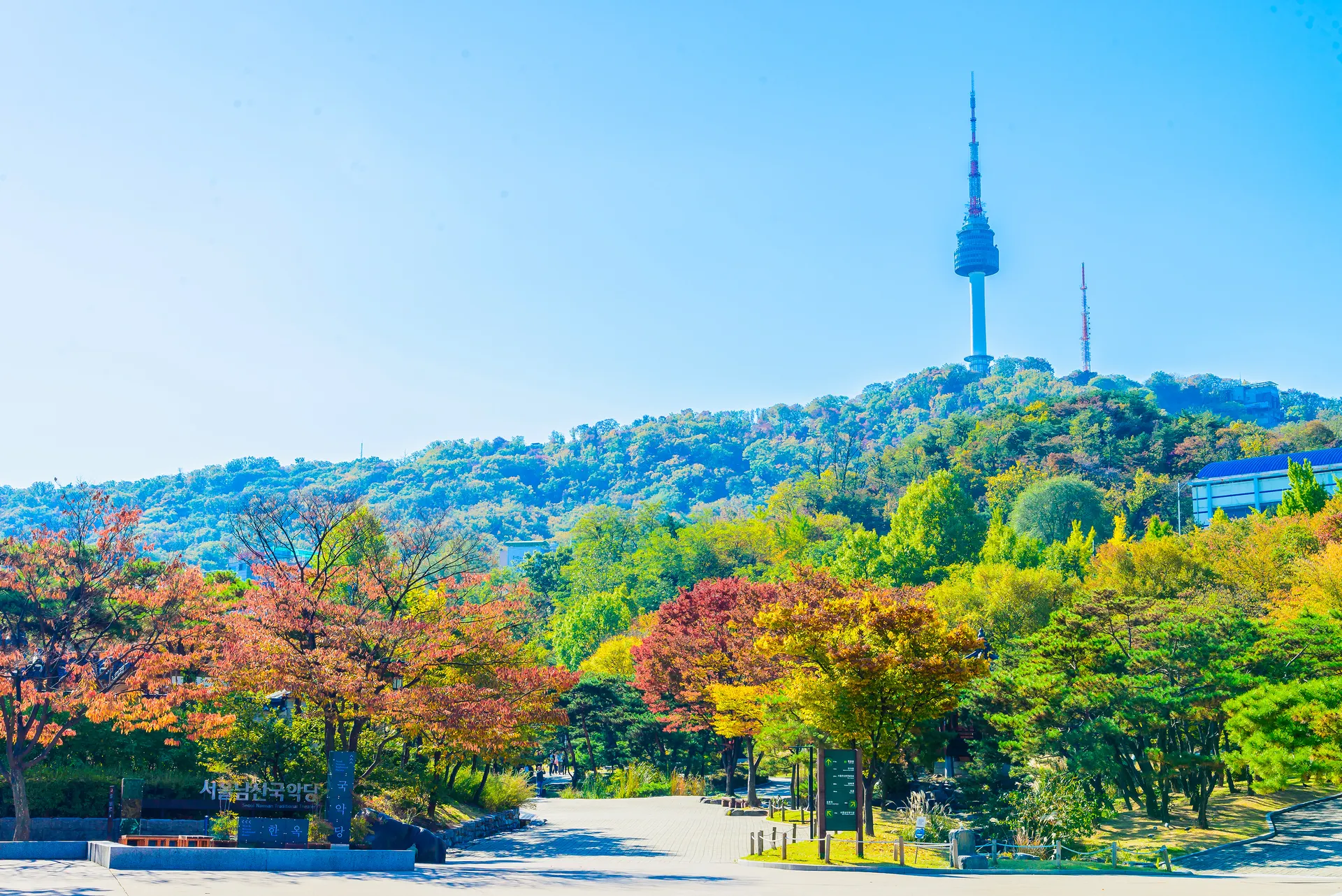
The best times to visit South Korea are in spring (April to June) and autumn (September to November), when the weather is mild and the country’s natural beauty is at its peak, especially with cherry blossoms and autumn leaves.
South Korea is one of the safest countries for tourists. However, as always, be sure to take basic precautions like safeguarding your belongings and being aware of your surroundings.
The official language is Korean. While English is taught in schools and commonly used in tourist areas, it’s useful to learn a few basic Korean phrases to enhance your experience.
The currency used in South Korea is the South Korean Won (KRW). Credit cards are widely accepted in major cities, but it’s helpful to carry some cash, especially in more rural areas or small shops.
