Japan All Trip Types
Japan



Your Japan Questions Answered
Find out more about visiting Japan with the answers to these frequently asked questions.
We're here to help
Japanese cuisine is diverse, from sushi and ramen to tempura and traditional kaiseki meals. With fresh ingredients and regional specialties, there’s something for every palate, whether you’re a seafood lover or prefer vegetarian options.
It is generally safe to eat food in Japan, especially at reputable restaurants and hotels. As with any destination, it’s a good idea to stick to fresh, well-cooked food and drink bottled water.
Yes, travel insurance is highly recommended. It provides coverage for medical emergencies, trip cancellations, and lost luggage, ensuring peace of mind during your travels.
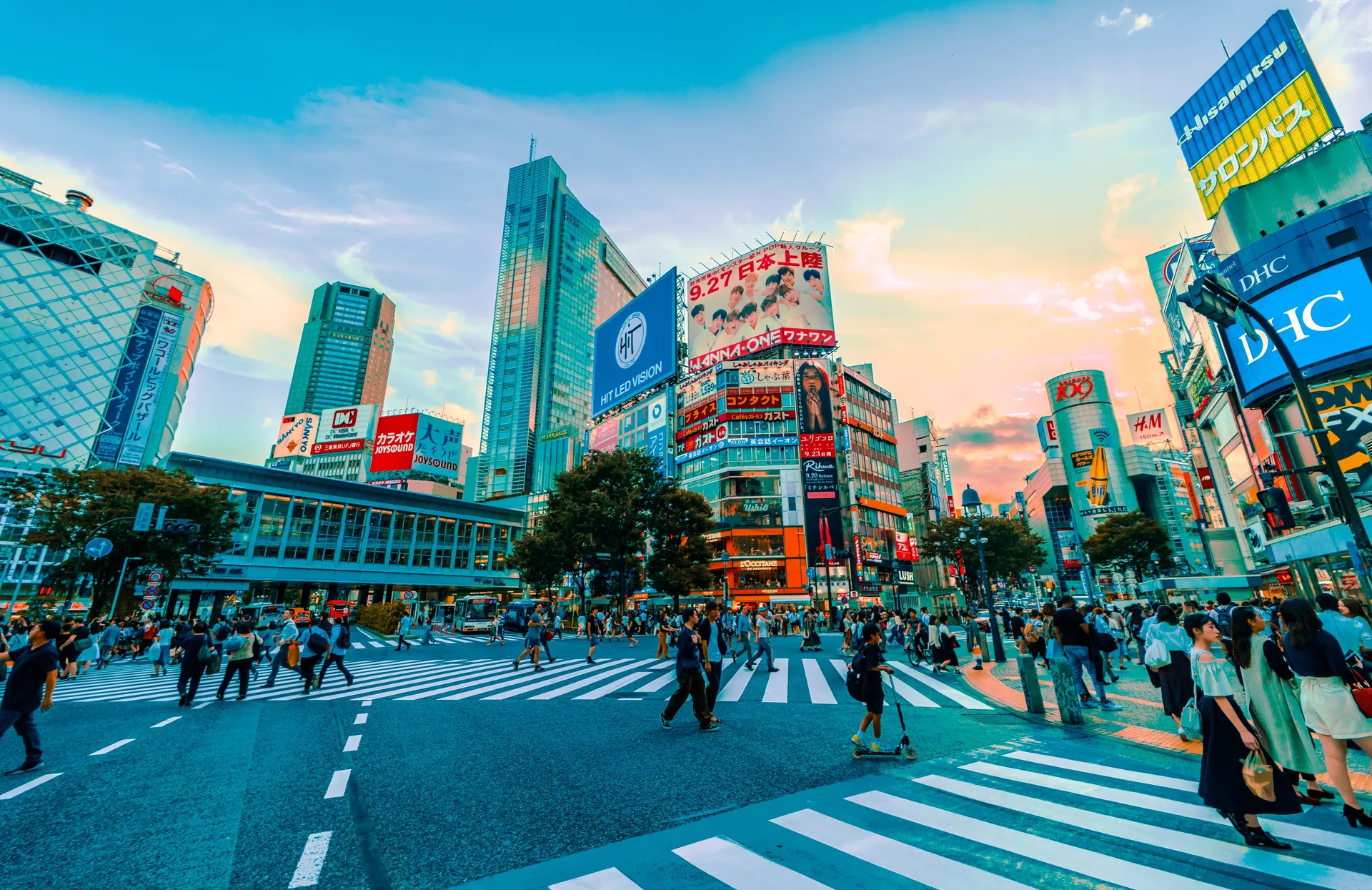
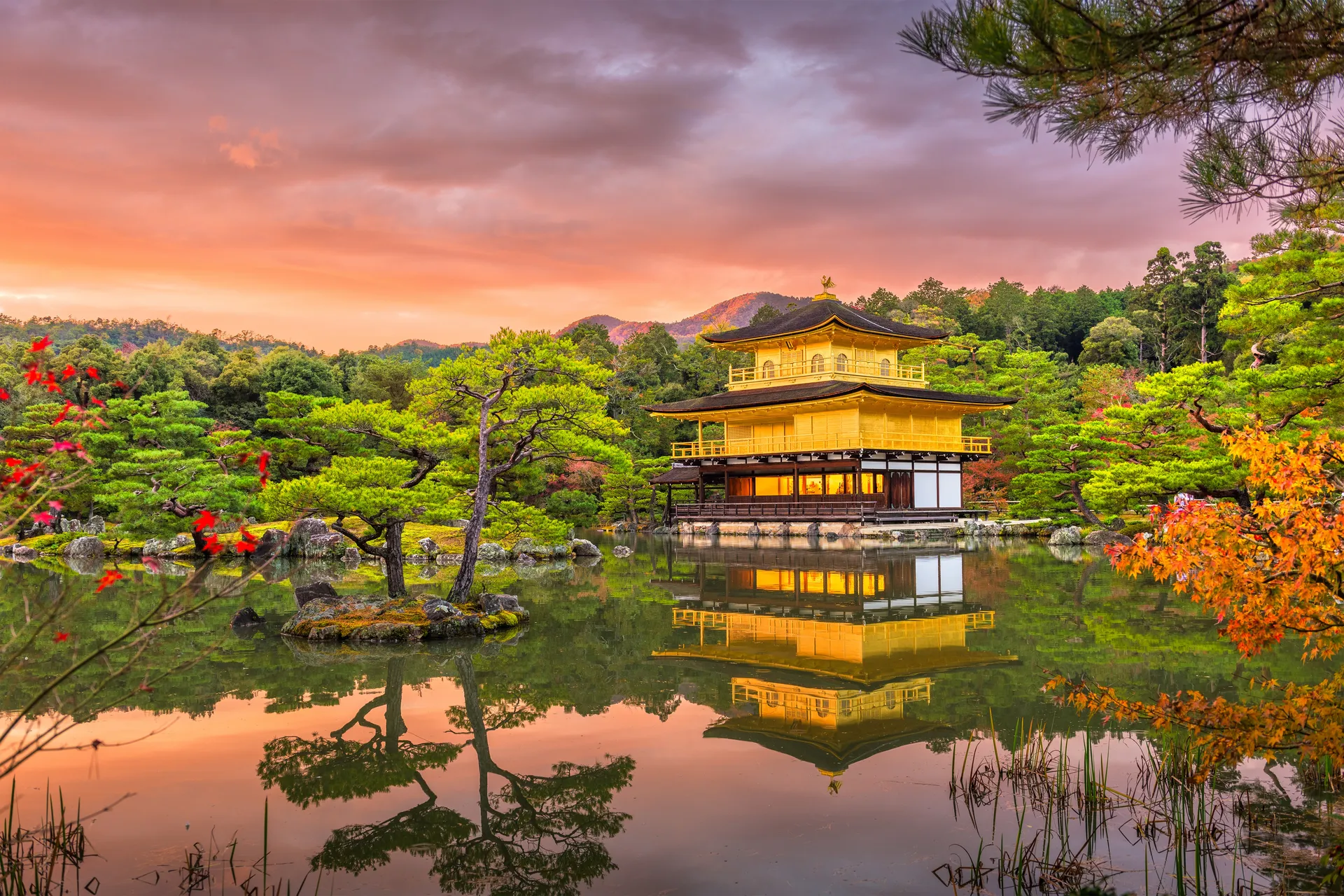
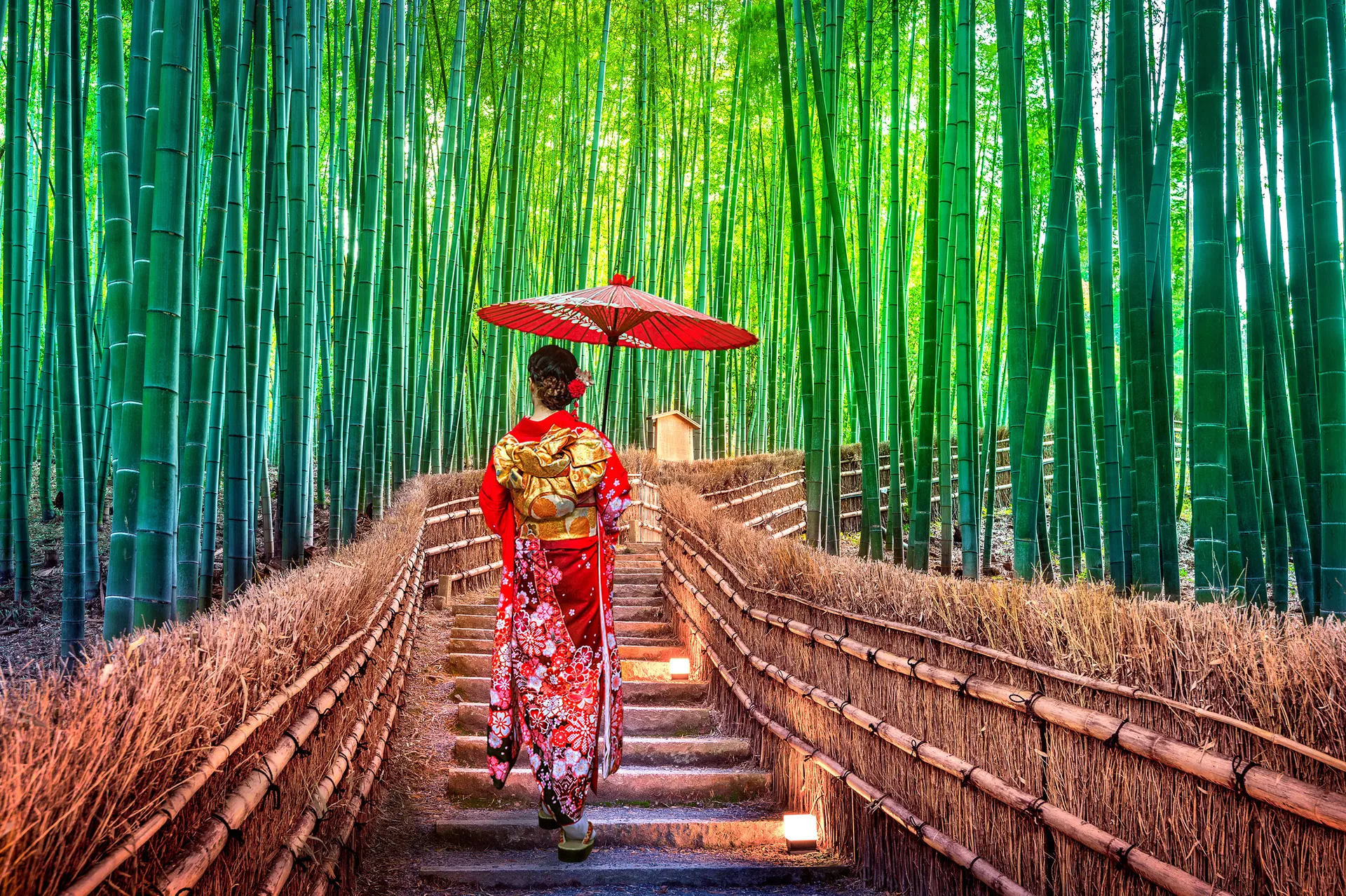
Japan’s must-see attractions include the historic temples of Kyoto, the bustling city of Tokyo, and the iconic Mount Fuji. Explore the ancient city of Nara, and the hot springs of Hakone for a blend of nature and culture.
In Japan, bowing is a common form of greeting. It’s also polite to remove your shoes when entering someone’s home or certain traditional establishments.
Pack comfortable shoes for walking and lightweight clothing in layers, as weather can vary. Bring a small bag for daily items, and consider carrying a light rain jacket. For temple visits, it’s helpful to have slip-on shoes, as many require removing footwear.
The best times to visit Japan are spring (March to May), when cherry blossoms are in bloom, and autumn (September to November), when the fall foliage is vibrant. These seasons offer pleasant weather for sightseeing.
Japan is very safe for tourists, with low crime rates and a high level of public courtesy. Even so, it’s best to take standard precautions, such as keeping an eye on personal belongings and respecting local customs and etiquette.
The official language is Japanese. In major tourist areas, some people speak English, and you’ll often find English signage. Learning a few basic Japanese phrases can help enhance your experience, especially when visiting rural areas.
The currency used in Japan is the Japanese Yen (JPY). Credit cards are widely accepted in urban areas and at most hotels and restaurants, but it’s advisable to carry cash for small purchases, especially in rural areas and smaller establishments.
