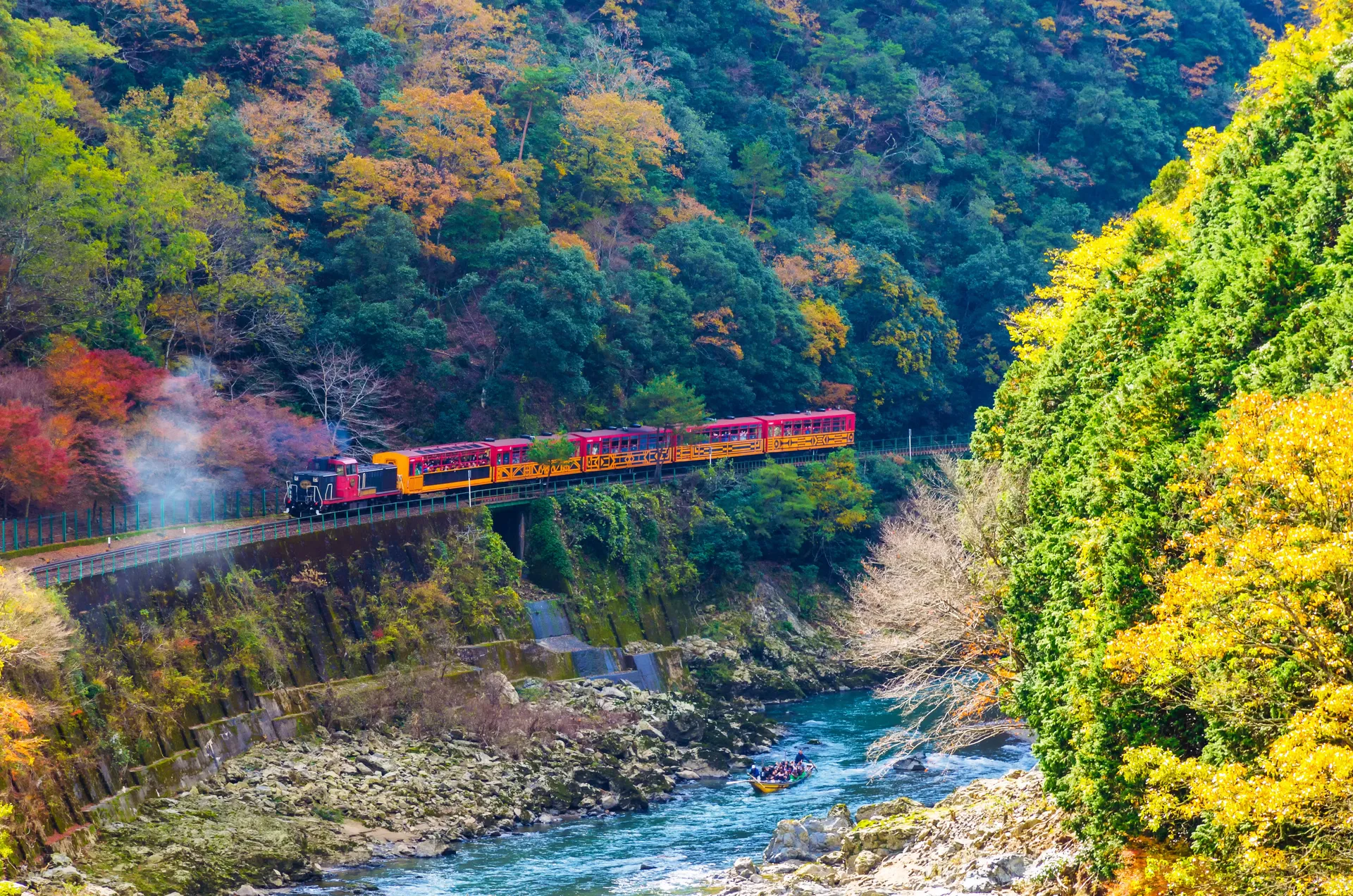
East Asia Rail Journeys
Rail journeys offer a unique way to explore East Asia, allowing you to experience the diverse landscapes and rich cultural heritage of each country. Embark on a journey that blends adventure, cultural immersion, and relaxation across some of the most captivating destinations in the region. East Asia, with its extensive rail network, is the perfect destination for rail travel.
Best places to visit in East Asia
China
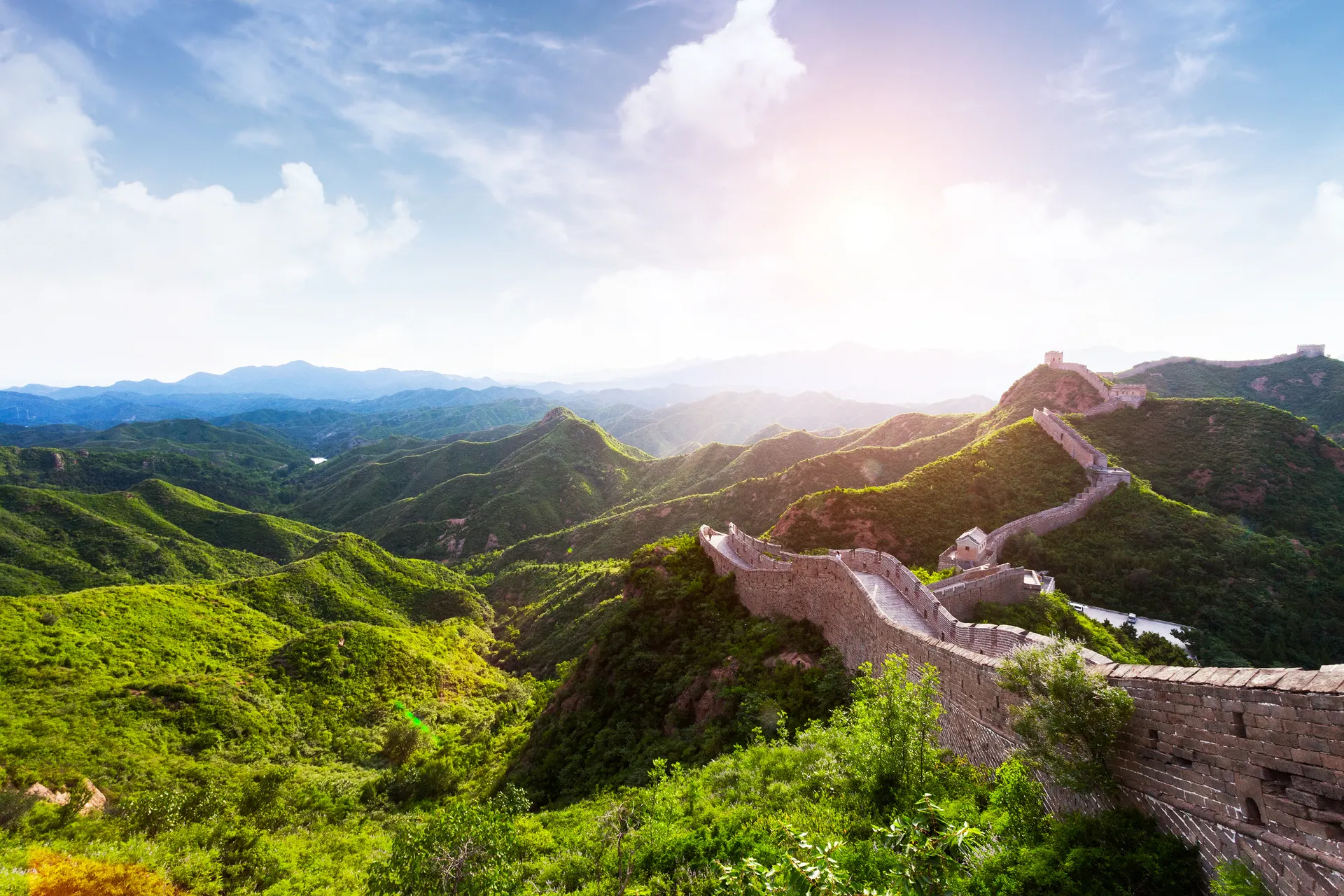
Beijing: Discover iconic landmarks like the Great Wall, Forbidden City, and Tiananmen Square. Enjoy the vibrant street life and delicious local cuisine.
Shanghai: A bustling city with its modern skyline, historic Bund, and vibrant cultural scene. Don't miss the beautiful Yu Garden and the bustling Nanjing Road.
Tibet
Lhasa: Experience the unique Tibetan culture and stunning landscapes on the China-Tibet train journey. Visit the Potala Palace and Jokhang Temple for a deep dive into Tibetan Buddhism.
Japan
Tokyo: Discover the capital's mix of modern attractions and traditional temples.
Kyoto: Visit historic temples, beautiful gardens, and traditional tea houses. Explore the iconic Fushimi Inari Shrine.
Best time to visit East Asia
The climate in East Asia varies by region, but below is a general guide:
Spring (March to May): Experience the beauty of cherry blossoms and mild temperatures, perfect for sightseeing and outdoor activities.
Summer (June to August): Enjoy warm weather, ideal for coastal adventures and exploring lively cities.
Autumn (September to November): Take advantage of cooler temperatures and stunning fall foliage, making it a great time for cultural tours and scenic journeys.
East Asia’s diverse landscapes and rich cultural heritage offer something special in every season, ensuring a memorable rail journey year-round.
Destinations to explore
A rail journey through East Asia offers a seamless way to explore numerous destinations, showcasing ancient temples, bustling cities, and breathtaking landscapes.
Where possible we have secured a limited number of places without a single Supplement on each escorted tour. These are strictly subject to availability and once they are all booked a supplement will apply.
All of our English speaking local guides are passionate about their country and will accompany you from the moment you arrive in your destination, throughout your escorted tour and right until your departing flight home.
All the hotels chosen for these escorted tours have been personally sourced and inspected by us. We pride ourselves on offering you comfortable, handpicked accommodation in some of the best locations around the world.
Once you have booked, we will send you a comprehensive dossier with all your accommodation details, flight and airport information, country advice and other useful tips such as what to pack and luggage allowance.


Your East Asia Questions Answered
Find out more about visiting East Asia with the answers to these frequently asked questions.
We're here to help
The best time to visit East Asia is during spring (March to May) and autumn (September to November), when the weather is mild, and the landscapes are especially beautiful. Spring is known for cherry blossoms in Japan and Korea, while autumn offers stunning fall foliage. Summer can be humid in some countries, while winter can be colder in northern regions, making spring and autumn the most pleasant times to visit.
East Asia has a variety of cultural norms. In China, Japan, and Korea, it’s polite to bow when greeting or thanking someone, and always use both hands when giving or receiving gifts. It’s also respectful to remove your shoes before entering someone’s home or certain establishments. In general, try to avoid speaking loudly in public and always show respect for elders.
A week or two is enough to explore one or two countries in East Asia, such as visiting Tokyo and Kyoto in Japan or Beijing and Xi'an in China. If you want to travel across the region, 2-4 weeks will allow you to explore multiple destinations and immerse yourself in different cultures.
East Asia is a captivating region known for its rich history, diverse cultures, stunning landscapes, and cutting-edge technology. From the ancient Great Wall of China to the futuristic skyline of Tokyo, the region offers an incredible mix of tradition and modernity. Whether you’re looking for ancient temples, vibrant cities, or natural beauty, East Asia is a unique and exciting destination.
East Asia is generally very safe for travellers. However, as in any destination, it’s important to stay aware of your surroundings, especially in crowded areas or tourist spots. Keep your belongings secure, use reputable transport options, and follow local guidelines. It’s also wise to have travel insurance in case of unexpected situations.
Yes, East Asia is fantastic for first-time and solo travellers. Many cities in the region are safe, well-connected, and offer a variety of cultural, historical, and modern experiences. East Asia has something for everyone.
In East Asia, most countries have their own currency. ATMs are widely available in urban areas, and credit cards are accepted in most hotels, restaurants, and shops. It’s a good idea to carry some cash for smaller transactions, especially in rural areas or smaller towns.
hile English is understood in major cities and tourist areas, it's helpful to learn a few basic phrases in the local language to enhance your experience, especially in more rural areas.
