Antigua All Trip Types
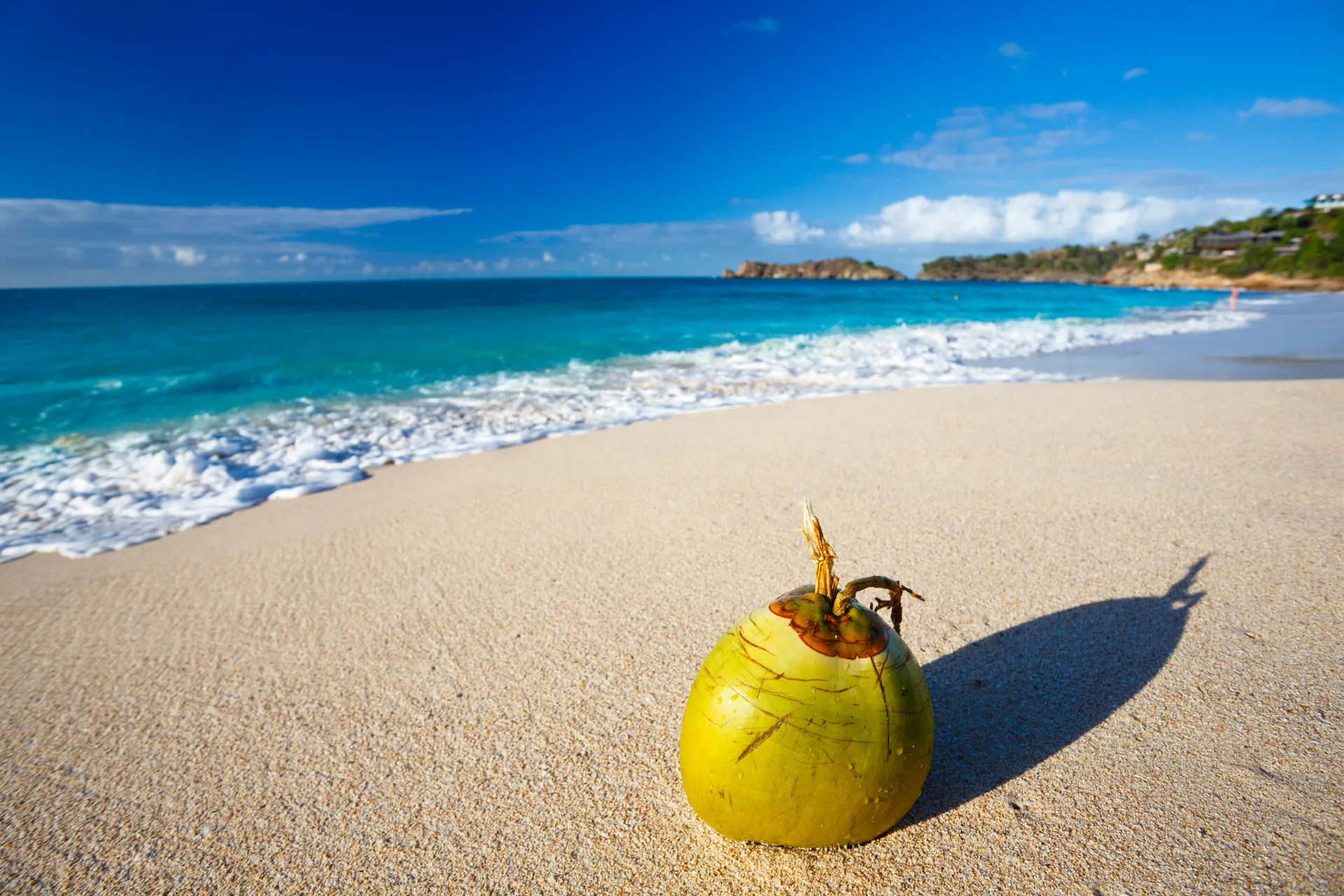
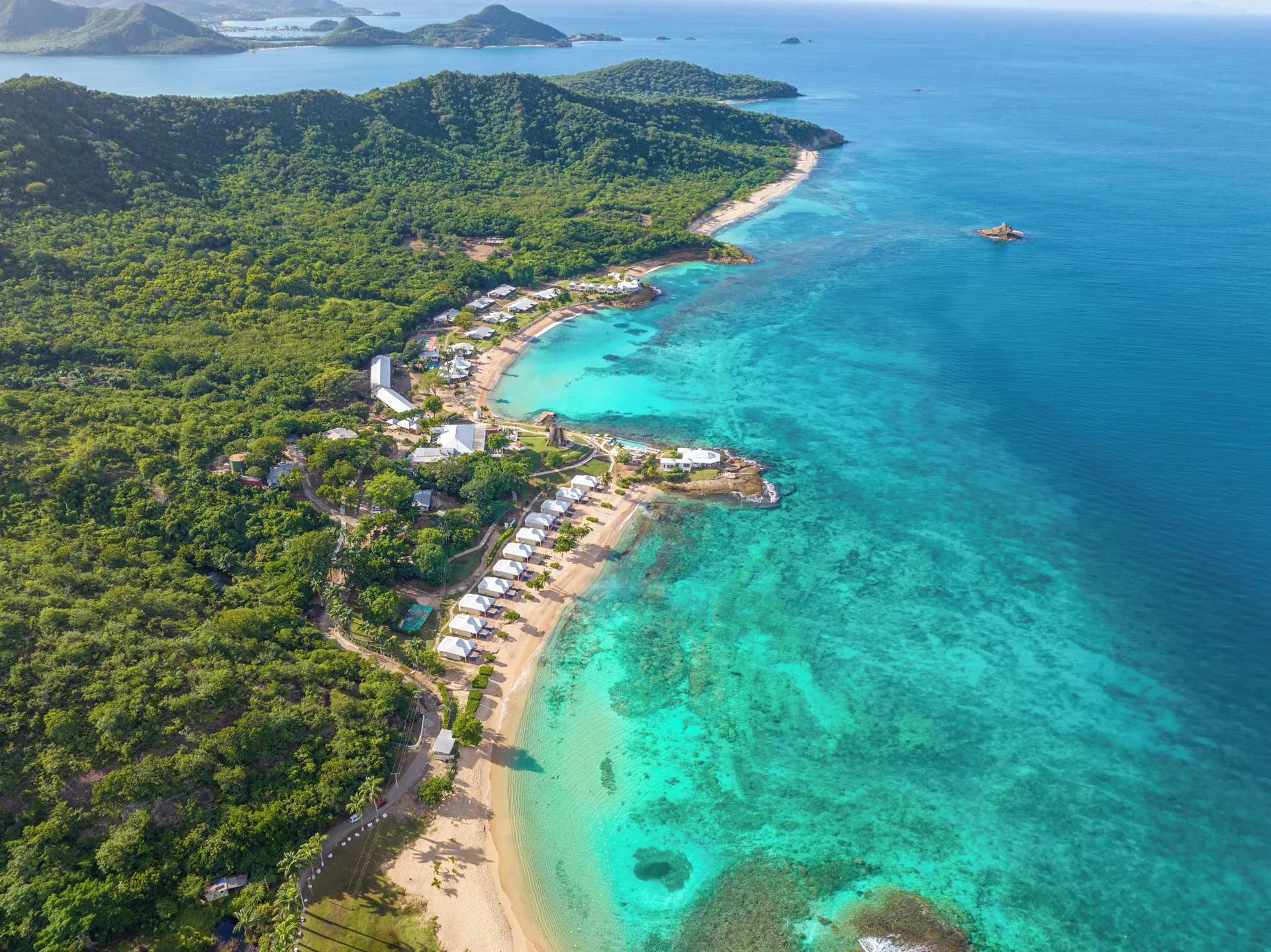
Antiqua is a melting pot of stunning pristine white sandy beaches, idyllic climate, glorious sunsets, laid-back culture and crystal clear waters. With a beach reputably for every day of the year, you will be spoilt for choice with the selection available, from large bays to small secluded coves.
Popular hotels in Antigua

£1,344
pp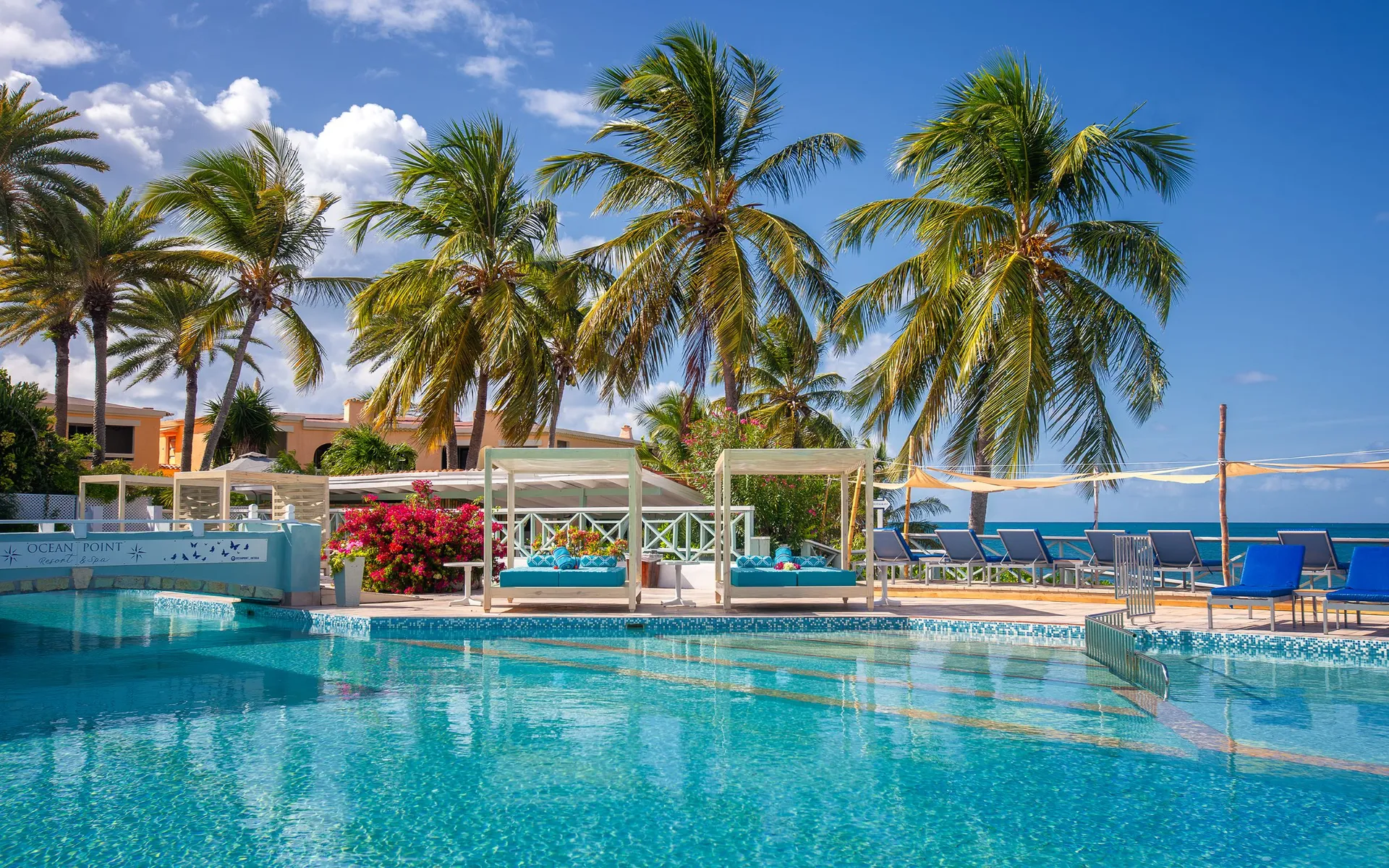
£1,147
pp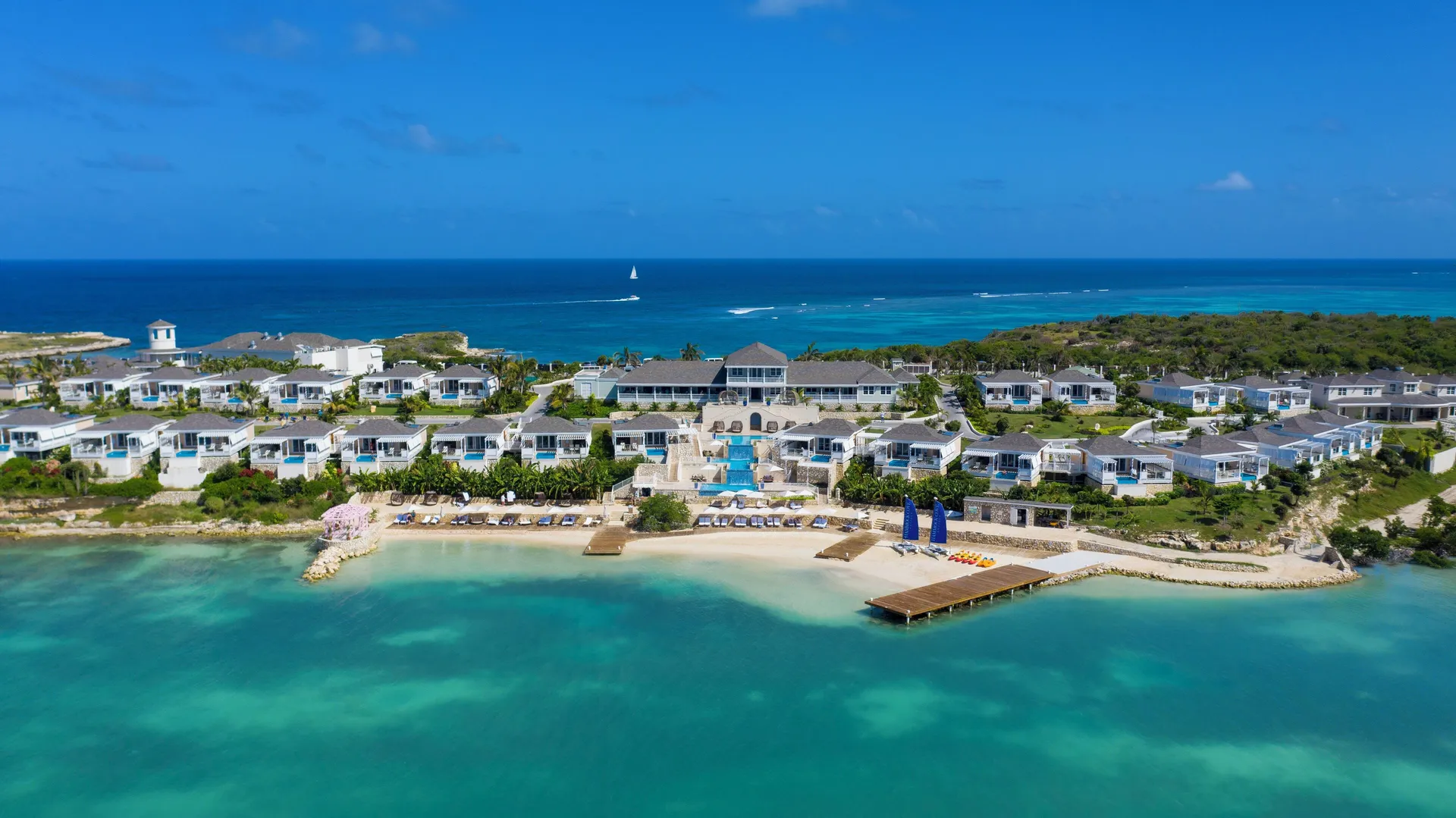

£3,513
pp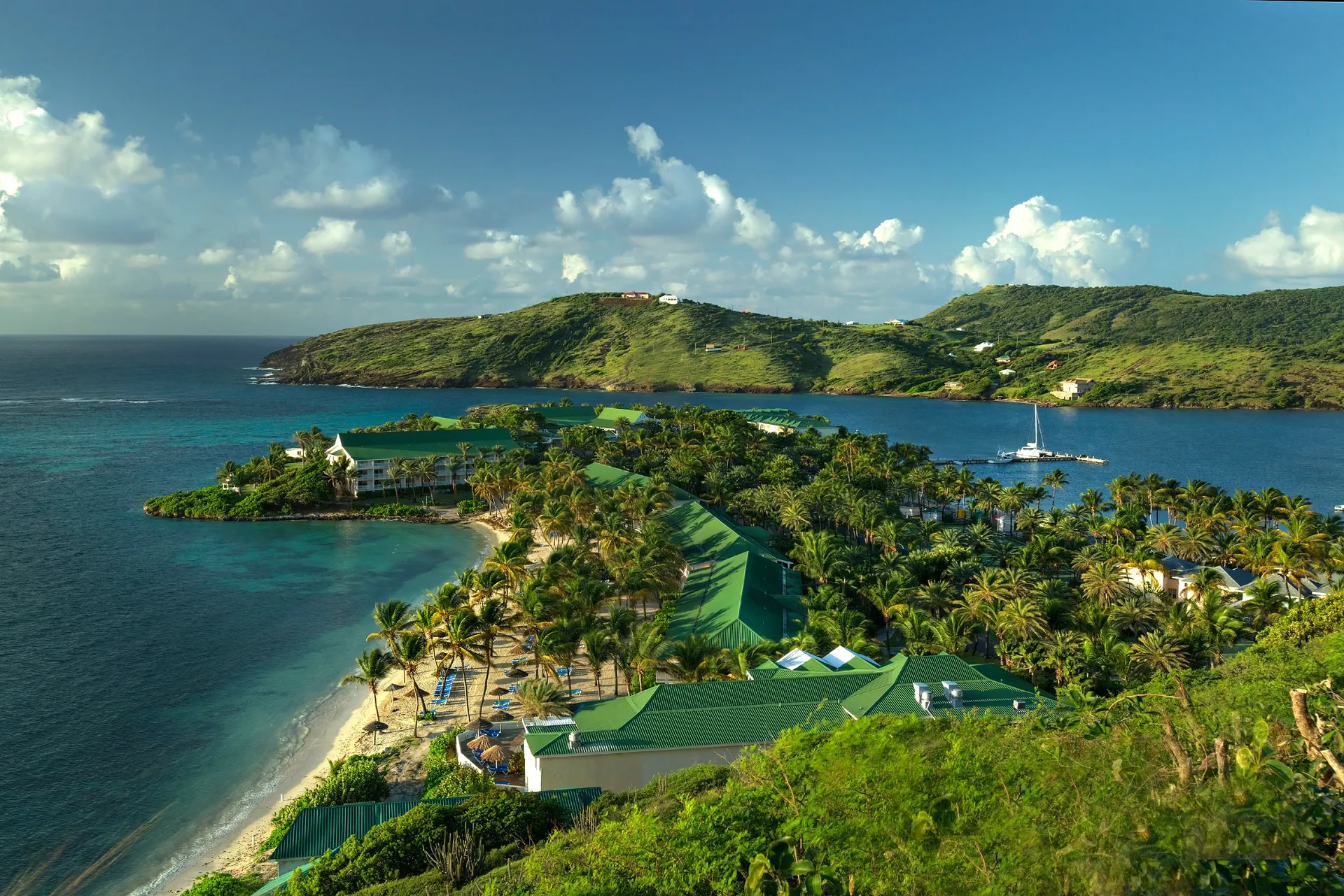
£1,447
pp
Your Antigua Questions Answered
Find out more about visiting Antigua with the answers to these frequently asked questions.
We're here to help
Antiguan cuisine features fresh seafood, tropical fruits, and Caribbean spices. Try local dishes like fungie (cornmeal with okra), pepperpot stew, and fresh lobster. Street vendors and beach shacks offer tasty local snacks.
The food in Antigua is generally safe to eat. Stick to freshly prepared meals from reputable restaurants or busy food stalls. Tap water is treated, but many visitors prefer bottled water, which is readily available.
Yes, travel insurance is recommended when visiting Antigua. It can cover medical emergencies, trip cancellations, lost luggage, and other unexpected events for peace of mind during your trip.
Must-see attractions in Antigua include Nelson’s Dockyard, the historic English Harbour, and the stunning views from Shirley Heights. Relax on one of the island’s 365 beaches, and explore the vibrant St. John’s market.
Greet people politely with a friendly “Good morning” or “Good afternoon.” Beachwear is for the beach, try to cover up when in towns or restaurants. Tipping (10–15%) is customary in restaurants if service isn’t included.
Pack lightweight, breathable clothing, swimwear, a hat, sunglasses, and plenty of sunscreen. Comfortable sandals or walking shoes are useful for exploring, and a light jacket may be handy for cooler evenings.
The best time to visit Antigua is from December to April during the dry season when the weather is warm and sunny, perfect for beach activities and outdoor adventures. May to November is the wetter season, with fewer crowds.
Yes, Antigua is generally safe for tourists. Like any destination, it’s wise to take standard precautions, such as keeping valuables secure, avoiding isolated areas at night, and using reputable transportation services.
English is the official language of Antigua, making communication easy for most travellers. You may also hear Antiguan Creole spoken among locals in informal settings.
The currency used in Antigua is the Eastern Caribbean Dollar (XCD). US Dollars are also widely accepted, especially in tourist areas. Credit and debit cards are commonly used in hotels, restaurants, and shops.
