Morocco All Trip Types
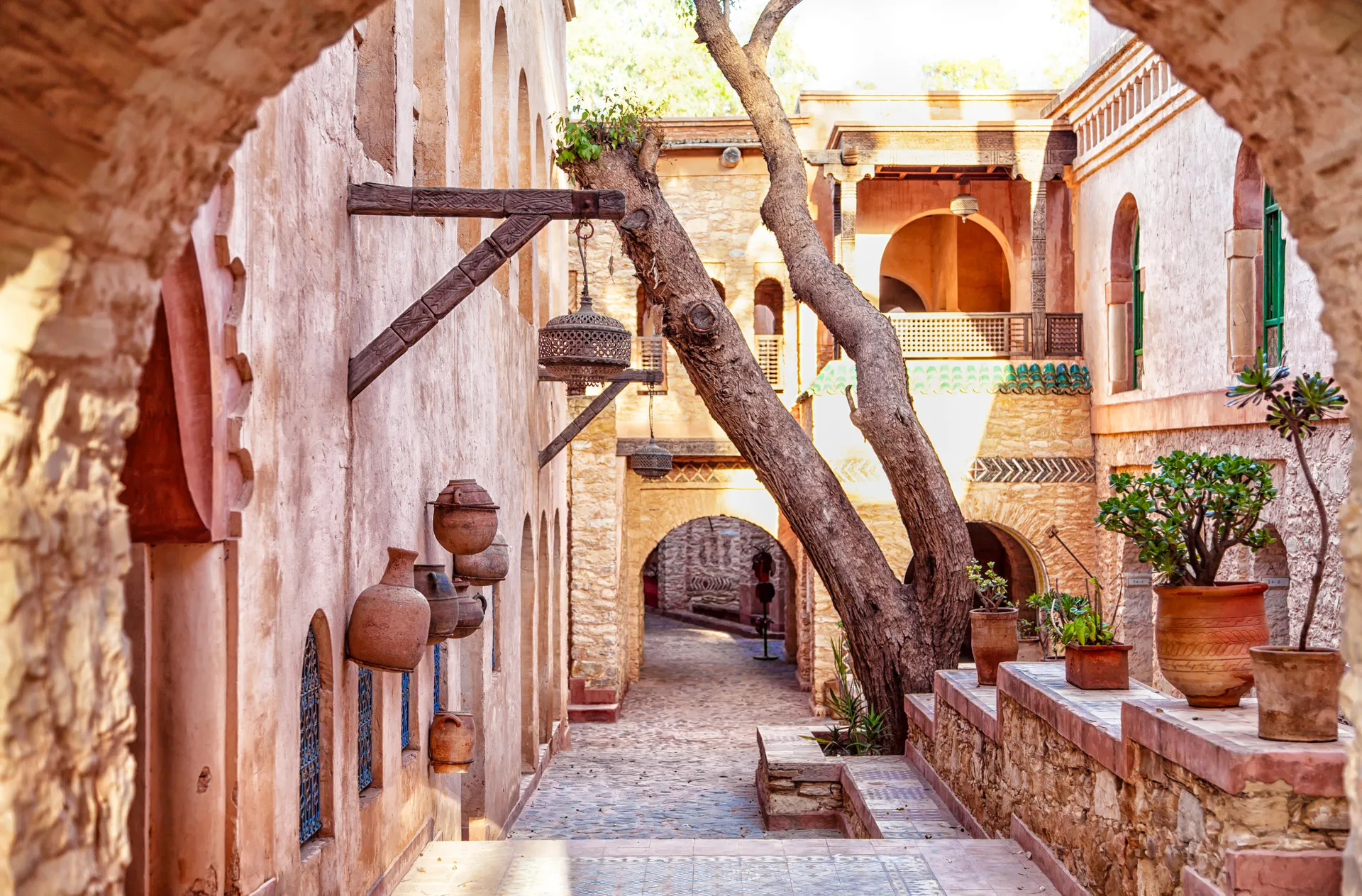
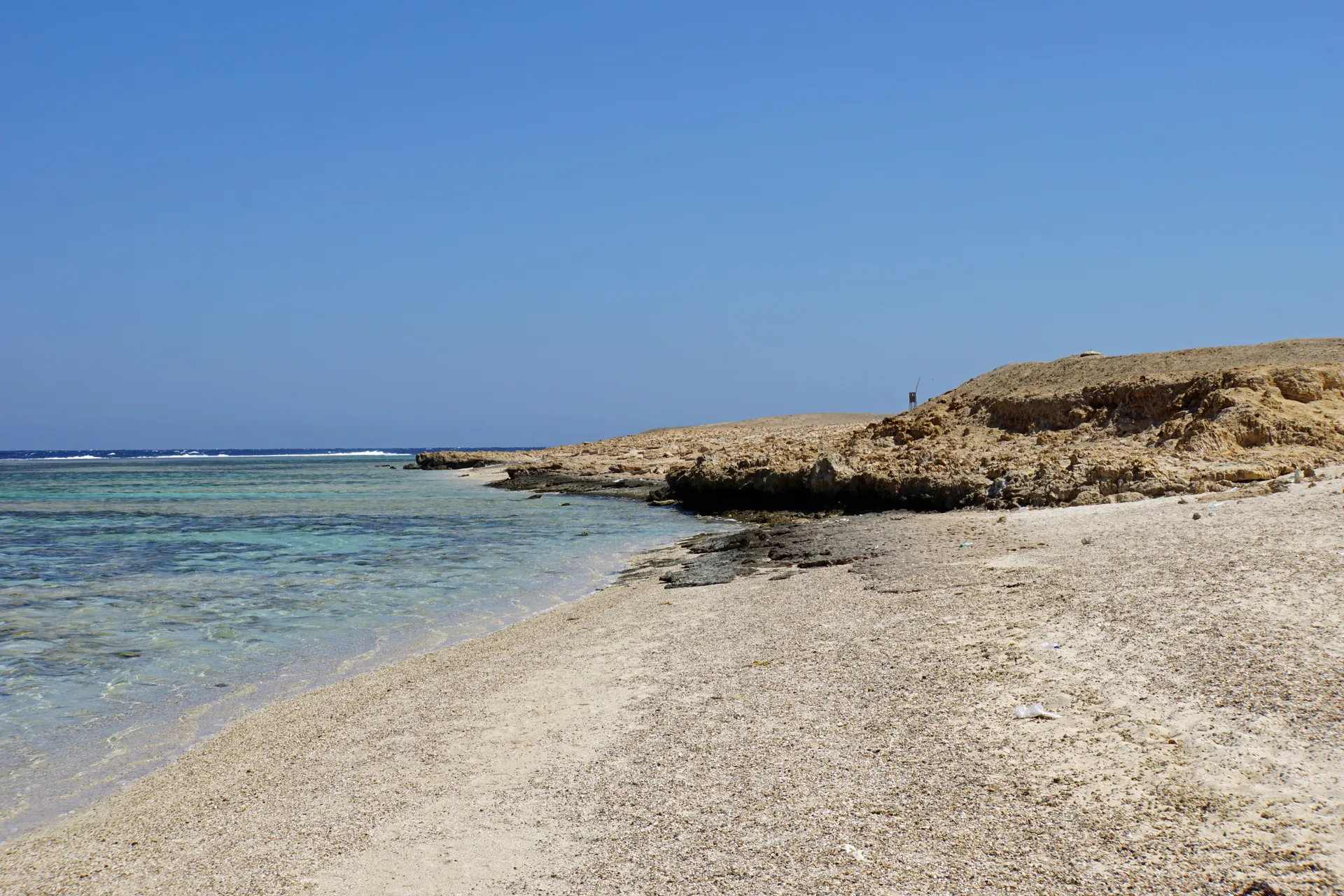
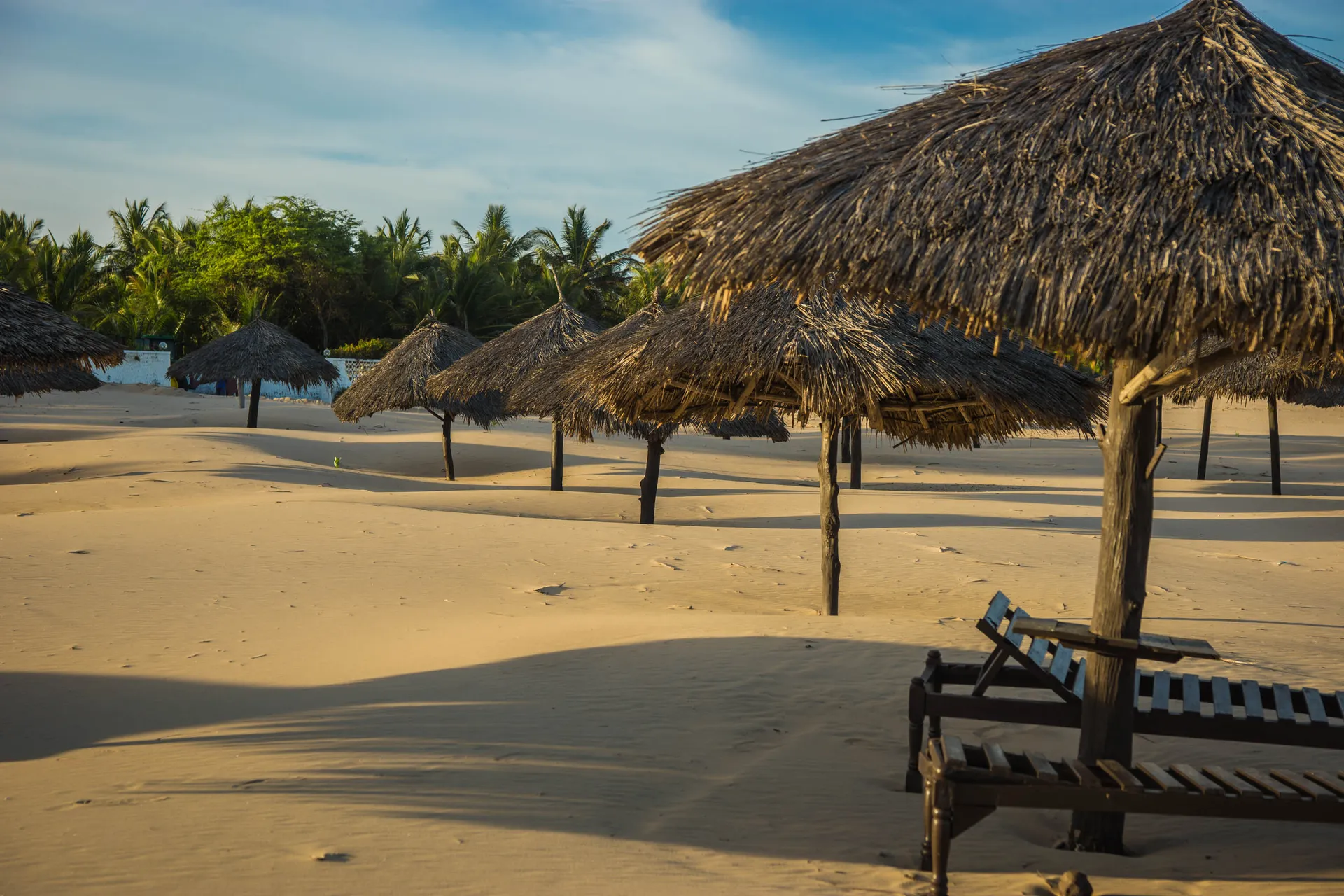
Less than a four-hour flight from the UK is a land of cultural and scenic diversity. The golden sandy beaches of Morocco's coastal region of Agadir are perfect for enjoying the warm sun in this year-round destination. Morocco is a country of contrasts- discover the bustling souks of Marrakech, marvel at the spectacular Atlas Mountains and unwind on the excellent beaches. There's a reason that holidays to Morocco are so popular with so many, there's just so much to enjoy in this beautiful destination. Agadir, with its mile after golden mile of golden sandy beaches has become its number one tourist resort.
Popular hotels in Morocco


£565
pp
£270
pp
£196
pp
£294
ppSpecial Offers
Explore Morocco
Morocco Travel Guides

Your Morocco Questions Answered
Find out more about visiting Morocco with the answers to these frequently asked questions.
We're here to help
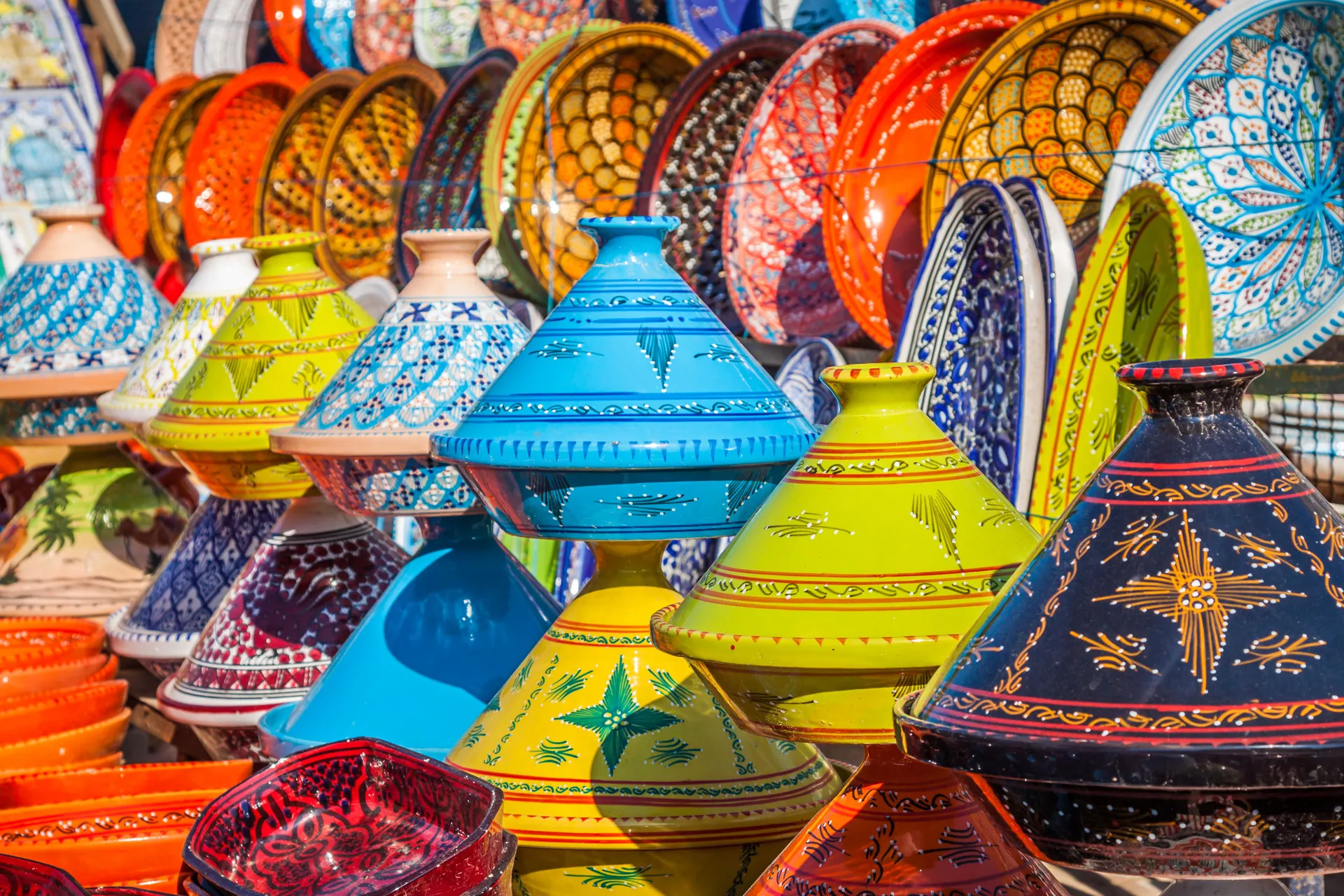
Moroccan cuisine is flavourful and aromatic, featuring dishes like tagine, couscous, and freshly baked bread. Spices like saffron, cumin, and cinnamon are widely used, giving Moroccan food its unique taste. There are options for every palate, including vegetarian and meat dishes.
It is generally safe to eat food in Morocco, especially at reputable restaurants and hotels. As with any destination, it’s a good idea to stick to fresh, well-cooked food and drink bottled water.
Yes, travel insurance is highly recommended. It provides coverage for medical emergencies, trip cancellations, and lost luggage, ensuring peace of mind during your travels.
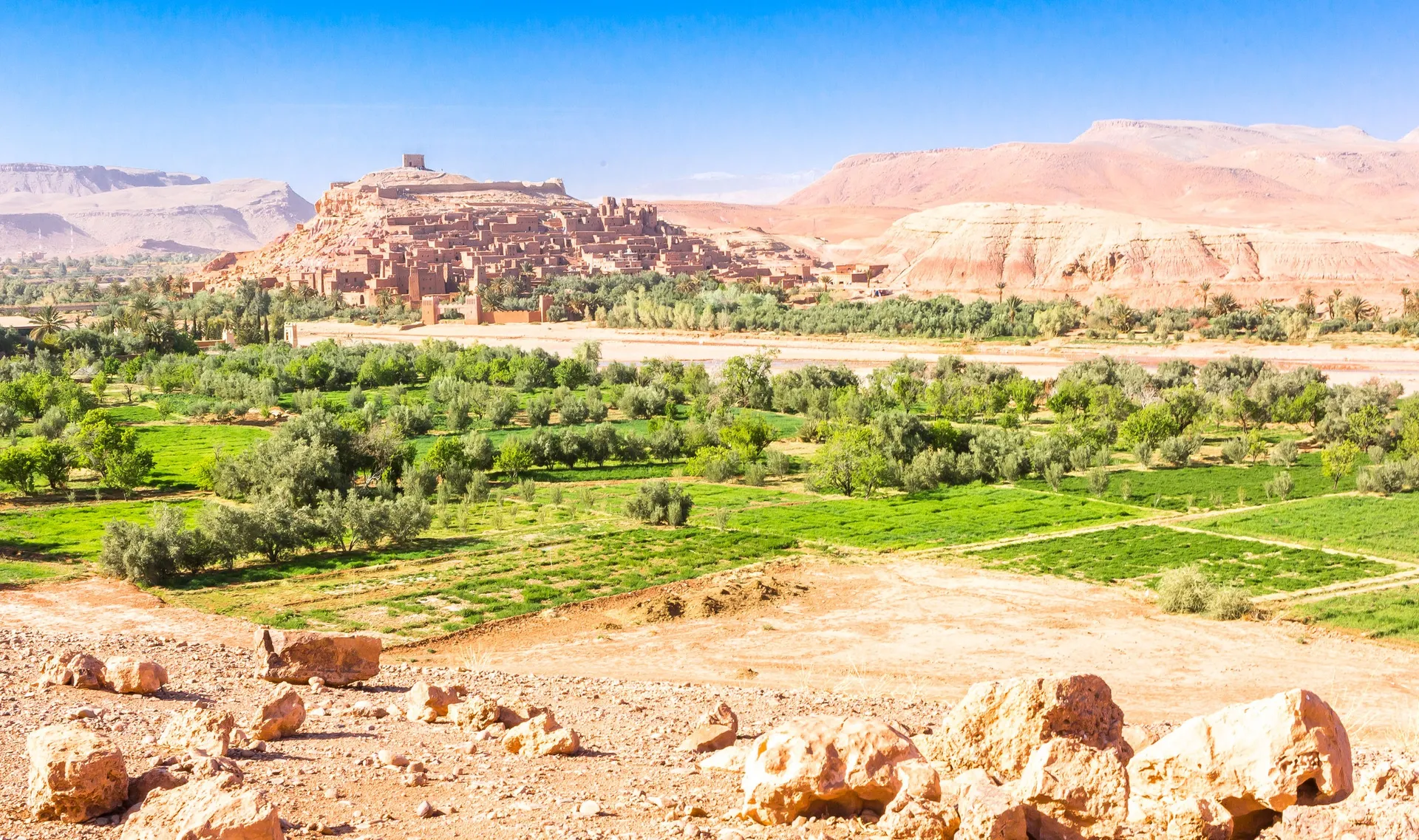
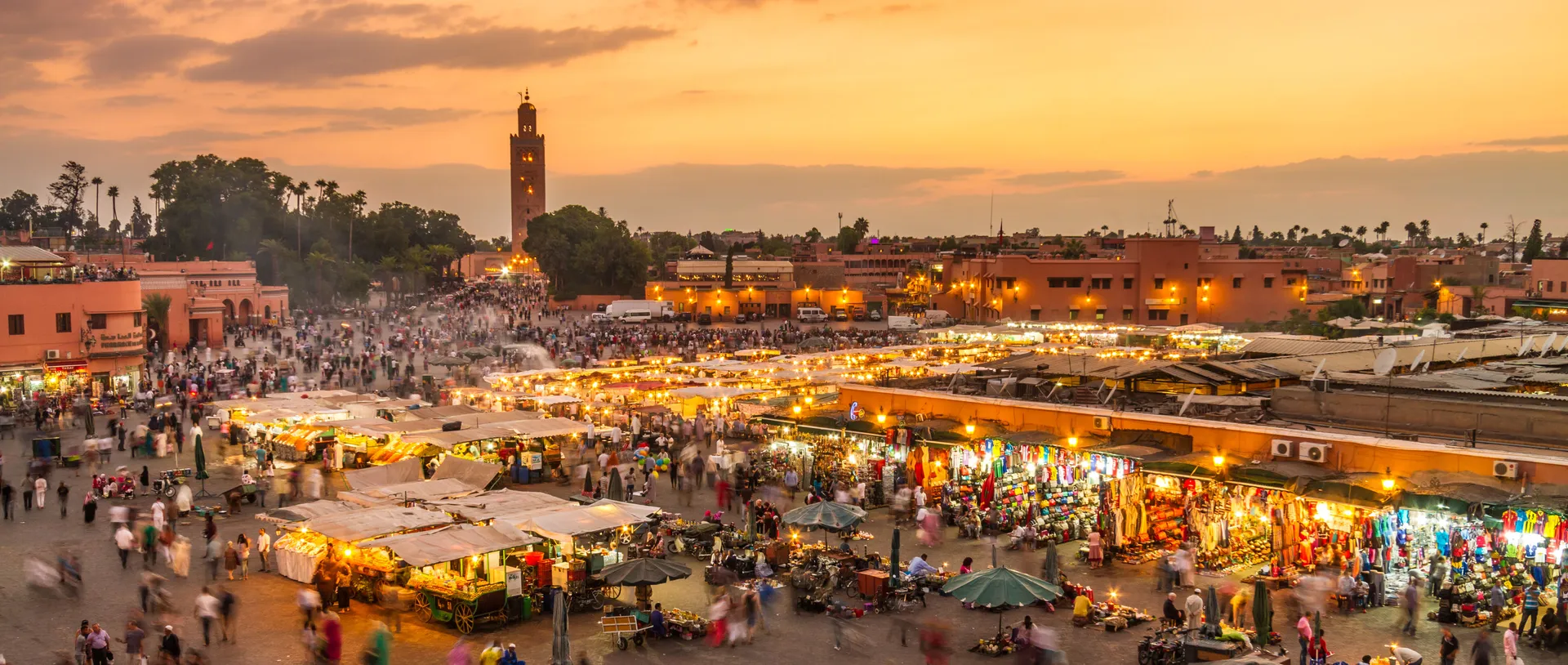
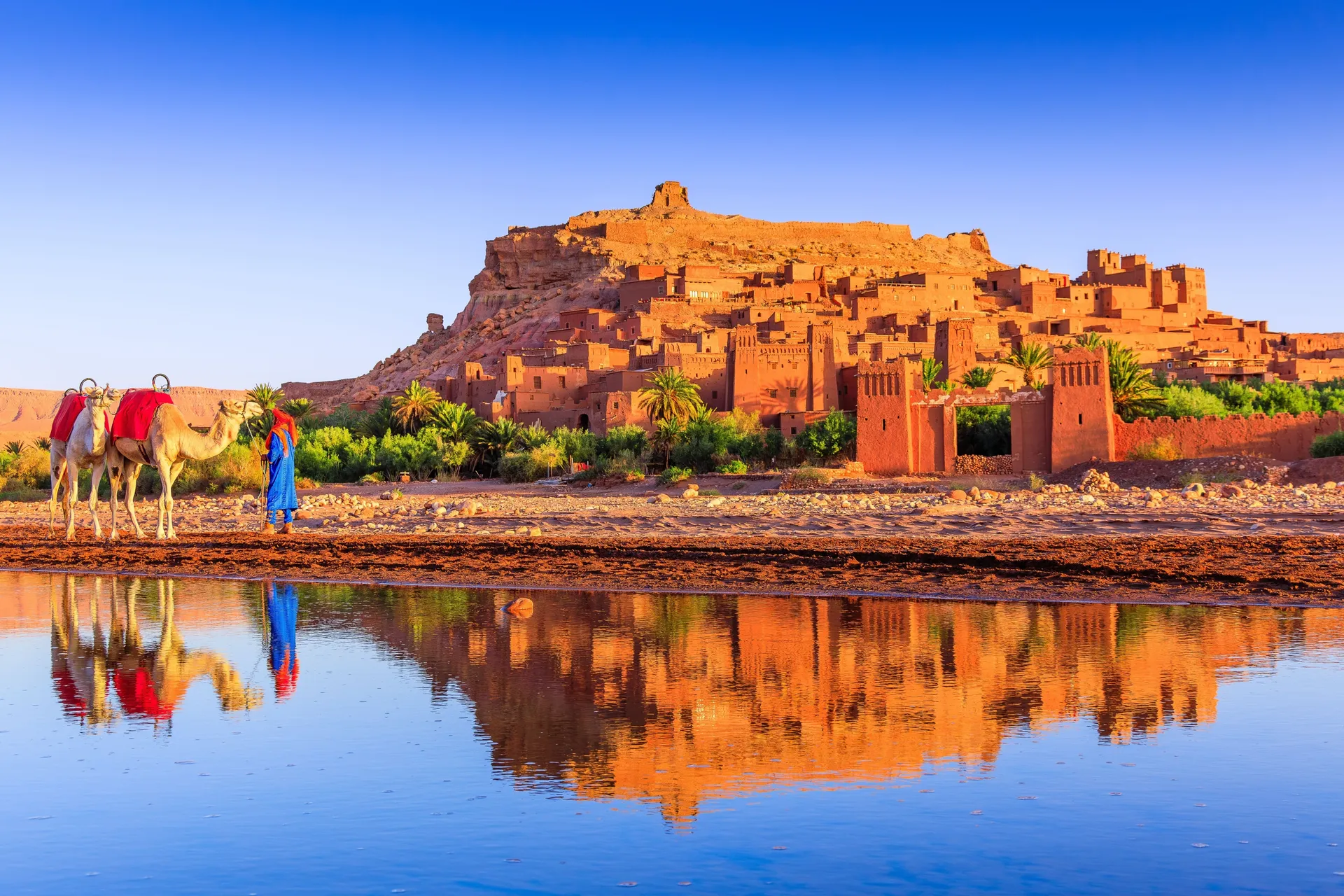
Morocco’s must-see attractions include the vibrant markets and historic sites of Marrakech, like the Koutoubia Mosque and Jardin Majorelle. Agadir, known for its beautiful beaches and relaxed vibe, is perfect for coastal relaxation and exploring nearby Paradise Valley. Don’t miss the Atlas Mountains for breathtaking scenery and traditional Berber villages.
In Morocco, dress modestly, especially in rural areas. Avoid public displays of affection, as it may be considered inappropriate. It’s polite to greet people with “Salam” (hello) and to use your right hand when eating or giving items.
Pack lightweight clothing for warm days, along with a scarf or shawl for sun protection and for visits to religious sites. A light jacket is useful for cooler evenings. Comfortable walking shoes are essential, especially if visiting the souks or going on desert excursions.
The best times to visit Morocco are spring (March to May) and autumn (September to November) when the weather is mild.
Morocco is generally safe for tourists, especially in popular areas. It’s best to stay alert in crowded places, and always follow local advice when exploring less-travelled areas.
Arabic is the official language, with Moroccan Arabic (Darija) widely spoken. French is also commonly used, especially in business and tourist areas. English is spoken in many tourist spots but less so in rural areas.
The currency used in Morocco is the Moroccan Dirham (MAD). Credit cards are widely accepted in urban areas and tourist destinations, but it’s a good idea to carry cash, especially for small markets and rural areas. ATMs are accessible in most cities.
